


Lipitor and the statin revolution (1996-2012)
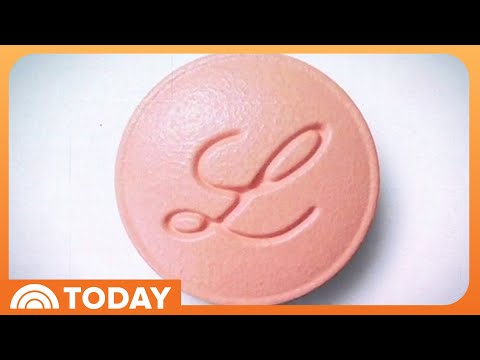
Pfizer's Lipitor (atorvastatin), approved in 1996, became the best-selling drug in pharmaceutical history by making cholesterol reduction simple — one pill a day. At its peak, Lipitor generated $13 billion annually and was prescribed to over 29 million Americans. It transformed high cholesterol from a condition many people ignored into one routinely treated with a daily pill.
Lipitor captured over 50% of the statin market within five years, largely by offering superior efficacy and simpler dosing than existing alternatives.
Statins became one of the most widely prescribed drug classes in history. When Lipitor lost patent protection in 2011, generic versions drove prices below $10 per month, making treatment nearly universal for at-risk patients.
The GLP-1 obesity market is following a similar arc: injectable-first treatments are giving way to oral pills that lower the barrier to entry. If oral GLP-1s achieve statin-like ubiquity, obesity treatment could shift from a specialty intervention to a routine primary-care prescription — with similar implications for public health and pharmaceutical revenue.