



Pull to refresh
Logo
Energy Department priority list delays Electron-Ion Collider, ranks AI and quantum first

Energy Department priority list delays Electron-Ion Collider, ranks AI and quantum first

New Capabilities

The first ranked project list in 23 years puts four AI, quantum and fusion projects in its urgent tier and pushes the $3.5 billion collider to a later tier.

Overview

Updated 1 hour ago

The U.S. Department of Energy's Office of Science has ranked its future big-science projects for the first time since 2003. The 16-project list, presented in mid-November 2026 by a subpanel of the Office of Science Advisory Committee, puts AI computing, a quantum user facility, a fusion neutron source and AI automation of DOE facilities in its most urgent tier.

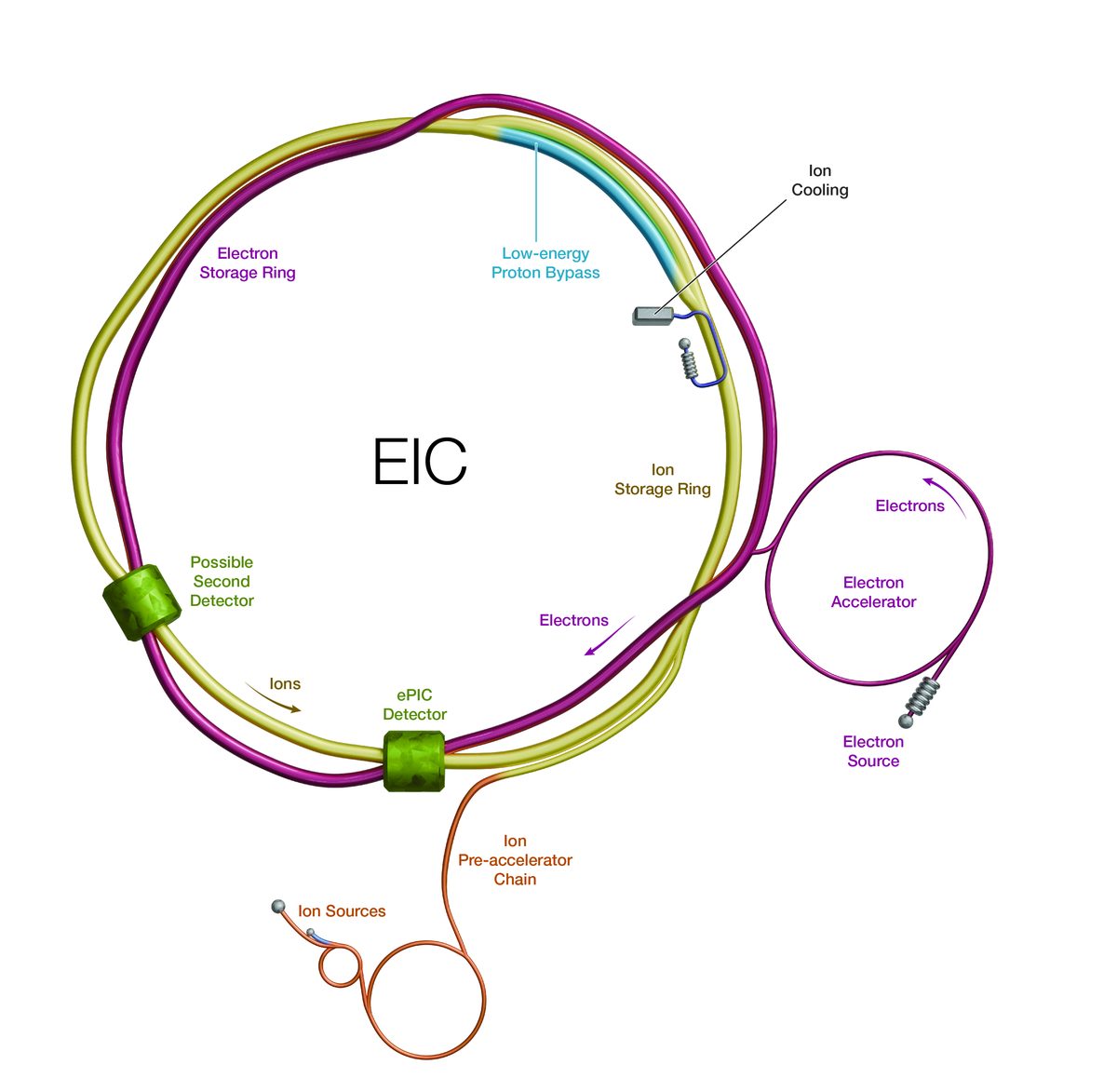
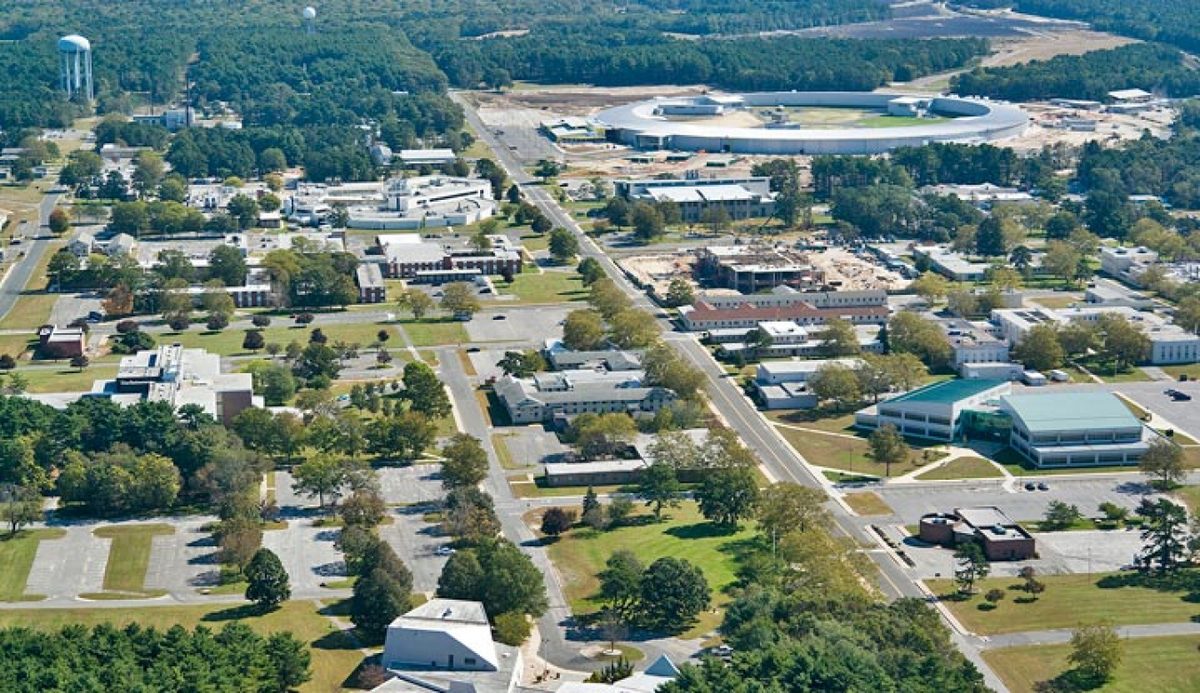
The same list delays the Electron-Ion Collider, a Brookhaven National Laboratory atom smasher that physicists hoped to have running by 2037. Its cost estimate has climbed from $2.25 billion to $3.5 billion, and the subpanel concluded it cannot fit inside the roughly $9 billion the office expects to have for new projects over the next decade.

Why it matters

The ranking decides which U.S. mega-science projects get built first, putting AI and quantum ahead of a particle collider physicists have pursued for years.

Questions about this story

Free account needed to ask — your question is kept and asked for you right after sign-up. Answers are public.

No questions yet — be the first to ask.

Key Indicators

$9B
Estimated new-project spending through 2036
The subpanel's estimate of what the Office of Science can spend starting new projects over the next decade.
$3.5B
Electron-Ion Collider cost estimate
Up from $2.25 billion, not including an upgrade to reach desired beam intensity.
16
Major projects in the plan
The list covers projects through 2036, plus five others if funding allows.
23 years
Since the last ranked list
The Office of Science last ranked its construction projects in 2003.
$8.4B
Office of Science annual budget
The plan assumes it grows about 3% a year.

Voices

Curated perspectives — historical figures and your fellow readers.

Sign up to generate historical perspectives on this story.

People Involved

Organizations Involved

Timeline

2003 November 2026

5 events Latest: Today
Tap a bar to jump to that date
  1. 16-project list reported

    Today Policy

    Science reports the subpanel's list, presented at a meeting the week before.

  2. Gil orders a ranked plan

    Policy

    Undersecretary Darío Gil directs the advisory committee to produce a prioritized project list.

  3. Advisory committees replaced

    Policy

    DOE eliminates program advisory committees and replaces them with the Office of Science Advisory Committee.

  4. Planning process begins

    Policy

    Office of Science director Asmeret Asefaw Berhe asks program committees to rank proposed projects.

  5. Last ranked project list

    Policy

    Office of Science director Raymond Orbach personally ranks 28 construction projects.

Scenarios

1

Congress funds the AI and quantum projects first

Likely Resolves by Q3 2027

Discussed by: Office of Science Advisory Committee subpanel; DOE undersecretary Darío Gil

The subpanel put AI computing, a quantum user facility, a fusion neutron source and AI automation in its urgent tier. If appropriators follow the ranking, the High Performance Data Facility at Jefferson Lab and the quantum facility get money in the next budget cycle. The quantum facility carries a condition: it must hit technical milestones before it advances.

2

Electron-Ion Collider construction slips past 2030

Likely Resolves by Q3 2029

Discussed by: SCAC subpanel; Brookhaven National Laboratory

The subpanel moved the collider to its longer-term tier because its cost estimate rose to $3.5 billion and it could not fit the $9 billion envelope. Brookhaven says design work continues. If DOE's budget requests leave out construction money for several years, the project's start date moves further out.

3

Quantum computing user facility fails its milestone review

Possible Resolves by End of 2028

Discussed by: SCAC subpanel; DOE quantum roadmap

The subpanel made the quantum facility urgent but conditional. It must show technical maturity and scientific relevance before it advances. If the technology does not meet those milestones, DOE could defer or cancel the facility, leaving the urgent tier with only AI and fusion projects.

Historical Context

3 moments from history that rhyme with this story — and how they unfolded.

2003

Office of Science project list (2003)

Office of Science director Raymond Orbach personally ranked 28 construction projects, the agency's last such list. The list included rejoining ITER, the international fusion experiment, as the top priority.

Then

DOE followed the list closely: 11 projects were completed and four are still under construction.

Now

The list guided congressional budget writers for two decades and became the benchmark for the new ranking.

Why this matters now

The 2026 list is the first since 2003, and its authors explicitly compared their choices to Orbach's.

2003-present

ITER cost growth (2003-present)

The U.S. rejoined the international fusion project ITER in 2003, expecting a total cost of about $5 billion with a 10% U.S. share. The project is still under construction, and the U.S. share has grown to more than $6.5 billion.

Then

The cost increase strained DOE's fusion budget and delayed other projects.

Now

The episode became the cautionary example for why the subpanel treated immature cost estimates cautiously.

Why this matters now

The subpanel cited ITER-style cost growth when it delayed the Electron-Ion Collider and set conditions on the fusion neutron source.

1987-1993

Superconducting Super Collider (1987-1993)

Congress authorized a 54-mile proton collider in Texas. Cost estimates rose from about $4.4 billion to $11 billion, and Congress canceled the project in 1993 after spending roughly $2 billion.

Then

The cancellation scattered physicists and ended U.S. leadership in high-energy colliders.

Now

It became the standard example of what happens when a big physics project loses political support.

Why this matters now

The EIC delay shows DOE trying to avoid a similar cancellation by stretching out design work before committing to construction.

Sources

(7)