
Pull to refresh
Logo
A repurposed bacterial toxin lets African lungfish rebuild its skin for land

A repurposed bacterial toxin lets African lungfish rebuild its skin for land

New Capabilities

University of New Mexico researchers found the molecule that flips lungfish skin between its aquatic and land-adapted forms

Overview

Updated 2 hours ago

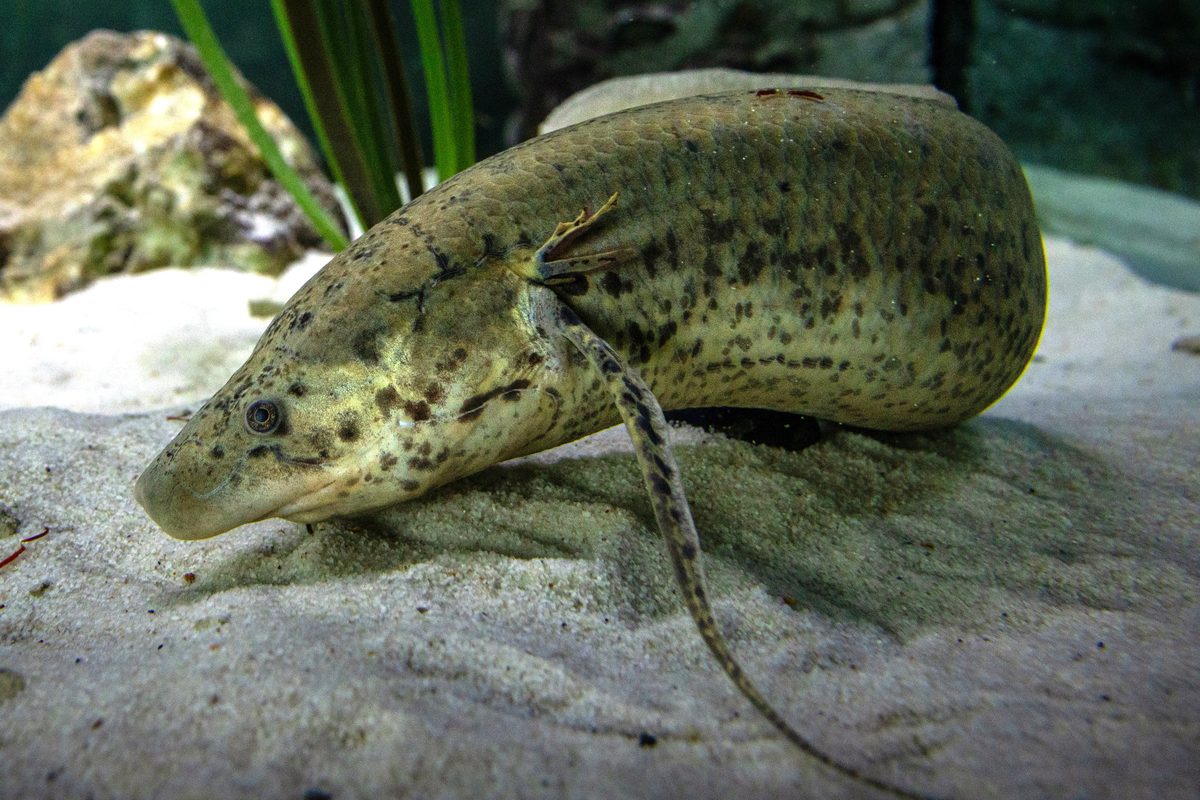
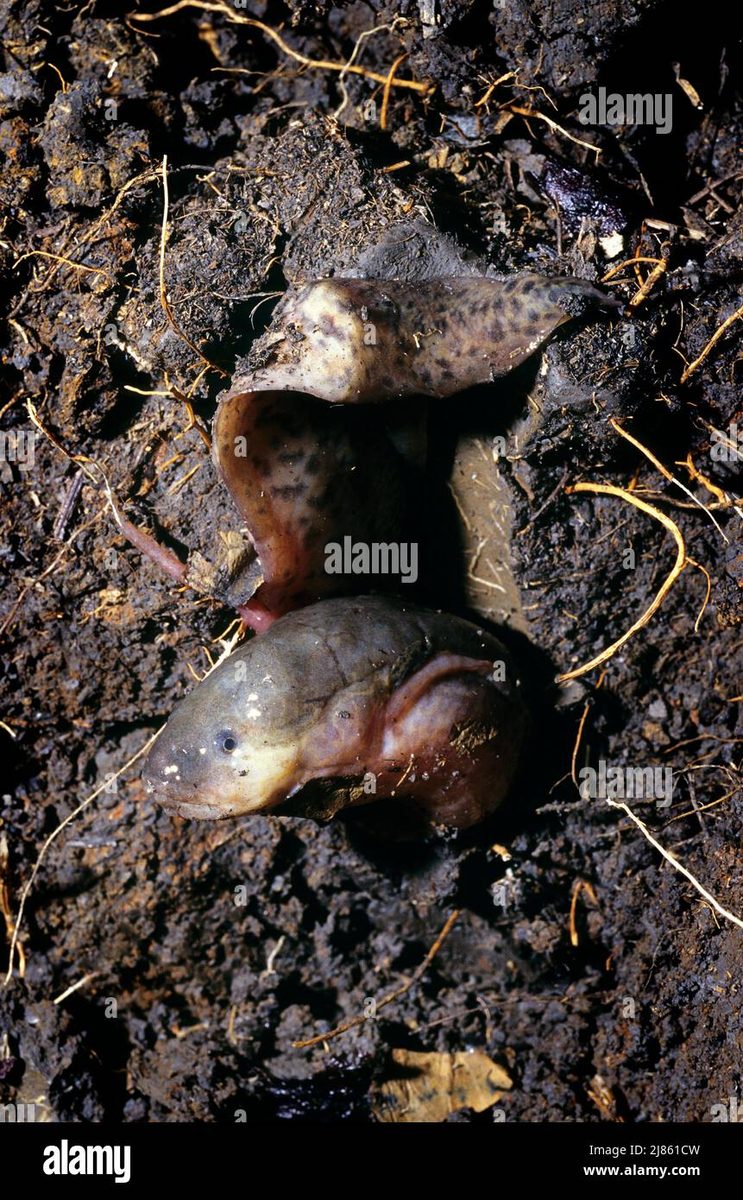
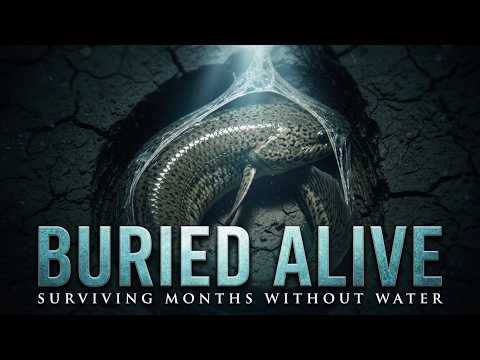
Every dry season, African lungfish burrow into mud and wrap themselves in a cocoon of dried mucus. Their skin changes from a wet, mucus-secreting lining into a thin, flat barrier, then back again when the rains return.

A team at the University of New Mexico found the switch: a small pore-forming toxin, Protop-CrTX-A, that the fish's immune cells release into the skin. In lab experiments, a drop of the recombinant toxin turned aquatic lungfish skin into something resembling the land-adapted form within a day.

Why it matters

The finding gives researchers one molecule that flips skin between two states, a handle for studying how tissues rebuild themselves.

Questions about this story

Free account needed to ask — your question is kept and asked for you right after sign-up. Answers are public.

No questions yet — be the first to ask.

Key Indicators

24 hours
Time for the toxin to remodel skin in the lab
Lungfish skin explants shifted toward a land-adapted structure within a day of exposure to recombinant Protop-CrTX-A.
500-fold
Reported rise in toxin production during estivation
Coverage of the paper reports toxin levels climbing roughly 500 times in the estivating skin compared with free-swimming fish.
1
Exons in the ancestral toxin gene
The original gene carried a single exon; repeated additions over evolutionary time produced the lungfish version.

Voices

Curated perspectives — historical figures and your fellow readers.

Sign up to generate historical perspectives on this story.

People Involved

Organizations Involved

Timeline

2021 November 2026

2 events Latest: 5 days ago
  1. Cell publishes the lungfish toxin study

    Latest Publication

    Siciliani and colleagues report that Protop-CrTX-A converts lungfish skin between aquatic and land-adapted states; UNM announces the finding the same day.

  2. Lab shows the lungfish cocoon is living tissue

    Research

    A Science Advances paper from the same group found immune cells move into the cocoon and release DNA-based traps that capture bacteria.

Scenarios

1

Independent labs reproduce the skin switch in another vertebrate

Possible Resolves by End of 2027

Discussed by: Coverage in Infobae and Chinese science outlets, which note the paper's conclusion is limited to African lungfish

The paper shows zebrafish larvae respond to the toxin with neutrophil recruitment and wavy keratinocyte rearrangement, hinting the mechanism is not strictly a lungfish trick. If an unaffiliated lab reproduces a remodeling effect in amphibians, fish or mammals, the finding becomes a general tool rather than a curiosity.

2

Recombinant Protop-CrTX-A becomes a catalog research reagent

Unlikely Resolves by Q2 2028

Discussed by: No public announcement; inferred from the paper's use of a recombinant protein

The team made its own recombinant toxin to run the experiments. A commercial supplier listing it would let other labs test epithelial remodeling without rebuilding the protein, which is the usual path for a molecule that becomes a lab workhorse.

3

The bacterial-origin claim is challenged or revised

Uncertain Resolves by End of 2028

Discussed by: The authors themselves, who present horizontal gene transfer as a hypothesis rather than a direct observation

The paper argues the toxin gene came from bacteria and was repurposed in lungfish ancestors. That history rests on sequence comparison, not on watching the transfer happen. A competing analysis could place the origin elsewhere or dispute the timeline.

Historical Context

3 moments from history that rhyme with this story — and how they unfolded.

2021

The lungfish cocoon as living tissue (2021)

The same New Mexico lab published microscopy and gene-expression work on the cocoon African lungfish build to survive dry seasons. The study found granulocytes, fast-moving immune cells, migrate into the cocoon and release extracellular traps that capture bacteria.

Then

Spraying the cocoon with an enzyme that breaks up those traps caused bacterial imbalance, bloodstream infection and skin wounds.

Now

Established that the cocoon is an active immune structure, not inert dried mucus, and set up the search for what else immune cells do to lungfish skin.

Why this matters now

The new paper follows directly from this one: the same granulocytes that build the cocoon turn out to be the main supplier of the skin-remodeling toxin.

2006

Tiktaalik roseae (2006)

Paleontologists described a roughly 375-million-year-old fossil fish from Ellesmere Island in the Canadian Arctic with traits blending fish and land-dwelling tetrapods, including a neck and limb-like fins.

Then

Became the best-known snapshot of the water-to-land transition and a fixture of museum exhibits and textbooks.

Now

Anchored the field's picture of terrestrialization in bones and geology rather than living physiology.

Why this matters now

Tiktaalik shows the skeletal side of moving onto land. This study attacks the same transition through a living animal's skin and immune system.

2012

CRISPR-Cas9 gene editing (2012)

Jennifer Doudna and Emmanuelle Charpentier showed that a bacterial immune system's DNA-cutting protein could be programmed with a guide RNA to cut a chosen sequence. They shared the 2020 Nobel Prize in Chemistry for the work.

Then

Labs around the world adopted the method within a few years.

Now

Turned a bacterial defense mechanism into a standard research and therapeutic tool.

Why this matters now

A parallel for the paper's central idea: molecules built for one job in bacteria can be co-opted for something entirely different in animals.

Sources

(8)