
Logo
Daily Brief
Following
Why
Georgia's Prison System Collapsing Under Record Violence

Georgia's Prison System Collapsing Under Record Violence

Federal Intervention Looms as Homicides Double and Staff Flee

Today: Facility Remains on Lockdown

Overview

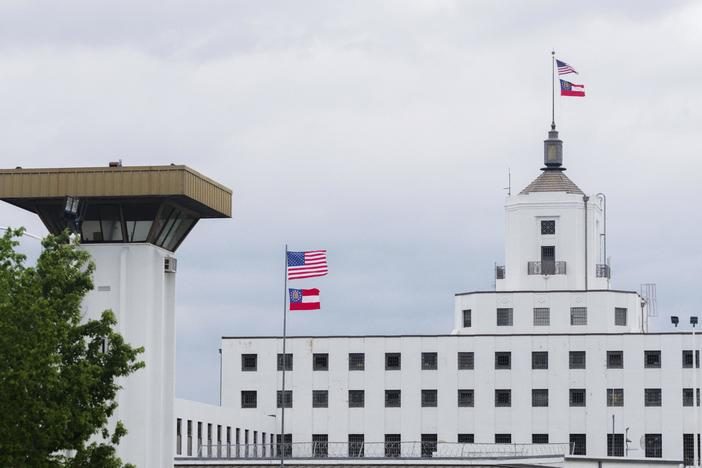
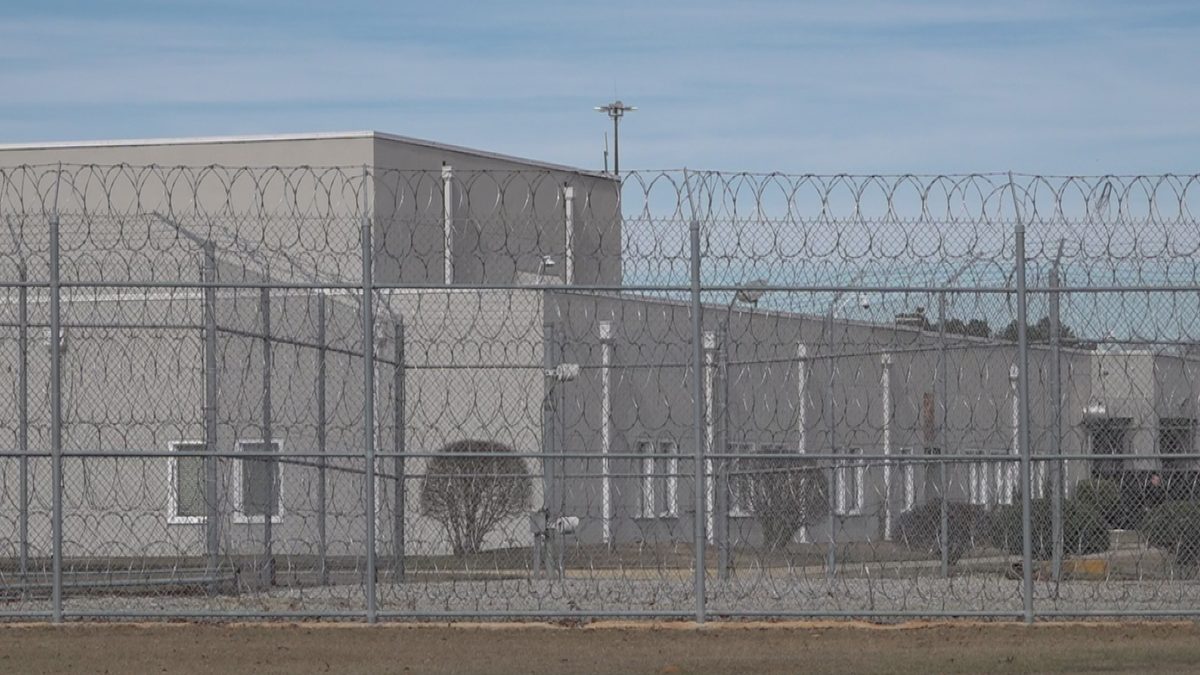
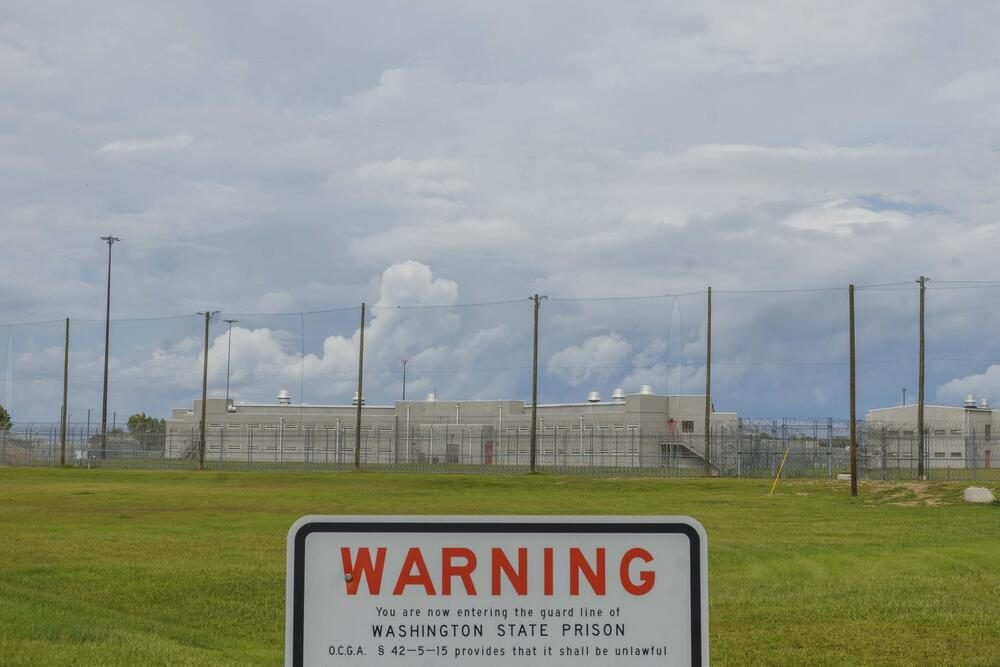
Georgia recorded seven prison homicides in 2018. In 2024, inmates killed 66 of their fellow prisoners—a nearly tenfold increase in six years. On January 12, 2026, a gang-affiliated fight at Washington State Prison left three more dead, with bloodied inmates breaching a visitation area while a single officer tried to maintain control.

The violence follows a October 2024 Department of Justice report finding Georgia officials 'deliberately indifferent' to conditions the DOJ called 'among the most severe violations we have uncovered.' With correctional officer positions 50-70% vacant at major facilities, gangs effectively control housing units. The state faces a federal lawsuit threat, and Governor Brian Kemp has proposed $600 million in emergency funding—but homicides continue to outpace any reform effort.

Key Indicators

66
Prison homicides in 2024
Up from 7 in 2018 and 35 in 2023, setting another record
50%
Correctional officer positions filled
Vacancy rates exceed 70% at some facilities including Hancock State Prison
332
Total prisoner deaths in 2024
Up 27% from prior year, including homicides, suicides, overdoses, and natural causes
$600M
Proposed emergency funding
Governor Kemp's 18-month budget proposal for staffing, repairs, and security

People Involved

TO
Tyrone Oliver
Commissioner, Georgia Department of Corrections (Leading reform efforts under federal pressure)
Brian Kemp
Brian Kemp
Governor of Georgia (Proposing $600M emergency corrections funding)
Kristen Clarke
Kristen Clarke
U.S. Assistant Attorney General for Civil Rights (Led DOJ investigation, authorized to file federal lawsuit)

Organizations Involved

Georgia Department of Corrections
State Corrections Agency
Status: Under federal investigation, proposing reforms

Operates 34 state prisons holding approximately 50,000 incarcerated individuals, with vacancy rates exceeding 50% for correctional officers.

DOJ Civil Rights Division
Federal Law Enforcement
Status: Authorized to file lawsuit against Georgia

Investigates civil rights violations at state correctional facilities under the Civil Rights of Institutionalized Persons Act (CRIPA).

SO
Southern Center for Human Rights
Legal Advocacy Organization
Status: Advocating for federal intervention

Atlanta-based civil rights organization that has documented Georgia prison conditions and called for federal enforcement.

Timeline

  1. Facility Remains on Lockdown

    Status

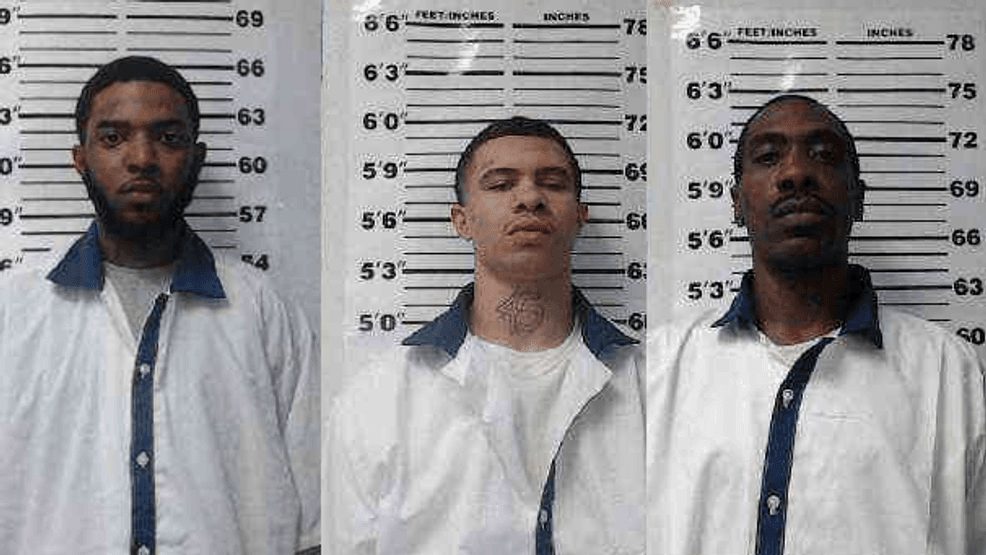
    Washington State Prison continues lockdown as GDC investigates the incident and identifies the three deceased inmates.

  2. Three Killed in Washington State Prison Riot

    Incident

    Gang-affiliated fight at Washington State Prison in Davisboro leaves three inmates dead and 14 injured including a corrections officer. Bloodied inmates breach visitation area; one victim was scheduled for release the next day.

  3. Governor Proposes $600M Reform Package

    Policy

    Governor Kemp unveils $600 million in proposed funding over 18 months for staffing, infrastructure, and security improvements.

  4. 66 Homicides in 2024, 332 Total Deaths

    Data Point

    Georgia prisons record 66 homicides—nearly double 2023—and 332 total deaths, both all-time records.

  5. DOJ Deadline Passes

    Legal

    The 49-day deadline for Georgia to address DOJ concerns expires without a federal lawsuit being filed.

  6. DOJ Releases Damning Report

    Investigation

    After three years, DOJ publishes 94-page report finding Georgia 'deliberately indifferent' to violence, with 83 remedial measures and a 49-day deadline to avoid federal lawsuit.

  7. Governor Orders Prison Assessment

    Policy

    Governor Kemp charges the GDC and consulting firm Guidehouse to conduct system-wide assessment of prison operations.

  8. Record 35 Homicides in 2023

    Data Point

    Georgia prisons record 35 homicides, the highest in the South and a fivefold increase from 2018.

  9. DOJ Opens Civil Rights Investigation

    Investigation

    Following years of violence reports, the U.S. Department of Justice announces a statewide civil rights investigation into Georgia's prison facilities.

  10. Baseline: 7 Prison Homicides

    Data Point

    Georgia records 7 homicides across its state prison system, establishing a baseline before the crisis escalated.

Scenarios

1

DOJ Files Federal Lawsuit, Forces Consent Decree

Discussed by: Southern Center for Human Rights, civil rights attorneys, Alabama prison case observers

Following the Alabama model, DOJ files a lawsuit under CRIPA alleging Eighth Amendment violations. After extended litigation, Georgia enters a consent decree mandating staffing ratios, violence prevention protocols, and federal monitoring. This path took Alabama six years from investigation to pending trial—Georgia could face similar timeline but with pressure from continued deaths accelerating settlement talks.

2

State Reforms Outpace Federal Action

Discussed by: Governor Kemp's office, GDC leadership, state legislators

The $600 million investment, combined with hiring incentives and salary increases, begins to close the staffing gap. Homicides decline from 2024's record levels. DOJ, facing shifted enforcement priorities under the Trump administration, opts not to file suit, accepting state progress as sufficient. Violence persists but stabilizes at lower levels.

3

Violence Continues, Federal Intervention Stalls

Discussed by: Prison reform advocates, inmates' families, Georgetown law professor Christy Lopez

DOJ under the Trump administration deprioritizes prison civil rights enforcement, as suggested by Project 2025 priorities. No lawsuit is filed despite the missed deadline. State funding proves insufficient to recruit and retain officers. Homicides continue at 50+ annually. Families of deceased inmates file wrongful death lawsuits, but systemic change remains elusive.

4

Mass Casualty Event Forces Emergency Federal Takeover

Discussed by: Prison reform advocates, legal scholars analyzing receivership precedents

A riot larger than the January 2026 incident—potentially involving multiple simultaneous disturbances or double-digit deaths—prompts emergency federal action regardless of administration priorities. Court appoints a receiver to manage the system, as occurred in California's prison healthcare crisis. This represents the most extreme outcome but becomes more plausible if violence continues accelerating.

Historical Context

Alabama Prison Federal Lawsuit (2020-Present)

December 2020 - Ongoing

What Happened

After a 2016 DOJ investigation found Alabama's prisons violated inmates' constitutional rights through rampant violence and sexual abuse, the federal government sued in December 2020. Alabama became the only state facing two simultaneous federal prison lawsuits. The state refused a consent decree, opting instead for contested litigation.

Outcome

Short Term

Trial has been repeatedly delayed, now scheduled for 2026. Violence has continued during the litigation—in 2024, Alabama had one of the nation's highest prison homicide rates.

Long Term

The case demonstrates that DOJ investigations can take a decade or more to produce meaningful change through litigation. Georgia officials have watched Alabama's approach of contesting rather than settling.

Why It's Relevant Today

Georgia faces the same DOJ division using the same legal theory (CRIPA). Alabama's experience shows that refusing to settle can delay reform for years while violence continues—but also that administrations may shift enforcement priorities before cases conclude.

California Prison Receivership (2006)

October 2005 - 2023

What Happened

After finding California's prison healthcare system caused one preventable death per week, a federal court appointed a receiver to take control of prison medical care away from the state. The receiver had authority to hire staff, build facilities, and spend state funds without legislative approval.

Outcome

Short Term

The receiver spent billions improving care, constructing medical facilities, and hiring staff. Preventable deaths declined significantly within the first few years.

Long Term

Receivership lasted 18 years. California regained control in 2023 after demonstrating sustained improvement. The case established that federal courts can seize operational control of state prison systems when constitutional violations are severe enough.

Why It's Relevant Today

If Georgia's violence continues worsening, receivership represents a legal mechanism for federal control—though it requires court findings that the state is unable or unwilling to remedy constitutional violations. Georgia's situation involves violence rather than healthcare, but the precedent applies.

Mississippi Prison Violence Crisis (2020)

December 2019 - February 2020

What Happened

Nine inmates died in Mississippi state prisons within three weeks in late 2019 and early 2020, prompting a DOJ investigation. Understaffing had left gangs in de facto control of housing units—the same pattern now seen in Georgia. The DOJ found conditions 'unconscionable.'

Outcome

Short Term

Mississippi closed Parchman's notorious Unit 29 and began emergency staffing efforts. The immediate violence subsided after national media attention.

Long Term

DOJ investigation continues. Mississippi's prison population has declined but structural problems persist. The case showed how rapid deterioration can occur when staffing collapses—and how difficult recovery is even with federal attention.

Why It's Relevant Today

Mississippi's crisis mirrors Georgia's trajectory: chronic understaffing enabling gang control, then a spike in deaths drawing federal scrutiny. Georgia now faces the same pattern at larger scale—with 66 homicides in 2024 exceeding Mississippi's crisis casualties.

11 Sources: