

Google reaches 2-nanometer phone chip before Apple with Pixel 11
New CapabilitiesThe Tensor G6 puts a smaller chip and an on-device Gemini AI model in Google's 2026 phones
Today: Pixel 11 launches with 2nm Tensor G6New here? Follow stories to track developments over time. Create a free account to get updates when stories you care about change.
Overview
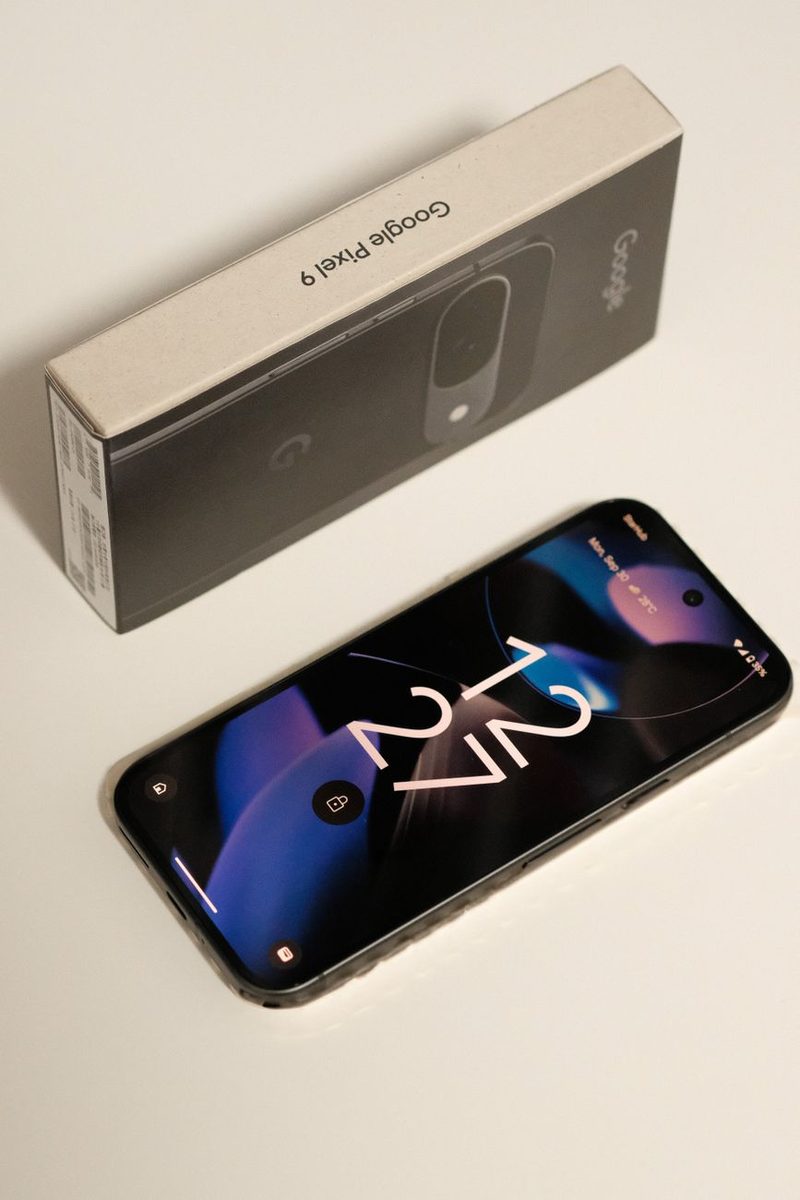
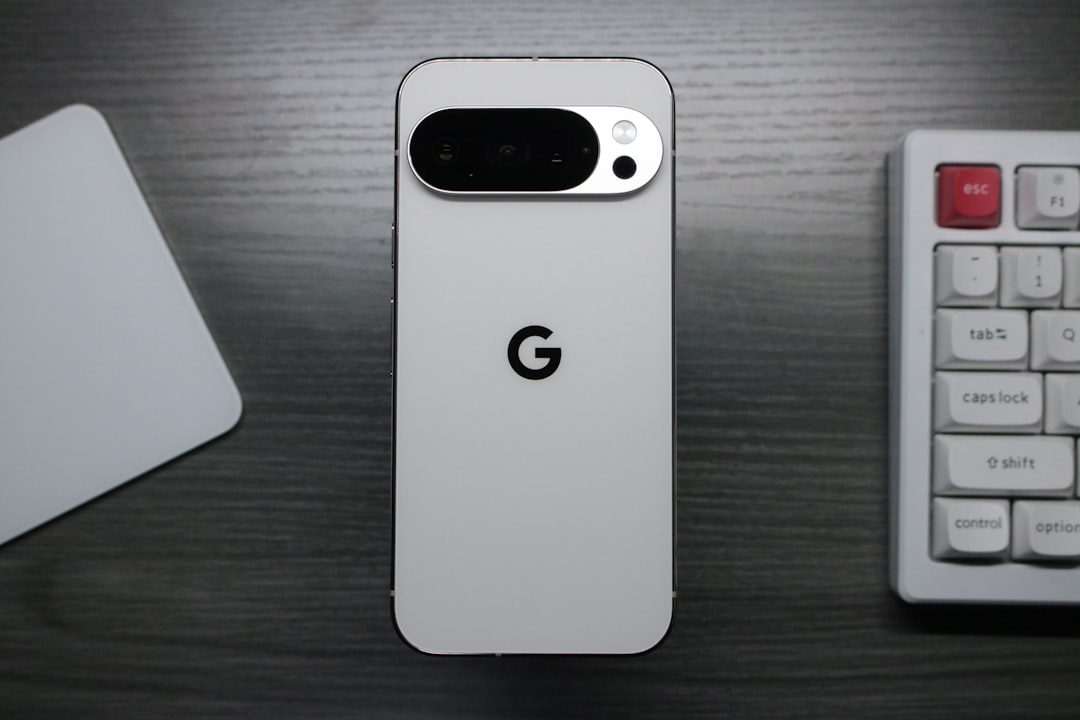
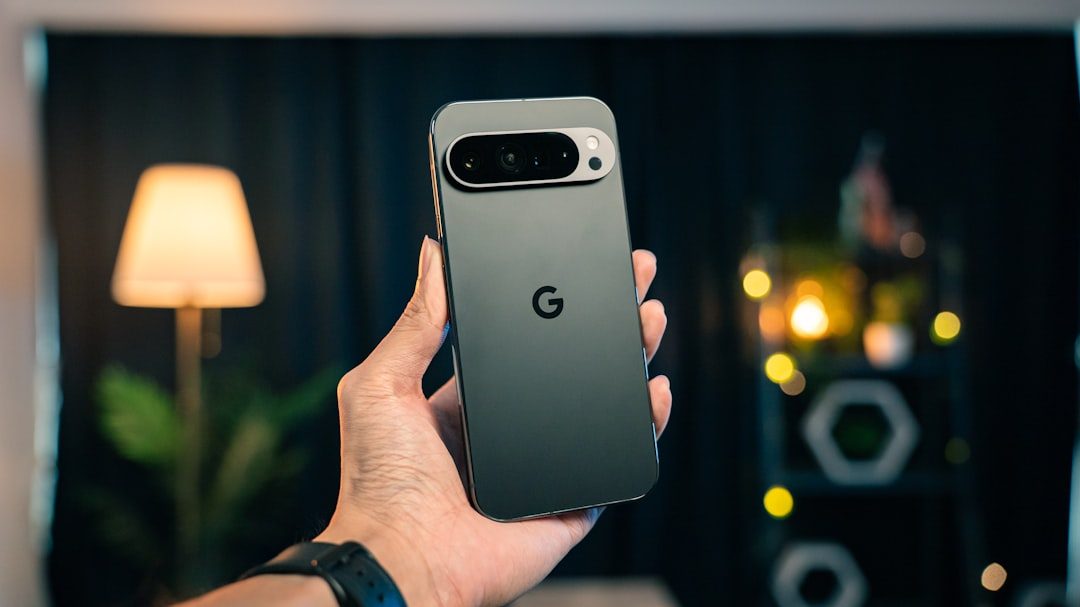
Apple has been first to nearly every chip-manufacturing shrink for years. On August 12, 2026, Google beat it to the 2-nanometer mark, putting the chip inside the Pixel 11 weeks before Apple's next iPhone.
The Tensor G6 pairs that smaller chip with Gemini Nano 4, an AI model that runs on the phone itself. Google says common AI tasks run up to 3.5 times faster while using less power. The move keeps more of what you type, say, and photograph on the device instead of sending it to Google's servers.
Why it matters
Google beat Apple to a 2-nanometer phone chip that runs AI on the device, not in the cloud, changing where your data goes.
Questions about this story
No questions yet — be the first to ask.
Key Indicators
Voices
Curated perspectives — historical figures and your fellow readers.
Play
Exploring all sides of a story is often best achieved with Play.
Higher or Lower
A number from this story, against one from elsewhere in the news — guess which is bigger, then keep the chain going. 5 rounds, 3 strikes; a miss costs a strike and resets your streak.
Keyboard: ↓/L lower · ↑/H higher
0 points — sign up to put that on the leaderboard.
Connections
Sixteen names from the news. Find the four hidden groups of four. Four mistakes max.
Sign up to keep a daily streak — a new puzzle lands every day.
Exit debate?
Your progress in this debate will be lost.
- 1 Two AI personas square off on this story.
- 2 You predict who'll win each round — correct picks earn XP.
- 3 One crossfire question is yours to fire. Pick it carefully.
Couldn't generate a topic
Select Your Champions
Choose one persona for each side of the debate
DEBATE TOPIC
Choose personas with different perspectives for a more dynamic debate.
Select debater for this side:
No debate personas available right now.
Select debater for this side:
No debate personas available right now.
Who's Got This Round?
Make your prediction before the referee scores
The referee scores both sides on
Round Results
Set the Crossfire
Pick the question both personas must answer in the final round
Debate Oracle! You called every round!
Sharp Instincts! You know your debaters!
The Coin Flip Strategist! Perfectly balanced!
The Contrarian! Bold predictions!
Inverse Genius! Try betting the opposite next time!
XP Breakdown
Prediction History
People Involved
Organizations Involved
Google designs the Pixel phones and the Tensor chips inside them, and builds the Gemini AI models they run.
TSMC is the world's largest contract chipmaker and the first to mass-produce 2-nanometer chips.
Apple makes the iPhone and designs the A-series chips inside it, and is usually first to each new manufacturing node.
Timeline
October 2021 August 2026
-
Pixel 11 launches with 2nm Tensor G6
Today Product launchAt Made by Google in New York, Google unveils the Pixel 11 line, Pixel Watch 5, and Pixel Tag. The Tensor G6 is the first 2nm phone chip to reach buyers, paired with Gemini Nano 4.
-
Tensor production moves to TSMC
Supply chainThe Pixel 10's Tensor G5 becomes the first Tensor chip built by TSMC, on a 3-nanometer node.
-
Gemini Nano brings AI on-device
ProductGoogle announces Gemini, including a small Nano model that runs on the Pixel 8 Pro instead of the cloud.
-
Google builds its own phone chip
ProductThe Pixel 6 debuts the first Tensor chip. Google breaks from Qualcomm to control its own silicon.
Historical Context
3 moments from history that rhyme with this story — and how they unfolded.
Apple's Neural Engine debuts (2017)
Apple's A11 Bionic chip in the iPhone 8 and iPhone X added a Neural Engine, dedicated hardware for AI tasks like face recognition. It ran those jobs on the phone rather than in the cloud.
Face ID and photo features worked instantly and offline. Rivals rushed to add similar AI blocks to their chips.
On-device AI hardware became standard in flagship phones, setting the stage for today's on-device language models.
Google's Tensor G6 extends that same idea, running a full Gemini AI model locally instead of a single narrow task.
Apple designs its own chip (2010)
Apple put its first in-house processor, the A4, in the iPhone 4. Instead of buying a generic chip, Apple designed silicon tuned to its own software.
Apple gained tighter control over performance and battery life, and a head start rivals struggled to match.
Custom silicon became Apple's biggest hardware advantage and a model other phone makers copied.
Google started the Tensor line in 2021 to gain the same control, and the 2nm G6 is that bet maturing.
Apple's first-on-node streak
For roughly a decade, Apple was TSMC's lead customer on each new process, from 20nm to 3nm. Being first meant faster, more efficient chips before any rival could buy them.
Apple's iPhones held a chip-efficiency edge each fall that Android makers trailed by a year or more.
The pattern made 'Apple first on the newest node' an industry expectation.
By reaching TSMC's 2nm process ahead of Apple, Google broke that streak for the first time in years.
