

Pull to refresh
Logo
Army awards Havoc SBIR Phase III contract for autonomous resupply software

Army awards Havoc SBIR Phase III contract for autonomous resupply software

New Capabilities

Contract extends work on software that coordinates air and ground drones for military logistics

Today: Army Applications Laboratory awards Havoc SBIR Phase III contract

Overview

Updated 1 hour ago

The Army awarded Havoc a Small Business Innovation Research (SBIR) Phase III contract on October 12. The contract funds software that coordinates autonomous air and ground vehicles for military resupply. It comes from the Army Applications Laboratory, the service's rapid-acquisition arm.

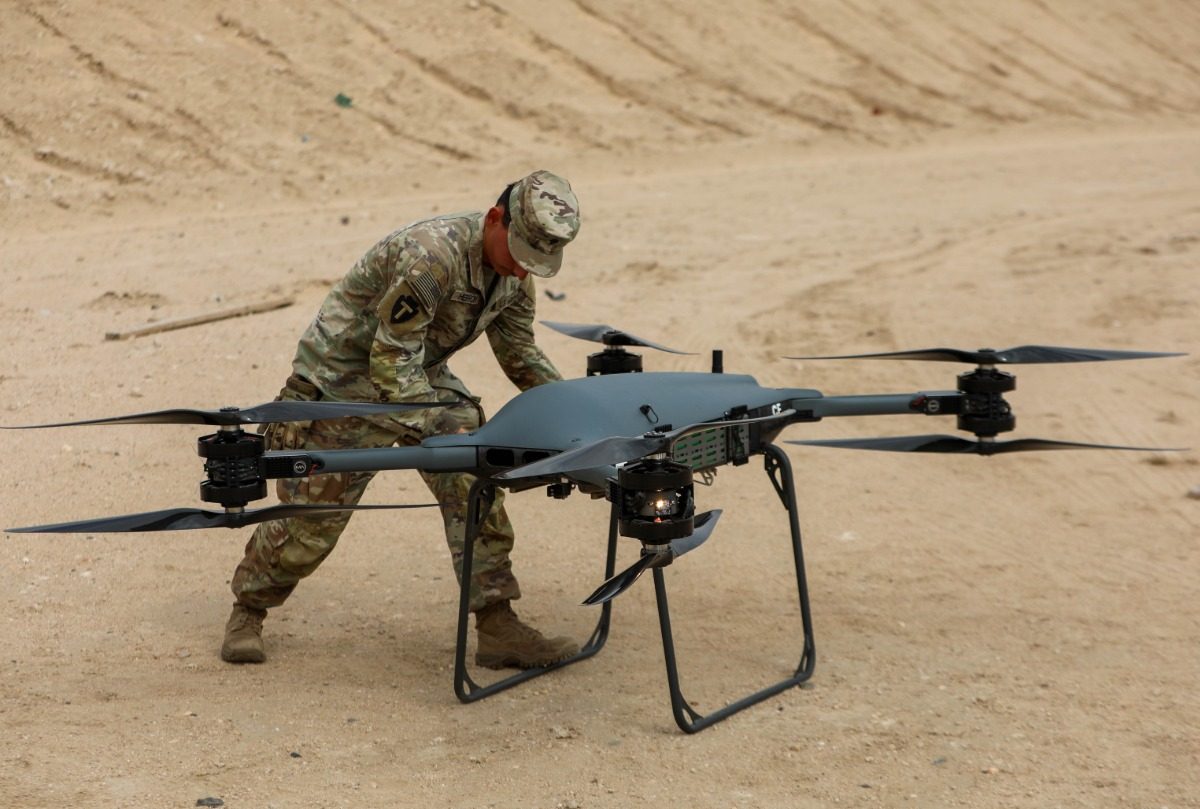
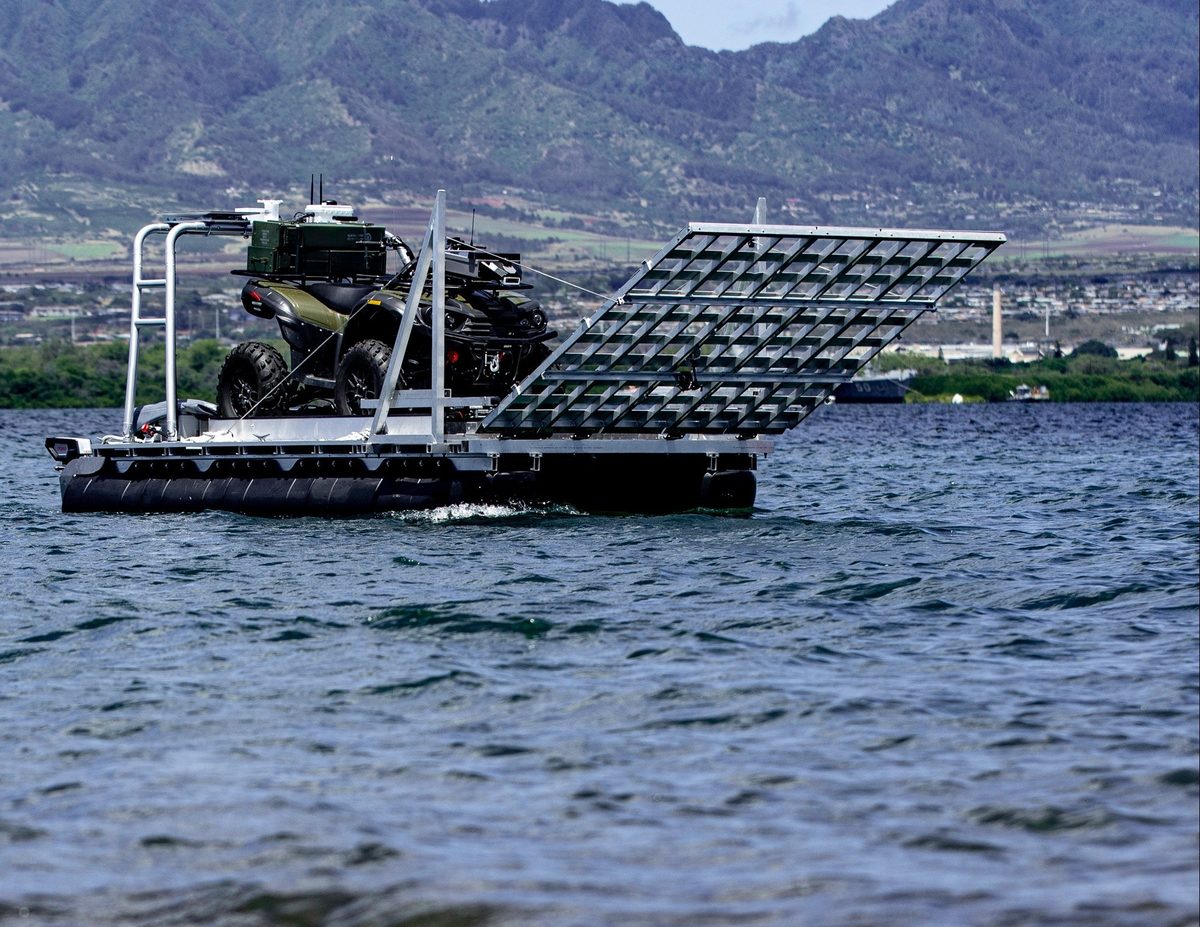
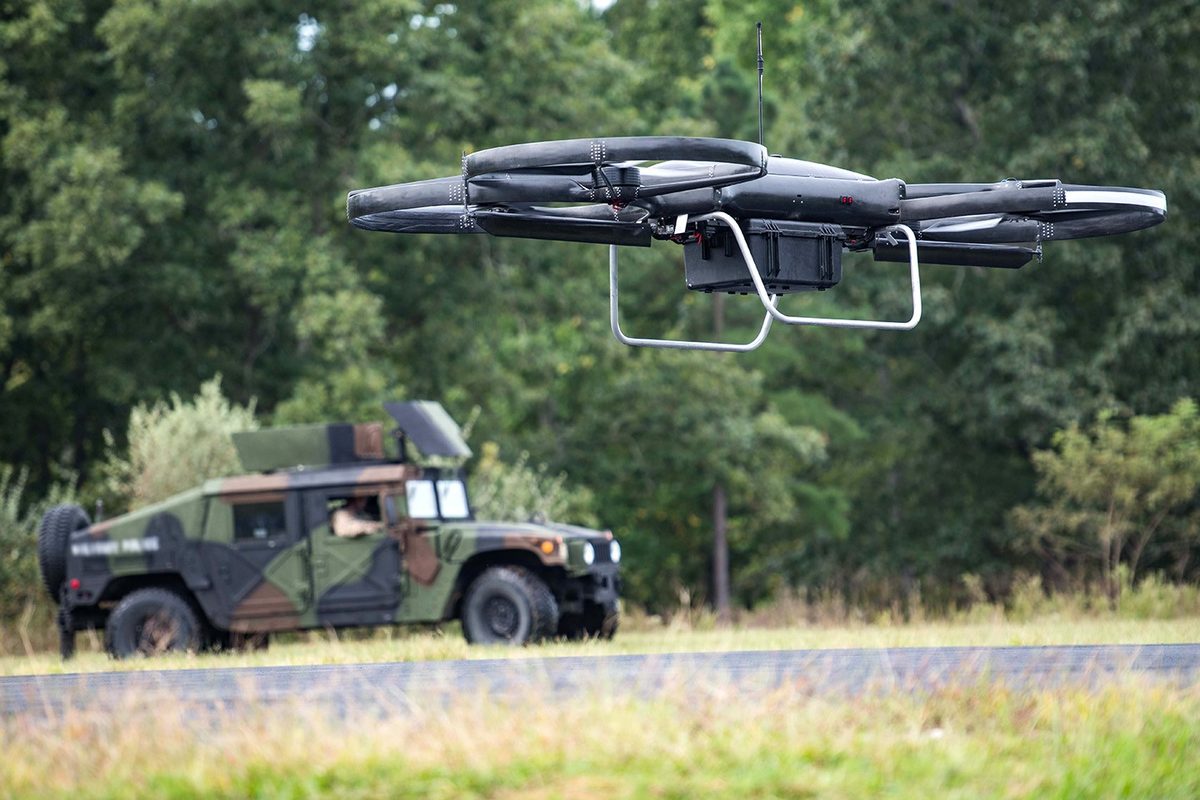
Havoc's software lets one operator command teams of drones across air, sea, and land. The Army wants this for contested logistics: keeping forces supplied when supply lines face enemy fire. The contract follows Havoc's win in the xTech Overwatch competition, where it beat more than 40 vendors.

Why it matters

If autonomous resupply works, the military can sustain forces in contested environments without risking supply convoys, changing how future wars are fought.

Questions about this story

Free account needed to ask — your question is kept and asked for you right after sign-up. Answers are public.

No questions yet — be the first to ask.

Key Indicators

$2.0M
SBIR Phase II contract value
Army awarded Havoc $1,999,992 in January 2026 for Overwatch Control software.
25,000+
Hours of autonomous operations
Havoc's accumulated testing and operations across air, sea, and land domains.
100+
Autonomous vessels built
Havoc has built and deployed more than 100 autonomous vessels.
$85M
Funding round
Havoc closed an $85 million funding round, per Hanwha's announcement.

Voices

Curated perspectives — historical figures and your fellow readers.

Ever wondered what historical figures would say about today's headlines?

Sign up to generate historical perspectives on this story.

People Involved

Organizations Involved

Timeline

2026 October 2026

5 events Latest: Today
Tap a bar to jump to that date
  1. Army Applications Laboratory awards Havoc SBIR Phase III contract

    Today Contract

    Contract funds expansion of multi-domain collaborative autonomy software for military resupply. Value not disclosed.

  2. Havoc and Rune complete autonomous resupply at Pegasus Charge III

    Demonstration

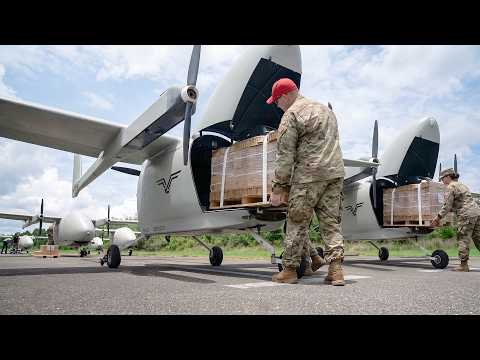
    End-to-end autonomous resupply mission completed at Fort Hood, Texas, integrating Rune's TyrOS with Havoc's aircraft.

  3. Army awards Havoc $2M SBIR Phase II contract

    Contract

    Army awards Havoc $1,999,992 for Overwatch Control, platform-agnostic collaborative autonomy software.

  4. Havoc validates autonomy with allied forces at Balikatan

    Demonstration

    Havoc's collaborative autonomy validated alongside allied forces in the Indo-Pacific exercise.

  5. Havoc demonstrates autonomous systems at RIMPAC 2026

    Demonstration

    Havoc's autonomous surface vessels resupply U.S. and allied vessels in a multinational autonomous logistics operation.

Scenarios

1

Havoc wins production contract for autonomous logistics

Possible Resolves by End of 2027

Discussed by: Defense trade press and federal procurement analysts

The Phase III contract funds continued development and field demonstrations. If the Army's requirements solidify and demonstrations succeed, Havoc could win a larger production contract for autonomous resupply systems. The Army's focus on contested logistics in the Indo-Pacific creates demand for this capability, and Havoc's field-tested software gives it a strong position.

2

Phase III remains a development effort

Possible Resolves by End of 2027

Discussed by: Defense analysts tracking SBIR programs

SBIR Phase III contracts often fund continued development without leading to large production awards. The Army may continue to evaluate Havoc's technology through exercises like Pegasus Charge while budget constraints limit procurement. The Phase III contract value was not disclosed, suggesting it may be modest relative to production programs.

3

Rivals win competing Army autonomy contracts

Likely Resolves by End of 2027

Discussed by: Defense trade press

The Army is likely to diversify its autonomy suppliers. Companies like Anduril, Shield AI, and others compete for similar contracts. If a rival wins a comparable autonomous logistics contract, it would signal that Havoc's position is not exclusive and that the Army is building a competitive supplier base.

Historical Context

2 moments from history that rhyme with this story — and how they unfolded.

December 2011 - 2013

K-MAX unmanned helicopter in Afghanistan (2011-2013)

The Marine Corps deployed the K-MAX unmanned helicopter for cargo resupply in Afghanistan. It flew over 600 missions and delivered more than 4,500 pounds of cargo per day at its peak, proving unmanned cargo delivery could work in combat.

Then

K-MAX completed its first combat resupply mission in December 2011 and flew thousands of hours in Afghanistan.

Now

The program was retired after the Afghanistan drawdown. The technology did not immediately transition to broader military use, showing the gap between demonstration and sustained adoption.

Why this matters now

K-MAX proved autonomous logistics could work in combat, but the capability faded after the conflict. Havoc's work aims to make autonomous resupply a permanent part of Army operations.

2003-2009

Army Future Combat Systems (2003-2009)

The Army's $200 billion Future Combat Systems program included ambitious unmanned ground vehicle plans. It was cancelled in 2009 after cost overruns and technology challenges.

Then

The cancellation set back Army unmanned vehicle programs and shifted focus to more incremental approaches.

Now

The program's failure shaped how the Army approaches autonomy: smaller, faster, and more focused on proven technology.

Why this matters now

Havoc's approach, software-first and platform-agnostic with field-tested demonstrations, reflects the lessons of FCS. The Army is buying proven capability incrementally rather than betting on a massive program.

Sources

(7)