

Pull to refresh
Logo
HawkEye 360 partners with ERA to bring RF-based radar products to European defense

HawkEye 360 partners with ERA to bring RF-based radar products to European defense

New Capabilities

Czech passive surveillance firm becomes processing partner as HawkEye opens Luxembourg hub

Today: ERA becomes HawkEye 360 radar processing partner

Overview

Updated 6 hours ago

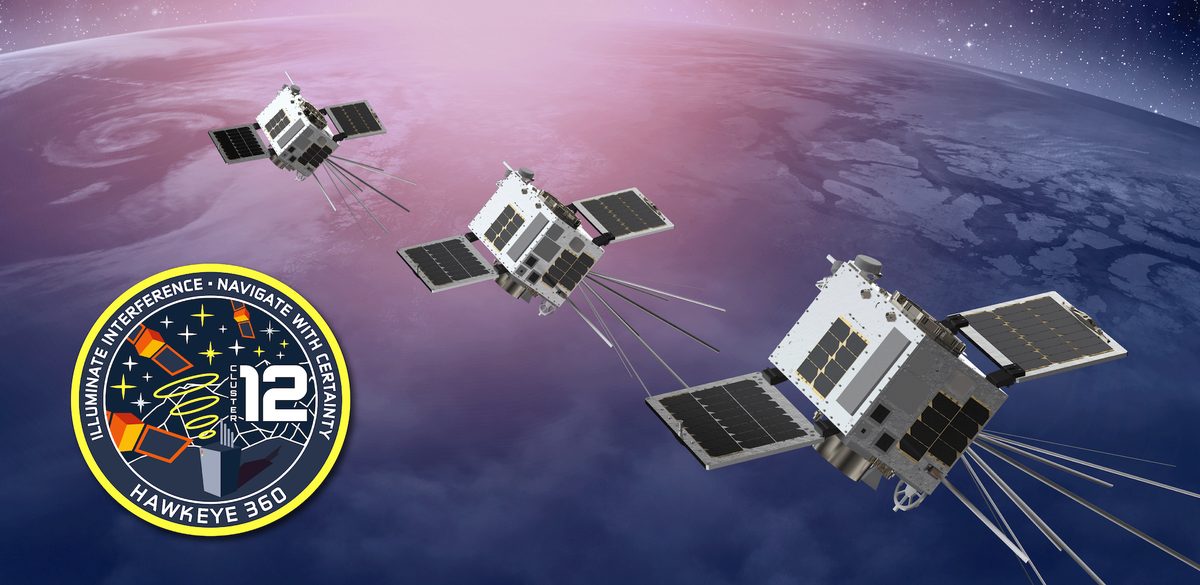
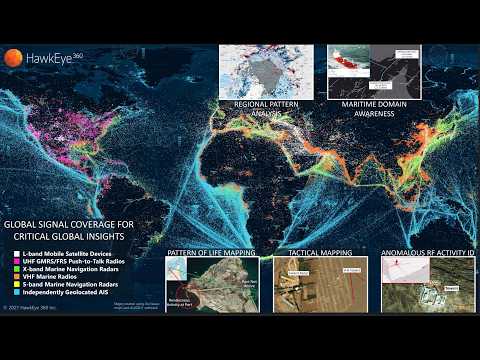
European defense ministries have bought space-based intelligence from American firms for decades. On Sept. 15, HawkEye 360, a U.S. radio frequency (RF) sensing company, moved to shorten that pipeline by naming Czech firm ERA as an international processing partner for automated radar products built from its satellite data.

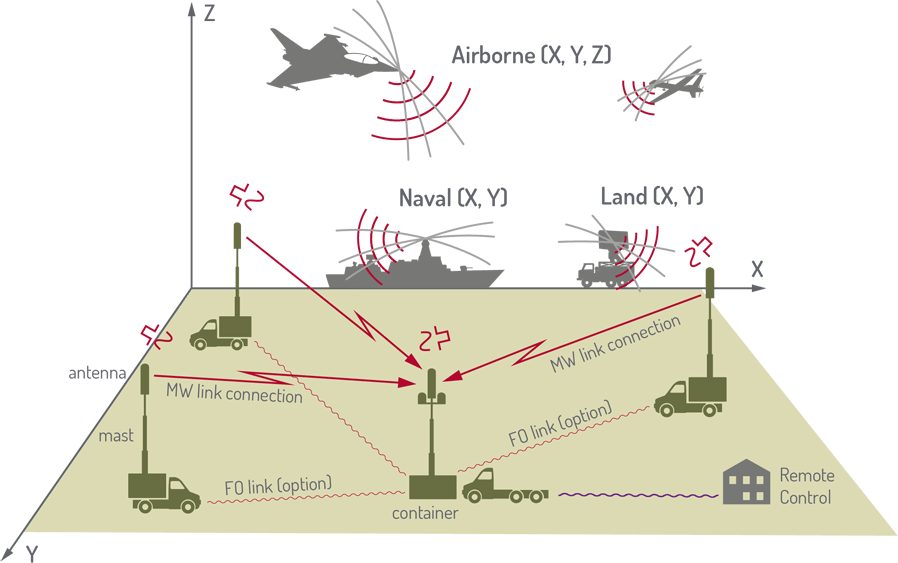
The deal pairs HawkEye's orbital detection with ERA's terrestrial passive surveillance systems, so radar-relevant insights derived from space can flow into ground-based mission workflows. It landed the same day HawkEye opened its first European subsidiary in Luxembourg and struck an RF sensing partnership with Italy's Leonardo — a coordinated push into a region increasing military spending.

Why it matters

If European allies adopt this RF pipeline, radar intelligence reaches field units faster and Europe gains more control over space-based sensing.

Questions about this story

Free account needed to ask — your question is kept and asked for you right after sign-up. Answers are public.

No questions yet — be the first to ask.

Key Indicators

70+
Countries with ERA installations
ERA's passive surveillance systems operate in more than 70 countries.
30+
Years of ERA passive surveillance experience
The Czech firm has over three decades in passive radiolocation technology.
1
First HawkEye 360 European subsidiary
HawkEye 360 Luxembourg, S.à r.l., announced Sept. 15 as the company's EU base.

Voices

Curated perspectives — historical figures and your fellow readers.

Ever wondered what historical figures would say about today's headlines?

Sign up to generate historical perspectives on this story.

People Involved

Organizations Involved

Timeline

3 events Latest: Today
  1. ERA becomes HawkEye 360 radar processing partner

    Today Partnership

    Czech passive surveillance firm ERA will process HawkEye RF data into automated radar products.

  2. HawkEye 360 opens first European subsidiary in Luxembourg

    Today Expansion

    New entity gives the U.S. firm an EU base to pursue sovereign defense contracts.

  3. HawkEye 360 announces RF sensing partnership with Leonardo

    Today Partnership

    Italian defense firm will help deliver radio frequency sensing products to European customers.

Scenarios

1

ERA-HawkEye radar products reach field deployments

Likely Resolves by End of 2027

Discussed by: HawkEye 360 CEO John Serafini and ERA CEO Ondřej Chlost in the Sept. 15 announcement

Both executives said European defense customers are demanding faster RF-derived intelligence. If the integration proceeds smoothly, the first named contracts or operational deployments of automated radar products could land within a year or two, mirroring HawkEye's earlier work with the U.S. government.

2

EU or NATO funds HawkEye's Luxembourg hub for RF sensing

Possible Resolves by Q2 2028

Discussed by: SpaceNews and ietepune.org analyses of European sovereign demand

European governments are raising military spending and seeking home-anchored space capabilities. If HawkEye's Luxembourg entity wins an EU or NATO program, the partnership moves beyond individual sales into institutional procurement, cementing its place in Europe's defense industrial base.

3

European-native competitors win the RF sensing race

Possible Resolves by Jan 15, 2028

Discussed by: Analysis in ietepune.org noting possible market bifurcation

European governments could favor homegrown or regionally partnered RF sensing providers to keep capabilities in-country. If a European-native competitor wins a comparable program before the ERA-HawkEye combination lands its first joint production contract, the partnership loses its first-mover edge in the region.

Historical Context

2 moments from history that rhyme with this story — and how they unfolded.

1999–2016

Galileo navigation program (1999–2016)

After NATO's 1999 bombing campaign in Kosovo exposed Europe's dependence on U.S. GPS, European governments pushed for an independent satellite navigation system. The EU and European Space Agency funded Galileo, launching operational satellites in 2011 and full services in 2016 with national control over hosted signals.

Then

Europe gained a sovereign navigation capability, ending total reliance on the U.S. system for positioning, navigation, and timing.

Now

Galileo became the template for Europe building independent space infrastructure through contracts spread across member states.

Why this matters now

Like Galileo, HawkEye 360's European push answers demand for sovereign sensing — here radio frequency intelligence rather than navigation signals.

2016–2023

Maxar Technologies commercial imaging for government (2016–2023)

DigitalGlobe, later Maxar, scaled commercial satellite imagery into classified and unclassified defense contracts, signing large government deals for WorldView constellation imagery. The U.S. and allied militaries made commercial imaging a routine intelligence layer.

Then

Commercial space sensing became an accepted, contracted component of defense intelligence budgets.

Now

The model — commercial operators selling operational intelligence to sovereign customers — is the template HawkEye 360 now follows with RF data.

Why this matters now

Shows how a commercial space data provider expands into defense by making its products operationally useful to national customers.

Sources

(8)