
Pull to refresh
Logo
El Salvador sends troops to Haiti to find kidnapped soldiers and fight gangs

El Salvador sends troops to Haiti to find kidnapped soldiers and fight gangs

Force in Play

Bukele's anti-gang campaign goes abroad as Haiti postpones elections again

Overview

Updated 1 hour ago

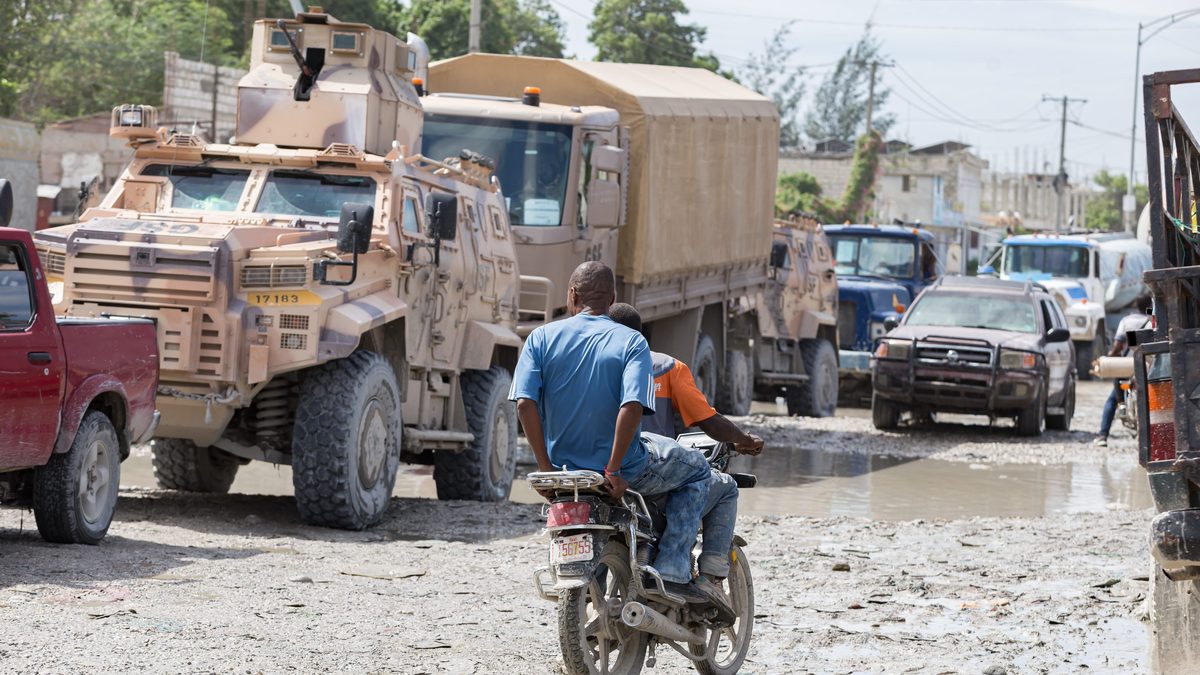
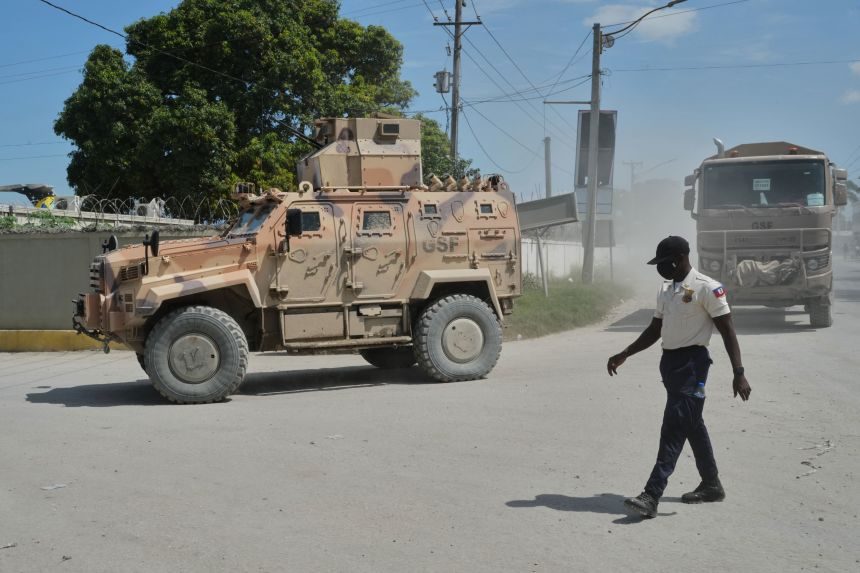
On October 18, gunmen attacked an armored vehicle carrying four Salvadoran air force technicians near Port-au-Prince. The four, who worked with a UN-backed anti-gang force, fled the burning vehicle and were taken hostage.

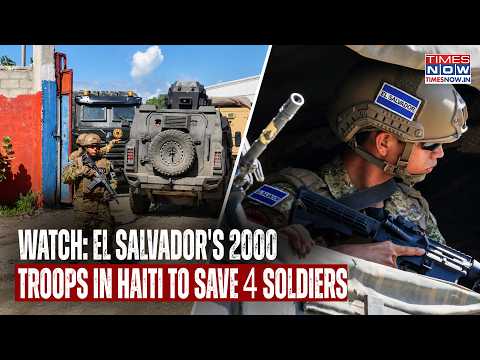
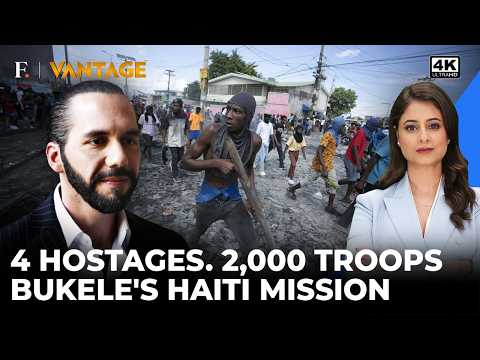
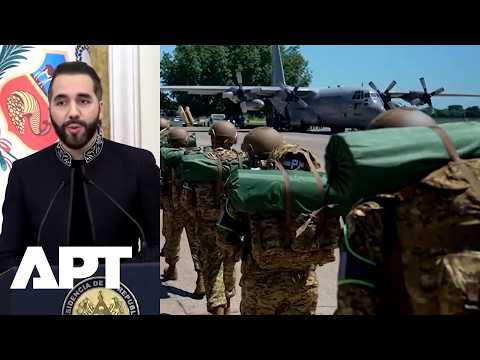
On October 29, El Salvador said more than 2,000 of its soldiers were in Haiti to find them. That is roughly the size the UN-backed mission struggled to field in over a year. It is the first major test of President Nayib Bukele's anti-gang playbook outside El Salvador.

Why it matters

Bukele's mass-detention model is now being tried in a country with weaker institutions, and Haiti's delayed elections hinge on whether it restores order.

Questions about this story

Free account needed to ask — your question is kept and asked for you right after sign-up. Answers are public.

No questions yet — be the first to ask.

Key Indicators

2,000+
Salvadoran troops sent to Haiti
Roughly matching what the UN-backed mission deployed in more than a year.
2,500
Reported cap on the deployment
Two sources told Reuters the force would be capped there for now.
4
Salvadoran technicians held hostage
Aviation technicians ambushed in Croix-des-Bouquets on October 18.
5,700+
Killed in Haiti gang violence in 2026
UN figure for gang-related deaths this year.
86%
Salvadorans approving the Haiti mission
CID Gallup poll; 82% also expressed concern for the missing.

Voices

Curated perspectives — historical figures and your fellow readers.

Sign up to generate historical perspectives on this story.

People Involved

Organizations Involved

Timeline

September 2026 October 2026

6 events Latest: 2 days ago
Tap a bar to jump to that date
  1. More than 2,000 Salvadoran soldiers reported in Haiti

    Latest Deployment

    Bukele said the deployment was nearly finished and El Salvador was covering 90% of its cost.

  2. El Salvador announces the troop deployment; Haiti postpones elections

    Deployment

    The foreign ministry said more than 2,000 soldiers would go; the electoral council pushed back voting.

  3. Bukele announces a rescue operation

    Statement

    On X, he said gang members were holding the technicians and launched a military operation.

  4. Gunmen ambush Salvadoran technicians near Port-au-Prince

    Kidnapping

    Attackers hit their armored vehicle with explosives in Croix-des-Bouquets; the four fled and were taken.

  5. Haiti hands over four bodies; Bukele says they do not match

    Diplomacy

    Bukele said one corpse was a child's and another wore a different country's uniform.

  6. UN renews the Gang Suppression Force for six months

    Diplomacy

    The Security Council extended the UN-backed mission's mandate as gangs kept expanding.

Scenarios

1

Four technicians recovered and Salvadoran troops come home

Possible Resolves by Jan 31, 2027

Discussed by: El Salvador's government and Reuters, which reported the mission was framed as a rescue

Troops find the technicians, alive or through confirmed remains, and El Salvador begins pulling forces out within weeks. The mission stays bounded and Bukele claims a clean result, reinforcing his regional anti-gang brand.

2

Deployment expands into a long-term anti-gang mission

Possible Resolves by Q2 2027

Discussed by: Reuters and security analysts who noted the force size matches a year of UN deployment

The rescue stalls or the mission broadens. Salvadoran troops stay past the initial cap and take part in combat operations, possibly under a UN mandate. Analysts warn this faces a weaker institutional setting than El Salvador's own crackdown did.

3

Civilian toll forces limits or a withdrawal

Unlikely Resolves by Q1 2027

Discussed by: Security experts cited by Reuters, who flagged unclear rules of engagement

Residents reportedly face heavy gunfire, drone strikes and possible civilian deaths. If monitors document civilian harm, El Salvador faces pressure to publish rules of engagement, cap the mission or withdraw, and the operation becomes a cautionary case for exporting the model.

Historical Context

2 moments from history that rhyme with this story — and how they unfolded.

2004-2017

UN Stabilization Mission in Haiti (2004-2017)

A Brazil-led UN force of roughly 13,000 at its peak deployed to Haiti after President Jean-Bertrand Aristide was ousted. It stayed 13 years and spent billions. In 2010, Nepalese peacekeepers introduced cholera, which killed thousands.

Then

Gangs were pushed back in some areas but regrouped as the mission wound down.

Now

The mission left a legacy of disease and distrust, and Haiti's gangs grew stronger after its exit.

Why this matters now

It is the clearest precedent for what a large foreign force can and cannot do against Haitian gangs, and why residents are skeptical of another intervention.

March 2022 onward

El Salvador's state of exception (2022)

After 87 homicides in a March weekend, Bukele suspended constitutional rights and launched mass arrests. Tens of thousands were detained, and homicide counts fell sharply.

Then

Violence dropped and Bukele's approval rose to among the highest of any leader in the region.

Now

Rights groups documented wrongful detentions and deaths in custody. Other governments studied the model.

Why this matters now

This is the playbook Bukele is now trying to apply in Haiti, where institutions, prisons and courts are far weaker.

Sources

(6)