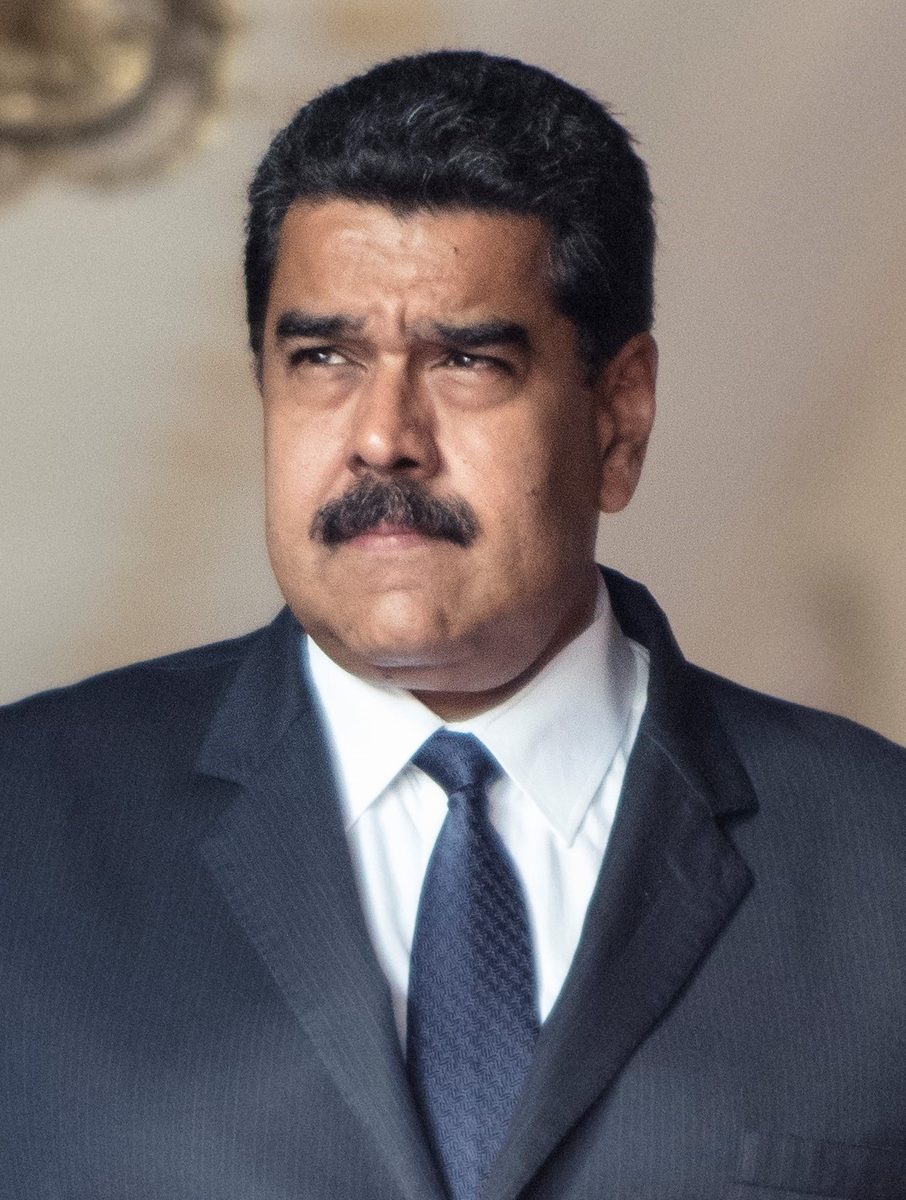
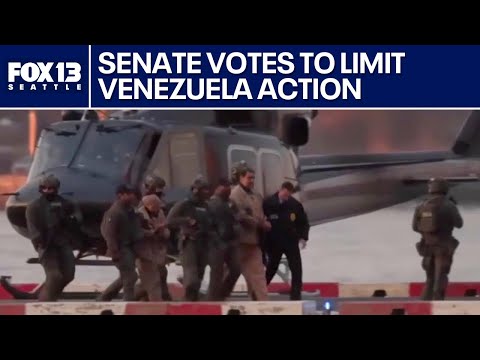
Congress hasn't declared war since 1942, though presidents have ordered 212 military strikes without formal declarations. On January 3, 2026, U.S. special forces raided Venezuela, captured President Nicolás Maduro in his residence, and flew him to New York to face narcoterrorism charges.
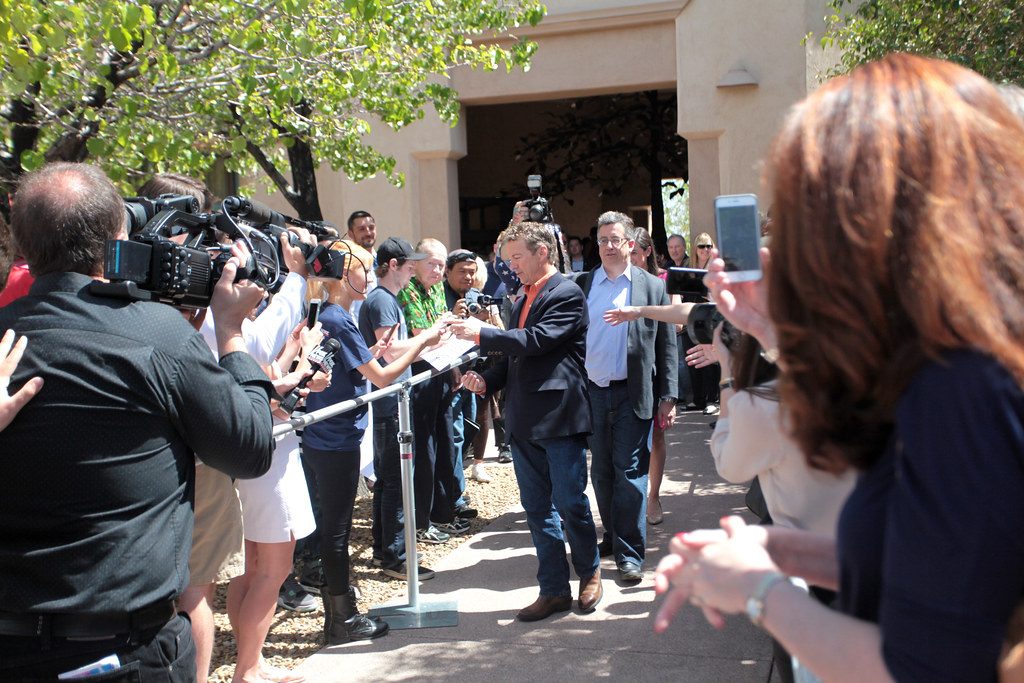
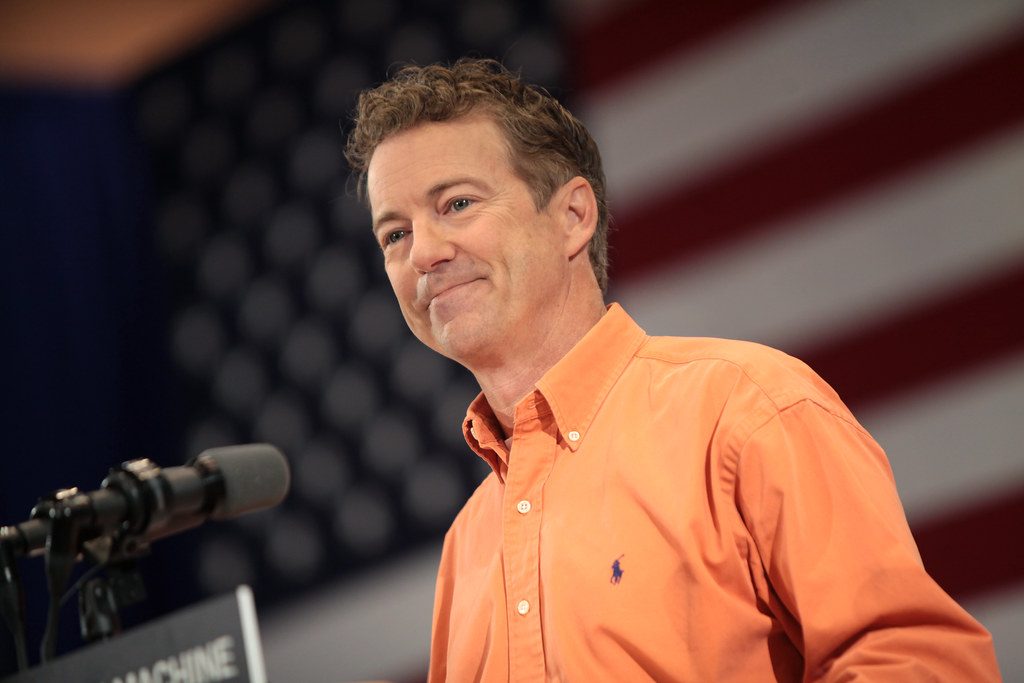
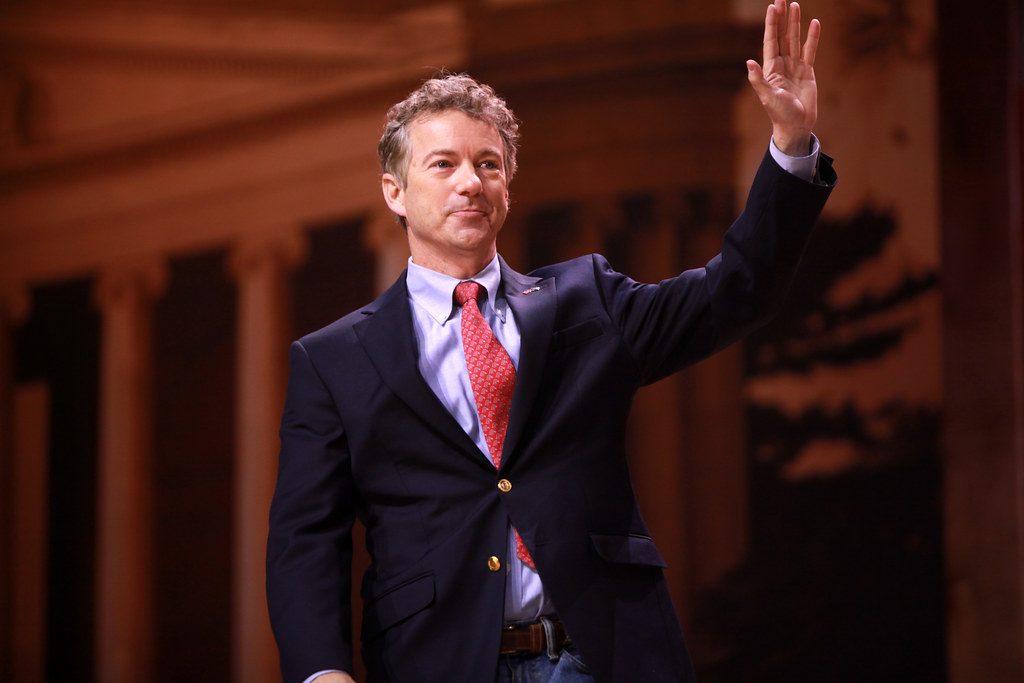
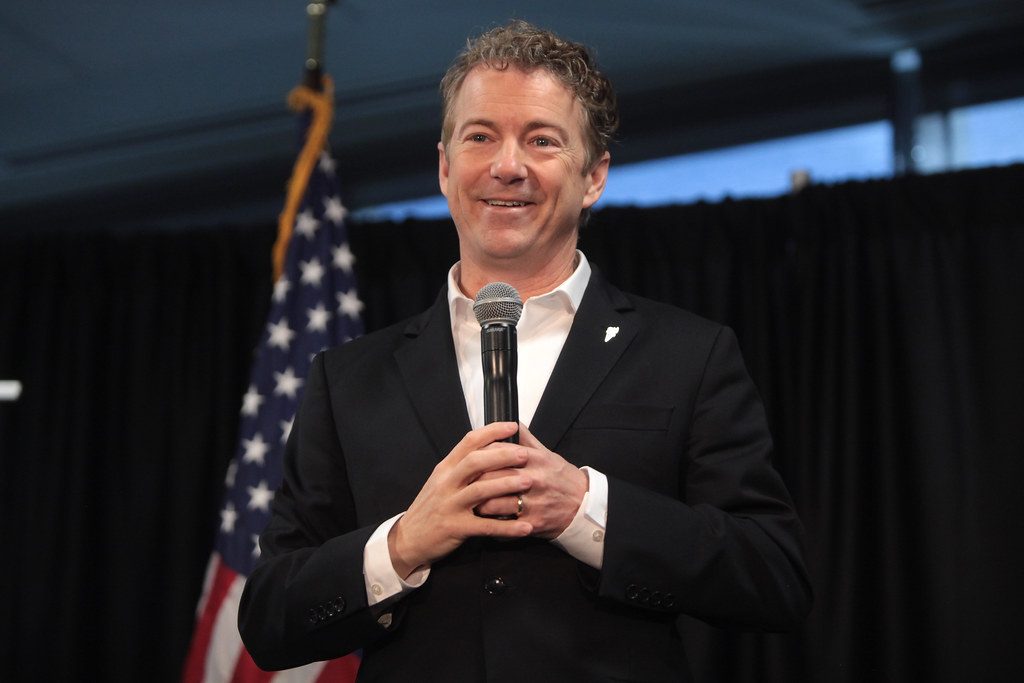
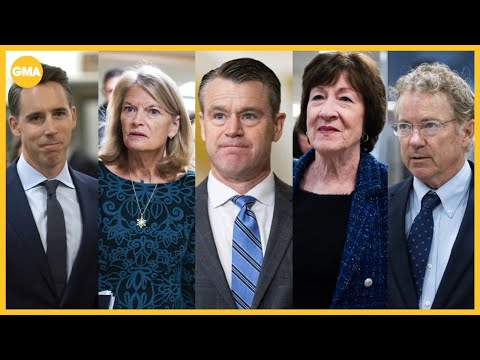
Eleven days later, Vice President JD Vance cast the deciding vote to kill a Senate resolution that would have required congressional authorization for further military action. Three Republican senators held firm against the White House; two others folded after personal calls from Trump and a letter from Secretary of State Marco Rubio promising no ground troops. The vote established that the executive can conduct regime-change operations without prior congressional approval.
The administration has abandoned regime change entirely and now supports Acting President Delcy Rodríguez, who has military backing, secured an amnesty law for political prisoners advancing through parliament, and opened the oil sector to foreign investment. Maduro's defense team filed motions on February 4 questioning federal jurisdiction, while the International Court of Justice and UN have characterized the operation as violating international law. Whether the raid that killed over 100 people will produce a stable oil partner for Trump or trigger international legal constraints on future interventions remains unclear.
Questions about this story
Free account needed to ask — your question is kept and asked for you right after sign-up. Answers are public.
No questions yet — be the first to ask.
Key Indicators
50-50
Senate tie broken by Vance
First vice presidential tie-breaker on a war powers resolution since the 1973 law's passage
2
GOP senators who flipped
Hawley and Young reversed positions after White House pressure campaign
100+
Killed in Caracas raid
Venezuelan officials report over 100 dead including 32 Cubans; Pentagon confirms 7 U.S. troops injured
3
International legal challenges
ICJ, UN bodies, and Amnesty International issued statements on UN Charter violations; Maduro's defense filed jurisdiction motions
Images from Openverse under Creative Commons licenses.
Videos from YouTube.
Voices
Curated perspectives — historical figures and your fellow readers.
Eleanor Roosevelt
(1884-1962) ·Progressive Era · politics
Fictional AI pastiche — not real quote.
"The Constitution grants Congress alone the power to declare war not as a procedural formality, but as a profound check against the concentration of power in a single person's judgment. When we permit military action to answer only to electoral politics rather than constitutional process, we trade the considered conscience of a democratic republic for the expedient calculations of whoever happens to hold office—and no oil contract, however favorable, can restore what we have surrendered."
0% found this insightful
Ever wondered what historical figures would say about today's headlines?
Sign up to generate historical perspectives on this story.
32 events
Latest: February 5th, 2026 · 8 months ago
Showing 8 of 32
JK to step
Tap a bar to jump to that date
Jump to
February 2026
National Assembly Approves Amnesty Law Draft in First Reading
LatestPolitical
Venezuela's National Assembly unanimously approved in first reading the draft Amnesty Law for Democratic Coexistence, proposed by Acting President Delcy Rodríguez, aimed at national reconciliation and potential release of political prisoners detained since 1999. The 29-article law excludes serious crimes like homicide, drug trafficking, and human rights violations; second reading pending.
Maduro Defense Files Jurisdiction Challenge
Legal
Maduro's legal team files motion arguing federal court lacks jurisdiction over extraordinary rendition case, citing violation of international law and due process. Motion challenges legality of his capture and transport to U.S.
International Court of Justice Issues Statement on Venezuela Operation
Legal
ICJ issues statement characterizing January 3 operation as potential violation of UN Charter Article 2(4) prohibiting use of force against territorial integrity. Statement notes case could be brought before court if Venezuela files complaint.
Senate Democrats Demand Oversight Hearings on War Powers
Congressional
Senate Minority Leader Chuck Schumer and 12 Democratic senators send letter to Senate Judiciary Committee demanding hearings on executive authority to conduct military operations without congressional authorization, citing Venezuela precedent.
UN Human Rights Council Condemns Operation as Unlawful
Legal
UN Human Rights Council issues statement condemning U.S. military operation as violation of international law and expressing concern about civilian casualties and due process violations.
Trump Welcomes China, India Investment in Venezuela Oil
Economic
Trump says he welcomes Chinese and Indian investment in Venezuela's oil sector, expanding beyond U.S. companies. Announces India is negotiating oil purchase deals as alternative to Iranian crude.
January 2026
U.S. Envoy Laura Dogu Arrives in Caracas
Diplomacy
New U.S. charge d'affaires Laura Dogu arrives in Caracas to reopen American diplomatic mission after seven years. Venezuela's foreign minister says arrival is part of joint schedule to 'resolve existing differences through diplomatic dialogue.'
Rodríguez Signs Oil Reform; U.S. Eases Sanctions
Economic
Acting President Rodríguez signs law opening Venezuela's nationalized oil sector to private firms and capping government royalties at 30%. Trump administration simultaneously issues general license allowing oil companies to operate in Venezuela, expanding export, sale, storage and refining activities.
Rodríguez Announces Amnesty Law for Political Prisoners
Political
Acting President Rodríguez announces general amnesty bill covering political violence from 1999 to present, potentially releasing 711 political prisoners. Also announces closure of notorious El Helicoide detention center. Law excludes those convicted of murder, drug trafficking, corruption, or human rights violations.
Military and Police Pledge Loyalty to Rodríguez
Political
Venezuela's military and police pledge loyalty to Acting President Rodríguez at ceremony at Fuerte Tiuna military complex. Defense Minister Vladimir Padrino declares 'absolute loyalty and subordination' and presents her with ceremonial sword and baton of Simón Bolívar.
Rubio Testifies No Further Military Action Expected
Congressional
Secretary of State Marco Rubio testifies before Senate Foreign Relations Committee for nearly three hours, stating the U.S. is 'not postured to nor do we intend or expect to have to take any military action in Venezuela at any time.' Committee Chairman Jim Risch discloses the raid involved approximately 200 troops and lasted under 27 minutes with no American casualties.
Maduro's Son Rules Out Elections
Political
Venezuelan congressman Nicolás Maduro Guerra, son of the captured president, declares that elections in Venezuela are 'not on the table,' calling his father's capture a 'kidnapping.'
Rodríguez Rejects U.S. 'Orders'
Diplomacy
Acting President Rodríguez tells oil workers in Puerto La Cruz: 'Enough already of Washington's orders over politicians in Venezuela,' marking first public pushback against Trump administration despite earlier cooperation.
Sixth Venezuelan Tanker Seized
Military
U.S. forces seize the Veronica, the sixth sanctioned oil tanker and fourth vessel seized since Maduro's capture, as part of ongoing naval blockade of Venezuelan oil shipments.
Video of Machado's Escape Released
Political
Rescue team releases footage showing María Corina Machado's dramatic October 2025 escape from Venezuela in disguise, providing first visual documentation of the operation.
CIA Director Ratcliffe Meets Rodríguez in Caracas
Diplomacy
CIA Director John Ratcliffe meets with Acting President Rodríguez for two hours in Caracas at Trump's direction, becoming first Cabinet-level official to visit Venezuela since Maduro's capture. Discussion covers intelligence cooperation, economic stability, and ensuring Venezuela is no longer safe haven for narcotraffickers.
Vance Breaks Tie, Resolution Defeated
Congressional
After Hawley and Young reverse positions, Vice President Vance casts deciding vote to kill war powers resolution. Collins, Murkowski, and Paul maintain opposition to administration.
Machado Meets Trump, Gives Nobel Prize
Diplomacy
María Corina Machado meets President Trump at White House and leaves her 2025 Nobel Peace Prize medal in his possession. Trump declines to endorse her as Venezuela's leader, saying she 'doesn't have the support within or the respect within the country.'
Rubio Sends Assurance Letter to Senate
Diplomacy
Secretary of State Rubio sends letter to Senate Foreign Relations chairman stating no U.S. troops are in Venezuela and promising congressional consultation before major operations.
Machado Meets Pope Leo XIV
Diplomacy
Opposition leader María Corina Machado holds unscheduled meeting with Pope Leo XIV at the Vatican to discuss Venezuela's political future.
Senate Advances War Powers Resolution
Congressional
Resolution passes 52-47 with five Republicans—Hawley, Young, Collins, Murkowski, and Paul—voting with Democrats. Trump attacks all five on social media, calling them 'real losers.'
Rodríguez Releases Political Prisoners
Diplomacy
Acting President Rodríguez releases nine foreign and Venezuelan political prisoners. Trump cancels planned second wave of strikes.
Maduro Enters Not Guilty Plea, Next Hearing Set
Legal
Maduro and Flores plead not guilty to narcoterrorism and weapons charges before Judge Alvin Hellerstein in Manhattan. Next court hearing scheduled for March 17, 2026 at 11 a.m. Maduro identifies himself as 'president of Venezuela' and 'prisoner of war' during proceedings.
Maduro Arraigned; Rodríguez Sworn In
Legal
Maduro and Flores plead not guilty in Manhattan federal court. Venezuela's Vice President Delcy Rodríguez sworn in as acting president by the National Assembly.
Kaine and Paul File War Powers Resolution
Congressional
Senators Tim Kaine and Rand Paul introduce resolution to block U.S. military action in Venezuela without congressional authorization.
Operation Absolute Resolve Begins
Military
Over 200 U.S. special forces strike Caracas. Delta Force operators capture Maduro and his wife Cilia Flores at Fuerte Tiuna military complex in 30-minute ground operation. Over 100 killed including 32 Cubans; 7 U.S. troops injured.
Maduro Rejects Final Ultimatum
Diplomacy
Trump calls Maduro directly, offering him exile in Turkey. Maduro refuses. Trump announces U.S. military will conduct strikes inside Venezuela.
December 2025
Trump Approves Caracas Raid
Executive Action
Trump gives final approval for Operation Absolute Resolve. Troops had been training with a model of Maduro's compound for months.
October 2025
Trump Declares 'Armed Conflict' with Cartels
Executive Action
Trump issues memo declaring drug cartels unlawful combatants and announces CIA authorization for covert operations inside Venezuela.
September 2025
SOUTHCOM Begins Caribbean Strikes
Military
U.S. Southern Command conducts strikes on vessels in the Caribbean Sea, alleging some are trafficking drugs on behalf of Venezuela.
August 2025
Trump Signs Secret Military Directive
Executive Action
Trump authorizes Pentagon to use military force against Latin American drug cartels and doubles Maduro bounty to $50 million. CIA deploys small unit to Venezuela for intelligence gathering.
March 2020
Maduro Indicted on Narcoterrorism Charges
Legal
U.S. Department of Justice unseals indictment charging Maduro with leading the 'Cartel of the Suns' to traffic cocaine. State Department offers $15 million reward for his arrest.
Scenarios
1
Rodríguez Consolidates Power, Cuts Deal with Washington
Likely
Discussed by: International Crisis Group, Council on Foreign Relations analysts
Acting President Rodríguez continues releasing prisoners and making conciliatory gestures to avoid further U.S. strikes. The Trump administration, preferring stability over democratic transition, accepts a Chavista government without Maduro. No free elections occur; Venezuela remains authoritarian but cooperative on U.S. priorities. Opposition leader Machado remains sidelined abroad.
2
Democratic Transition After Supervised Elections
Unlikely
Discussed by: Venezuelan opposition, some Latin America analysts at Stanford FSI
International pressure and U.S. leverage force Rodríguez to accept monitored elections. Opposition unifies behind Machado or Edmundo González. A reformist government takes power, opens Venezuela to investment, and begins prosecuting former regime officials. This requires the military to accept civilian oversight—historically unlikely without sustained external pressure.
3
Prolonged Instability and U.S. Entanglement
Possible
Discussed by: Brookings Institution, Foreign Affairs, historical comparisons to Iraq
Maduro's removal weakens Chavismo but doesn't eliminate its networks in the military, bureaucracy, and barrios. The opposition remains divided. Venezuela lurches into factional conflict while the U.S. maintains a naval blockade and periodic strikes. A drawn-out engagement drains resources and attention heading into the 2026 midterms.
Maduro's narcoterrorism trial proceeds in Manhattan. Prosecutors present evidence of cocaine trafficking and money laundering. A conviction sends a message to other authoritarian leaders that U.S. indictments carry real consequences—but also raises questions about whether military abduction is a legitimate law enforcement tool.
5
Federal Court Dismisses Case on Jurisdiction Grounds
Unlikely
Discussed by: Constitutional law scholars at Yale, Harvard; defense attorneys; international law experts
Judge Hellerstein grants Maduro's motion to dismiss on grounds that extraordinary rendition violates international law and due process, creating precedent that U.S. courts cannot exercise jurisdiction over defendants seized through unlawful military operations. This would force Trump administration to either release Maduro or face international legal isolation.
Historical Context
3 moments from history that rhyme with this story — and how they unfolded.
1 of 3
December 1989 - January 1990
Panama Invasion and Noriega Capture (1989)
President George H.W. Bush ordered 27,000 troops to invade Panama and capture Manuel Noriega, who had been indicted on drug trafficking charges in 1988. Operation Just Cause killed 23 U.S. soldiers and between 200 and 4,000 Panamanians. Noriega surrendered after sheltering in the Vatican embassy for 10 days.
Then
Noriega was brought to Miami, tried, and convicted on drug charges in 1992. He spent 17 years in U.S. prison before extradition to France, then Panama.
Now
Panama transitioned to democracy and has remained stable. The invasion established precedent for using military force to enforce U.S. criminal indictments against foreign leaders.
Why this matters now
The Venezuela operation explicitly echoes Panama: a drug indictment as legal justification, regime decapitation as strategy, no prior congressional authorization. Both Bush and Trump notified Congress after operations were underway.
2 of 3
March - October 2011
Libya Intervention and War Powers Controversy (2011)
President Obama ordered U.S. forces to join NATO airstrikes in Libya without congressional authorization. When the 60-day War Powers Resolution deadline passed in May 2011, the administration argued the operation didn't constitute 'hostilities' requiring authorization because there were no ground troops and low risk to U.S. personnel.
Then
The House voted to rebuke Obama but took no further action. Muammar Gaddafi was killed by rebels in October 2011.
Now
Libya collapsed into civil war lasting over a decade. The administration's creative interpretation of 'hostilities' expanded executive war-making authority.
Why this matters now
The Libya precedent—that air operations and regime change don't require congressional authorization if casualties are low—underlies the Trump administration's legal position on Venezuela.
3 of 3
March - June 1999
Kosovo Bombing Campaign (1999)
President Clinton ordered a 78-day NATO bombing campaign against Serbia without congressional authorization. The operation continued past the 60-day War Powers deadline. The Clinton legal team argued that congressional funding for the operation constituted implicit authorization.
Then
Serbian forces withdrew from Kosovo, which came under UN administration. No U.S. ground troops were deployed.
Now
The funding-as-authorization theory remained controversial but was never judicially tested. Kosovo declared independence in 2008.
Why this matters now
Kosovo established that extended bombing campaigns can proceed without explicit congressional authorization, particularly when Congress funds the operation. The Venezuela blockade and potential continued strikes may follow this pattern.