
1956
Project Poltergeist (1956)
Wolfgang Pauli had proposed neutrinos in 1930 to explain missing energy in radioactive decay, but he doubted they could be detected. Clyde Cowan and Frederick Reines built a detector near a nuclear reactor and caught neutrinos from the reactor's decay products.
Then
The result proved neutrinos were real and detectable.
Now
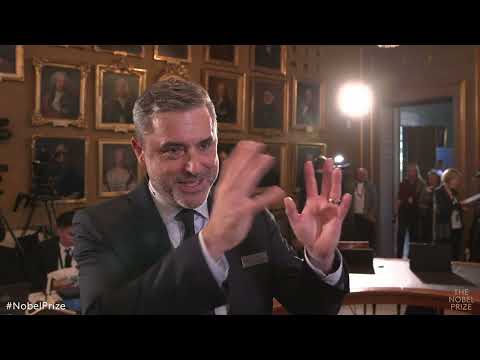
It launched experimental neutrino physics. Reines won the 1995 Nobel Prize in Physics for the work.
Why this matters now
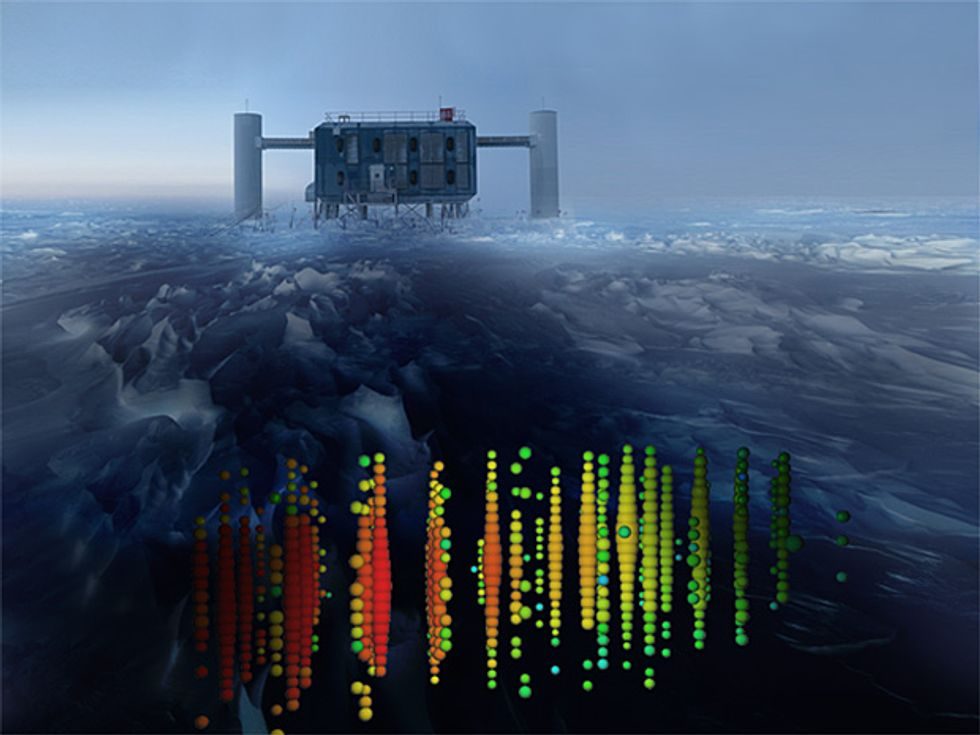
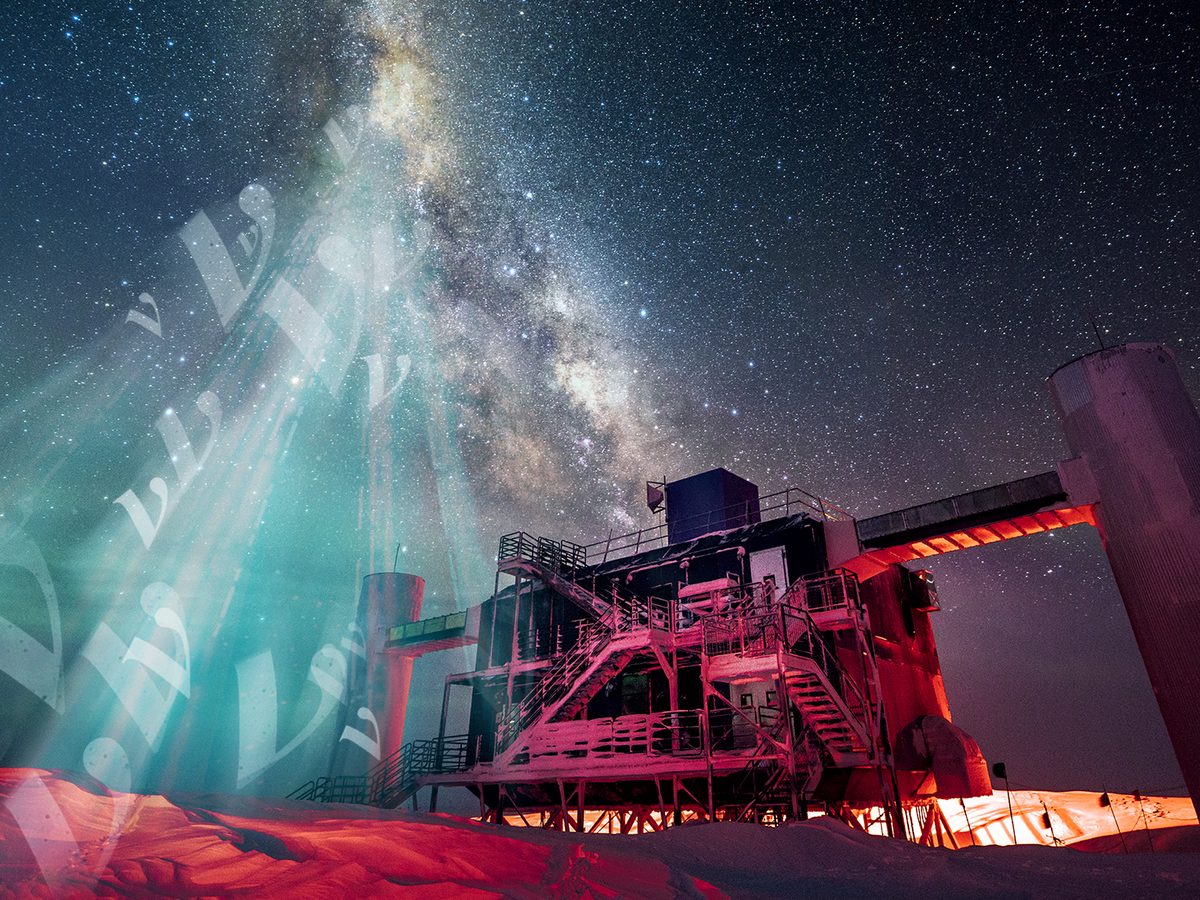
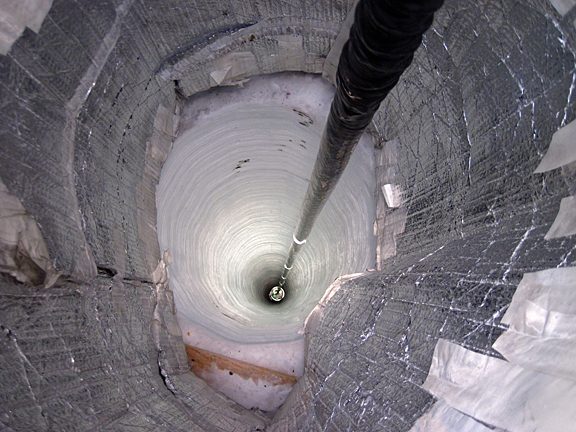
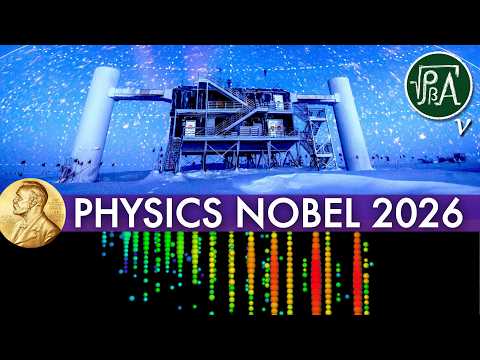
IceCube uses the same basic idea, a neutrino interacting in a large volume of matter, at a vastly larger scale.