
Pull to refresh
Logo
Francis Halzen wins 2026 Nobel Prize in Physics for IceCube neutrino discoveries

Francis Halzen wins 2026 Nobel Prize in Physics for IceCube neutrino discoveries

New Capabilities

Prize honors the South Pole telescope that found high-energy neutrinos from beyond our galaxy

2 days ago: Halzen awarded Nobel Prize in Physics

Overview

Updated 55 minutes ago

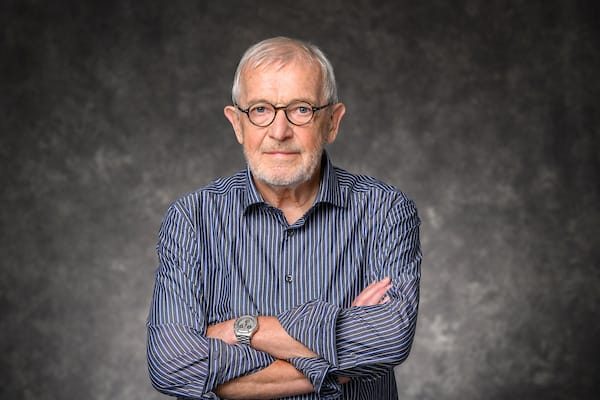
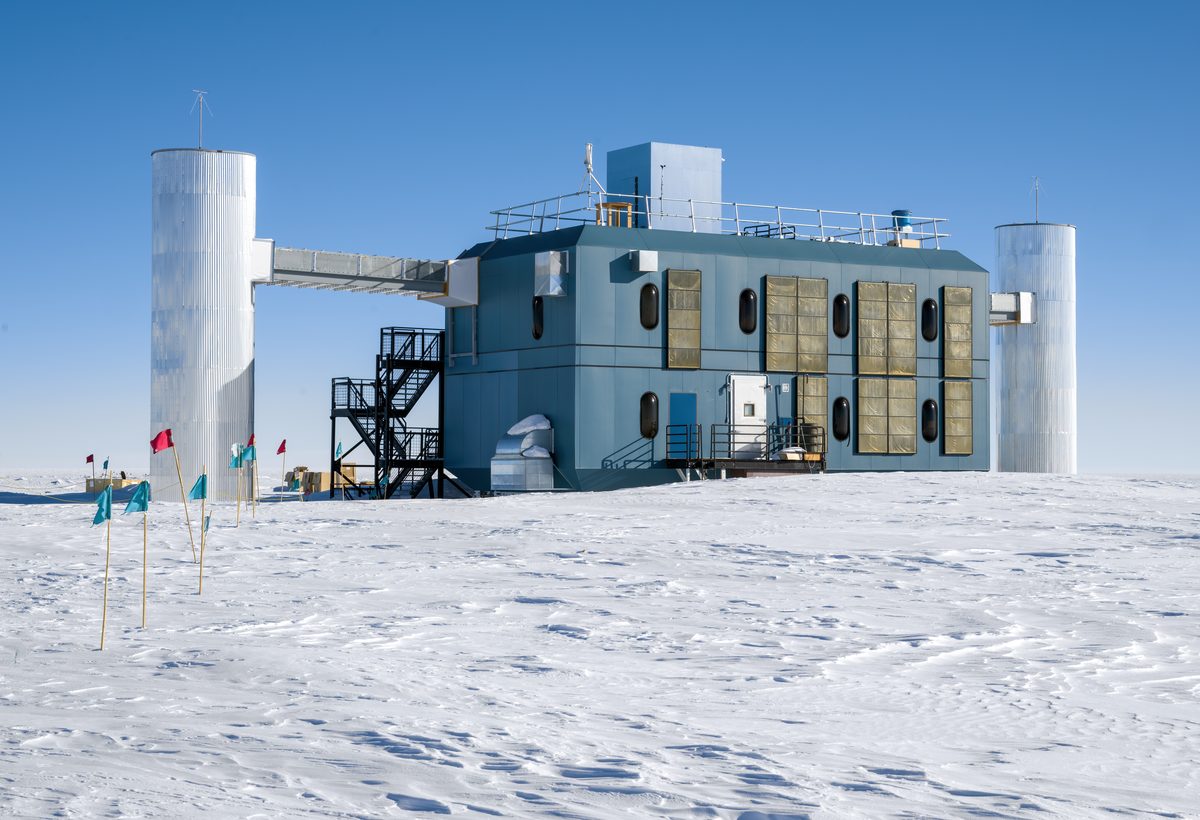
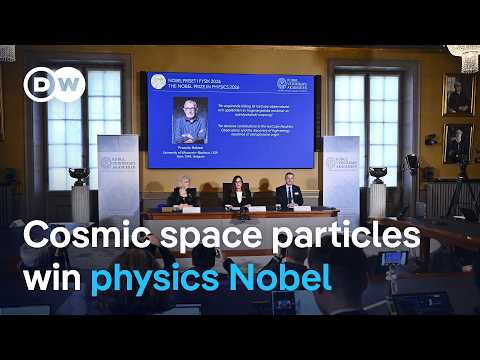
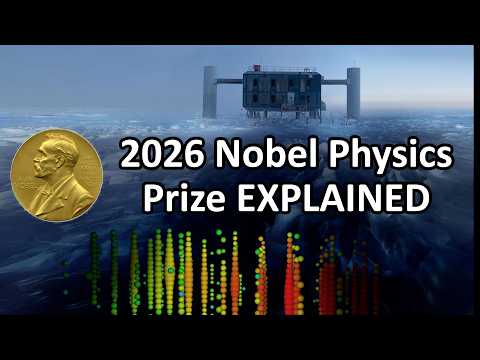
The 2026 Nobel Prize in Physics went to Francis Halzen for building a telescope out of a cubic kilometer of Antarctic ice. The telescope, called IceCube, caught high-energy neutrinos from beyond our galaxy — the first cosmic messengers that are not light.

Halzen proposed in 1988 that clear South Pole ice could catch neutrinos, ghost-like particles that pass through almost everything. The detector came online in 2011 and registered its first cosmic neutrinos in 2013. Most of those neutrinos have no identified source; finding those sources is now the field's central task.

Why it matters

IceCube's neutrinos carry information about black holes and other violent cosmic events that no light-based telescope can reveal.

Questions about this story

Free account needed to ask — your question is kept and asked for you right after sign-up. Answers are public.

No questions yet — be the first to ask.

Key Indicators

1 km³
Volume of IceCube detector
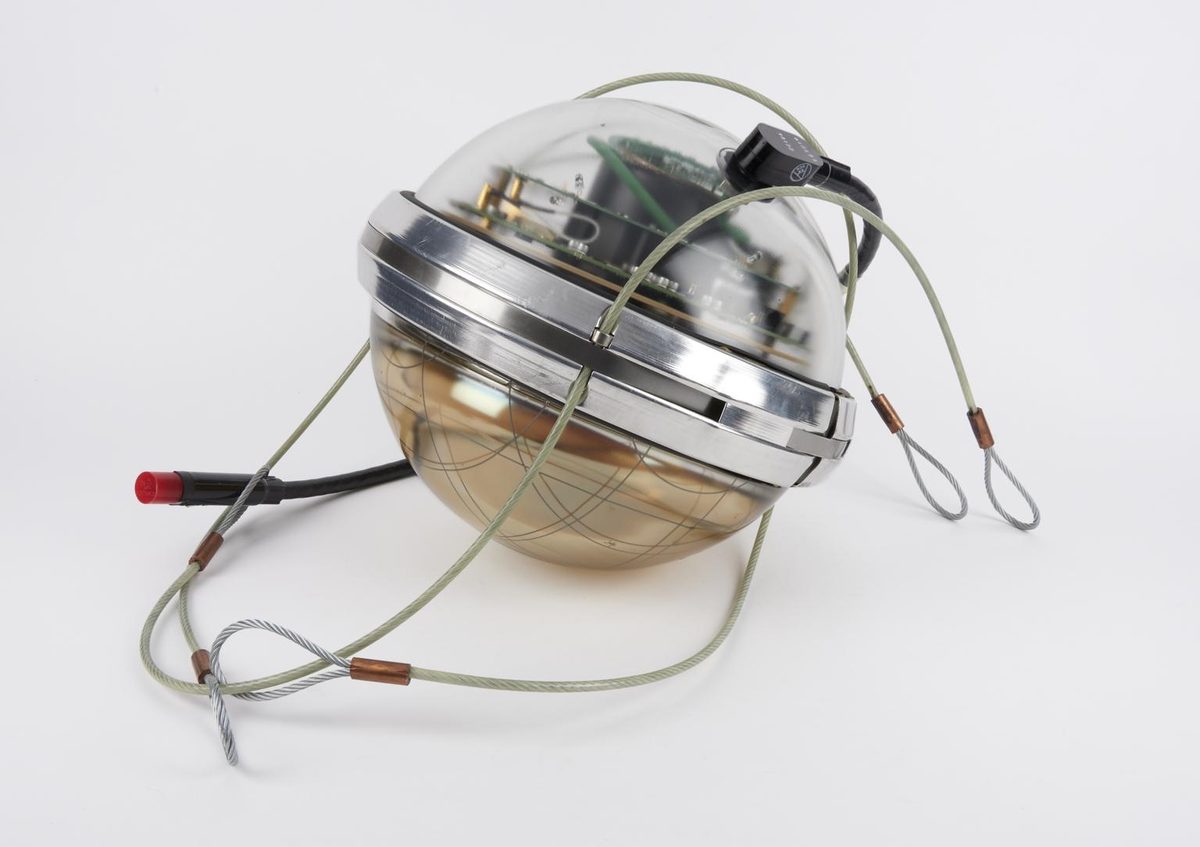
A cubic kilometer of Antarctic ice instrumented with light sensors.
450
Scientists in IceCube collaboration
Researchers from 58 institutions in 14 countries.
12M kronor
Prize amount
The 2026 Nobel Prize in Physics carries 12 million Swedish kronor.
79
Neutrinos traced toward NGC 1068
Neutrinos registered in IceCube that appear to come from the active galaxy M77 — not yet enough for a definitive identification.
~10%
Neutrinos from the Milky Way
About one in ten IceCube neutrinos originate inside our galaxy; the rest come from sources not yet identified.

Voices

Curated perspectives — historical figures and your fellow readers.

Ever wondered what historical figures would say about today's headlines?

Sign up to generate historical perspectives on this story.

People Involved

Organizations Involved

Timeline

1988 October 2026

9 events Latest: 2 days ago
Tap a bar to jump to that date
  1. Halzen awarded Nobel Prize in Physics

    Latest Award

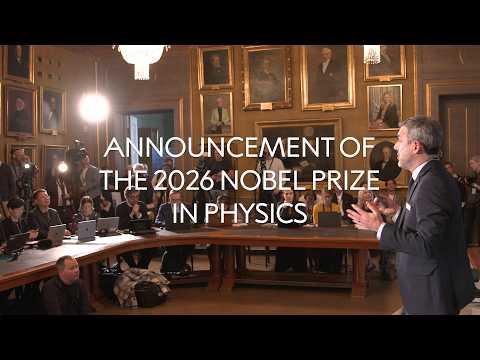
    The Royal Swedish Academy of Sciences awards the 2026 Nobel Prize in Physics to Francis Halzen for the IceCube Neutrino Observatory and the discovery of high-energy astrophysical neutrinos.

  2. IceCube Upgrade installed

    Engineering

    The observatory's first significant expansion since completion lowers the energy threshold and improves directional reconstruction.

  3. Milky Way neutrinos discovered

    Discovery

    IceCube announces the discovery of neutrinos from our own galaxy, showing galactic sources produce cosmic rays.

  4. Evidence of neutrino emission from NGC 1068

    Discovery

    IceCube reports first evidence of high-energy neutrino emission from an active galaxy 47 million light-years away.

  5. Neutrino traced to supermassive black hole

    Discovery

    IceCube detects a high-energy neutrino from a supermassive black hole in a distant galaxy in the direction of Orion.

  6. First astrophysical neutrinos detected

    Discovery

    IceCube announces detection of high-energy neutrinos from outside the solar system, winning the 2013 Physics World Breakthrough of the Year Award.

  7. IceCube completes construction

    Engineering

    The cubic-kilometer detector, built within glacial ice at the South Pole, is finished.

  8. First sensors lowered into Antarctic ice

    Engineering

    A group of researchers and engineers makes the first attempts to lower light sensors into the glacier at the South Pole.

  9. Halzen proposes a neutrino telescope in ice

    Concept

    Francis Halzen first presents his vision of using South Pole ice as a medium to detect high-energy neutrinos.

Scenarios

1

IceCube confirms its first individual neutrino source

Possible Resolves by End of 2028

Discussed by: IceCube collaboration scientists and neutrino astronomers

The leading candidate is active galaxy NGC 1068, from whose direction 79 neutrinos have been registered. With more data and the upgraded detector's better directional reconstruction, a definitive identification could follow. The 2017 detection from TXS 0506+056 was strong evidence but not a conclusive source identification.

2

IceCube-Gen2 secures construction funding

Possible Resolves by End of 2030

Discussed by: US National Science Foundation and international funding bodies

The proposed expansion would deploy an optical array eight times larger than IceCube, plus radio detection for even higher energies. NSF already approved the smaller IceCube Upgrade in 2019; Gen2 would be a much larger commitment, likely requiring an international funding agreement.

3

IceCube Upgrade delivers its first science results

Likely Resolves by Q2 2027

Discussed by: IceCube collaboration leadership

Installation of the upgrade was completed in 2025–2026, lowering the energy threshold and calibrating the ice for better directional precision. First science data is expected later in 2026, which should improve the statistical case for candidate sources like NGC 1068.

Historical Context

2 moments from history that rhyme with this story — and how they unfolded.

2002

Davis and Koshiba win 2002 Nobel Prize in Physics

Raymond Davis Jr. and Masatoshi Koshiba shared the 2002 Nobel for detecting cosmic neutrinos — Davis for capturing solar neutrinos in a tank of cleaning fluid, Koshiba for detecting neutrinos from supernova 1987A with the Kamiokande detector.

Then

The work proved neutrinos from space could be captured and studied, launching neutrino astronomy as a field.

Now

Their detectors established the techniques IceCube later scaled up by thousands of times.

Why this matters now

The 2002 prize recognized the first detection of cosmic neutrinos; Halzen's work extends the same idea to ultra-high energies from beyond the galaxy.

2015

Kajita and McDonald win 2015 Nobel Prize in Physics

Takaaki Kajita and Arthur B. McDonald won the 2015 Nobel for discovering that neutrinos oscillate between flavors, which proved the particles have mass.

Then

The discovery resolved a long-standing anomaly in solar neutrino measurements.

Now

Knowing neutrinos change flavor and have mass let physicists interpret the signals IceCube later recorded.

Why this matters now

It is a physics principle that underpins how IceCube identifies neutrinos of astrophysical origin.

Sources

(10)