

Pull to refresh
Logo
Daily Brief
Following
Why Ranks Sign Up
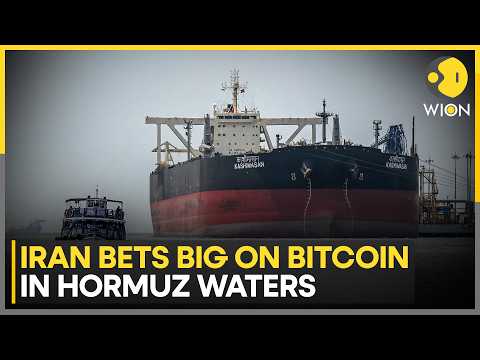
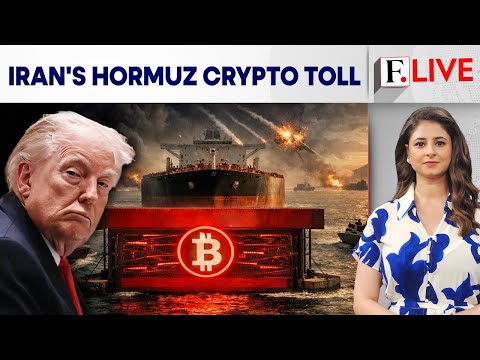
Iran launches Bitcoin-backed insurance for Hormuz shipping

Iran launches Bitcoin-backed insurance for Hormuz shipping

Money Moves

Tehran's 'Hormuz Safe' routes maritime coverage through cryptocurrency, bypassing SWIFT and Western insurers

6 days ago: Iran launches Hormuz Safe

Overview

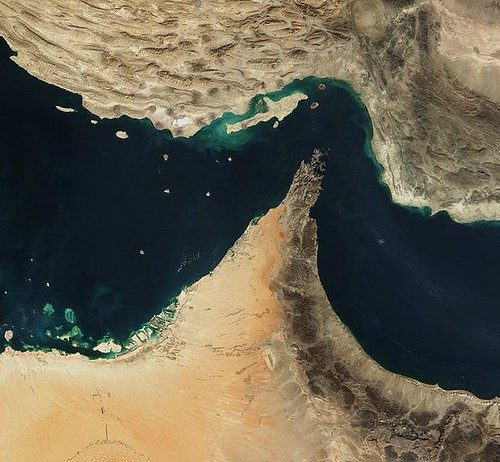
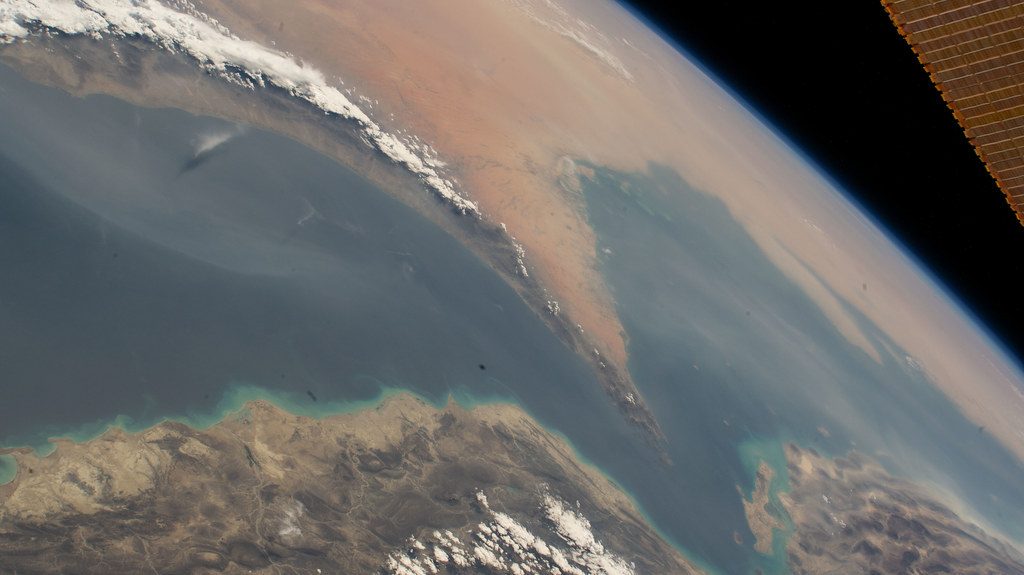
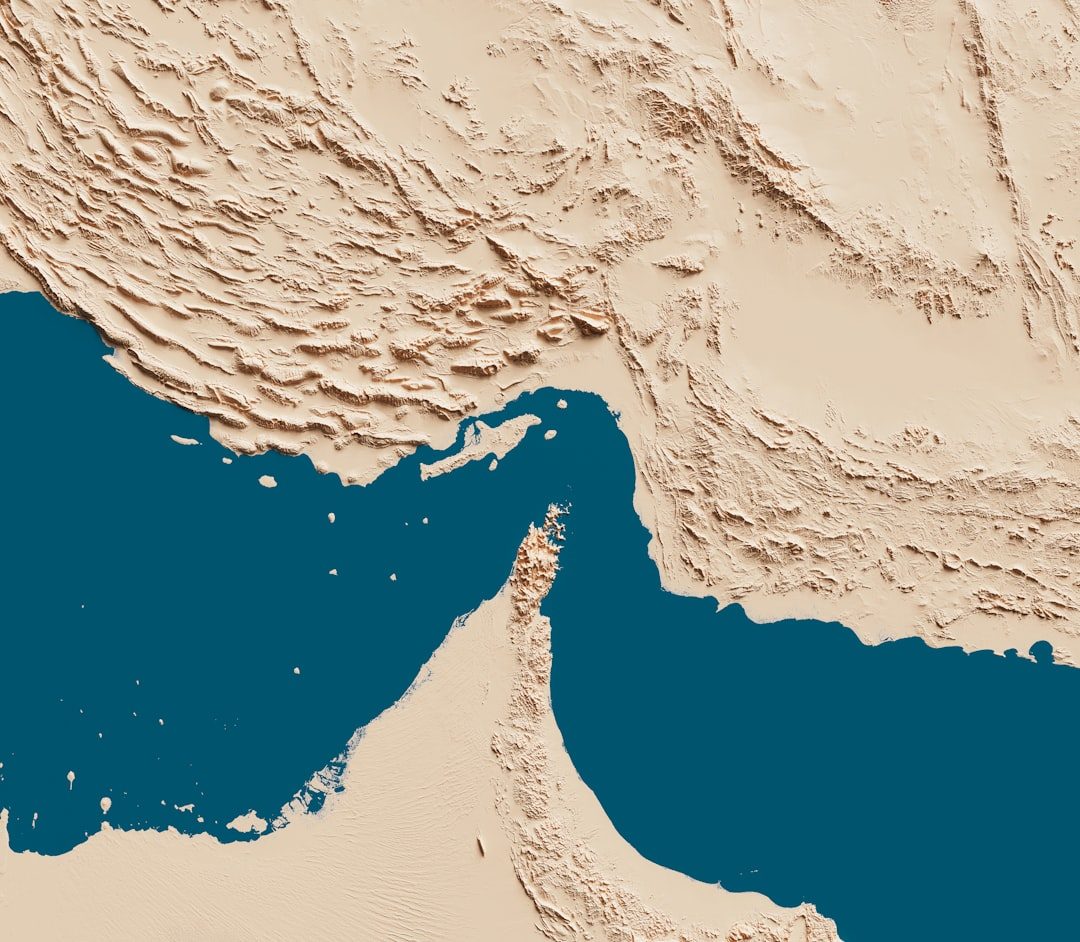
The Strait of Hormuz has been mostly closed to commercial shipping since late February. On Sunday, Iran began selling Bitcoin-priced insurance to anyone willing to risk the crossing.

The platform is called Hormuz Safe. It settles policies on a blockchain instead of through SWIFT or Lloyd's of London, and Tehran's economy ministry says it could pull in $10 billion a year.

Why it matters

If shippers and underwriters adopt Hormuz Safe, cargo moving through the Gulf enters a financial system US sanctions cannot directly freeze.

Key Indicators

$10B
Projected annual revenue
Iran's economy ministry estimate cited by Fars News for Hormuz Safe at full scale.
20%
Global oil through Hormuz
Share of world petroleum that normally transits the strait each day.
5%
Current shipping traffic
Vessels still moving through Hormuz versus pre-war levels of about 3,000 a month.
$344M
USDT frozen in April
Tether stablecoins immobilized after OFAC linked two wallets to Iran's central bank.
694%
Sanctioned crypto inflows 2025
Year-on-year jump in cryptoassets received by sanctioned entities, per Chainalysis.

Voices

Curated perspectives — historical figures and your fellow readers.

Ever wondered what historical figures would say about today's headlines?

Sign up to generate historical perspectives on this story.

Play

Exploring all sides of a story is often best achieved with Play.

Log in to play. Track your picks, climb the leaderboards. Log in Sign Up
Predict 4 ways this could play out. Contrarian picks score more — points lock when the scenario resolves. Log in to play
Higher or Lower Two numbers from this story. Guess which is bigger. 5 rounds to set a streak. Log in to play
Timeline Five events from this story — drag them oldest to newest. Log in to play
Connections Sixteen names from the news. Find the four hidden groups of four. Log in to play

People Involved

Organizations Involved

Timeline

July 2019 May 2026

8 events Latest: 6 days ago
Tap a bar to jump to that date
  1. Iran launches Hormuz Safe

    Latest Financial

    Ministry of Economy publishes hormuzsafe.ir, selling Bitcoin-settled transit insurance and projecting $10 billion in revenue.

  2. Trump withdraws US strait guidance

    Policy

    The White House says the US Navy will no longer escort commercial ships through Hormuz.

  3. US imposes naval blockade on Iran

    Conflict

    Pentagon halts ships moving to and from Iranian ports after the Islamabad Talks collapse.

  4. Hormuz closure begins

    Conflict

    US-Israeli air war on Iran opens; the IRGC mines the strait and stops commercial transit.

  5. First state-run crypto import settled

    Financial

    Iran's Ministry of Industry confirms a $10 million import order paid entirely in cryptocurrency, calling it a sanctions workaround.

  6. Iran legalizes Bitcoin mining

    Policy

    Tehran formally licenses crypto mining, using cheap electricity to generate dollar-equivalent revenue under sanctions.

Historical Context

3 moments from history that rhyme with this story — and how they unfolded.

December 2014

Russia's SPFS payment network (2014-present)

After Crimea sanctions threatened Russia's SWIFT access, the Central Bank of Russia launched the System for Transfer of Financial Messages. It now connects 177 financial institutions across 24 countries, plus the domestic Mir card network handling nearly half of Russian card payments.

Then

Russian banks kept settling domestic and friendly-country transactions after Western messaging was cut in 2022.

Now

SPFS is functional but expensive and limited, and most non-bloc banks still refuse to join. Researchers conclude it has not replaced SWIFT.

Why this matters now

Tehran is trying the same playbook with crypto rails instead of bank messaging. Russia's experience suggests such systems work inside a friendly bloc but struggle to pull in neutral or Western counterparties.

2018-2024

Venezuela's USDT oil sales (2018-present)

After US sanctions on PDVSA, Caracas launched the state-issued Petro token (which failed) and then shifted to receiving oil payments in Tether's USDT stablecoin. Reports indicate the state oil firm has been settling Chinese and Indian crude shipments in USDT since 2024.

Then

Venezuela kept selling oil despite secondary sanctions, with crypto absorbing payments banks would not touch.

Now

OFAC and Tether have since frozen sanctioned wallets, raising the cost of using stablecoins for blocked entities. Bitcoin-only rails, like Hormuz Safe's, are harder to freeze but more volatile.

Why this matters now

Caracas proved a state can route oil revenue through crypto. Tehran is attempting the same with an insurance product wrapped around a strategic chokepoint.

July 2019

Iran's Bitcoin mining program (2019-present)

Iran's energy ministry licensed industrial Bitcoin miners and required output to be sold to the Central Bank. By 2021 the country accounted for an estimated 4.5% of global Bitcoin hashrate, generating hundreds of millions of dollars in foreign-equivalent revenue.

Then

Iran earned roughly $1 billion in mining revenue before grid strain forced rolling shutdowns of licensed miners.

Now

Mining showed Tehran the ceiling of crypto income at the protocol layer and pushed the regime toward higher-value services like trade settlement and insurance.

Why this matters now

Hormuz Safe is the logical next step. After earning Bitcoin through mining, Iran is now trying to charge Bitcoin for access to one of the world's most strategic waterways.

Sources

(12)