
Pull to refresh
Logo
Iran parliament committee clears Strait of Hormuz security bill

Iran parliament committee clears Strait of Hormuz security bill

Rule Changes

Final article approved; full parliament and Guardian Council votes still needed

Yesterday: Committee clears final article of Hormuz bill

Overview

Updated 48 minutes ago

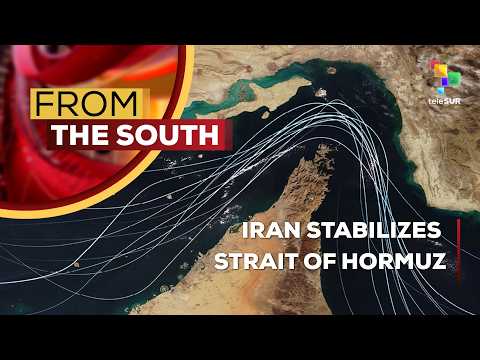
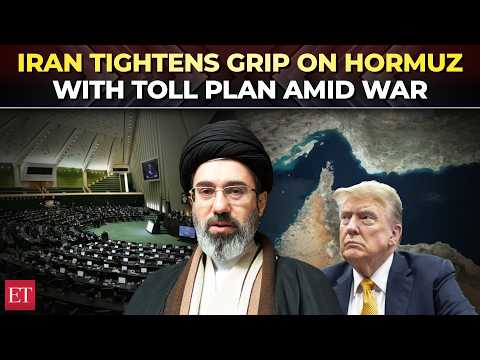
Iran's parliament moved closer Sunday to a law that would give Tehran sole authority to manage the Strait of Hormuz. The national security and foreign policy committee approved the bill's final article, which annuls all conflicting maritime regulations once the law takes effect.

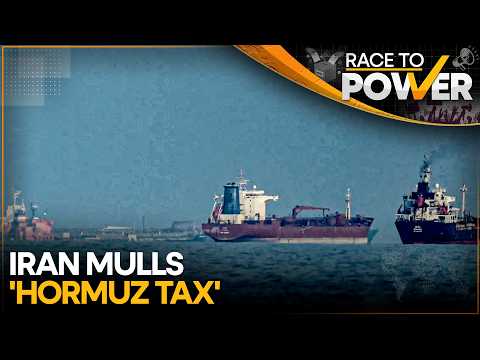
The legislation follows eight months of US-Israeli war with Iran that closed the strait, conduit for about a fifth of the world's oil and liquefied natural gas before February. It would bar vessels from Israel and states Iran deems hostile, charge transit and service fees to others, and require ships to obtain military authorization.

Why it matters

If enacted, Iranian law gives Tehran power over a strait carrying a fifth of global oil, and every tanker that passes through it.

Questions about this story

Free account needed to ask — your question is kept and asked for you right after sign-up. Answers are public.

No questions yet — be the first to ask.

Key Indicators

2
Approval stages remaining before the bill becomes law
The full parliament vote and the Guardian Council's endorsement both still stand between the committee's work and enactment.
7
Iranian conditions for reopening the strait
Set out in the Islamabad memorandum; Parliament Speaker Qalibaf reaffirmed them the same day the committee finished its work.
20%
Share of world oil and LNG trade via Hormuz before the war
About a fifth of global oil and liquefied natural gas moved through the strait before the February conflict closed it.

Voices

Curated perspectives — historical figures and your fellow readers.

Ever wondered what historical figures would say about today's headlines?

Sign up to generate historical perspectives on this story.

People Involved

Organizations Involved

Timeline

February 2026 October 2026

7 events Latest: Yesterday
Tap a bar to jump to that date
  1. Committee clears final article of Hormuz bill

    Latest Legislative

    The national security committee approves Article 16, completing the bill; a full parliament vote is next.

  2. CENTCOM rejects Iran's control claim

    Statement

    US Central Command says Iran does not control the strait and thousands of ships transit freely.

  3. Tanker struck in strait

    Conflict

    An unknown projectile hits an oil tanker in the strait, causing a small fire and power outage. No injuries.

  4. Iran presents seven-day reopening proposal

    Diplomacy

    Iran offers a plan at the UN General Assembly to reopen the strait within seven days if its conditions are met.

  5. Panel approves Hormuz bill outline

    Legislative

    Parliament's national security committee approves the bill's outline; Oman corridor talks near completion.

  6. Iran and US sign Islamabad memorandum

    Agreement

    An interim agreement between Iran and the United States is signed; the strait remains closed.

  7. US and Israel attack Iran; strait closes

    Conflict

    US and Israeli attacks on Iran begin; the Strait of Hormuz closes, disrupting oil and LNG shipping.

Scenarios

1

Hormuz law passes; Iran codifies strait control

Likely Resolves by Dec 15, 2026

Discussed by: Iranian state media and WANA anticipate passage; Kayhan frames it as a counter to US pressure

The full parliament votes the bill into law and the Guardian Council endorses it, triggering Article 16's repeal of all conflicting maritime regulations. Iran then cites the law as statutory backing for barring Israeli-flagged and hostile vessels, charging transit fees, and requiring military authorization. A reopened strait, if one is negotiated, would operate on Iranian terms.

2

Diplomatic deal reopens Hormuz before law takes effect

Possible Resolves by Q1 2027

Discussed by: The National and Channel News Asia report stalled talks; oil-market analysts see reopening as the only route to price stability

Qatar-mediated talks produce a breakthrough on Iran's seven conditions, and a reopening agreement is signed. The law either stalls or its military-authorization provisions lapse with the end of wartime conditions. Normal shipping resumes, and the bill becomes symbolic rather than operational.

3

Hormuz bill stalls in parliament or Guardian Council

Unlikely Resolves by Nov 30, 2026

Discussed by: Few public predictions; reflects procedural checks in Iran's legislative process

The parliament delays the floor vote or the Guardian Council objects to provisions that conflict with international maritime law and existing treaties. The bill goes back for revision, leaving current wartime arrangements in place and prolonging the legal vacuum.

Historical Context

3 moments from history that rhyme with this story — and how they unfolded.

1984-1988

Tanker War (1984-1988)

During the Iran-Iraq War, Iran and Iraq attacked each other's oil tankers in the Persian Gulf. The US Navy began escorting reflagged Kuwaiti tankers, and US-Iranian naval clashes spiked in 1988.

Then

US forces sank Iranian ships and destroyed oil platforms after an American frigate was mined; Iran accepted a ceasefire in July 1988.

Now

The episode established the Gulf as a zone of foreign naval intervention and showed how much shipping disruption an outside power would tolerate before acting.

Why this matters now

Today's confrontation again pits the US Navy against Iran's Revolutionary Guard over Gulf shipping, with the strait as the prize.

2019

Iran's 2019 tanker seizures

In July 2019, Iran's Revolutionary Guard seized the British-flagged tanker Stena Impero in the strait, days after Britain detained an Iranian tanker near Gibraltar. Iran held the ship and crew for two months.

Then

The tanker was released after negotiations; Iran continued seizing vessels through late 2019 under mounting US sanctions.

Now

The episode demonstrated Iran's pattern of using the strait as leverage, a tactic that escalated into full closure in 2026.

Why this matters now

Direct precedent for Iran weaponizing the strait; the current conflict took that tactic from harassment to wartime closure.

2011-2012

Hormuz closure threats (2011-2012)

Iran threatened to close the strait in response to US and European sanctions on its oil exports. Both sides traded readiness signals and oil prices spiked worldwide.

Then

The threats never became closure; sanctions stayed in place and tensions eased as nuclear diplomacy resumed in 2013.

Now

The episode became Iran's standard playbook for signaling resolve over the strait without following through.

Why this matters now

The 2011-12 crisis was the threat version; 2026 produced the actual closure, making the stakes of the current bill unique.

Sources

(10)