
Pull to refresh
Logo
UN finds grounds to believe US committed war crimes in Iran school strike

UN finds grounds to believe US committed war crimes in Iran school strike

Force in Play

Fact-finding mission cites strikes on a school and sports facility; report also finds Iran committed crimes against humanity

Today: UN finds grounds to believe US committed war crimes

Overview

Updated 1 hour ago

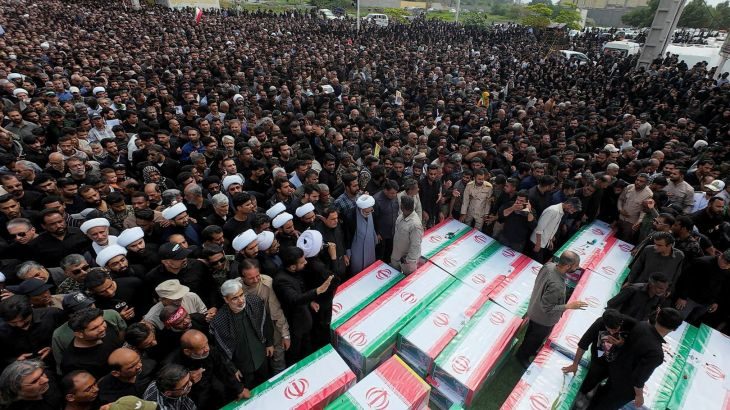
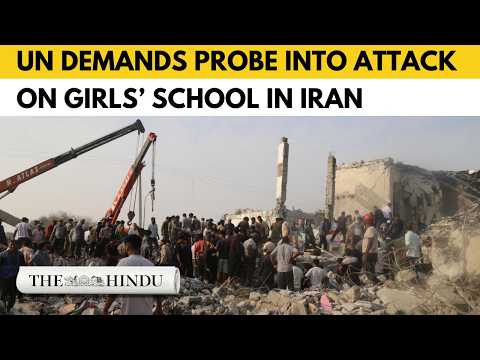
A UN fact-finding mission found 'reasonable grounds' to believe US forces committed war crimes in a February strike on a primary school in Minab, Iran. More than 150 people died, including about 120 schoolchildren. The same report found Iran committed crimes against humanity against its own protesters, including murder, torture and persecution.

The finding is the UN's most explicit condemnation of US conduct in the conflict. It shifts the question from whether the strike was an accident to whether it was criminal. The Trump administration has stayed silent on the school strike for more than four months.

The report also documents later strikes: a July airstrike that killed a family of three in Qeshm and a September strike that hit a wedding celebration in Kuhestak, killing five. The UN mission called on all parties to cease hostilities and abide by international law.

Why it matters

The UN finding labels US strikes in Iran as war crimes, removing the legal cover of 'collateral damage' and opening a path to international accountability.

Questions about this story

Free account needed to ask — your question is kept and asked for you right after sign-up. Answers are public.

No questions yet — be the first to ask.

Key Indicators

150+
Killed in Minab school strike
Total death toll from the February 28 strike on Shajareh Tayyebeh Primary School, per Iranian officials.
~120
Children among the dead
Most of those killed in the Minab strike were schoolchildren, according to Iranian officials.
2
US strikes found to constitute war crimes
The UN mission cited the school strike and a separate strike on a sports facility in February.

Voices

Curated perspectives — historical figures and your fellow readers.

Ever wondered what historical figures would say about today's headlines?

Sign up to generate historical perspectives on this story.

People Involved

Organizations Involved

Timeline

February 2026 September 2026

6 events Latest: Today
Tap a bar to jump to that date
  1. UN finds grounds to believe US committed war crimes

    Today Report release

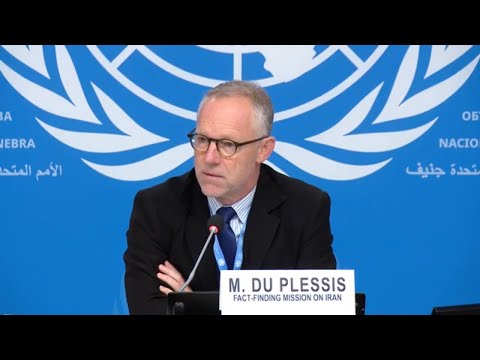
    UN Fact-Finding Mission releases report citing reasonable grounds US committed war crimes in strikes on Minab school and sports facility; also finds Iran committed crimes against humanity.

  2. US airstrike hits wedding in Kuhestak

    Military strike

    Reported US airstrike hits a house in Kuhestak where wedding celebrations were underway, killing five including two children and a woman.

  3. US airstrike kills family in Qeshm

    Military strike

    Reported US airstrike destroys residential home in Qeshm, Hormozgan province, killing a man, woman and two-year-old son, injuring two other children.

  4. Missile strike kills 150 at Minab school

    Military strike

    US Tomahawk missiles strike Shajareh Tayyebeh Primary School in Minab, killing more than 150 people including about 120 children.

Scenarios

1

Pentagon formally acknowledges US role in Minab school strike

Possible Resolves by Mar 17, 2027

Discussed by: AP News, which reports the Pentagon has an elevated investigation underway

The Pentagon concludes its investigation and publicly confirms US forces struck the Minab school. AP's satellite imagery analysis shows multiple munitions hit at least five buildings on the compound. The US has a precedent of eventually acknowledging such strikes, as it did with the 2015 Kunduz hospital bombing in Afghanistan. The UN finding adds pressure for a formal response.

2

Trump administration publicly dismisses UN war crimes finding

Likely Resolves by Mar 17, 2027

Discussed by: AP News, noting the administration's four months of silence; a former Pentagon official who linked the strike to staffing cuts

Senior US officials reject the UN's war crimes determination, framing the strikes as legitimate military action or unavoidable collateral damage. The White House has not commented on the school strike since February, and the administration has a pattern of dismissing UN findings on the conflict. This is the most likely path given the silence so far.

3

UN finding triggers international accountability mechanism

Unlikely Resolves by Sep 17, 2027

Discussed by: Legal analysts noting the finding creates groundwork for accountability; Iran International reporting on the report's significance

The UN finding leads to a formal investigation by the International Criminal Court or another international body. The US is not an ICC member and holds a UN Security Council veto, so a referral faces major obstacles. But the finding provides legal basis for other states to pursue action against US officials.

Historical Context

2 moments from history that rhyme with this story — and how they unfolded.

March 1968

My Lai Massacre (1968)

US soldiers under Lieutenant William Calley killed hundreds of unarmed civilians in the Vietnamese village of My Lai. Army leadership suppressed the incident for over a year until investigative journalist Seymour Hersh exposed it in 1969.

Then

Calley was court-martialed and convicted of murder; 26 other soldiers faced charges, with one additional conviction.

Now

The massacre became a turning point in public perception of the Vietnam War and led to revised US military rules on handling civilian casualties.

Why this matters now

Like My Lai, the Minab strike involves US forces killing civilians at scale, with questions about whether the incident was hidden or mishandled. The UN finding creates similar pressure for accountability.

October 2015

Kunduz Hospital Bombing (2015)

US forces bombed a Médecins Sans Frontières hospital in Kunduz, Afghanistan, killing 42 people, including MSF staff and patients, including children. The US initially called it a mistake but took weeks to fully acknowledge responsibility.

Then

The Pentagon apologized, conducted an internal investigation, and held some personnel accountable. MSF called for an independent investigation.

Now

The incident led to changes in rules of engagement and raised scrutiny of US targeting processes, but no one faced criminal charges.

Why this matters now

Kunduz shows the US pattern of eventually acknowledging strikes on civilian targets, even when it takes time. The contrast with four months of silence on Minab makes the current case notable.

Sources

(9)