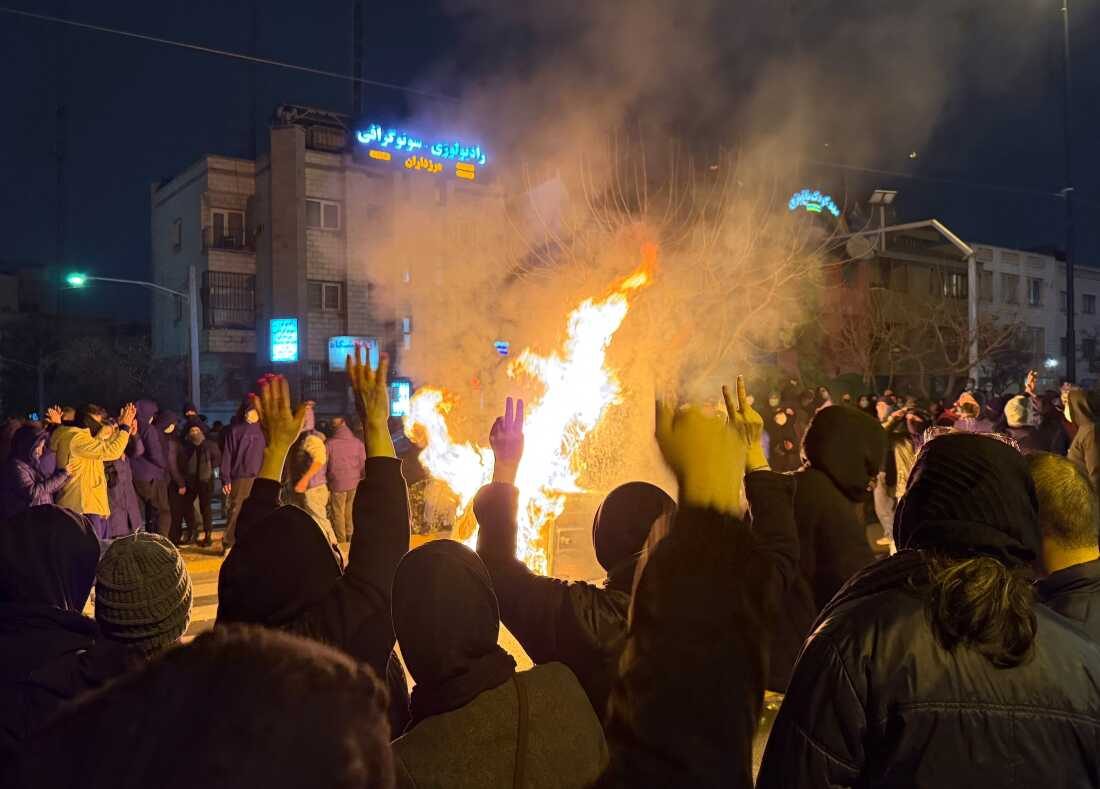
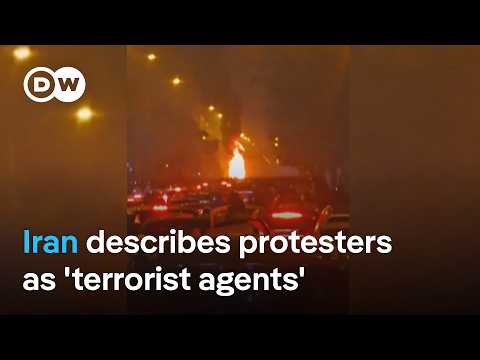
Iran's 2022 uprising killed roughly 500 people over several months. The current one has killed at least 6,842 people (possibly more than 30,000) in just over five weeks; leaked documents reveal Supreme Leader Khamenei approved a premeditated crackdown blueprint months in advance.[1][2]
On January 24, 2026, the UN Human Rights Council voted 25-7 to extend an independent investigation into what officials call the deadliest mass killing in Iran's contemporary history. By January 27, the U.S. had deployed the aircraft carrier USS Abraham Lincoln to the Middle East as President Trump weighs military strikes. What began as shopkeeper protests over the rial's collapse on December 28 became a direct challenge to the Islamic Republic, with protests resuming as recently as February 3 by students honoring the dead.
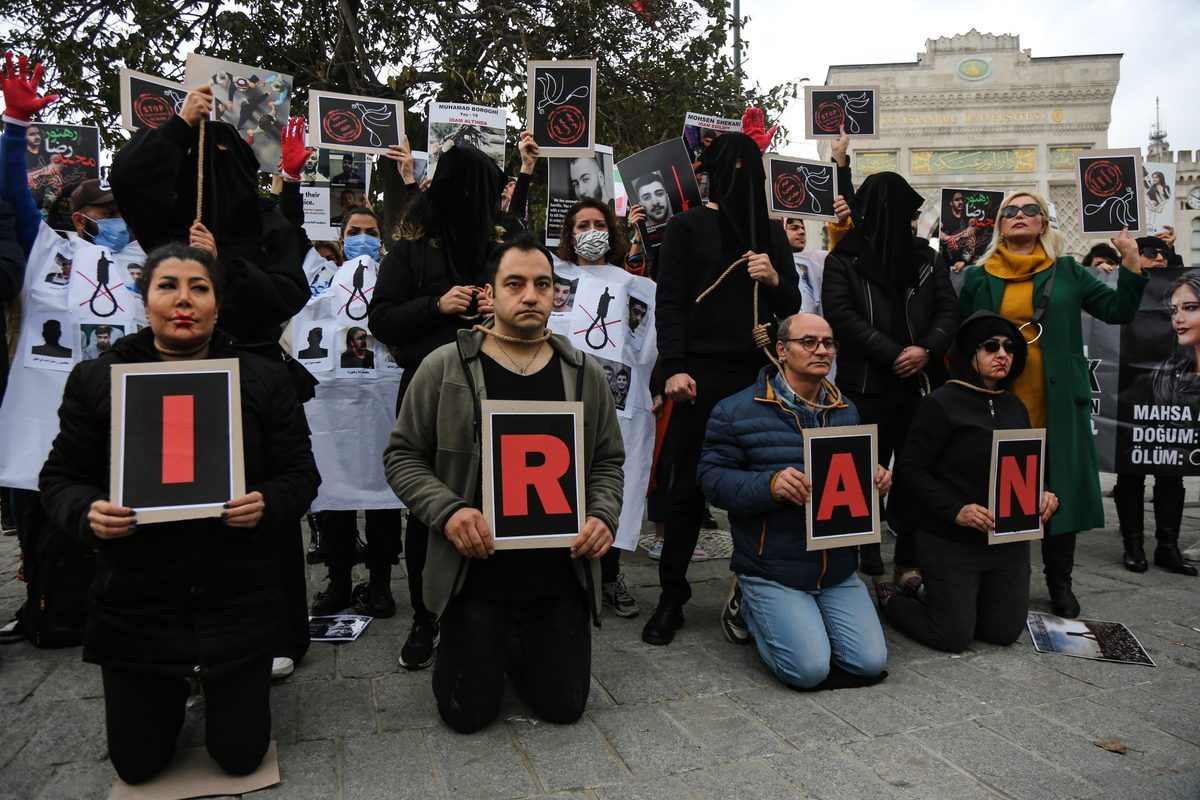
The regime deployed the IRGC and Basij militia with orders to use live ammunition, imposed a near-total internet blackout now exceeding 300 hours, and arrested over 41,800 people. At least 52 executions occurred during the protests, with hundreds more facing death penalty charges of 'waging war against God.' Senior officials now warn Khamenei that public anger has eroded fear as a deterrent, fearing US strikes could reignite nationwide unrest.[1][2]
Questions about this story
Free account needed to ask — your question is kept and asked for you right after sign-up. Answers are public.
No questions yet — be the first to ask.
Key Indicators
6,842+
Confirmed Deaths
HRANA verified total as of Feb 1; includes prior breakdowns with 17,091 under investigation
36,500+
Estimated Deaths
IRGC Intelligence Organization estimates; doctors' estimates of 16,500-18,000; could reach 30,000+
41,800+
Arrests
HRANA documented detentions through mid-January; mass arrests campaign continues
52
Executions During Protests
HRANA documented executions between Jan 5-14; hundreds more charged with capital offenses
25-7
UN Vote
Human Rights Council voted to extend investigation with 14 abstentions
5+ weeks
Internet Blackout
Near-total blackout Jan 8-28; largely ended Jan 28 per NetBlocks, but restrictions persist
18,122
HRANA Cases Documented
Total cases including 6,842 confirmed deaths as of Feb 1
Images from Openverse under Creative Commons licenses.
Videos from YouTube.
Voices
Curated perspectives — historical figures and your fellow readers.
James Baldwin
(1924-1987) ·Civil Rights · politics
Fictional AI pastiche — not real quote.
"I observe that America has discovered moral outrage over the bodies piling up in Tehran, yet seems to have misplaced the mirrors that might reveal how many other governments—including, at various desperate hours, our own—have answered the people's hunger with bullets and called it order. The question is never whether we will condemn tyranny, but whether we possess the courage to recognize that the boot on the neck wears many flags, and that our righteous horror is worthless if it arrives only when it serves our geopolitical convenience."
0% found this insightful
Ever wondered what historical figures would say about today's headlines?
Sign up to generate historical perspectives on this story.
Documents expose premeditated plan approved by Khamenei for internet cutoff, live fire, and agent infiltration to crush protests.
Regime Fears US Strike Could Reignite Protests
Government Response
Senior officials warn Khamenei that crackdown eroded fear as deterrent; US attack could cause regime collapse.
HRANA Documents 18,122 Cases, 6,842 Deaths
Documentation
Updated total as of February 1 confirms escalation in verified casualties.
January 2026
Internet Blackout Largely Ends
Documentation
After 20 days, near-total internet shutdown ends. NetBlocks reports most access restored, though regime had attempted to generate false traffic to manufacture appearance of earlier restoration.
HRANA Updates Death Toll to 6,159+
Documentation
Updated verified count: 5,993 adult protesters, 113 minors, 214 security forces, 53 non-participants, with 17,091 deaths still under investigation. IRGC Intelligence Organization estimates 36,500 deaths.
Death Toll Reaches 6,126 Confirmed
Documentation
HRANA documents 6,126 confirmed deaths including 5,777 protesters, 214 security forces, 86 children, and 49 non-protesting civilians. Estimates suggest true toll may exceed 30,000.
USS Abraham Lincoln Arrives in Middle East
International Response
U.S. aircraft carrier and three destroyers arrive in region as Trump considers military strikes. F-15E Strike Eagles also deployed. RFE/RL reports likelihood of strikes 'very high.'
Internet Blackout Exceeds 300 Hours
Documentation
NetBlocks reports over 300 hours of nationwide internet disruption, hindering independent documentation and family contact.
UN Human Rights Council Votes for Investigation
International Response
Council votes 25-7 to extend fact-finding mission two years. Iran rejects resolution. Payam Akhavan calls for 'Nuremberg moment.'
UN Rapporteur Estimates 20,000+ Dead
Documentation
Mai Sato states deaths could exceed 20,000 based on reports from doctors inside Iran.
Iran Releases Official Death Toll of 3,117
Government Response
Iranian state television reports 3,117 killed, but National Security Council claims only 690 were protesters, with 2,427 being 'protectors of order and security'—a figure disputed by independent sources.
Regime Reasserts Control
Aftermath
Iranian government declares protests suppressed. Internet blackout continues.
Erfan Soltani Confirmed Alive
Documentation
Family reports Soltani in good physical health after execution postponement. CNN confirms he remains detained.
19-Year-Old Sentenced to Death
Legal
Amirhossein Ghaderzadeh, 19, sentenced to death by hanging with execution scheduled for January 21.
Sunday Times Reports 16,500-18,000 Deaths
Documentation
Network of Iranian doctors provides estimates to Sunday Times indicating death toll between 16,500 and 18,000, with 330,000 injured.
Slight Internet Connectivity Increase
Documentation
After 200+ hours of blackout, NetBlocks reports 2% increase in internet connectivity, though most of Iran remains offline.
US Sanctions Iranian Officials
International Response
Treasury sanctions Ali Larijani and other officials as 'architects' of crackdown.
Erfan Soltani Execution Postponed
Legal
Clothes shop owner arrested Jan 8 was scheduled for execution Jan 14—less than one week after arrest. International outcry leads to postponement.
Protesters Charged with 'Moharebeh'
Legal
Tehran prosecutor declares protesters will face 'waging war against God' charges, punishable by death.
Death Toll Estimates Reach 6,000
Documentation
Time reports deaths may have reached 6,000, excluding bodies taken directly to morgues.
2,000 Killed in 48 Hours
Violence
Hospitals in Tehran and Shiraz overwhelmed. Guardian reports 'hundreds of bodies' across Tehran.
Deadliest Day of Crackdown
Violence
Mass casualties continue. Video shows 120+ body bags at Behesht Zahra Cemetery. UN's Türk says he is 'deeply disturbed.'
Mass Killings Begin; Internet Blackout Imposed
Violence
IRGC deploys heavy weapons against protesters. At least 217 killed in Tehran alone. Near-total internet shutdown begins.
Pezeshkian Orders Restraint
Government Response
President orders security forces not to target peaceful protesters. Order is ignored; he lacks authority over IRGC.
Judiciary Calls for Decisive Response
Government Response
Iran's Judiciary Chief Gholamhossein Mohseni Ejei calls for action against protesters 'without leniency.'
Executions Begin During Protests
Violence
Iran begins executing prisoners during protests; HRANA documents 52 executions between Jan 5-14. Judiciary Chief orders 'no leniency' and expedited trials.
Khamenei Orders Crackdown
Government Response
Supreme Leader says 'rioters should be put in their place.' IRGC's Lorestan corps declares tolerance period over. At least 28 killed by this date.
2026
Deaths Spread to Multiple Cities
Violence
At least seven killed including 17-year-old Reza Moradi in Azna. Live ammunition documented across provinces.
December 2025
First Documented Killings
Violence
Security forces fire on protesters in Kuhdasht; 21-year-old Amirhesam Khodayarifard shot in head.
Protests Erupt in Tehran's Grand Bazaar
Protests
Shopkeepers close businesses to protest rial's collapse to 1.45 million per dollar. Demonstrations spread to 17 provinces within days.
September 2025
UN Snapback Sanctions Reimposed
Context
United Nations reinstates sanctions on Iran, freezing assets and halting arms transactions.
June 2025
Twelve-Day War with Israel
Context
Iran-Israel conflict accelerates rial's decline; currency loses 40% of value over following months.
Scenarios
1
ICC Opens Formal Investigation into Iranian Leadership
Possible
Discussed by: UN Special Rapporteur Mai Sato; former ICC prosecutor Payam Akhavan; Amnesty International
The UN Security Council refers Iran to the International Criminal Court, which opens an investigation into Khamenei and senior officials for crimes against humanity. This would require support from at least nine Security Council members with no vetoes from China or Russia—both have historically shielded Iran. However, the scale of documented killings and existing fact-finding infrastructure could build unprecedented pressure. Akhavan has explicitly called for a 'Nuremberg moment.'
2
Regime Survives Through Sustained Repression
Likely
Discussed by: Carnegie Endowment for International Peace; Council on Foreign Relations
The Islamic Republic follows its established playbook: brutal crackdown followed by mass trials, selective executions to deter future protests, and gradual restoration of internet access once the threat subsides. The 2022 Woman, Life, Freedom movement followed this pattern. Without unified opposition leadership or defections from security forces, the regime outlasts the protests. International sanctions increase but fail to change regime behavior.
3
US Military Intervention Destabilizes the Region
Possible
Discussed by: Wall Street Journal; CNBC; CSIS analysts
President Trump, who has warned of 'strong action' and stated the US is 'locked and loaded,' authorizes military strikes on Iranian targets. Options reportedly under consideration include cyber attacks, strikes on IRGC facilities, or support for armed opposition groups. Any intervention could trigger Iranian retaliation against US assets in the region, attacks on Israel, or disruption of Gulf oil shipments. Regional conflict escalates.
4
Economic Collapse Forces Regime Concessions
Unlikely
Discussed by: Foreign Policy; Iranian economists including Masoud Nili
The rial continues its freefall, inflation spirals beyond 50%, and basic goods become unaffordable for most Iranians. Faced with complete economic dysfunction, the regime makes tactical concessions—perhaps replacing Pezeshkian with a more hardline figure who can credibly negotiate sanctions relief, or allowing limited political reforms. However, Khamenei's historical refusal to compromise makes this scenario unlikely without existential pressure.
5
U.S. Launches Limited Military Strikes on IRGC Targets
Possible
Discussed by: Washington Post analysis; Trump administration officials; RFE/RL reporting likelihood 'very high'
With the USS Abraham Lincoln carrier strike group now in position and Trump warning of a 'massive fleet,' the U.S. launches targeted strikes on IRGC facilities, command centers, or leadership. Trump nearly approved strikes on January 14 but held off pending additional military assets. The deployment of F-15E Strike Eagles and dozens of cargo planes suggests preparations for sustained operations. Iran has warned of 'severe retaliation' including potential attacks on U.S. bases, Gulf shipping, or Israeli targets. Regional escalation could follow.
6
Mass Executions of Protesters Trigger New International Crisis
Likely
Discussed by: Human rights groups including HRANA, Iran Human Rights, ECPM; UN Special Rapporteur Mai Sato
Iran executes hundreds of the 41,800+ detained protesters charged with 'moharebeh' (waging war against God). The regime has already executed 52 during the protests and sentenced multiple protesters to death with minimal due process—including Erfan Soltani scheduled for execution six days after arrest. Judiciary Chief Ejei stated expedited executions would serve as deterrent. Mass executions could trigger emergency UN Security Council session and accelerate ICC referral discussions, while potentially provoking U.S. military response.
Discussed by: NCRI; Fox News Digital; Alireza Jafarzadeh
Exposure of Khamenei's premeditated massacre blueprint—planned after 2019 protests—increases pressure from reformists like Rouhani and erodes loyalty among security forces. Combined with economic collapse, could lead to defections or coup attempts.
Historical Context
3 moments from history that rhyme with this story — and how they unfolded.
1 of 3
March 2011 - December 2024
Syria Uprising and Civil War (2011)
Protests erupted in Deraa after security forces tortured teenagers for anti-regime graffiti. President Bashar al-Assad responded with escalating military force, including tanks and artillery against civilian areas. The peaceful uprising transformed into armed insurgency within months as defectors formed the Free Syrian Army.
Then
By late 2011, the UN documented thousands killed. International community condemned the crackdown but remained divided on intervention.
Now
The conflict lasted nearly 14 years, killed over 500,000 people, displaced half the population, and only ended with Assad's fall in December 2024. It demonstrated that brutal crackdowns can sustain regimes for years—but also that they can ultimately fail.
Why this matters now
Iran's security apparatus has supported Assad throughout the Syrian war and appears to be applying similar tactics: overwhelming force, siege tactics, and accusations of 'terrorism' to justify violence. The question is whether Iran's internal dynamics differ enough to produce a different outcome.
2 of 3
April - June 1989
Tiananmen Square Massacre (1989)
Pro-democracy protests in Beijing drew hundreds of thousands to Tiananmen Square. On June 3-4, the Chinese military deployed tanks and troops, killing hundreds to thousands of protesters. The government imposed a strict information blackout and arrested thousands in the aftermath.
Then
The Communist Party retained power. Western nations imposed sanctions and arms embargoes that largely remain in place.
Now
China became the template for authoritarian survival through economic growth combined with political repression. The massacre remains taboo in China 36 years later. No senior official faced accountability.
Why this matters now
Iran's internet blackout mirrors China's information control strategy. Both regimes calculated that short-term international condemnation was preferable to losing power. The key difference: Iran lacks China's economic leverage to weather sustained sanctions.
3 of 3
July - September 1988
1988 Prison Massacres in Iran
Following Ayatollah Khomeini's fatwa, Iranian authorities executed an estimated 5,000 political prisoners—mostly members of the Mojahedin-e Khalq and leftist groups—in a systematic operation across the country's prisons. The killings were kept secret for years.
Then
The regime eliminated its most organized opposition. Many current Iranian officials participated in or oversaw the executions.
Now
Payam Akhavan has called this 'Iran's Srebrenica.' No official has faced international accountability. The UN fact-finding infrastructure now being applied to current protests was partly developed in response to this history of impunity.
Why this matters now
The 1988 massacres established that the Islamic Republic would use mass killing to preserve power. Several officials involved in 1988 hold senior positions today. The current crackdown suggests this institutional willingness to use lethal force remains intact.