
Pull to refresh
Logo
US allows Iranian delegation to attend UN General Assembly amid ongoing war

US allows Iranian delegation to attend UN General Assembly amid ongoing war

Force in Play

Visas granted to Pezeshkian and Araghchi with travel restrictions and a ban on luxury purchases

Yesterday: US grants visas to Iranian delegation for UNGA

Overview

Updated Yesterday

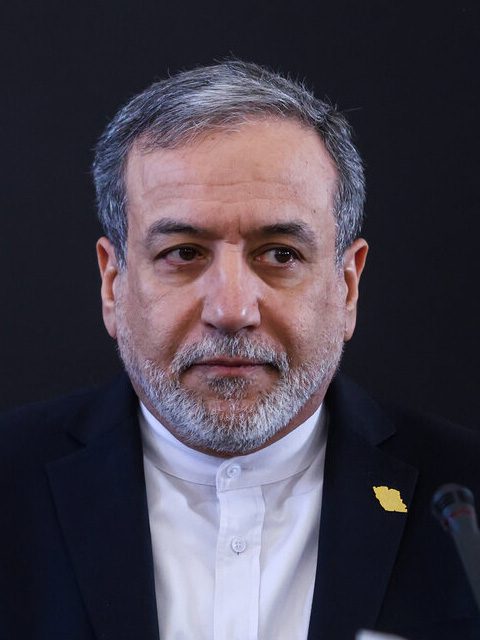
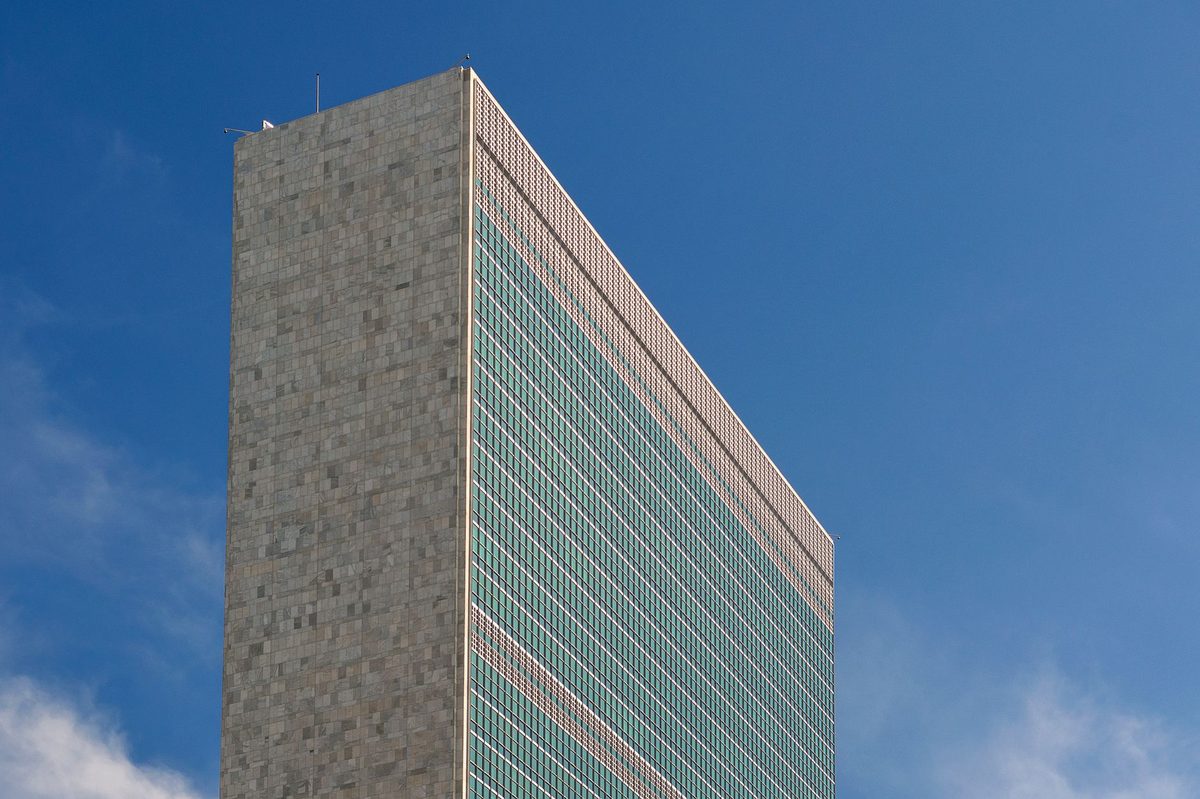
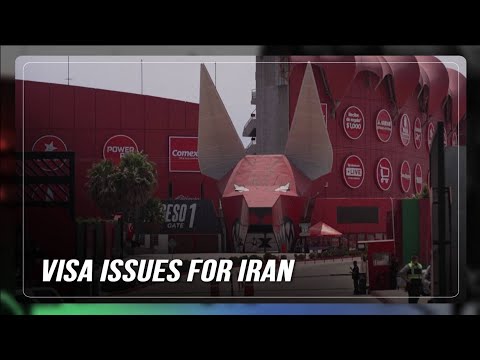
Iran's president and foreign minister will travel to New York next week to address the UN General Assembly, even as the US and Iran fight a war now in its seventh month. The State Department granted visas to the core delegation, which includes President Masoud Pezeshkian and Foreign Minister Abbas Araghchi.

The decision meets the US obligation as host country for UN headquarters, but it comes with strict limits. The delegation is smaller than last year, faces travel restrictions, and cannot shop at wholesale clubs or buy luxury goods. It arrives with Iran's closure of the Strait of Hormuz pushing oil above $100 a barrel.

Why it matters

Iran's visit to the UN General Assembly tests whether Washington and Tehran can find a diplomatic off-ramp while the Strait of Hormuz stays shut.

Questions about this story

Free account needed to ask — your question is kept and asked for you right after sign-up. Answers are public.

No questions yet — be the first to ask.

Key Indicators

7 months
Duration of US-Iran war
War began February 28, 2026, with US-Israel joint attacks on Iran.
20%
Share of world oil that flowed through Strait of Hormuz before the war
Iran's closure of the strait has driven oil prices above $100 a barrel.
$100+
Oil price per barrel
Prices crossed $100 as Iran blocked the strait, a route for a fifth of global oil.

Voices

Curated perspectives — historical figures and your fellow readers.

Ever wondered what historical figures would say about today's headlines?

Sign up to generate historical perspectives on this story.

People Involved

Organizations Involved

Timeline

June 2025 September 2026

4 events Latest: Yesterday
Tap a bar to jump to that date
  1. US grants visas to Iranian delegation for UNGA

    Latest Diplomatic

    State Department approves visas for Pezeshkian and Araghchi with travel and shopping restrictions; delegation smaller than last year.

  2. Pakistan-brokered truce memorandum collapses

    Diplomatic

    Both sides accuse each other of violating the agreement; talks stall and the war continues.

  3. US and Israel launch joint attacks on Iran

    Military

    The war begins. Iran later closes the Strait of Hormuz, pushing global oil prices past $100 a barrel.

  4. US and Israel strike Iranian nuclear facilities

    Military

    Preliminary air strikes on Iranian nuclear sites precede the full war by eight months.

Scenarios

1

US and Iran announce resumed talks after UNGA

Possible Resolves by End of 2026

Discussed by: Al Jazeera reports Trump's claim of direct talks; Pakistan has led prior mediation

Trump's stated direct contact with Tehran, combined with the UNGA presence, could produce a new negotiation track. Pakistan's army chief has brokered contacts before, and Pezeshkian said Tehran would return to the collapsed memorandum if Washington did. The General Assembly week is the natural venue for such an announcement.

2

UNGA visit ends without breakthrough, war grinds on

Likely Resolves by End of 2026

Discussed by: State Department framed visas as host-country obligation, not a diplomatic opening

The delegation attends, Pezeshkian addresses the assembly, but no deals emerge. The smaller delegation and heavy restrictions signal Washington is not warming to Tehran. The Strait of Hormuz stays closed, oil stays above $100, and the war continues toward its first anniversary.

3

Conflict widens beyond current fronts after UNGA

Possible Resolves by End of 2026

Discussed by: Iranian-backed Houthis have attacked Saudi infrastructure; fighting has spread to Yemen

The UNGA week produces no progress, and the war expands geographically. Houthi strikes on Saudi oil installations and Red Sea shipping intensify, potentially drawing Gulf states deeper into the conflict. Global oil supply faces a bigger threat as the Strait of Hormuz stays closed.

Historical Context

3 moments from history that rhyme with this story — and how they unfolded.

July 1951 - July 1953

Korean War armistice negotiations (1951-1953)

After two years of brutal fighting, US and Chinese forces opened armistice talks at Kaesong in July 1951. The negotiations dragged on for two years while major battles continued, including the stalemate at Panmunjom, where the talks later moved.

Then

An armistice signed July 1953 ended active fighting, though no peace treaty was concluded.

Now

The Korean peninsula remains divided by a demilitarized zone, and the armistice framework still governs the conflict seven decades later.

Why this matters now

Shows that warring parties can negotiate for years while combat continues — the model for what a US-Iran dialogue might look like, though the Korean talks produced a durable truce that held.

May 1968 - January 1973

Paris Peace Accords (1968-1973)

US and North Vietnamese negotiators opened talks in Paris in 1968. The discussions ran five years, surviving the Tet Offensive, the Cambodia incursion, and the Christmas Bombing before yielding an agreement.

Then

The 1973 accords led to a US withdrawal and prisoner exchange.

Now

North Vietnam overran the South in 1975, rendering the accords moot within two years.

Why this matters now

Demonstrates that peace talks can proceed amid active warfare — but also that an agreement doesn't guarantee either side gets the outcome it wants.

November 2013 - July 2015

Iran nuclear deal negotiations (2013-2015)

After a decade of sanctions and standoffs, the US and Iran negotiated the Joint Comprehensive Plan of Action through intermediaries and direct talks. Iran agreed to limit its nuclear program in exchange for sanctions relief.

Then

The deal was signed in July 2015, with UN inspectors monitoring Iran's program.

Now

The US withdrew in 2018 under Trump; Iran later expanded enrichment, and the deal collapsed.

Why this matters now

The last major US-Iran diplomatic breakthrough shows both sides can engage despite decades of hostility — and also how fragile such agreements can be.

Sources

(8)