
Pull to refresh
Logo
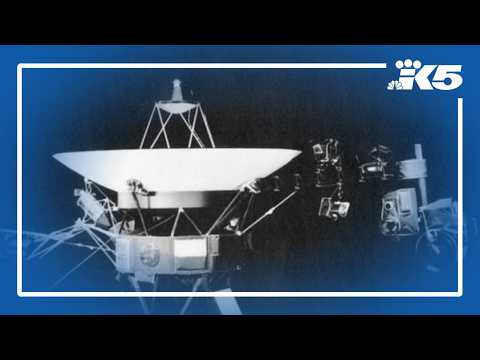
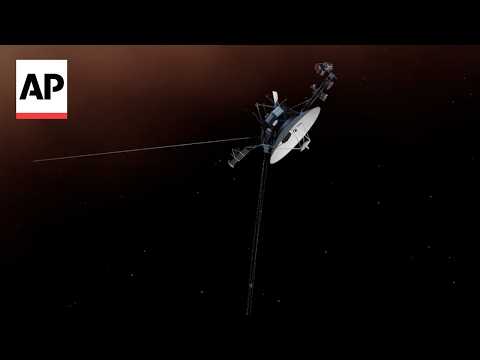
Voyager 1 becomes the first spacecraft to reach one light-day from Earth

Voyager 1 becomes the first spacecraft to reach one light-day from Earth

New Capabilities

The 1977 probe is 25.9 billion kilometers out, and its radio signals now take a full day to reach home.

Overview

Updated 1 hour ago

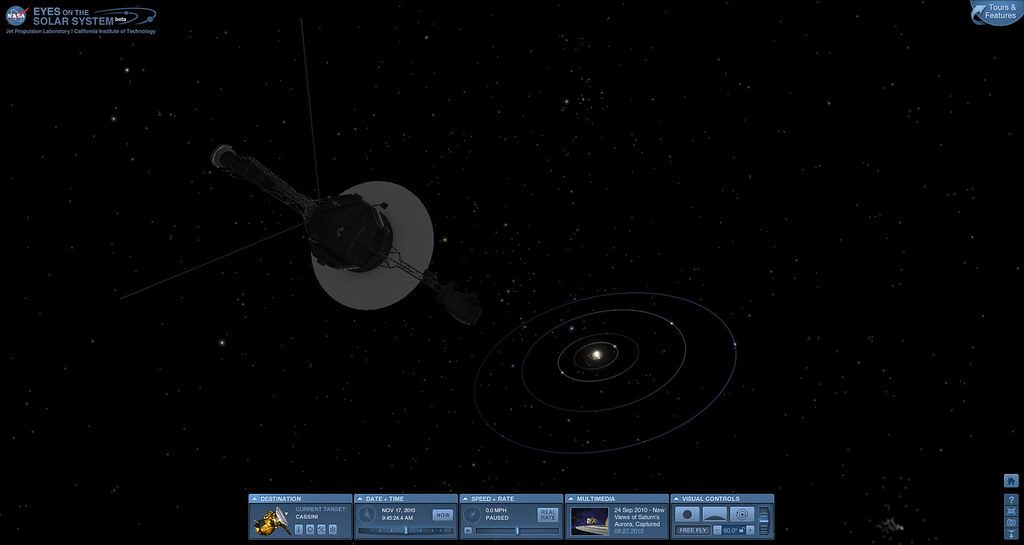
Voyager 1 is now one light-day from Earth. At 5:16 a.m. Eastern on November 18, 2026, the spacecraft passed 25.9 billion kilometers (16.1 billion miles) from home, the distance light covers in 24 hours. No other human-made object has gone that far.

The crossing is permanent. Earth's orbit swings the planet about 150 million kilometers closer and farther from Voyager 1 over a year, but the probe is moving outward fast enough that it will never be less than a light-day away again. Radio signals now take 24 hours each way, so engineers act on day-old data and wait two days for a reply.

Why it matters

Every signal Voyager 1 sends now describes a place 24 light-hours away, and no other spacecraft has ever been there.

Questions about this story

Free account needed to ask — your question is kept and asked for you right after sign-up. Answers are public.

No questions yet — be the first to ask.

Key Indicators

25.9B km
Distance from Earth
One light-day, reached on November 18, 2026.
24 hours
One-way signal travel time
A command sent today gets a reply tomorrow.
2 of 10
Science instruments still operating
Engineers have shut down eight to save power.
4 W
Power lost per year
The plutonium generator's output falls about 4 watts annually.
49 years
Time since launch
Voyager 1 launched on September 5, 1977.

Voices

Curated perspectives — historical figures and your fellow readers.

Sign up to generate historical perspectives on this story.

People Involved

Organizations Involved

Timeline

August 1977 November 2026

12 events Latest: Today Showing 8 of 12
Tap a bar to jump to that date
  1. Voyager 1 reaches one light-day from Earth

    Today Milestone

    It passes 25.9 billion kilometers out, and its signals now take 24 hours to arrive.

  2. Scientists confirm the interstellar crossing

    Confirmation

    A solar disturbance lets them measure plasma density and date the crossing.

  3. Voyager 1 enters interstellar space

    Boundary crossing

    It crosses the heliopause at about 18.2 billion kilometers from the Sun.

  4. Voyager 1 crosses the termination shock

    Boundary crossing

    The solar wind abruptly slows as it meets pressure from beyond.

  5. Voyager 1 becomes the most distant human-made object

    Record

    It passes Pioneer 10 at 10.4 billion kilometers from the Sun.

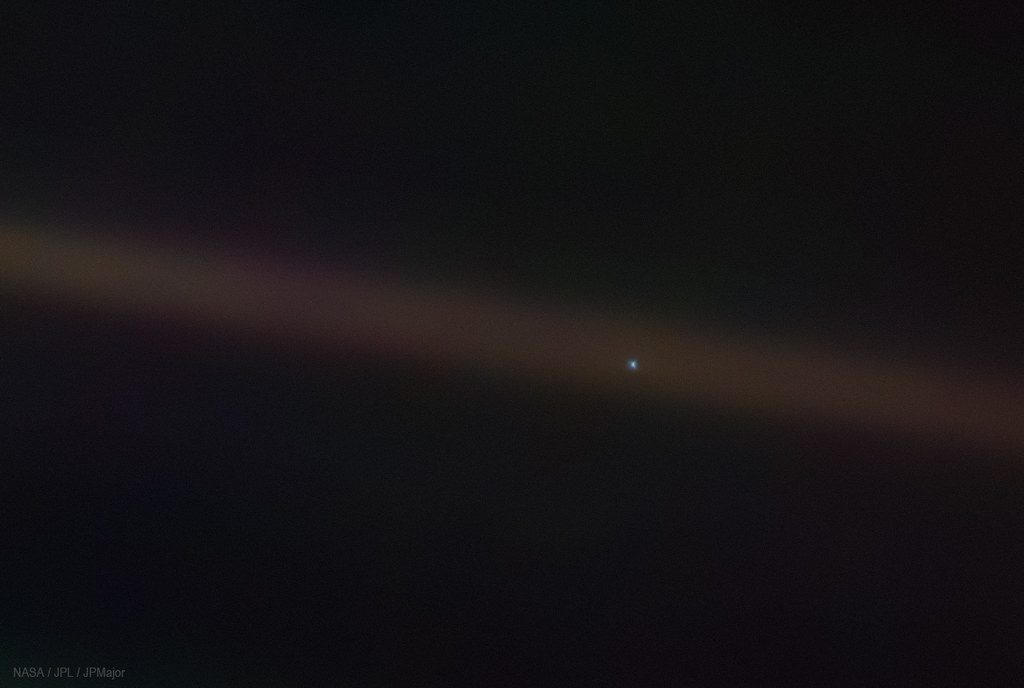
  6. Voyager 1 photographs the Pale Blue Dot

    Observation

    At Carl Sagan's urging, it turns its camera back toward Earth.

  7. Voyager 2 flies past Neptune

    Flyby

    The first and only spacecraft to visit Neptune.

  8. Voyager 2 flies past Uranus

    Flyby

    The only spacecraft to visit the planet.

  9. Voyager 1 passes Saturn

    Flyby

    A close Titan flyby bends its path out of the planets' plane.

  10. Voyager 1 flies past Jupiter

    Flyby

    It finds lightning in the atmosphere and active volcanoes on Io.

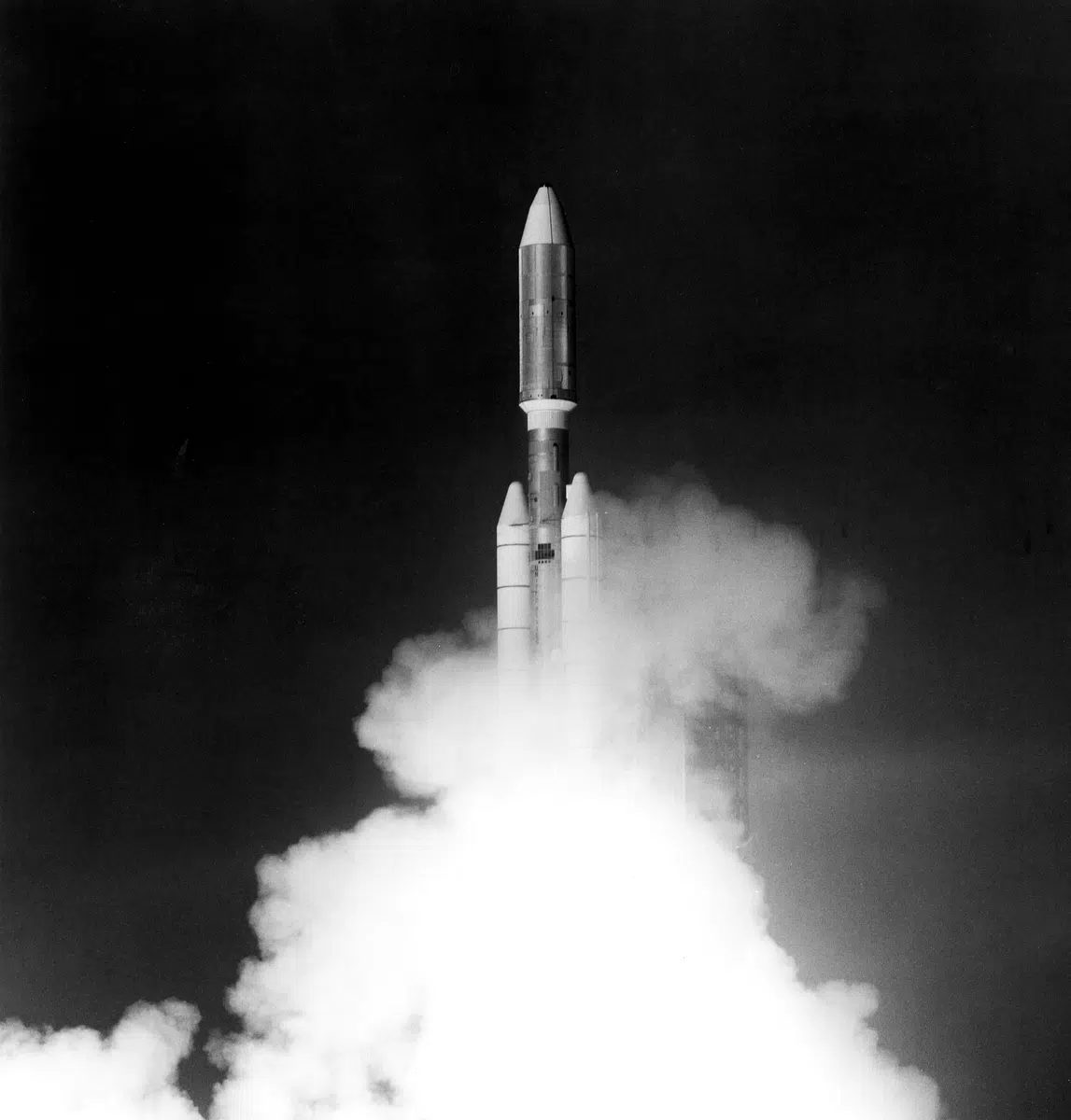
  11. Voyager 1 launches

    Launch

    It takes the faster route to Jupiter and Saturn.

  12. Voyager 2 launches first

    Launch

    It takes the slower route, leaving Uranus and Neptune for later.

Scenarios

1

Voyager 1 keeps one instrument running into the 2030s

Likely Resolves by End of 2030

Discussed by: NASA Jet Propulsion Laboratory mission planners

NASA has forecast that the probe's plutonium generator can power one science instrument into the 2030s. Each year the team shuts down another heater or instrument to stretch the margin. If the forecast holds, Voyager 1 keeps returning interstellar data for another decade.

2

Voyager 1 falls silent before 2030

Possible Resolves by Jan 1, 2030

Discussed by: Voyager engineers tracking roughly 4 watts of annual power loss

The generator loses about 4 watts a year. A failed component, a missed command or a faster-than-expected decline could end the mission earlier than forecast. At 24 light-hours, any recovery attempt takes two days per exchange.

3

Voyager 1 settles the interstellar magnetic field puzzle

Uncertain Resolves by End of 2032

Discussed by: Bill Kurth and other Voyager instrument scientists

Since 2012, the magnetic field beyond the heliopause has stayed mostly aligned with the field inside it, contrary to expectations. Kurth says there is no consensus on why. If Voyager 1 travels far enough, the field may rotate to the direction models predict.

Historical Context

3 moments from history that rhyme with this story — and how they unfolded.

March 1972 - February 1998

Pioneer 10's distance record (1972-1998)

Pioneer 10 launched in March 1972 and became the first spacecraft to cross the asteroid belt and fly past Jupiter, in December 1973. For 25 years it was the farthest human-made object from the Sun.

Then

Voyager 1 passed Pioneer 10 on February 17, 1998, at 10.4 billion kilometers from the Sun.

Now

Voyager 1 has held the distance record since, and no other spacecraft is close.

Why this matters now

The record Voyager 1 took in 1998 is the same one it extended this week to a full light-day.

1977

The Grand Tour alignment (1977)

The outer planets lined up in a way that happens roughly once every 176 years, letting a single spacecraft use each planet's gravity to reach the next. NASA launched two probes to exploit it.

Then

Voyager 1 reached Jupiter in 1979 and Saturn in 1980; Voyager 2 went on to Uranus in 1986 and Neptune in 1989.

Now

The gravity assists that made the tour possible also flung Voyager 1 out of the planets' plane and onto its interstellar path.

Why this matters now

The alignment is why Voyager 1 is where it is: a trajectory set by a planetary arrangement that will not repeat for another century.

1990

The Pale Blue Dot (1990)

At the urging of Planetary Society co-founder Carl Sagan, Voyager 1 turned its camera back toward Earth from beyond Neptune. The image showed Earth as a single pixel against a band of scattered sunlight.

Then

The photograph became one of the most widely reproduced images taken in space.

Now

Voyager 1's cameras were shut off afterward to save power, and the probe has not photographed anything since.

Why this matters now

That pixel is now 24 light-hours away, and the camera that took it no longer works.

Sources

(9)