
Pull to refresh
Logo
Daily Brief
Following
Why Sign Up
Magnitude 7.5 earthquake strikes off northern Japan, triggering tsunami warnings and mass evacuations

Magnitude 7.5 earthquake strikes off northern Japan, triggering tsunami warnings and mass evacuations

Built World
By Newzino Staff |

Waves observed well below forecast levels; all tsunami advisories lifted by Tuesday morning

Tomorrow: JMA lifts all tsunami advisories

Overview

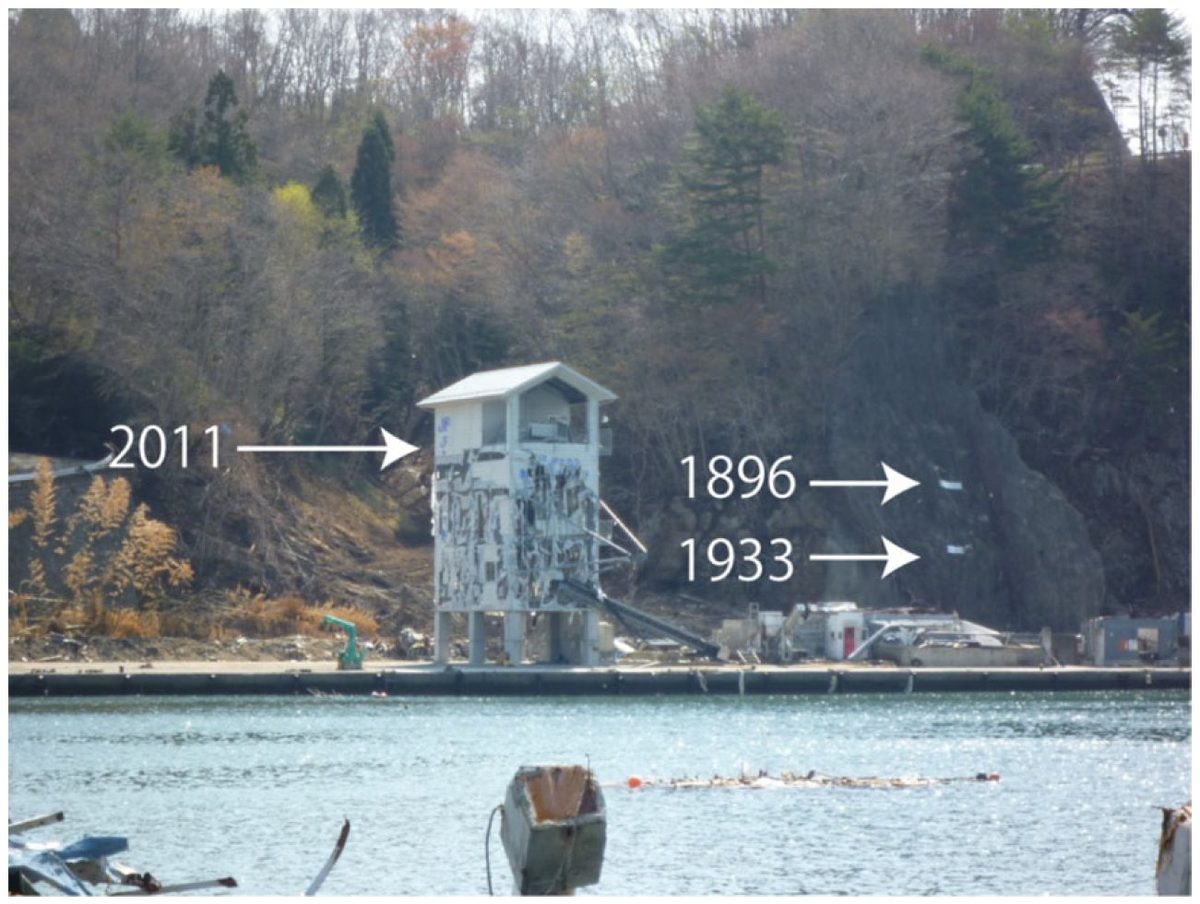
A magnitude 7.5 earthquake struck 100 kilometers off Japan's Iwate Prefecture on Monday afternoon, shaking communities along the same Sanriku coastline where tsunamis killed tens of thousands in 1896, 1933, and 2011. The Japan Meteorological Agency issued tsunami warnings for waves up to three meters and ordered evacuations for nearly 172,000 people across five prefectures. Observed waves peaked at 80 centimeters at Kuji Port, well below the three-meter forecast, and all warnings were lifted by Tuesday morning.

Why it matters

Japan's earthquake warning and evacuation systems faced their biggest Pacific coast test since the 2011 Tohoku disaster, and performed as designed.

Key Indicators

7.5
Earthquake magnitude
Measured by the Japan Meteorological Agency at a shallow depth of 10 kilometers
171,957
People ordered to evacuate
Across five prefectures in northern Japan
80 cm
Highest observed tsunami wave
At Kuji Port in Iwate Prefecture, well below the three-meter warning level
30
Injuries reported
No deaths or major structural damage recorded
0
Nuclear plant abnormalities
Fukushima Daiichi, Fukushima Daini, Onagawa, and Higashidori all reported normal operations

Interactive

Exploring all sides of a story is often best achieved with Play.

Ever wondered what historical figures would say about today's headlines?

Sign up to generate historical perspectives on this story.

Sign Up

Debate Arena

Two rounds, two personas, one winner. You set the crossfire.

People Involved

Organizations Involved

Timeline

  1. JMA lifts all tsunami advisories

    Warning

    The Japan Meteorological Agency downgraded tsunami warnings to advisories and later lifted all advisories. The agency warned that earthquakes of similar scale could occur over the following week.

  2. Magnitude 7.5 earthquake strikes off Iwate coast

    Earthquake

    A shallow earthquake at 10 kilometers depth struck approximately 100 kilometers off the Sanriku coast of Iwate Prefecture. The Japan Meteorological Agency initially measured it at 7.4 before revising to 7.5.

  3. JMA issues tsunami warning for three-meter waves

    Warning

    The Japan Meteorological Agency issued tsunami warnings for Iwate, Aomori, and Hokkaido coastlines, forecasting waves up to three meters. Advisories for one-meter waves were issued for other parts of northeastern Japan.

  4. Evacuations ordered for nearly 172,000 people

    Evacuation

    Japan's disaster management agency ordered evacuations across five prefectures. Residents along the Pacific coast were directed to move to higher ground or designated evacuation buildings.

  5. Tsunami waves observed at multiple ports

    Observation

    Waves reached 80 centimeters at Kuji Port, 40 centimeters at Miyako Port, 30 centimeters at Hachinohe Port, and 20 centimeters at Erimo in Hokkaido. All observations were well below the three-meter warning level.

  6. Takaichi establishes crisis management team

    Government Response

    Prime Minister Sanae Takaichi set up a crisis management team and urged residents in warning areas to evacuate immediately. Chief Cabinet Secretary Minoru Kihara confirmed no deaths or major damage.

  7. Tohoku and Akita Shinkansen lines suspended

    Infrastructure

    Bullet train service between Morioka and Shin-Aomori was halted, along with the Akita Shinkansen line. Nuclear plants at Fukushima Daiichi, Fukushima Daini, Onagawa, and Higashidori reported no abnormalities.

Scenarios

1

Aftershock sequence fades, no further damage

Discussed by: Japan Meteorological Agency seismologists; historical analysis of Sanriku aftershock patterns

The earthquake proves to be an isolated event, with aftershocks diminishing in frequency and magnitude over the following week. No additional tsunami warnings are needed. Infrastructure is fully restored within days and the event reinforces confidence in Japan's preparedness systems.

2

Strong aftershock triggers new tsunami warning

Discussed by: JMA aftershock warnings; seismologists noting the shallow depth and proximity to the Japan Trench

The JMA warned that earthquakes of similar magnitude could follow within a week. A significant aftershock in the magnitude 6 to 7 range could trigger renewed tsunami warnings and evacuations, particularly if it occurs at a similarly shallow depth. Japan's offshore faults are capable of clustered large events, as seen in the 2024 Noto sequence.

3

Event prompts review of Tohoku coastal defenses

Discussed by: Disaster management researchers; Japanese government officials involved in post-2011 infrastructure planning

The earthquake, striking the same coastline devastated in 2011, renews public debate about the adequacy of seawalls, evacuation routes, and warning systems along the Sanriku coast. Officials may accelerate upgrades to aging infrastructure or revise evacuation protocols based on response-time data from this event.

Historical Context

Tohoku earthquake and tsunami (2011)

March 2011

What Happened

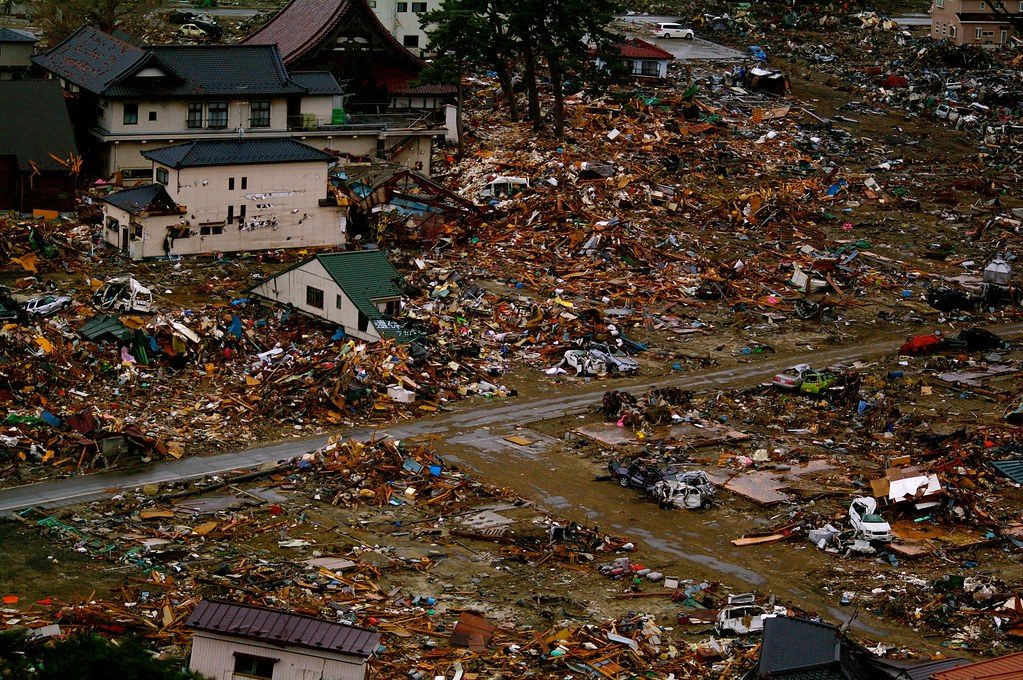
A magnitude 9.1 earthquake struck 72 kilometers off the Oshika Peninsula of Tohoku at a depth of 32 kilometers, generating tsunami waves exceeding 40 meters. The tsunami overwhelmed seawalls, destroyed coastal towns, and triggered meltdowns at three reactors of the Fukushima Daiichi nuclear power plant. Nearly 20,000 people died.

Outcome

Short Term

Japan shut down all 54 of its nuclear reactors for safety reviews. The estimated economic damage exceeded $300 billion, making it the costliest natural disaster in history.

Long Term

Japan overhauled its tsunami warning system, built higher seawalls along the Sanriku coast, and established stricter nuclear safety standards under a new independent regulatory authority.

Why It's Relevant Today

The April 2026 earthquake struck the same Sanriku coastline. The warning systems and evacuation protocols tested on April 20 are direct products of reforms made after 2011. The rapid, orderly evacuation of 172,000 people reflects 15 years of post-Tohoku preparedness investment.

Noto Peninsula earthquake (2024)

January 2024

What Happened

A magnitude 7.5 earthquake struck beneath the Noto Peninsula in Ishikawa Prefecture on New Year's Day at 4:10 p.m. local time, generating a major tsunami warning, the first since 2011. Tsunami waves exceeded five meters along parts of the coast. The earthquake killed 703 people and destroyed thousands of buildings in rural communities.

Outcome

Short Term

The high death toll exposed vulnerabilities in rural disaster preparedness, including aging buildings that did not meet modern seismic codes and limited evacuation routes in mountainous terrain.

Long Term

The disaster prompted national discussion about seismic resilience in aging rural communities and the difficulty of retrofitting traditional wooden structures.

Why It's Relevant Today

The Noto earthquake, identical in magnitude to the April 2026 event, killed over 700 people. The dramatically different outcome off Iwate, with 30 injuries and no deaths, reflects the contrast between a shallow inland quake hitting aging rural structures and an offshore quake where modern warning systems gave populations time to evacuate.

Meiji Sanriku earthquake and tsunami (1896)

June 1896

What Happened

A magnitude 8.5 earthquake struck 166 kilometers off the coast of Iwate Prefecture, generating tsunami waves that reached a record height of 38.2 meters. The waves destroyed approximately 9,000 homes along the Sanriku coast and killed at least 22,000 people. Most victims had no warning because the earthquake's shaking was relatively mild onshore.

Outcome

Short Term

Entire fishing villages along the Sanriku coast were wiped out. Recovery was slow in the largely rural, isolated communities.

Long Term

The disaster, followed by another devastating Sanriku tsunami in 1933, led Japan to begin developing what became the world's most advanced tsunami warning infrastructure.

Why It's Relevant Today

The 1896 disaster struck the same Iwate coastline as the April 2026 earthquake. The 130-year contrast is stark: in 1896, mild shaking gave no indication of the coming tsunami. In 2026, the JMA's seismometer network detected the quake and issued tsunami warnings within minutes, enabling the evacuation of 172,000 people before waves arrived.

Sources

(8)