
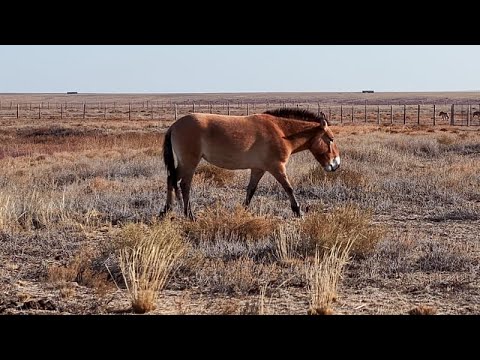
Kazakhstan's first wild-born Przewalski's horse foal in 200 years
New CapabilitiesReintroduced herd reproduces naturally at Altyn Dala reserve, a milestone for restoring the species to its ancestral range
3 days ago: Human Progress reports the milestoneNew here? Follow stories to track developments over time. Create a free account to get updates when stories you care about change.
Overview
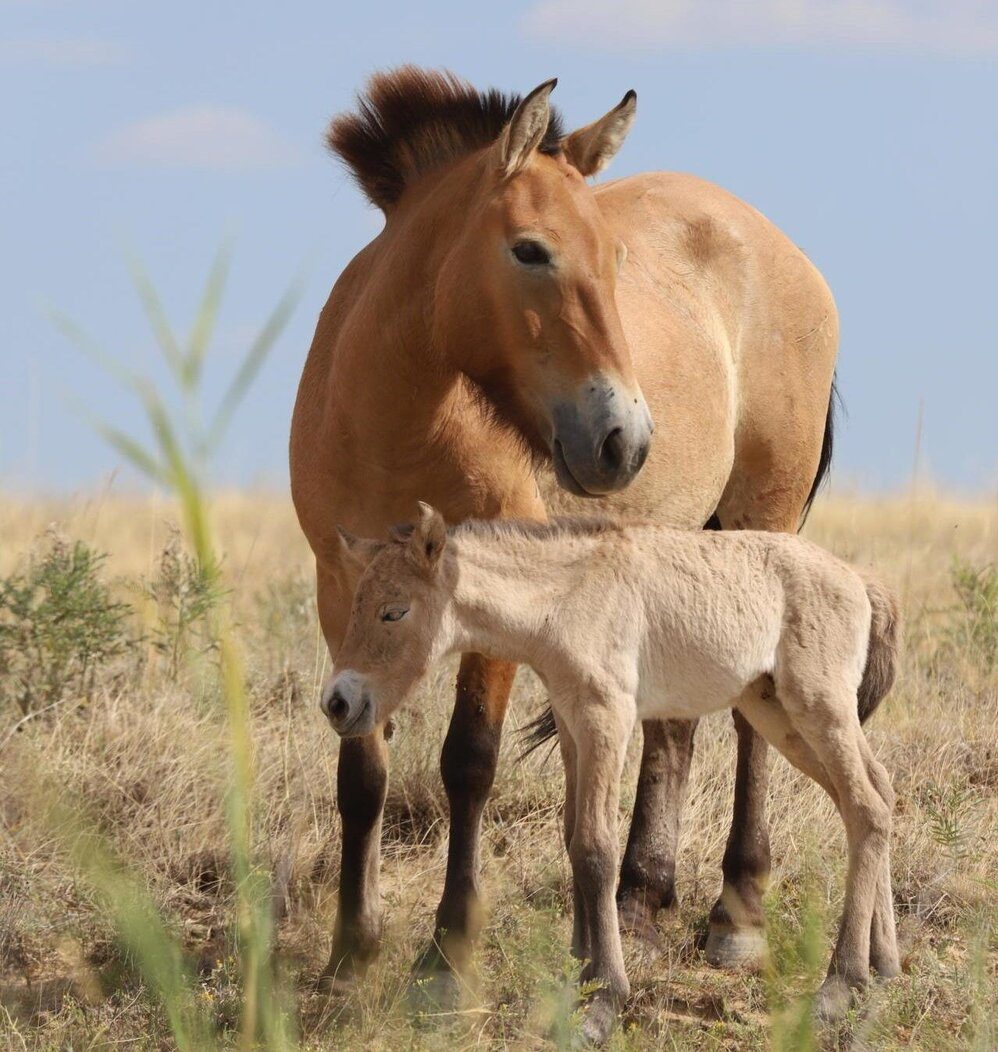
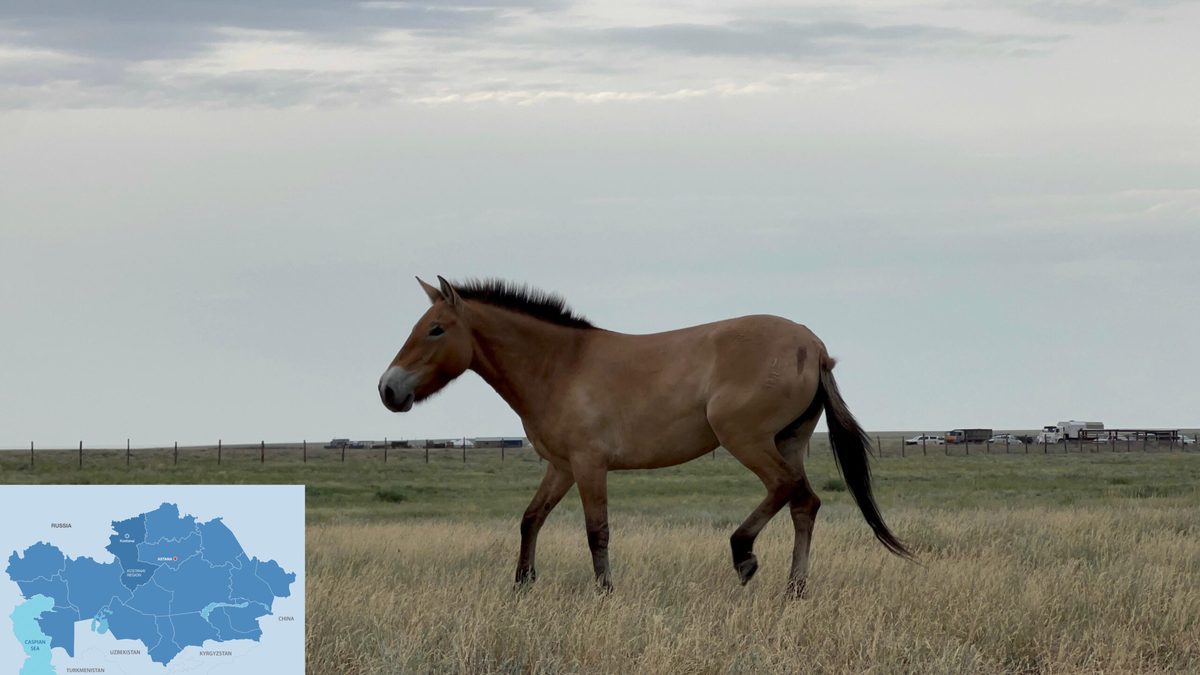
Updated 2 hours agoA Przewalski's horse foal was born on the Central Kazakhstan steppe on August 22, the first wild birth of the species in the country in roughly 200 years. The colt, born to a mare named Tessa at the Alibi Reintroduction Center, is the first offspring of horses brought back under a program to restore the species to its ancestral range.
Przewalski's horses were declared extinct in the wild in 1969; only captive populations in European zoos kept the species alive. The foal's birth shows the reintroduced herd is adapting and reproducing naturally, a step toward a self-sustaining wild population. A second foal, born to a mare named Umbra, followed within days.
Why it matters
If the reintroduction succeeds, Kazakhstan's steppe regains a keystone herbivore lost two centuries ago, and the world's last wild horse species gains a foothold.
Questions about this story
Free account needed to ask — your question is kept and asked for you right after sign-up. Answers are public.
No questions yet — be the first to ask.
Key Indicators
Voices
Curated perspectives — historical figures and your fellow readers.
Play
Exploring all sides of a story is often best achieved with Play.
Higher or Lower
A number from this story, against one from elsewhere in the news — guess which is bigger, then keep the chain going. 5 rounds, 3 strikes; a miss costs a strike and resets your streak.
Keyboard: ↓/L lower · ↑/H higher
0 points — sign up to put that on the leaderboard.
Connections
Sixteen names from the news. Find the four hidden groups of four. Four mistakes max.
Sign up to keep a daily streak — a new puzzle lands every day.
Exit debate?
Your progress in this debate will be lost.
- 1 Two AI personas square off on this story.
- 2 You predict who'll win each round — correct picks earn XP.
- 3 One crossfire question is yours to fire. Pick it carefully.
Couldn't generate a topic
Select Your Champions
Choose one persona for each side of the debate
DEBATE TOPIC
Choose personas with different perspectives for a more dynamic debate.
Select debater for this side:
No debate personas available right now.
Select debater for this side:
No debate personas available right now.
Who's Got This Round?
Make your prediction before the referee scores
The referee scores both sides on
Round Results
Set the Crossfire
Pick the question both personas must answer in the final round
Debate Oracle! You called every round!
Sharp Instincts! You know your debaters!
The Coin Flip Strategist! Perfectly balanced!
The Contrarian! Bold predictions!
Inverse Genius! Try betting the opposite next time!
XP Breakdown
Prediction History
People Involved
Organizations Involved
Coordinates the international breeding program and logistics for moving horses from European zoos to Kazakhstan.
Kazakh conservation group running the day-to-day reintroduction work.
Funds and supports the Altyn Dala Conservation Initiative, the umbrella program for the reintroduction.
Partnership of Kazakh and international groups working to restore the steppe ecosystem.
Timeline
January 1969 September 2026
-
Human Progress reports the milestone
Latest AnnouncementFirst wild-born Przewalski's foal in 200 years reported to international audience.
-
Second foal born to Umbra
MilestoneSecond wild-born foal arrives days after the first, confirming natural reproduction.
-
First wild-born foal born to Tessa
MilestoneMale colt born at Alibi Reintroduction Center, first wild birth in ~200 years.
-
Eight more horses arrive, total reaches 22
MilestoneThird annual transport brings delivered horses to 22.
-
Stallion Zorro dies from leg injury
SetbackSevere bone fracture from a natural accident; mating with two mares observed before death.
-
Seven more horses arrive in Kazakhstan
MilestoneSecond transport under the international reintroduction initiative.
-
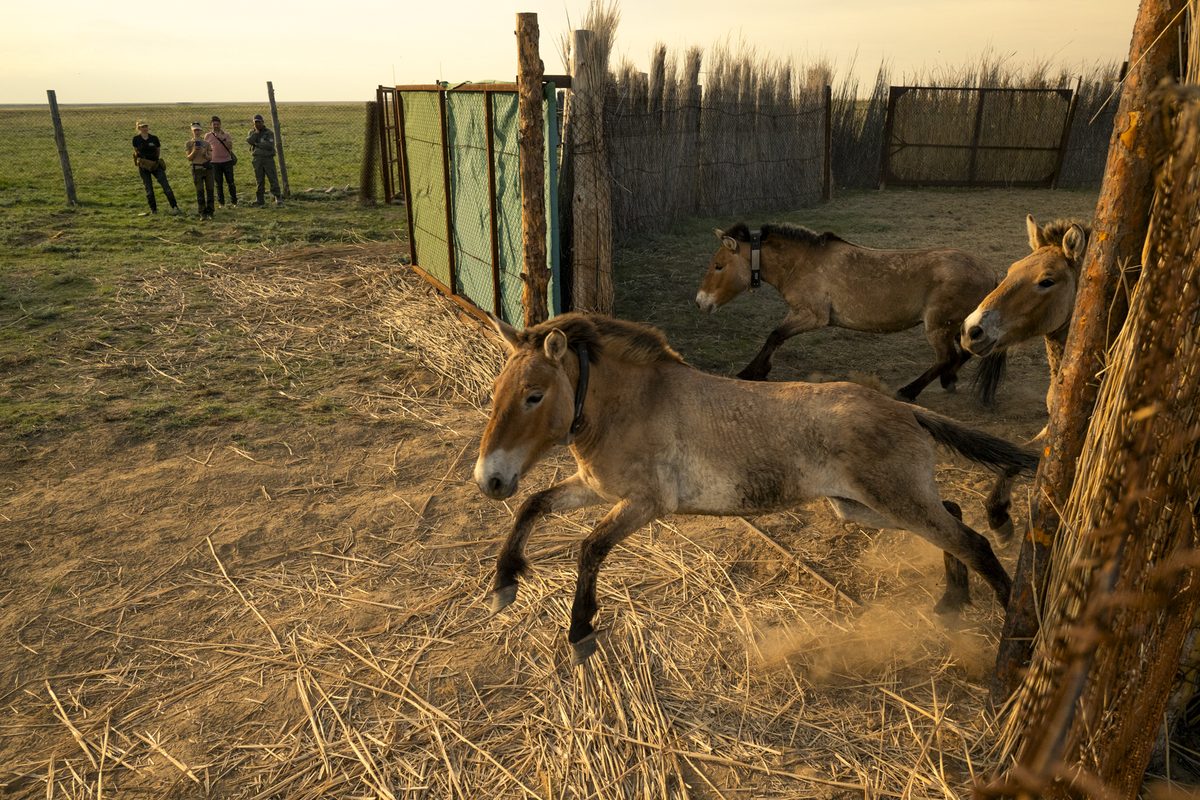
Six horses released into Altyn Dala steppe
MilestoneZorro, Umbra, Wespe, Tessa, Sary, and Ypsilonka released after acclimatization.
-
First seven horses flown to Kazakhstan
MilestoneHorses transported from Prague and Berlin zoos on Czech military aircraft.
-
Przewalski's horse declared extinct in the wild
ContextOnly captive populations in European zoos keep the species alive.
Historical Context
3 moments from history that rhyme with this story — and how they unfolded.
American bison recovery (1889-2000s)
Bison were hunted from tens of millions to fewer than 1,000 by 1889. A handful of private herds and Yellowstone National Park preserved the species.
Protected herds grew slowly through the early 20th century.
Today roughly 500,000 bison live in North America, though most are in commercial herds.
Shows a species can recover from a tiny founder population, but true wild recovery takes decades of protected management.
Arabian oryx recovery from wild extinction (1972-1980s)
The Arabian oryx went extinct in the wild in 1972. A captive herd in Phoenix, Arizona, founded from nine animals, provided stock for reintroduction.
The first reintroduced herd was released in Oman in 1982.
The species now numbers in the thousands across the Arabian Peninsula, though poaching remains a threat.
Demonstrates the full arc from wild extinction to captive survival to wild recovery, the same arc Kazakhstan's Przewalski's horses are now on.
Przewalski's horse reintroduction to Mongolia (1992-2000s)
The species' first major reintroduction began in the 1990s in Mongolia's Hustai National Park, using captive-bred horses from European zoos. Prague Zoo coordinated the studbook and transport, the same role it plays in Kazakhstan.
The Mongolian population grew from a small founder group to several hundred.
Mongolia now hosts the largest wild population of Przewalski's horses, proving captive-bred animals can survive in the wild.
Kazakhstan's program uses the same methods and partners, with the Mongolian experience as the template.
