

Pull to refresh
Logo
Mercury is shrinking faster than thought

Mercury is shrinking faster than thought

New Capabilities

New study says the planet's diameter has shrunk up to 23 kilometers, 10 to 30 percent more than previous estimates

3 days ago: Nature publishes research highlight

Overview

Updated 2 hours ago

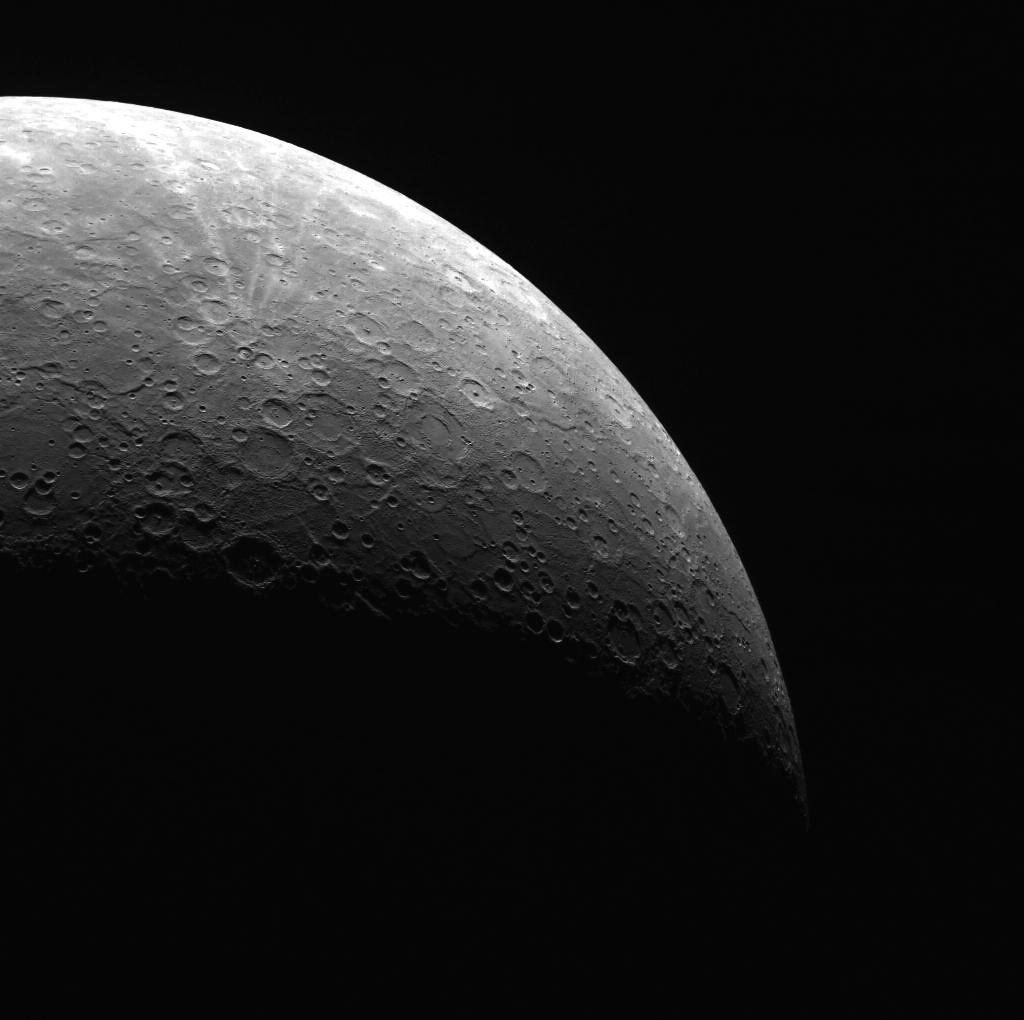
Mercury is cooling. Cooling makes it shrink, and new research says it has shrunk more than scientists calculated: up to 23 kilometers of diameter lost since the planet formed 4.5 billion years ago, 10 to 30 percent more than prior estimates.

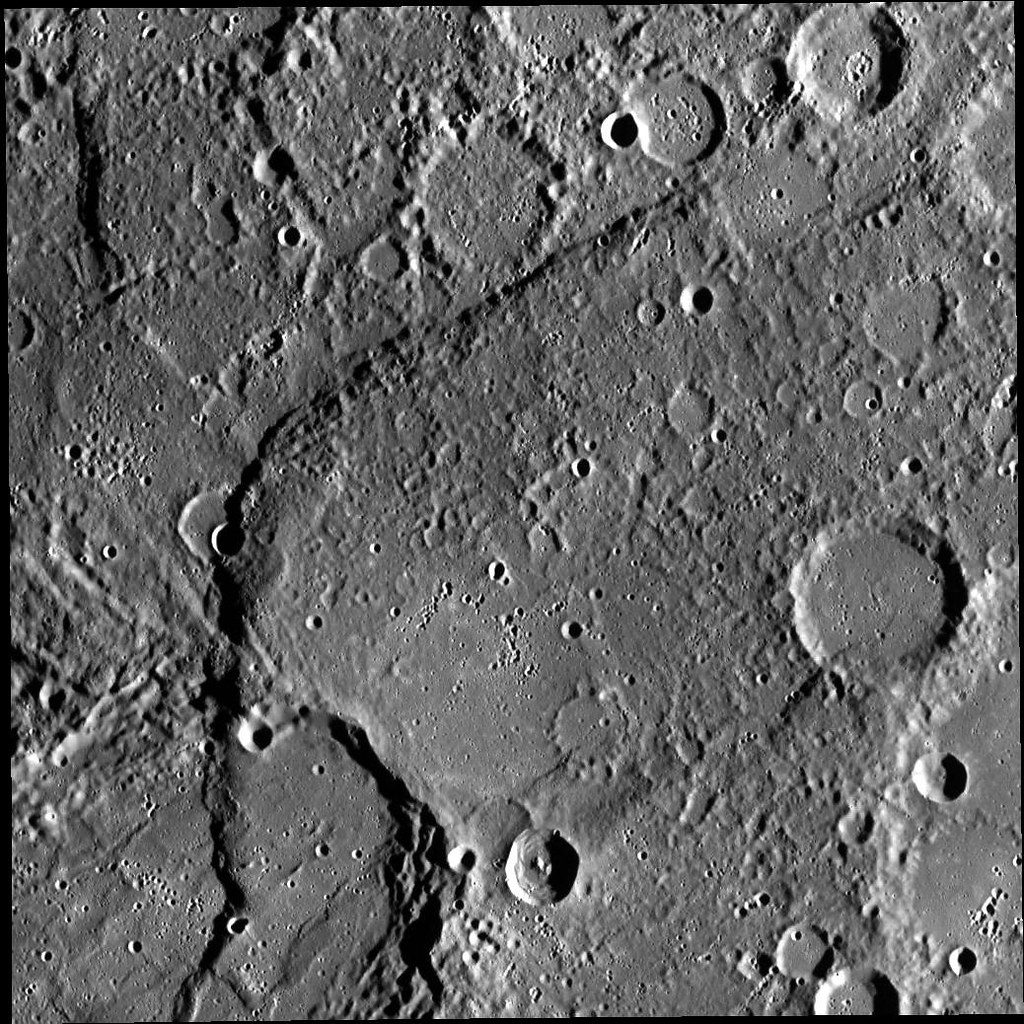
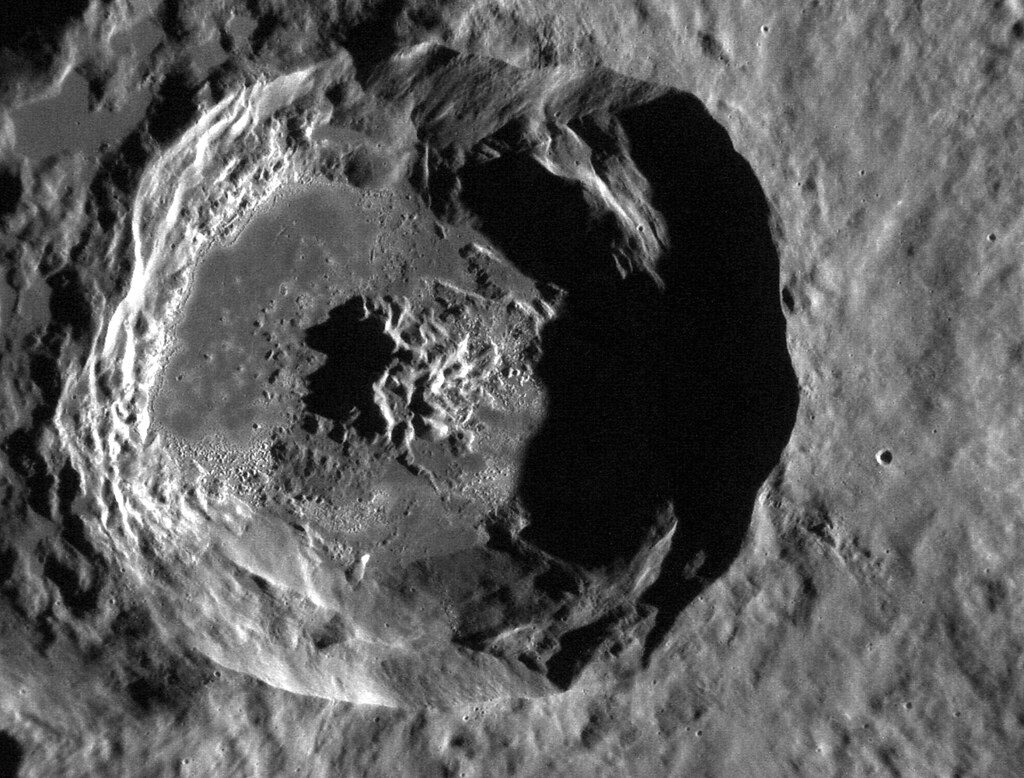
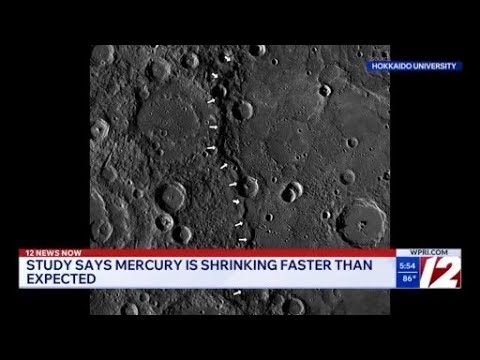
Earlier measurements missed the contraction because Mercury's cratered surface is rough enough to hide the ridges and scarps that record it. A German-Japanese team corrected for that bias, and the new figure matches physics-based predictions for how much the planet's interior should have cooled.

Why it matters

If the estimate holds, Mercury's core has fewer light elements or started hotter—and BepiColombo will test it in November.

Questions about this story

Free account needed to ask — your question is kept and asked for you right after sign-up. Answers are public.

No questions yet — be the first to ask.

Key Indicators

23 km
Estimated total diameter shrinkage
Up from earlier estimates of 4 to 16 kilometers across the whole planet.
10-30%
Correction range for hidden contraction
Rough terrain obscured up to 30% of the shrinkage evidence in previous maps.
5 km
MESSENGER resolution limit
Features smaller than this could not be reliably measured, so the new figure may still be low.

Voices

Curated perspectives — historical figures and your fellow readers.

Ever wondered what historical figures would say about today's headlines?

Sign up to generate historical perspectives on this story.

People Involved

Organizations Involved

Timeline

March 2011 September 2026

4 events Latest: 3 days ago
Tap a bar to jump to that date
  1. Nature publishes research highlight

    Latest

    Nature's editors spotlight the study, noting the revised figure matches physics-based cooling predictions.

  2. Study published in Geophysical Research Letters

    Nishiyama team reports Mercury's rough terrain hid up to 30% of contraction evidence, revising diameter shrinkage to 23 kilometers.

  3. MESSENGER mission ends

    Probe runs out of fuel and crashes into Mercury after completing 4,105 orbits.

  4. MESSENGER enters Mercury orbit

    Mission

    First spacecraft to orbit Mercury begins mapping the planet's surface with cameras and a laser altimeter.

Scenarios

1

BepiColombo confirms the corrected contraction estimate

Likely Resolves by End of 2027

Discussed by: Gaku Nishiyama and the BepiColombo science team

BepiColombo begins high-resolution mapping in November 2026. Its laser altimeter (BELA) will measure surface roughness at finer scales than MESSENGER. If the data confirm the roughness correction, the 10 to 30 percent upward revision stands as the best available figure for Mercury's contraction.

2

BepiColombo finds even more shrinkage

Possible Resolves by Q2 2028

Discussed by: Gaku Nishiyama, who notes current figures may still underestimate contraction

MESSENGER data cannot resolve features smaller than about 5 kilometers. If BepiColombo's higher-resolution scans reveal additional small scarps and ridges, the contraction estimate rises above 23 kilometers of diameter loss. This would push the shrink rate beyond the current 10 to 30 percent correction.

3

BepiColombo shows the correction overstates shrinkage

Unlikely Resolves by Q2 2028

Discussed by: Planetary geologists expecting direct BepiColombo imaging to test the roughness model

If BepiColombo's high-resolution data reveal that some features counted as contraction wrinkles are actually impact-related, the corrected figure could come down toward earlier estimates. This would challenge the roughness-bias model that underpins the new calculations.

Historical Context

2 moments from history that rhyme with this story — and how they unfolded.

1990-1994

Venus revealed by Magellan radar (1990-1994)

NASA's Magellan spacecraft radar-mapped 98% of Venus's surface, revealing thousands of tectonic features, ridges, faults, and coronae, that earlier probes and Earth-based radar had missed.

Then

Magellan's imagery transformed understanding of Venus geology, showing a surface reshaped by both volcanism and tectonic deformation.

Now

Demonstrated that a new instrument with better resolution can expose geological structures previous measurements missed entirely.

Why this matters now

BepiColombo brings the same capability to Mercury that Magellan brought to Venus: a new instrument revealing structures older data could not resolve.

2010

The Moon's discovered contraction (2010)

NASA's Lunar Reconnaissance Orbiter found lobate scarps, small cliffs, scattered across the Moon, showing the Moon had contracted by about 100 meters in radius. Apollo-era photos had missed most of them, leaving earlier contraction estimates far too low.

Then

LRO images proved the Moon is tectonically active despite its small size.

Now

Established that small rocky bodies shrink measurably as they cool, giving scientists a template for reading contraction features on other worlds.

Why this matters now

The same phenomenon, a cooling rocky body shrinking and wrinkling, and the same lesson: higher-resolution imagery revises earlier contraction estimates.

Sources

(10)