Anchor

Metamaterial antenna sharpens MRI scans on existing machines
New CapabilitiesA Berlin team's redesigned MRI antenna boosts signal from the eye and rear of the brain without replacing the scanner
July 10th, 2026: Study draws attention as a low-cost imaging upgradeNew here? Follow stories to track developments over time. Create a free account to get updates when stories you care about change.
Overview
Updated Jul 10MRI scanners struggle to see two places doctors most want to check: the eye and the back of the brain. A team in Berlin built a new antenna from metamaterials that pulls far more signal from those spots.
The device clips onto machines hospitals already own. In tests, it nearly doubled the received signal from some tissue and cut scan times, offering sharper images without buying a new scanner.
Why it matters
Clearer eye and brain scans could catch retinal disease and tumors earlier, using MRI machines hospitals already have.
Questions about this story
Free account needed to ask — your question is kept and asked for you right after sign-up. Answers are public.
No questions yet — be the first to ask.
Key Indicators
Up to 132%
Receive sensitivity gain
The planar antenna picked up 94–132% more signal than a conventional coil.
25–51%
Signal boost inside the eye
Measured increase in signal from eye structures during volunteer scans.
7.0 T
Magnetic field strength
The antenna was built for ultrahigh-field 7-Tesla MRI machines.
1.5°C
Tissue heating at 10 watts
Temperature rise over 30 minutes stayed within safe limits.
Related Media
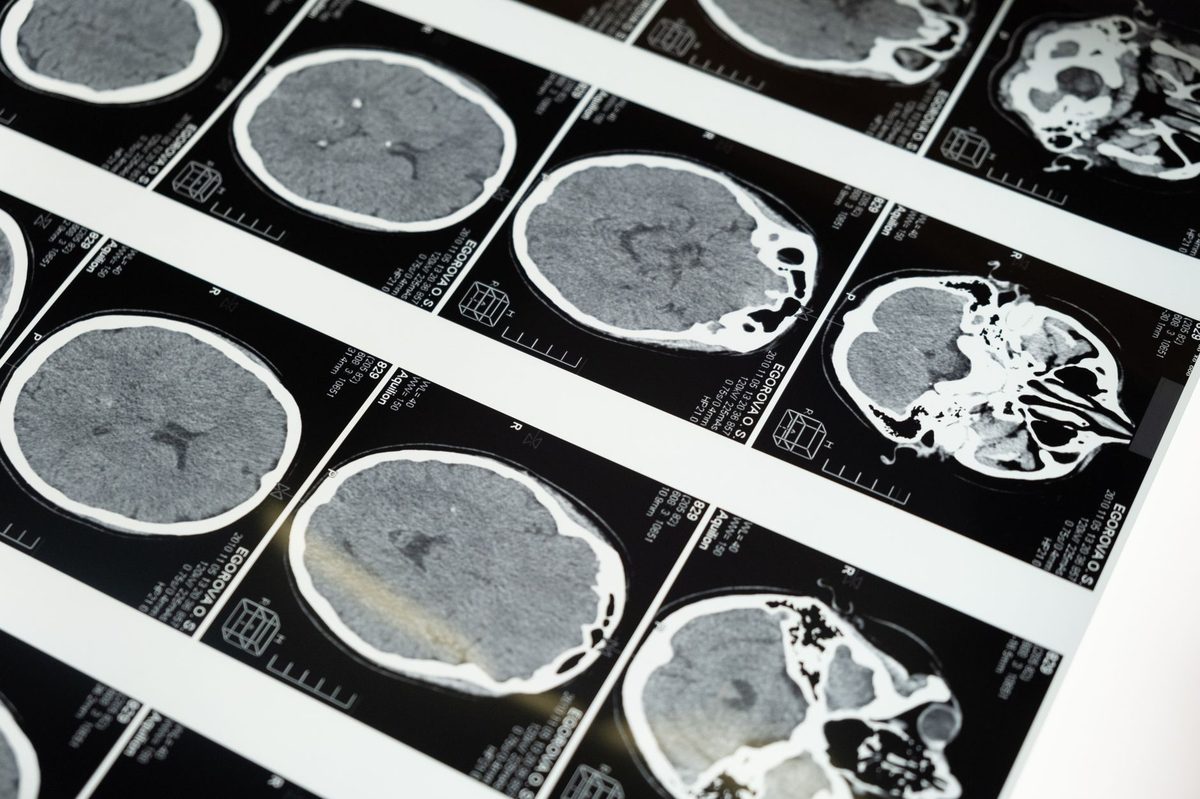
Detailed brain MRI scans displayed on a lightbox, showcasing medical imaging techniques.
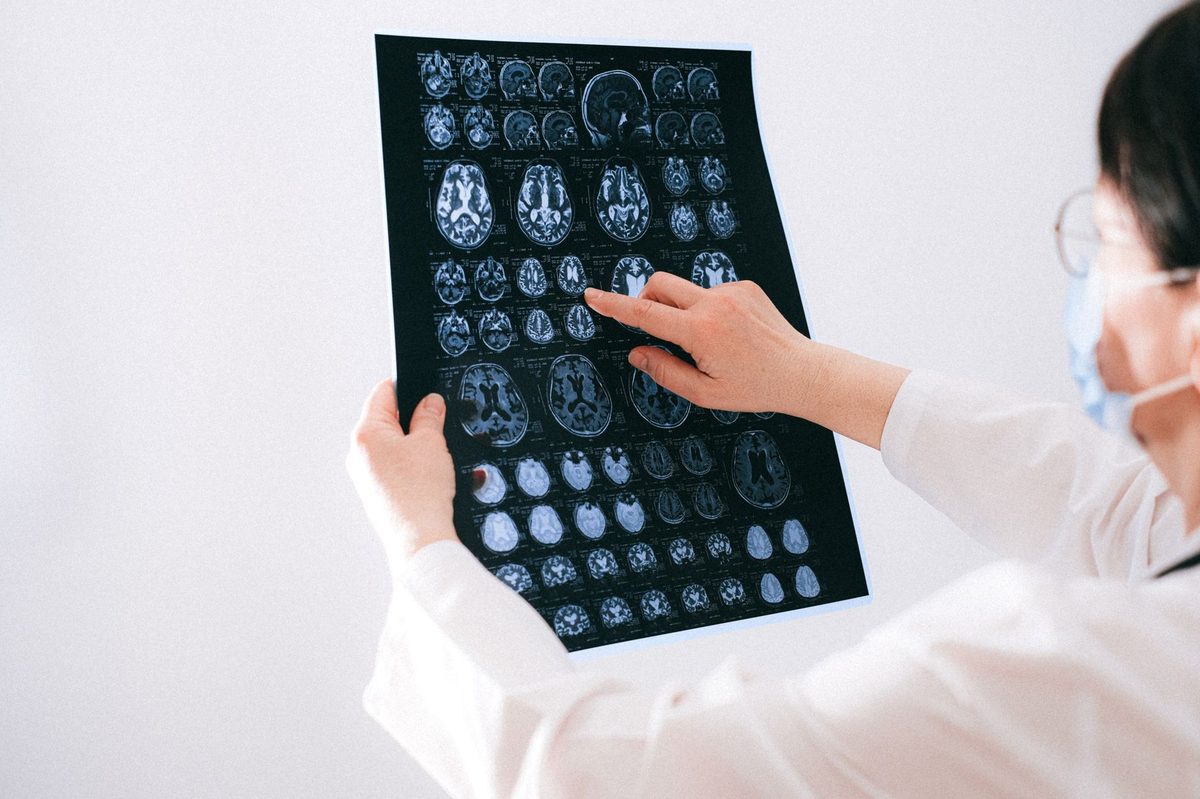
Doctor examines brain MRI scans closely for medical diagnosis in a hospital environment.
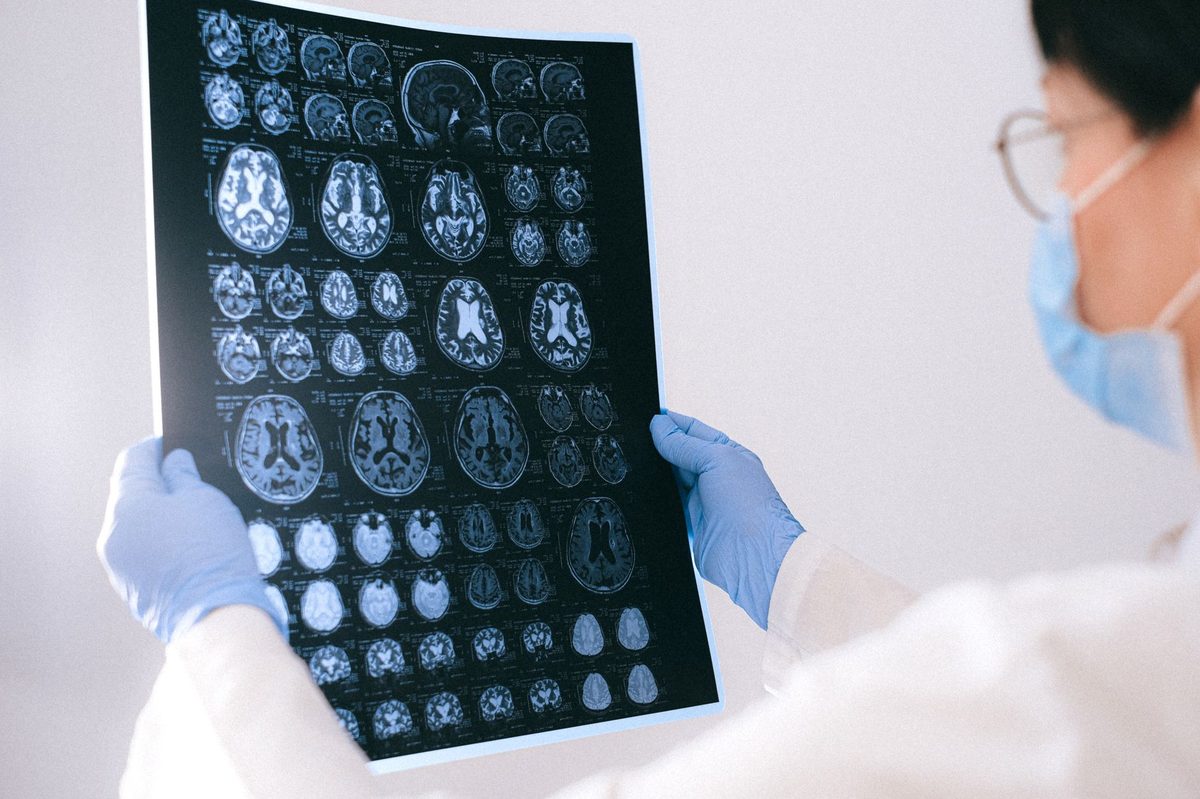
A medical professional reviewing MRI brain scans in a clinical setting, highlighting healthcare technology.

4.0M views
17:53
The Insane Engineering of MRI Machines
Real Engineering
3.2K views
3:04
A quantum leap in brain scanning: New technology could help ...
ITV News
Images from Openverse under Creative Commons licenses. Videos from YouTube.
Voices
Curated perspectives — historical figures and your fellow readers.
Play
Exploring all sides of a story is often best achieved with Play.
Most of these play right now — no account needed. Sign up to save scores, keep a streak, and unlock Debate and Predict.
Log in
Sign Up
Higher or Lower
A number from this story, against one from elsewhere in the news — guess which is bigger, then keep the chain going. 5 rounds, 3 strikes; a miss costs a strike and resets your streak.
Example
Anchor
EU tariff revenue
$52B
Big for this kind of number
Mystery
Pentagon AI contract
?
Round 1
Streak: 0
Mystery
?
Keyboard: ↓/L lower · ↑/H higher
0 pts
Best streak: 0 · Rounds: 0
0 points — sign up to put that on the leaderboard.
Now try on this story
Connections
Sixteen names from the news. Find the four hidden groups of four. Four mistakes max.
Loading today's puzzle…
0/4 groups
Mistakes
Sign up to keep a daily streak — a new puzzle lands every day.
Now try on this story
Exit debate?
Your progress in this debate will be lost.
How it works
- 1 Two AI personas square off on this story.
- 2 You predict who'll win each round — correct picks earn XP.
- 3 One crossfire question is yours to fire. Pick it carefully.
Couldn't generate a topic
Select Your Champions
Choose one persona for each side of the debate
DEBATE TOPIC
Choose personas with different perspectives for a more dynamic debate.
SIDE A (PRO)
Select debater for this side:
No debate personas available right now.
SIDE B (CON)
Select debater for this side:
No debate personas available right now.
VS
Get ready to make your prediction...
Round of
Claim
Evidence
Stakes
Crossfire Answer
Closing Statement
Claim
Evidence
Stakes
Crossfire Answer
Closing Statement
Your Crossfire Question
Generating arguments...
Who's Got This Round?
Make your prediction before the referee scores
The referee scores both sides on
Correct predictions earn +20 XP
· Press 1 or 2 to pick
Evidence
40%
Logic
30%
Detail
20%
Style
10%
Round Results
Your Pick
Not this time
(%)
Overall Score
/10
Your Pick
Not this time
(%)
Overall Score
/10
Set the Crossfire
Pick the question both personas must answer in the final round
Crafting crossfire questions...
Choosing a question earns +10 XP crossfire bonus
🏆
Total XP Earned
Cred Change
Predictions
Debate Oracle! You called every round!
Sharp Instincts! You know your debaters!
The Coin Flip Strategist! Perfectly balanced!
The Contrarian! Bold predictions!
Inverse Genius! Try betting the opposite next time!
XP Breakdown
Base completion
+20 XP
Rounds played ( rounds x 5 XP)
+ XP
Correct predictions ( correct x 20 XP)
+ XP
Crossfire bonus
+10 XP
Accuracy
%
Prediction History
Round
You picked:
✓
✗
Now try on this story
Keep debating to level up your credibility and unlock achievements
People Involved
Organizations Involved
Timeline
March 2026 July 2026
3 events
Latest: July 10th, 2026 · 2 months ago
-
Study draws attention as a low-cost imaging upgrade
Latest CoverageNew reporting stressed that the antenna adds to current scanners rather than replacing them, offering a cheaper path to better diagnostics.
-
Findings reach a wider audience
CoverageScience outlets summarized the work, highlighting clearer eye and brain images and compatibility with existing machines.
-
Study published in Advanced Materials
ResearchThe Berlin team reported that its metamaterial antenna sharpened MRI scans of the eye and rear brain at 7 Tesla, tested in volunteers and some patients.
Historical Context
3 moments from history that rhyme with this story — and how they unfolded.
July 1977
First human MRI scan (1977)
Raymond Damadian and colleagues built a machine they called Indomitable and produced the first MRI scan of a live human chest. The scan took nearly five hours to capture a single crude image.
Then
The result proved magnetic resonance could image soft tissue in a living person, not just chemical samples.
Now
MRI became a standard hospital tool, and much of the field's progress since has come from making scans faster and sharper.
Why this matters now
The Berlin antenna continues that long push to cut scan time and raise detail, this time through hardware bolted onto existing machines.
1990
Phased-array RF coils introduced (1990)
Peter Roemer and co-workers at General Electric described the phased-array coil, which combined several small receiver coils to capture more signal over a wide area at once. It let scanners get better images without sacrificing coverage.
Then
The design quickly spread across clinical MRI as a way to boost signal and speed.
Now
Multi-coil arrays are now standard, and coil design remains one of the main levers for image quality.
Why this matters now
The metamaterial antenna is the newest turn in that same story: change the antenna, not the magnet, to see more.
2005
Metamaterial superlens demonstrated (2005)
Researchers built a working 'superlens' from engineered metamaterials that beat the normal resolution limit of ordinary optics. It showed that structures not found in nature could bend electromagnetic waves in useful new ways.
Then
The demonstration drew wide interest in using metamaterials for imaging and antennas.
Now
Metamaterials moved from theory into practical devices across optics, radar, and wireless.
Why this matters now
This study applies that same idea to MRI, using engineered structures to steer radiofrequency energy toward hard-to-image tissue.
Sources
(4)Related Stories
AI systems advance toward autonomous medical diagnosis
New Capabilities
Updated Jun 24
Noninvasive deep brain stimulation advances
New Capabilities
Updated May 27
PSMA imaging reshapes prostate cancer diagnosis, cutting biopsies in half
New Capabilities
Updated May 30
4DMedical clears Australia for contrast-free lung function imaging
New Capabilities
Updated Jun 29
Mayo Clinic AI detects pancreatic cancer years before diagnosis
New Capabilities
Updated May 31
CRISPR tool makes 'immune-cold' prostate cancer respond to immunotherapy in mice
New Capabilities
Updated Jul 26