


Pull to refresh
Logo
MIT class project becomes FDA-cleared tremor treatment

MIT class project becomes FDA-cleared tremor treatment

New Capabilities

Encora Therapeutics' wrist-worn device cleared for essential tremor after nine-year journey from classroom to clinic

October 2nd, 2026: MIT News publishes story on the device's journey

Overview

Updated 1 hour ago

In 2017, a man with Parkinson's disease walked onto a stage at MIT's Kresge Auditorium and drew a shaky spiral. He put on a wristband built by students in MIT's product-design class, pressed a button, and drew a much steadier spiral to a standing ovation. Nine years later, that class project is an FDA-cleared medical device.

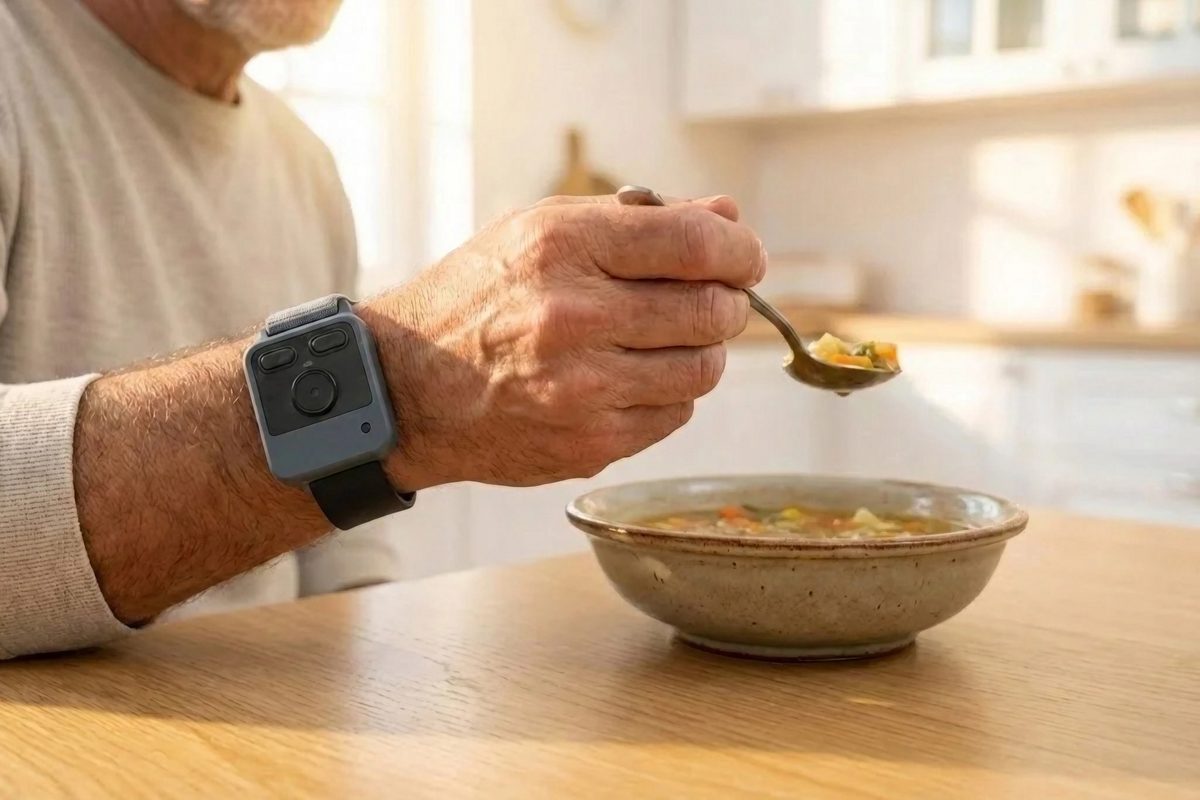
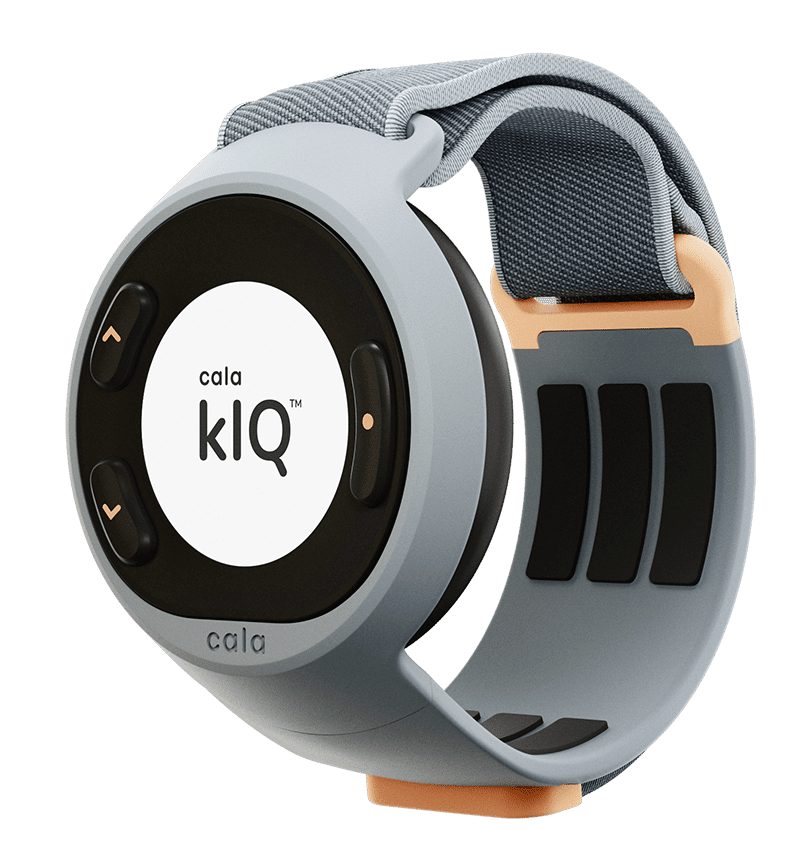
The Food and Drug Administration cleared Encora Therapeutics' Encora X1 in February 2026 to treat essential tremor, a condition that causes shaking in the hands and affects millions of adults. The wrist-worn device uses mechanical vibration to disrupt tremor signals in the brain, offering a non-surgical option for the roughly half of patients who don't improve with medication or can't tolerate its side effects.

Why it matters

Millions of essential tremor patients who don't respond to medication now have a non-surgical option, potentially avoiding invasive brain surgery.

Questions about this story

Free account needed to ask — your question is kept and asked for you right after sign-up. Answers are public.

No questions yet — be the first to ask.

Key Indicators

78%
Patients reporting benefits after 90 days of home use
From one clinical trial of the Encora X1 device.
70%+
Patients with meaningful improvement in trials
Both the randomized control trial and the home-use study showed more than 70 percent of patients improved.
9
Years from class project to FDA clearance
The device began as a 2017 MIT product-design class project and received FDA clearance in February 2026.
510(k)
FDA clearance type
The clearance authorizes commercial marketing of Encora X1 as a prescription device for essential tremor.

Voices

Curated perspectives — historical figures and your fellow readers.

Ever wondered what historical figures would say about today's headlines?

Sign up to generate historical perspectives on this story.

People Involved

Organizations Involved

Timeline

2017 October 2026

7 events Latest: October 2nd, 2026 · 1 week ago
Tap a bar to jump to that date
  1. MIT News publishes story on the device's journey

    Latest Media

    MIT News details the nine-year path from class project to FDA-cleared treatment, bringing the story to wide attention.

  2. FDA grants 510(k) clearance for Encora X1

    Regulatory

    The FDA clears Encora X1 as a prescription wrist-worn device to aid in relief of hand tremors in adults with essential tremor.

  3. Home-use trial with 59 patients

    Clinical Trial

    Encora runs a 59-person trial where patients use the device at home, with 78 percent reporting benefits after 90 days.

  4. Randomized control trial for essential tremor

    Clinical Trial

    Encora runs a 47-patient randomized control trial for essential tremor, with more than 70 percent of patients showing meaningful improvement.

  5. First clinical trial with Parkinson's patients

    Clinical Trial

    Encora runs a 20-patient trial with MassGeneral Brigham, initially focused on Parkinson's disease.

  6. Encora Therapeutics founded

    Company

    The student team formally launches as a company, leveraging MIT entrepreneurial resources like MIT Sandbox and the Venture Mentoring Service.

  7. MIT class project prototype demonstrated

    Milestone

    Students in MIT's 2.009 product-design class present a wristband that reduces tremors in a Parkinson's patient on stage.

Scenarios

1

Encora X1 reaches patients nationwide

Likely Resolves by End of 2027

Discussed by: Encora Therapeutics leadership, MIT News

Encora is building a national sales force and working to secure insurance coverage. If successful, the device becomes available to patients across the U.S. through prescription, with a phased geographic rollout planned in the coming months.

2

Encora expands to Parkinson's disease

Possible Resolves by End of 2028

Discussed by: MIT News, company history

The device was originally developed for Parkinson's disease before the company pivoted to essential tremor after learning more patients have it. A Parkinson's indication remains possible if the company runs additional trials and seeks another FDA clearance.

3

Reimbursement hurdles slow adoption

Possible Resolves by Q2 2027

Discussed by: Fierce Biotech, industry analysts

New medical devices often struggle to secure insurance coverage. If insurers don't cover the device, patient access could be limited to those who can pay out of pocket, slowing the company's commercial growth.

Historical Context

2 moments from history that rhyme with this story — and how they unfolded.

1997

Deep brain stimulation for essential tremor (1997)

The FDA approved deep brain stimulation (DBS) for essential tremor. The procedure involves drilling holes in the skull and implanting electrodes that deliver electrical stimulation to specific brain regions, targeting the same areas Encora's device now reaches non-invasively.

Then

DBS became the standard surgical treatment for medication-resistant tremor, offering relief for many patients.

Now

DBS remains the primary surgical option, but it carries risks of infection, bleeding, and hardware complications, and many patients are not candidates.

Why this matters now

Encora's device targets the same brain regions with mechanical vibration at the wrist, offering a non-invasive alternative for patients who aren't candidates for or don't want surgery.

September 2018

Apple Watch ECG clearance (2018)

The FDA cleared the Apple Watch's electrocardiogram (ECG) feature, allowing the consumer wearable to detect atrial fibrillation. It was one of the first consumer smartwatch features to gain FDA clearance as a medical device.

Then

The clearance marked a shift toward consumer wearables gaining medical device status.

Now

It opened the door for more wrist-worn devices to pursue FDA clearance for health features, including therapeutic applications like Encora X1.

Why this matters now

Like the Apple Watch, Encora X1 is a wrist-worn device that gained FDA clearance, showing the growing acceptance of wearables as medical devices.

Sources

(8)