



Pull to refresh
Logo
MIT creates injectable mini livers that work inside the body

MIT creates injectable mini livers that work inside the body

New Capabilities

Liver cells delivered with hydrogel microspheres stayed viable in mice for eight weeks, offering a transplant-free path for liver failure.

Yesterday: ScienceDaily recirculates the satellite-liver findings

Overview

Updated 2 hours ago

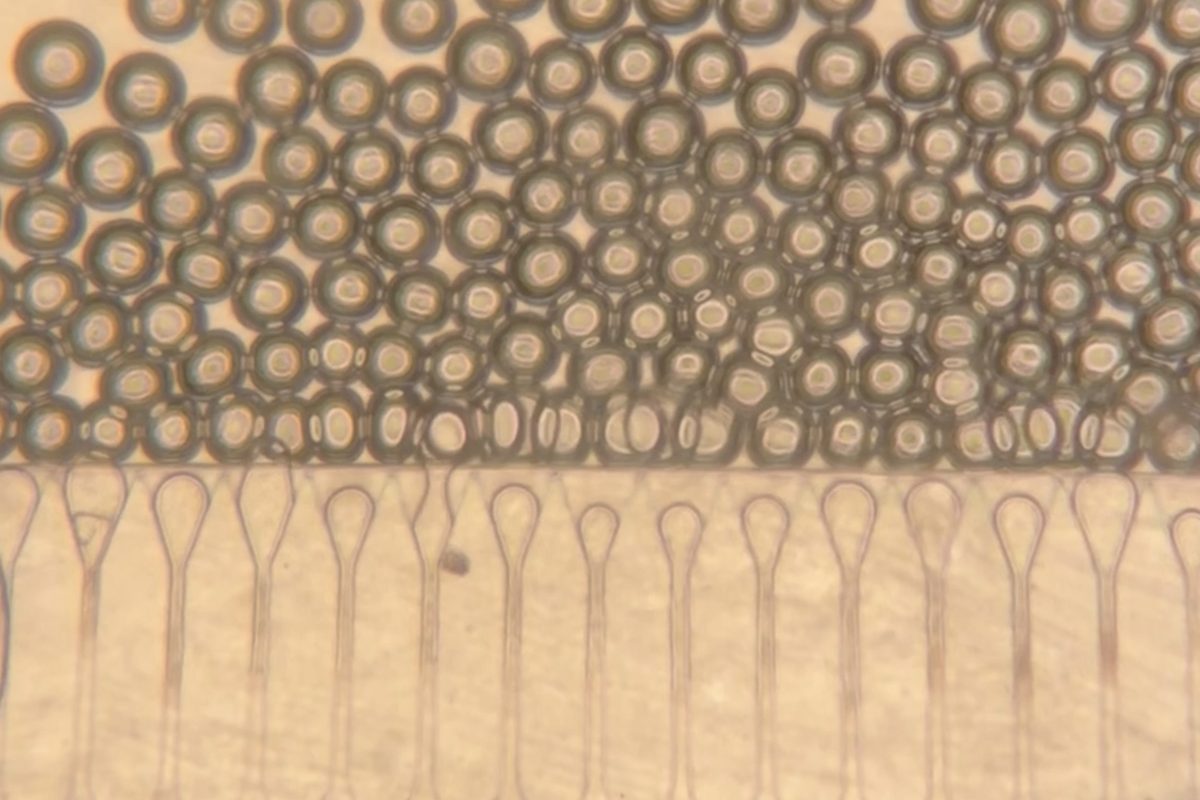
More than 10,000 Americans with chronic liver disease wait for a transplant, and many are too sick for the surgery. MIT engineers have developed an injectable alternative: liver cells bundled with hydrogel microspheres that settle into the body and form working tissue.

In mice, the injected cells stayed alive and secreted liver proteins for eight weeks, the full length of the study. The approach, published in Cell Biomaterials, could serve as a bridge for patients awaiting a donor organ — or eventually replace transplant surgery for some.

Why it matters

Liver patients too sick for transplant surgery could gain an injectable treatment instead of waiting for a donor organ.

Questions about this story

Free account needed to ask — your question is kept and asked for you right after sign-up. Answers are public.

No questions yet — be the first to ask.

Key Indicators

10,000+
Americans on the liver transplant waitlist
More than 10,000 people wait, and many are not healthy enough for surgery.
8 weeks
Injected liver cells stay viable in mice
Cells produced liver-specific proteins for the entire length of the study.
3
Components in the injectable mixture
Hepatocytes, hydrogel microspheres, and supportive fibroblast cells.

Voices

Curated perspectives — historical figures and your fellow readers.

Ever wondered what historical figures would say about today's headlines?

Sign up to generate historical perspectives on this story.

Play

Exploring all sides of a story is often best achieved with Play.

Most of these play right now — no account needed. Sign up to save scores, keep a streak, and unlock Debate and Predict. Log in Sign Up
Predict 3 ways this could play out. Back the one you believe — contrarian picks score more when a scenario has a resolution date. Log in to play

People Involved

Organizations Involved

Timeline

March 2026 September 2026

3 events Latest: Yesterday
  1. ScienceDaily recirculates the satellite-liver findings

    Latest Media coverage

    ScienceDaily republished the MIT research announcement, widening public awareness of the experimental therapy.

  2. Technology Review features the liver-cell research

    Media coverage

    MIT Technology Review published a feature on the injectable mini livers and their potential as a transplant alternative.

  3. MIT announces injectable satellite livers

    Research publication

    MIT News released the Cell Biomaterials study showing injected liver cells stayed functional in mice for eight weeks.

Historical Context

3 moments from history that rhyme with this story — and how they unfolded.

July 2000

Edmonton Protocol (2000)

Researchers at the University of Alberta transplanted pancreatic islet cells from donor organs into seven patients with severe type 1 diabetes. All seven stopped needing insulin injections for at least a year.

Then

The protocol proved that cellular therapy could restore organ function without a whole-organ transplant. But patients faced lifelong immunosuppression, and islet function often faded within a few years.

Now

Islet transplantation became a standard option for selected patients, yet donor supply and immune rejection kept it from wide use.

Why this matters now

The MIT satellite-liver approach faces the same twin hurdles — immunosuppression and long-term cell survival — that limited the Edmonton Protocol.

2014–2020s

Encapsulated beta cell therapy (2014–2020s)

Companies like ViaCyte tested device-encapsulated, stem-cell-derived beta cells for diabetes, aiming to let transplanted cells work without immunosuppression. Early trials showed cells survived and produced insulin, but efficacy was modest.

Then

Encapsulation protected cells from immune attack in some patients, a proof of concept for shielding donor cells.

Now

The field has continued refining encapsulation, with mixed clinical results so far.

Why this matters now

The MIT team's 'stealthy hepatocytes' and immunosuppressant-eluting microspheres are direct attempts to solve the same immune-compatibility problem.

1990s–2000s

Hepatocyte transplantation trials (1990s–2000s)

Doctors infused donor liver cells directly into patients with metabolic liver disease as an alternative to whole-organ transplant. Some patients showed temporary improvement in liver function.

Then

Most grafts failed to engraft durably; cells survived poorly and were often rejected.

Now

The approach never reached broad clinical use, limited by cell survival, engraftment, and donor scarcity.

Why this matters now

The MIT microsphere niche directly targets the engraftment failure that stalled earlier hepatocyte transplants.

Sources

(10)