

Pull to refresh
Logo
UK declares severe drought across six southern counties

UK declares severe drought across six southern counties

Built World

Driest April-to-September in a century pushes reservoirs below 20% capacity

Yesterday: Severe drought declared in six counties

Overview

Updated 1 hour ago

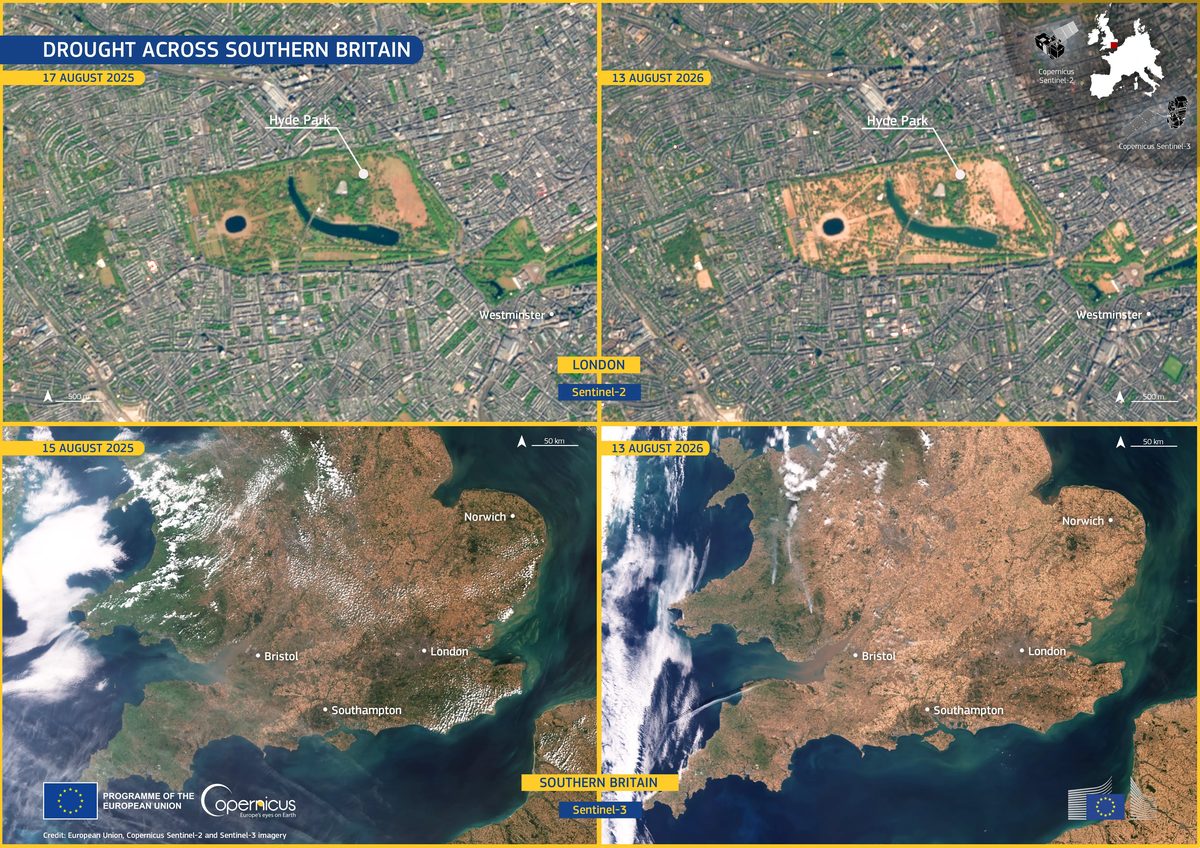
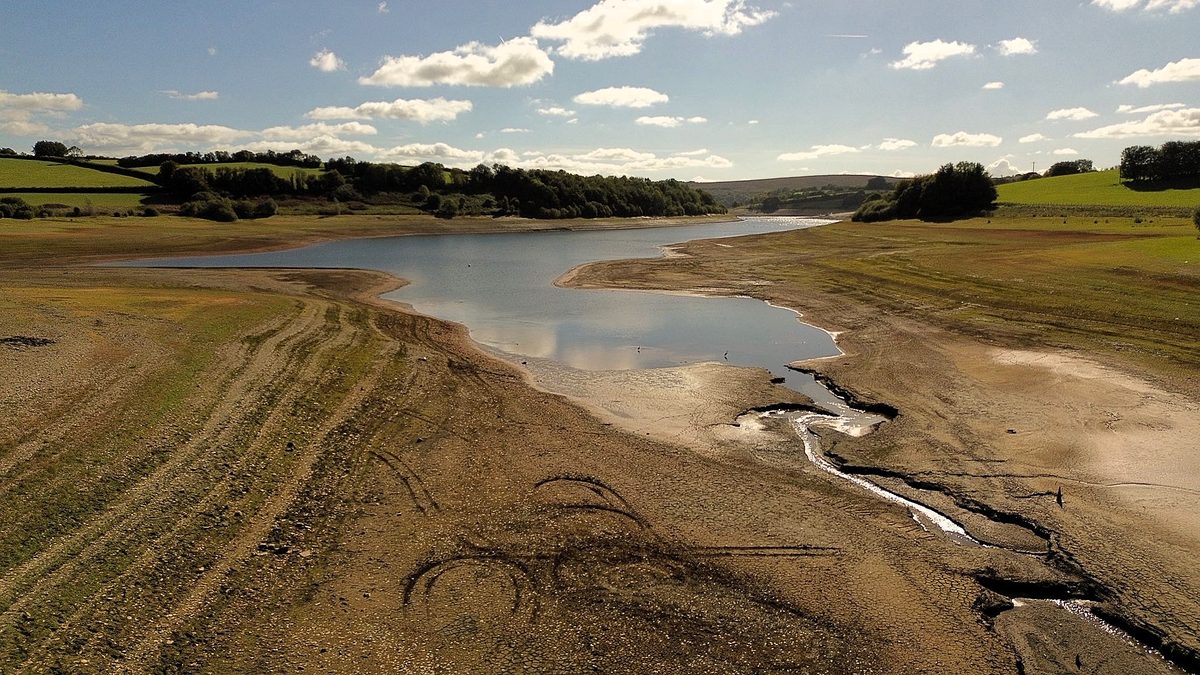
The UK government declared a severe drought across Cornwall, Devon, Dorset, Somerset, East Sussex and West Sussex on October 14, after their driest April-to-September in more than a century. Two reservoirs have fallen below 20% capacity: Wimbleball in Somerset at 14.9% and Ardingly in West Sussex at 19.4%.

The declaration gives Water Minister Emma Hardy new powers. Water companies must monitor reservoir levels daily, and the Environment Agency can now prioritise public supplies over environmental rules. More than 80% of England is already in drought, and three water companies are seeking new restrictions on business water use.

Why it matters

If winter rains fail to refill southern England's reservoirs, millions of households and businesses face tighter restrictions and possible supply interruptions.

Questions about this story

Free account needed to ask — your question is kept and asked for you right after sign-up. Answers are public.

No questions yet — be the first to ask.

Key Indicators

14.9%
Wimbleball Reservoir capacity
The Somerset reservoir serving about 300,000 properties is at 14.9% of capacity.
19.4%
Ardingly Reservoir capacity
The West Sussex reservoir serving 280,000 customers fell below 20% in mid-October.
11
English areas in drought
Eleven of England's drought areas remain under drought status as of mid-October.
21%
Reservoir levels below autumn average
England's reservoirs sit at 54% capacity, 21% below what is expected in autumn.

Voices

Curated perspectives — historical figures and your fellow readers.

Ever wondered what historical figures would say about today's headlines?

Sign up to generate historical perspectives on this story.

People Involved

Organizations Involved

Timeline

August 2026 October 2026

4 events Latest: Yesterday
Tap a bar to jump to that date
  1. Severe drought declared in six counties

    Latest Government

    Severe drought declared in Cornwall, Devon, Dorset, Somerset, East Sussex and West Sussex.

  2. South East Water tightens restrictions

    Regulation

    South East Water tightens hosepipe rules and gains a drought permit to keep more water in Ardingly.

  3. Hosepipe ban begins in the South West

    Restriction

    A hosepipe ban takes effect in Devon, Cornwall, the Isles of Scilly and parts of Dorset and Somerset, with no end date set.

  4. Wessex Water issues first ban in 50 years

    Restriction

    Wessex Water introduces its first hosepipe ban in 50 years for customers supplied from Wimbleball.

Scenarios

1

Winter rains refill reservoirs, severe drought lifted by spring

Possible Resolves by Apr 30, 2027

Discussed by: Met Office seasonal forecasts and Environment Agency water situation reports

The Met Office says above-average rainfall over a sustained seven-month period is needed to bring all areas out of drought. A wet winter, as forecast, would refill reservoirs and allow the government to lift severe drought status by spring. South East Water's Douglas Whitfield noted a wet winter has been forecast but the timing is not clear.

2

Drought deepens, businesses face non-essential water bans

Likely Resolves by End of 2026

Discussed by: The Guardian; three unnamed water companies seeking restrictions

Three water companies are seeking powers to bar businesses from non-essential water use: golf clubs and private schools could lose irrigation water, and commercial car washes could stop operating. Continued dry weather would push these bans through, expanding restrictions beyond households.

3

Standpipes deployed as reservoirs run dry

Unlikely Resolves by Q2 2027

Discussed by: South East Water operations director Douglas Whitfield

If Ardingly and Wimbleball reservoirs fall below usable levels and winter rains fail, water companies would deploy standpipes, the street-level taps last used in Britain during severe shortages. Whitfield called this unlikely but confirmed standpipes remain part of South East Water's drought plan, noting it would require a very dry autumn and winter.

Historical Context

2 moments from history that rhyme with this story — and how they unfolded.

Summer 1976

1976 UK drought

The 1976 UK drought remains the benchmark for British water scarcity. Sixteen months of below-average rainfall left reservoirs critically low, standpipes appeared in parts of the country, and Parliament passed the Drought Act 1976 to manage water use during the crisis.

Then

September rains ended the crisis, but the drought spawned lasting public awareness of water scarcity and new drought legislation.

Now

The Drought Act's powers shaped how UK water restrictions and drought management work today.

Why this matters now

Like 1976, the current drought has stretched for months with reservoirs at record lows. The government's severe drought declaration mirrors the crisis management of 50 years ago.

August-September 2022

England's record 2022 drought

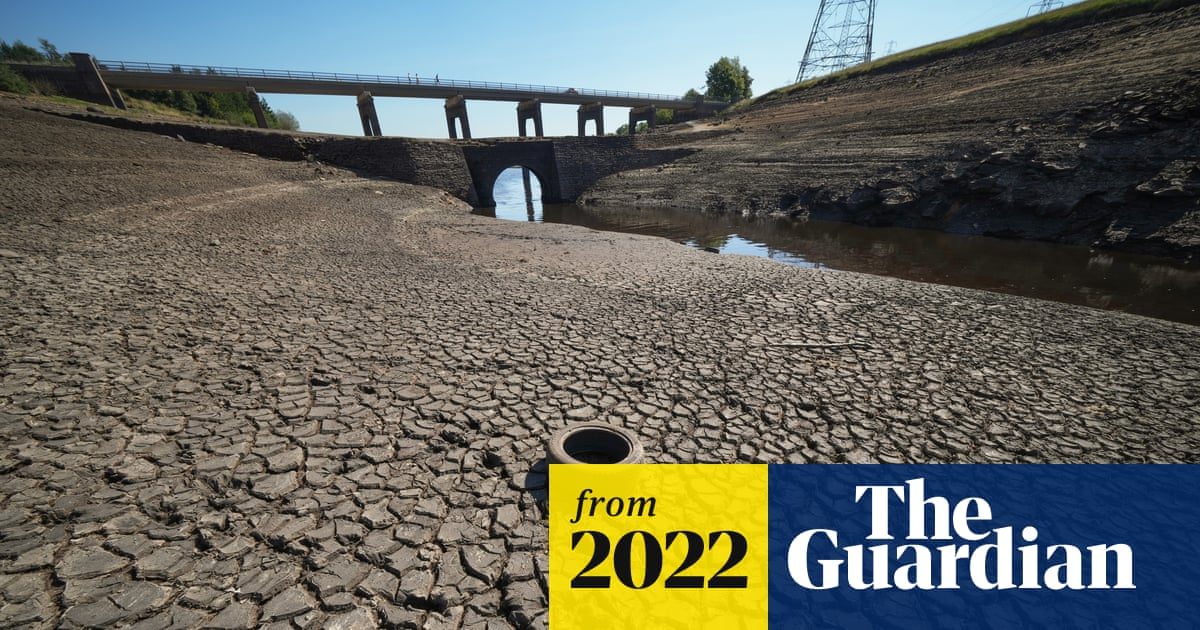
Record summer heat drove England's 2022 drought, with drought status declared across much of the country by August. Devon and Cornwall reservoirs stood at 33% capacity at the end of September that year.

Then

Autumn rains eased the crisis, though water companies kept restrictions through the year.

Now

The 2022 event became a reference point for water managers; current figures are compared directly against it.

Why this matters now

The Environment Agency's September 2026 figures are measured against 2022: storage of 37% in Devon and Cornwall sits above the 2022 level of 33%, but Wimbleball is lower now than it was then.

Sources

(8)