
Pull to refresh
Logo
Europe's new weather satellite returns first rapid-scan images

Europe's new weather satellite returns first rapid-scan images

New Capabilities

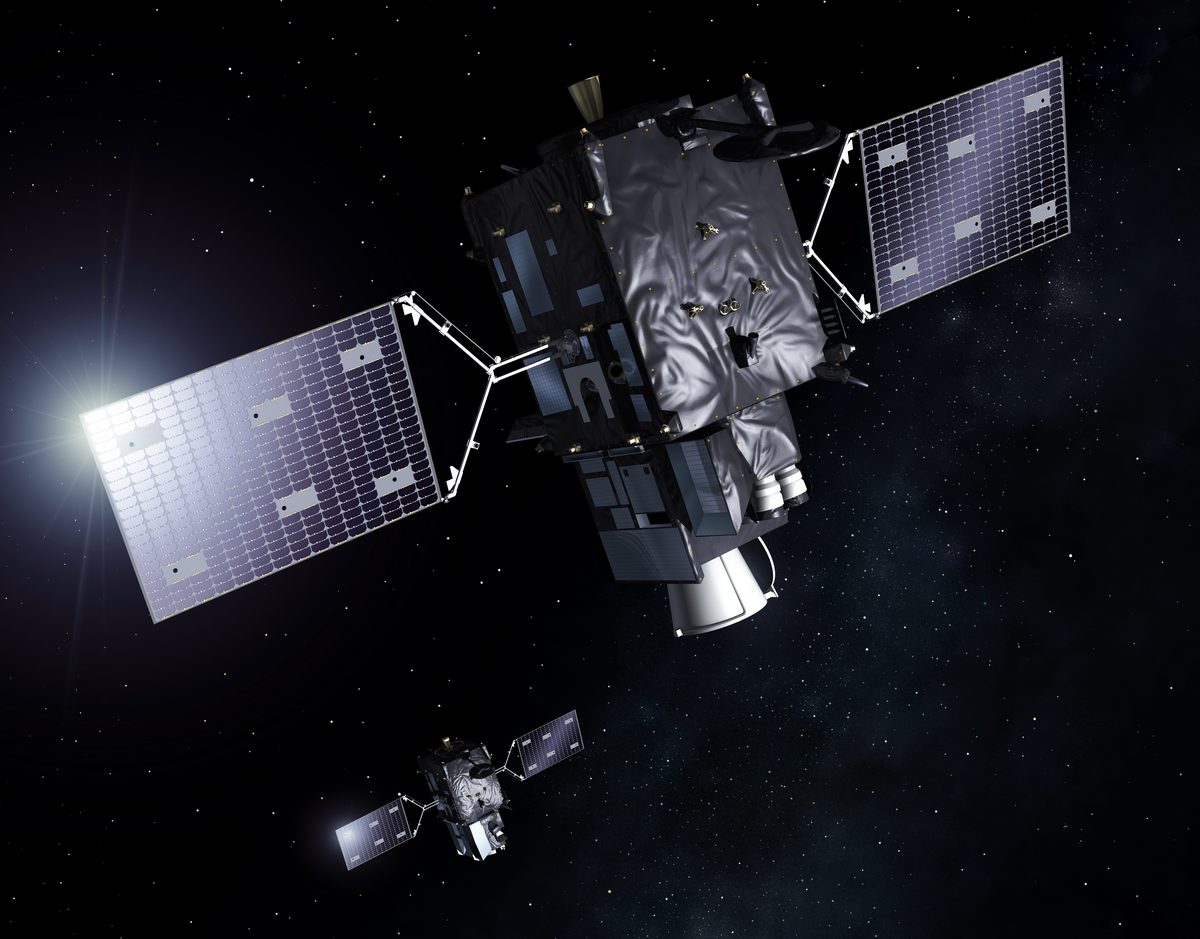
Meteosat Third Generation Imager-2 will view Europe every 2.5 minutes once operational in 2027.

Overview

Updated 46 minutes ago

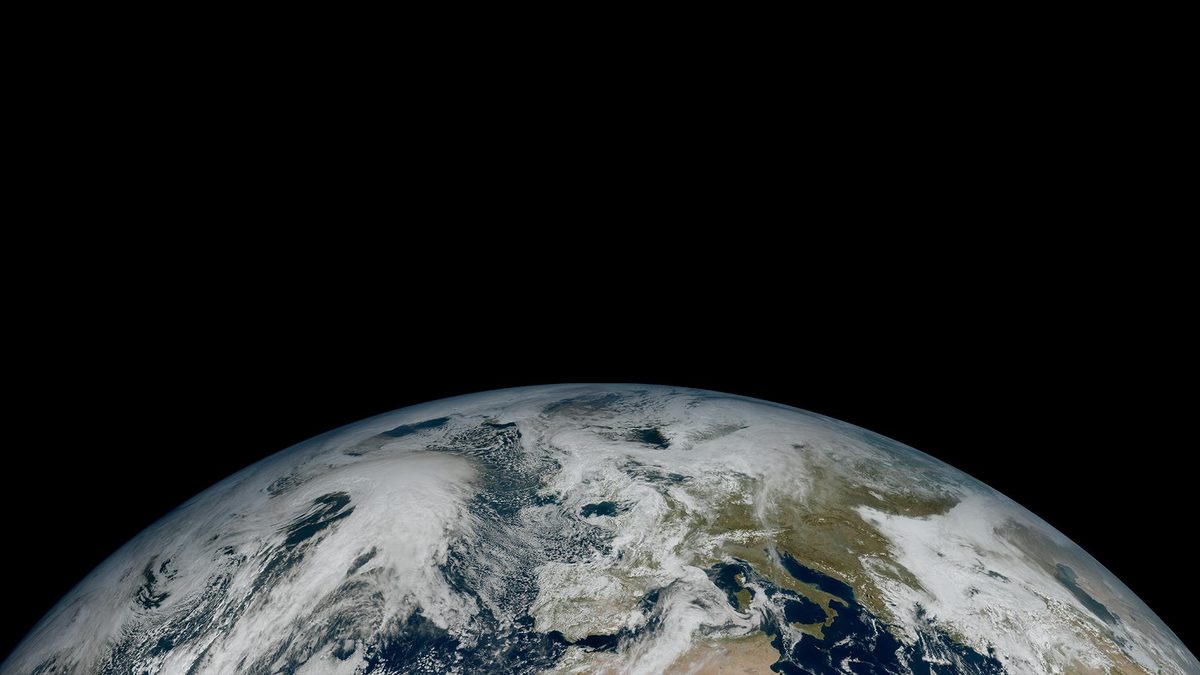
Forecasters will soon see weather over Europe refresh every 2.5 minutes. The first images from Meteosat Third Generation Imager-2 (MTG-I2) show that cadence in action, from fog over central Europe to a wildfire smoke plume in Portugal.

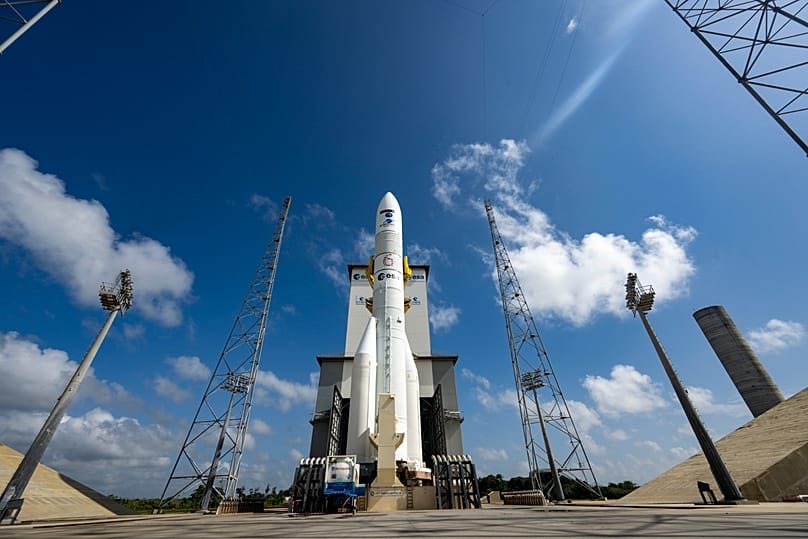
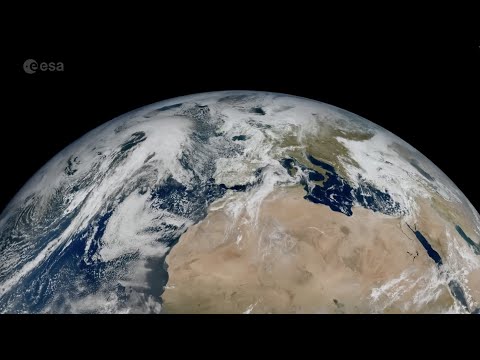
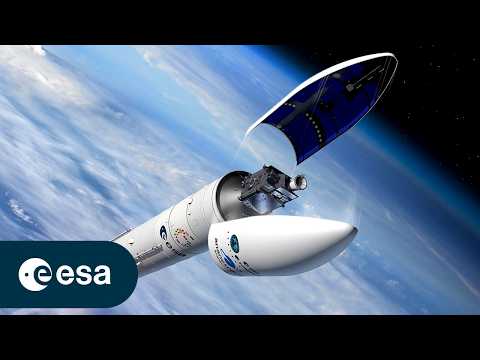
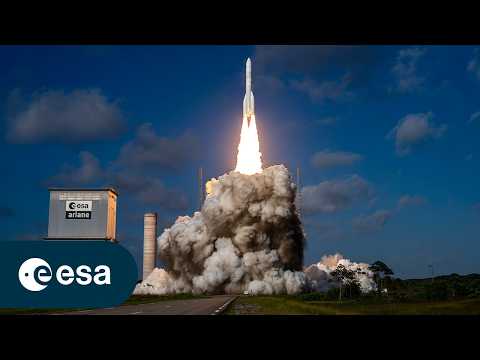
The satellite launched on 27 August 2026 and captured its first full view of Earth's disk on 20 October. The European Organisation for the Exploitation of Meteorological Satellites (EUMETSAT) released the images and a 45-hour rapid-scan animation on 6 November, ahead of operational service expected in the second quarter of 2027.

Why it matters

Faster scans give forecasters more chances to see storms intensify before they reach towns, potentially buying minutes for warnings.

Questions about this story

Free account needed to ask — your question is kept and asked for you right after sign-up. Answers are public.

No questions yet — be the first to ask.

Key Indicators

2.5 min
Rapid-scan repeat cycle over Europe
MTG-I2 will refresh views of Europe and North Africa every 2.5 minutes.
36,000 km
Geostationary orbit altitude
The satellite stays over the same point on Earth as the planet rotates.
45 hours
Length of first rapid-scan animation
The sequence runs from 3 November 2026 and shows weather systems evolving across Europe, the Mediterranean and the Atlantic.
3
Satellites in the first MTG family
MTG-I2 completes the first family of three Meteosat Third Generation satellites.
Q2 2027
Expected operational service start
EUMETSAT expects to begin routine service after calibration and validation.

Voices

Curated perspectives — historical figures and your fellow readers.

Sign up to generate historical perspectives on this story.

People Involved

Organizations Involved

Timeline

August 2026 November 2026

5 events Latest: Today
Tap a bar to jump to that date
  1. EUMETSAT releases first MTG-I2 images

    Today Data release

    The first images and rapid-scan animation preview the 2.5-minute service.

  2. Rapid-scan animation begins 45-hour sequence

    Data release

    The sequence shows fog, convective clouds and a Portuguese wildfire smoke plume.

  3. Main imager captures first full view of Earth's disk

    Imaging

    The Flexible Combined Imager records Europe, Africa and the Atlantic in detail.

  4. EUMETSAT takes over satellite control

    Operations

    The mission control centre assumes control after the launch and early orbit phase.

  5. MTG-I2 launches into geostationary orbit

    Launch

    The satellite begins its mission to monitor Europe and Africa.

Scenarios

1

MTG-I2 begins operational rapid-scan service in Q2 2027

Likely Resolves by Q2 2027

Discussed by: EUMETSAT and ESA project timelines

EUMETSAT completes calibration and validation, then declares the satellite operational. Member-state forecasters begin using 2.5-minute rapid-scan data over Europe.

2

Calibration problems delay operational service past mid-2027

Possible Resolves by Q3 2027

Discussed by: EUMETSAT calibration and validation status

Technical issues in calibration or validation push the operational start beyond the second quarter of 2027. The satellite continues test imaging while engineers resolve the problems.

3

Second MTG family begins launching by 2033

Possible Resolves by End of 2033

Discussed by: ESA mission timeline

ESA and EUMETSAT move to the next family of Meteosat Third Generation satellites to extend the mission beyond 2040. The first second-generation satellite reaches orbit.

Historical Context

2 moments from history that rhyme with this story — and how they unfolded.

November 1977

Meteosat-1 (1977)

The European Space Agency launched Meteosat-1, Europe's first geostationary weather satellite. It carried a radiometer that returned images of Europe and Africa every 30 minutes.

Then

It gave European forecasters a continuous view of cloud patterns for the first time.

Now

The Meteosat series became the backbone of European weather satellite operations.

Why this matters now

MTG-I2 is the latest step, cutting the repeat cycle from 10 minutes to 2.5 minutes over Europe.

October 2014

Himawari-8 (2014)

Japan launched Himawari-8, a geostationary weather satellite with a 10-minute full-disc scan and a 2.5-minute rapid-scan mode. Forecasters used it to track typhoons and volcanic ash across the Asia-Pacific.

Then

The satellite gave forecasters more frequent views of fast-moving storms.

Now

It set a benchmark for frequent geostationary imaging in the region.

Why this matters now

MTG-I2 brings a similar rapid-scan cadence to Europe.

Sources

(3)