

Pull to refresh
Logo
Small viral genomes suggest capsids and bacterial compartments evolved from each other

Small viral genomes suggest capsids and bacterial compartments evolved from each other

New Capabilities

University of Miami researchers propose that one protein shell has switched between carrying genes and hosting chemistry

Overview

Updated 49 minutes ago

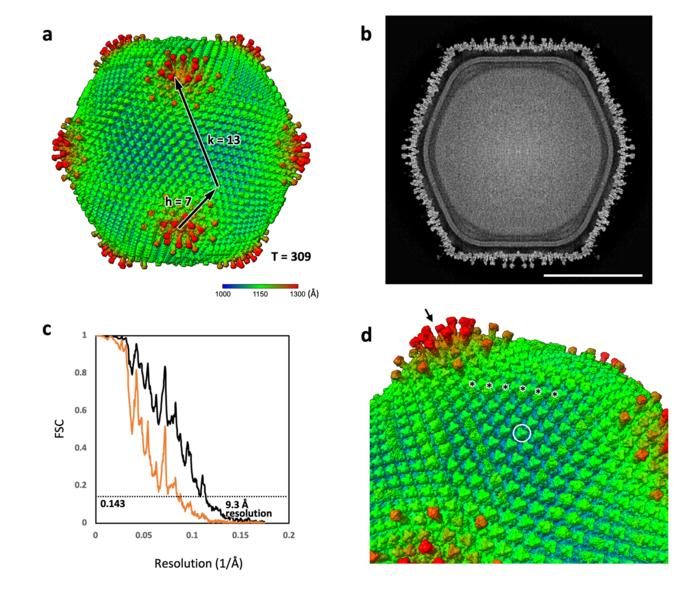
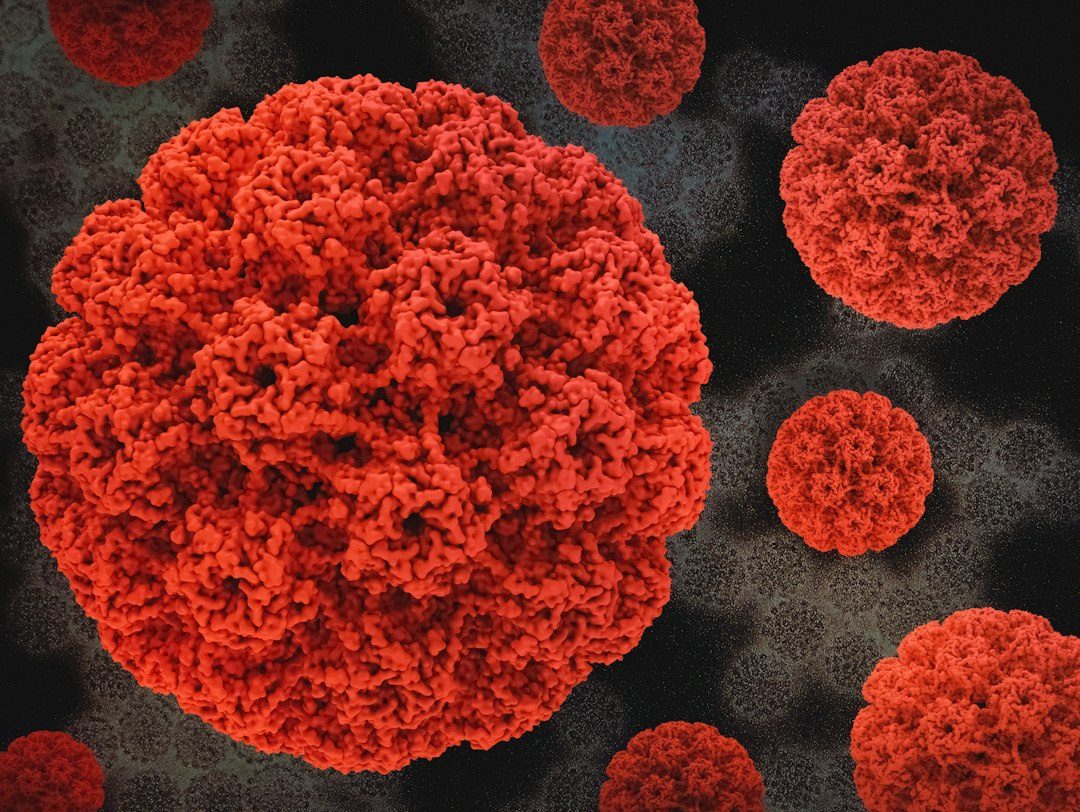
A University of Miami team has identified a previously unknown group of viruses whose protein shells resemble the compartments bacteria use to run chemical reactions. The study, published in Nature Communications, argues that the two kinds of shell have evolved from each other more than once.

The evidence comes from genomes recovered out of public environmental databases and from protein structures predicted by software, not from viruses grown in a lab. If the model holds, a viral capsid can do more than package DNA. It can also hold the ingredients of a reaction.

Why it matters

If protein shells can flip between storing genes and running chemistry, the line between viruses and cells is blurrier than textbooks suggest.

Questions about this story

Free account needed to ask — your question is kept and asked for you right after sign-up. Answers are public.

No questions yet — be the first to ask.

Key Indicators

3
Mixed virus-encapsulin groups in the family tree
Separate lineages where viral and bacterial shell proteins interleave rather than splitting cleanly.
0
Portal and tail genes in the newly found genomes
Known HK97-fold viruses use these genes to package DNA and build a tail; the small genomes lack them.
2
Public metagenome databases searched
IMG/M and MGnify, mined with hidden Markov models and protein language models.

Voices

Curated perspectives — historical figures and your fellow readers.

Sign up to generate historical perspectives on this story.

People Involved

Organizations Involved

Timeline

2000 November 2026

2 events Latest: Yesterday
  1. Study proposes two-way evolution for HK97-fold shells

    Latest Research

    University of Miami researchers report small metagenome viruses whose shells resemble encapsulins, and name the viral procapsid as the state that lets shells switch roles.

  2. The HK97 capsid structure is solved

    Research

    Working out the bacteriophage HK97 shell gave its name to a protein fold later found in herpesviruses and in bacterial compartments. That shared fold is the puzzle this study addresses.

Scenarios

1

Lab shows a procapsid can run a chemical reaction

Possible Resolves by End of 2028

Discussed by: The study authors, who propose that procapsids may retain biochemical functions; earth.com notes no one has measured whether procapsids run reactions during an infection.

The authors argue that a procapsid's pores and whatever protein sits inside it could turn the shell into a small reactor. A lab could test this directly by loading an empty procapsid with an enzyme and measuring product formation. A positive result would put viral capsids in the same functional category as encapsulins, not just a related structural one.

2

A host is found for the new small viruses

Possible Resolves by Q2 2029

Discussed by: thesciencebeat.com, which notes the genomes were predicted from databases and their hosts are unknown.

The genomes were assembled from environmental samples. Nobody has grown the viruses or identified what they infect, so the claim that they are viruses rests on sequence and structure. A culture system or a strong metagenomic link to a host would confirm they are real viruses rather than related genetic elements that merely look like them.

3

Expanded sampling splits the mixed virus-encapsulin groups

Unlikely Resolves by Q2 2028

Discussed by: No published critic yet; the risk is built into the method, since the trees rest on short genomes and predicted structures.

The paper's phylogenies place viral and encapsulin proteins in at least three mixed groups. More genomes, or better structural models, could break those groups apart and restore a single origin for encapsulins. A reanalysis that keeps the two lineages separate on a larger dataset would count against the two-way model.

Historical Context

3 moments from history that rhyme with this story — and how they unfolded.

2000

Bacteriophage HK97 capsid structure (2000)

Researchers solved the structure of the HK97 bacteriophage's outer shell, showing proteins locked into interlinked rings. The fold they described later turned up in herpesviruses and in bacterial protein compartments called encapsulins.

Then

The fold became a marker for a wide group of double-stranded DNA viruses.

Now

Finding the same shell in bacteria raised a question the field has not settled: did viruses invent it, or did cells?

Why this matters now

Today's paper attacks that question with genomes rather than structures.

2003

Mimivirus and the virus-origins debate (2003)

A giant virus found inside amoebae, Mimivirus, carried a genome of roughly 1.2 million base pairs, larger than some bacteria's. Its discovery revived arguments that viruses sat near the root of cellular life.

Then

Some researchers proposed that a viral infection could have given rise to the cell nucleus.

Now

Later phylogenies placed Mimivirus inside an established viral family rather than at life's origin, and the nucleus-from-virus idea stayed unproven.

Why this matters now

A precedent for bold claims about viruses building cellular structures, and for how slowly those claims get tested.

2015

Asgard archaea assembled from vent sediment (2015)

DNA from a hydrothermal vent field called Loki's Castle yielded genome fragments of a previously unknown archaeal group, the Lokiarchaeota, carrying genes once thought to be exclusively eukaryotic. The genomes existed only as assembled fragments, not as organisms.

Then

Redrawn family trees placed the origin of eukaryotes inside the archaea.

Now

In 2020 a related organism was cultured in the lab, turning a metagenome prediction into a physical organism and strengthening the case.

Why this matters now

The same pattern as today: an argument about deep evolution built from environmental DNA, waiting on laboratory confirmation.

Sources

(5)