



Pull to refresh
Logo
Daily Brief
Following
Why
NATO states restrict Chinese vehicles over data collection concerns

NATO states restrict Chinese vehicles over data collection concerns

Rule Changes
By Newzino Staff |

Western militaries bar sensor-laden cars from sensitive sites as connected vehicles become intelligence risks

2 days ago: Poland Bans Chinese Vehicles from All Military Bases

Overview

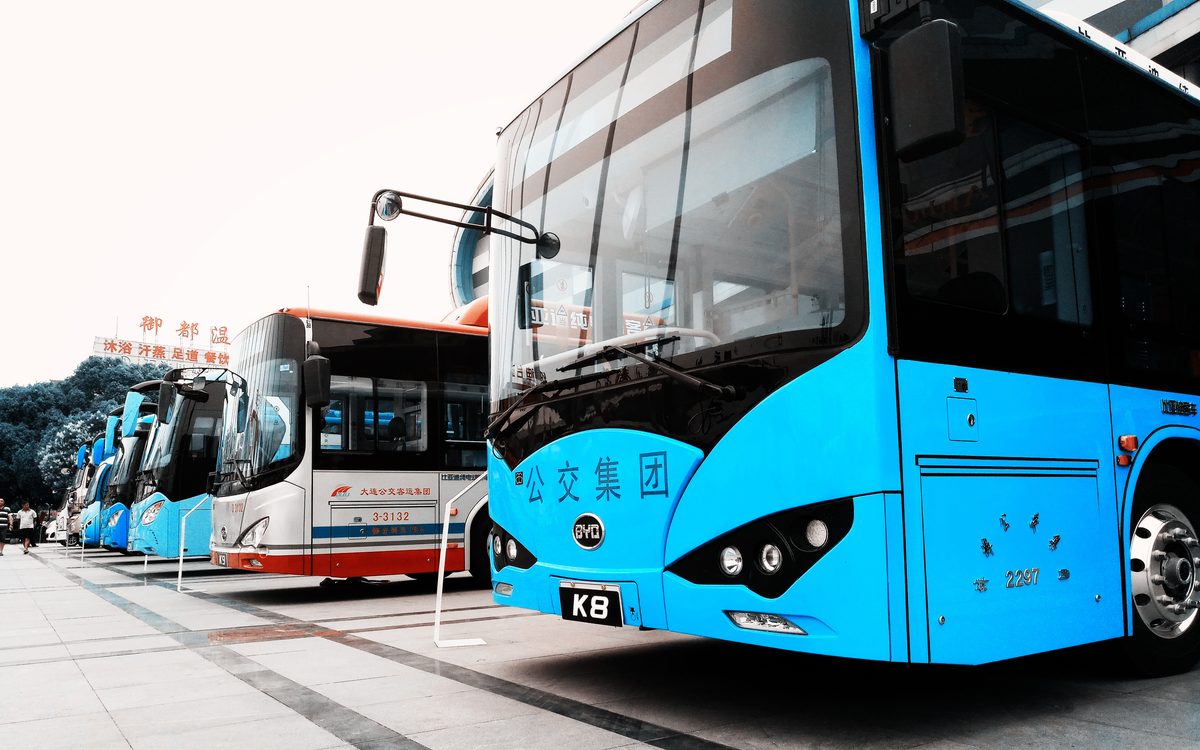
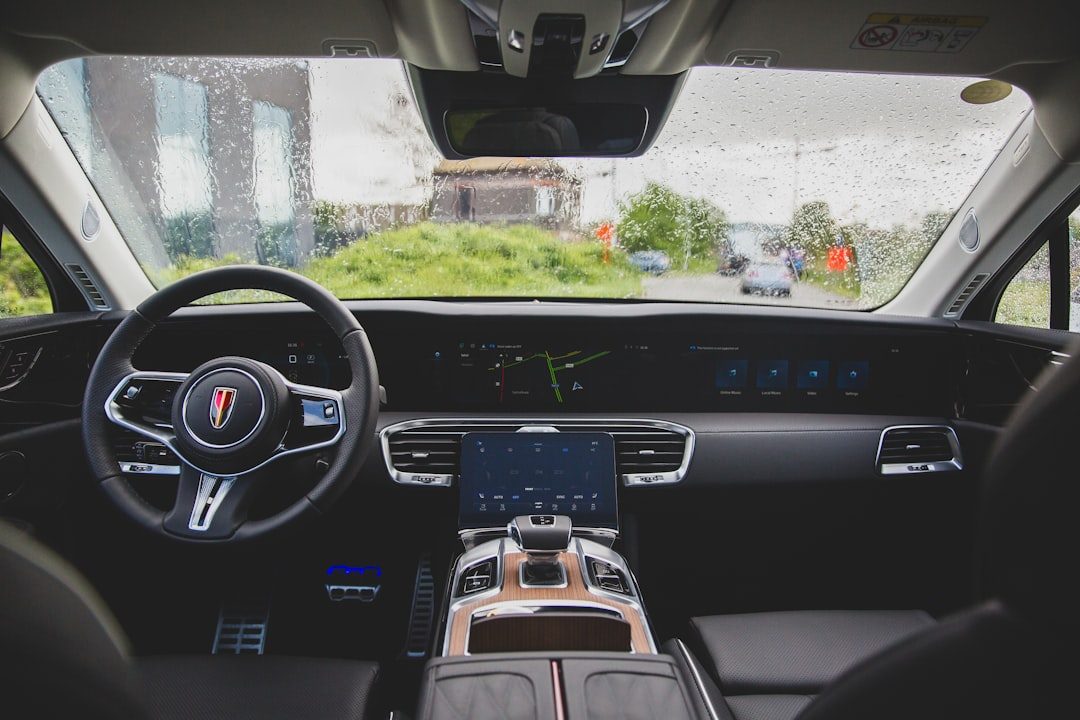
Chinese-made vehicles are being systematically excluded from Western military installations. Poland became the latest NATO member to ban them from all military bases on February 19, 2026, joining Israel, the United Kingdom, and the United States in treating modern cars as potential intelligence collection platforms. The bans target the cameras, microphones, sensors, and connectivity features standard in contemporary vehicles—systems that can capture and transmit photos, audio, video, and geolocation data.

The restrictions represent a new front in the broader Western effort to limit Chinese access to sensitive infrastructure. Where the previous decade focused on telecommunications equipment from Huawei and ZTE, the current wave targets consumer products that happen to double as mobile surveillance platforms. As Chinese automakers captured a record 12.8% of Europe's electric vehicle market in late 2025, the security implications of their growing presence around military sites became impossible to ignore.

Key Indicators

12.8%
Chinese EV Market Share in Europe
Record share of Europe's electric vehicle market captured by Chinese automakers in November 2025
700
Vehicles Marked for Removal by Israel
Chinese-made cars flagged for removal from Israeli Defense Forces by Q1 2026
4
Countries with Military Bans
NATO members and allies that have restricted Chinese vehicles at military sites: US, UK, Israel, Poland
60%
Huawei Share of Poland's 4G Networks
Chinese telecom equipment's penetration of Polish infrastructure, highlighting broader tech dependencies

Interactive

Exploring all sides of a story is often best achieved with Play.

Ever wondered what historical figures would say about today's headlines?

Sign up to generate historical perspectives on this story.

Sign Up

Debate Arena

Two rounds, two personas, one winner. You set the crossfire.

People Involved

Guo Jiakun
Guo Jiakun
Spokesman, Chinese Ministry of Foreign Affairs (Active)

Organizations Involved

Polish Armed Forces General Staff
Military Command
Status: Implementing vehicle restrictions

Poland's senior military command authority, responsible for defense policy implementation.

Israel Defense Forces (IDF)
Military
Status: Phasing out Chinese vehicles

Israel's combined military forces, which pioneered restrictions on Chinese vehicles at military installations in 2025.

Bureau of Industry and Security (BIS)
Federal Agency
Status: Implementing connected vehicle restrictions

U.S. Commerce Department agency responsible for export controls and technology security, which finalized rules restricting Chinese connected vehicle technology.

Centre for Eastern Studies (OSW)
Research Institute
Status: Published foundational analysis

Polish government-affiliated research institute that produced influential analysis describing modern vehicles as 'smartphones on wheels.'

Timeline

  1. Poland Bans Chinese Vehicles from All Military Bases

    Policy

    Polish Armed Forces General Staff announces blanket ban on Chinese-made vehicles entering all military installations. Personnel also barred from connecting work phones to such vehicles. Ministry announces development of security vetting process for manufacturers.

  2. Polish Think Tank Publishes 'Smartphones on Wheels' Report

    Analysis

    The Centre for Eastern Studies releases analysis detailing how Chinese vehicle manufacturers could be compelled to share foreign-collected data with intelligence agencies under Chinese law.

  3. IDF Marks 700 Chinese Vehicles for Removal

    Security

    Israel's military escalates restrictions, marking approximately 700 Chinese-made vehicles—predominantly Chery Tiggo 8 Pro models—for removal by Q1 2026 after security agencies determine unacceptable espionage risk.

  4. UK Ministry of Defence Issues Dashboard Warnings

    Security

    Warning stickers appear on hundreds of Ministry of Defence fleet vehicles: 'MOD devices are NOT to be connected to vehicle' and 'Avoid conversations above OFFICIAL within vehicle.'

  5. Israel Bans Chinese Vehicles from Military Bases

    Security

    The Israeli Defense Forces implement a ban on Chinese-made vehicles entering all military installations. Personnel owning vehicles from BYD, MG Motor, or Chery must park outside base perimeters.

  6. UK Restricts Chinese EVs at Intelligence Hub

    Security

    Personnel at RAF Wyton—Britain's premier military intelligence facility housing Five Eyes officials—receive instructions to park EVs with Chinese components at least two miles from key buildings.

  7. U.S. Finalizes Connected Vehicle Rules

    Policy

    Biden administration finalizes rules effectively barring Chinese cars from the U.S. market. Software restrictions take effect for model year 2027; hardware prohibitions begin in 2030.

  8. Biden Administration Proposes Chinese Vehicle Software Ban

    Policy

    The U.S. Commerce Department proposes prohibiting Chinese software and hardware in connected vehicles on American roads, citing national security concerns about data collection and potential remote manipulation.

Scenarios

1

EU Adopts Bloc-Wide Military Vehicle Restrictions

Discussed by: European Council on Foreign Relations, MERICS, defense policy analysts

The European Commission could recommend unified restrictions on Chinese-made vehicles at military and critical infrastructure sites, similar to its 5G Cybersecurity Toolbox approach. Individual member state actions—Poland, potential moves by Baltic states—would provide precedent. This would create a standardized framework rather than the current patchwork of national policies.

2

Chinese Automakers Establish European Security Compliance

Discussed by: Polish Ministry of Defence (announced vetting process), automotive industry analysts

Poland's announcement of a security vetting process offers a pathway for Chinese manufacturers to regain access to restricted areas. Manufacturers could establish European data processing centers, submit to security audits, and modify vehicle software to disable certain connectivity features in sensitive zones. BYD and others might accept such terms to protect their growing European market share.

3

Restrictions Expand to Civilian Government Sites

Discussed by: German Council on Foreign Relations (DGAP), Swedish National China Centre

Current restrictions focus on military installations. The next logical expansion would cover civilian government buildings, critical infrastructure (ports, power plants, airports), and areas near sensitive facilities. Under-regulation of vehicle data in Europe could accelerate this expansion as security awareness grows.

4

Trade Friction Escalates Over Security Classifications

Discussed by: Chinese Ministry of Foreign Affairs, European trade policy observers

China has characterized these restrictions as 'abuse of national security.' If restrictions multiply, Beijing could retaliate through trade measures affecting European automakers operating in China or critical supply chains. The EU's electric vehicle tariffs already strain the relationship; security-based vehicle bans could compound tensions.

Historical Context

Huawei 5G Telecommunications Restrictions (2018-2026)

2018-2026

What Happened

Beginning in 2018, Western governments began restricting Huawei and ZTE from telecommunications networks over concerns that Chinese law could compel the companies to share data or enable network access for intelligence purposes. The U.S. led with outright bans; Europe adopted a 'toolbox' approach allowing member states discretion. By 2024, eleven EU countries had implemented some form of restriction.

Outcome

Short Term

Telecom operators faced costly equipment replacement programs. Germany ordered Huawei components removed from 5G core networks by end of 2026. Sweden mandated removal by January 2025.

Long Term

Established precedent that Chinese technology companies operating critical infrastructure could be treated as security risks regardless of specific evidence of misuse. Created template for subsequent restrictions on other Chinese technology.

Why It's Relevant Today

The vehicle restrictions follow the same pattern: concerns about Chinese law requiring data sharing, precautionary action despite absence of public evidence of exploitation, phased implementation allowing adaptation. The difference is scale—vehicles are consumer products with far greater market penetration than telecom equipment.

Hutchison Port Incident in Poland (2024)

2024

What Happened

Hong Kong-based Hutchison, which operates port terminals in Poland, unexpectedly blocked an American military vessel from docking at its terminal. The standoff delayed delivery of U.S. and NATO military aid destined for Ukraine. Polish authorities responded by reclassifying the terminal as critical infrastructure, bringing it under tighter scrutiny.

Outcome

Short Term

The incident highlighted vulnerabilities in allowing foreign control of logistics infrastructure supporting military operations.

Long Term

Contributed to Poland's broader reassessment of Chinese investment in sensitive sectors. Poland's 2024 National Security Strategy revision classified China as a 'strategic risk actor' for the first time.

Why It's Relevant Today

Demonstrates Poland's recent direct experience with Chinese-connected infrastructure creating security complications. The vehicle ban follows this pattern of Polish authorities acting to limit potential points of Chinese leverage near military operations.

U.S. DJI Drone Restrictions (2020-2025)

2020-2025

What Happened

The U.S. Interior Department grounded its entire fleet of 800+ DJI drones in 2020 over data security concerns. Congress subsequently restricted federal agencies from purchasing Chinese drones. Multiple bills proposed broader bans on DJI products, with the company added to restricted entity lists in 2024.

Outcome

Short Term

Government agencies shifted to alternative drone suppliers at higher cost. DJI continued dominating the consumer and commercial markets.

Long Term

Established that consumer electronics with sensors and connectivity features could be classified as security threats when used near sensitive sites—the same logic now applied to vehicles.

Why It's Relevant Today

UK reports explicitly describe the vehicle restrictions as importing 'America's DJI playbook.' Both cases involve sensor-equipped consumer products treated as mobile collection platforms, with restrictions starting at military/government use before potentially expanding.

12 Sources: