
Pull to refresh
Logo
New Mexico licenses a private fusion company to handle tritium

New Mexico licenses a private fusion company to handle tritium

Built World

Pacific Fusion can now operate a fusion machine at its $1 billion Albuquerque campus

Overview

Updated 2 hours ago

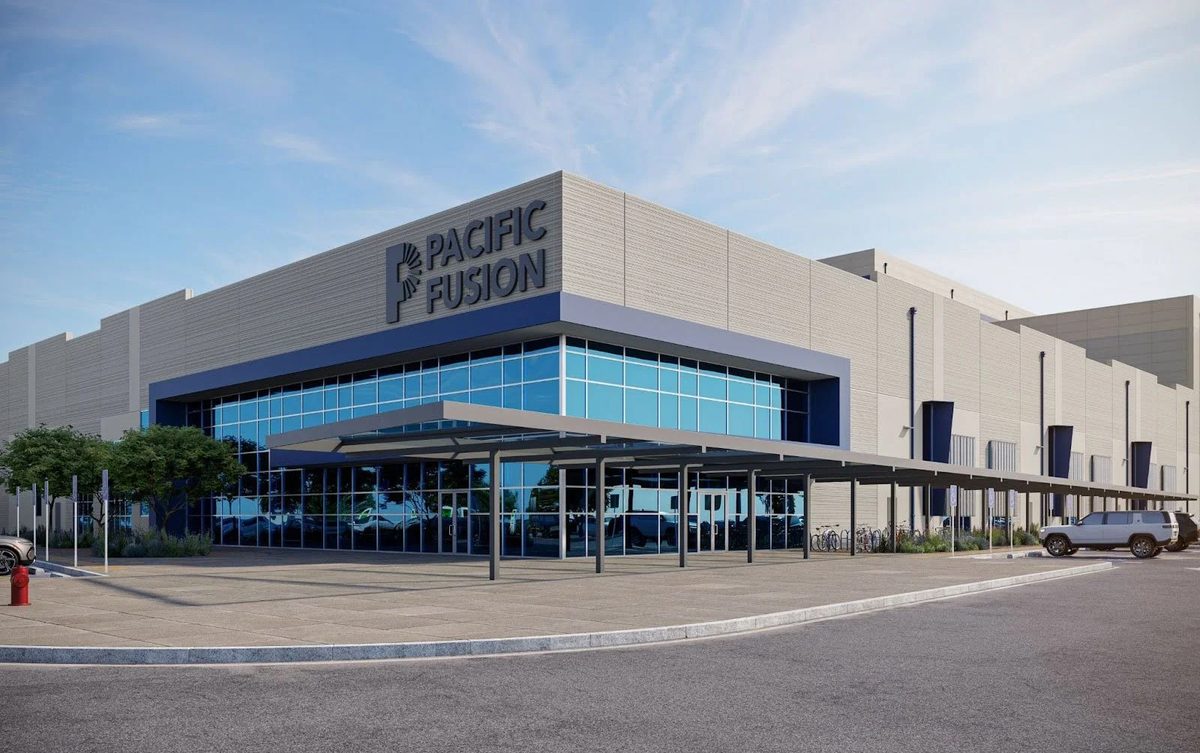
New Mexico's Environment Department has approved Pacific Fusion's radioactive materials license, the first the state has issued to a private fusion company. The license lets the California firm possess and use tritium at its $1 billion campus in Albuquerque, and caps on-site tritium at 15,000 curies, about 1.5 grams.

The approval clears the way to run a fusion machine. Pacific Fusion is aiming for net facility gain by 2030, meaning a shot that releases more energy than the machine stores at the start.

Why it matters

Fusion has been a decade away for seventy years. A license to handle its fuel is how it starts becoming an industry.

Questions about this story

Free account needed to ask — your question is kept and asked for you right after sign-up. Answers are public.

No questions yet — be the first to ask.

Key Indicators

15,000
Tritium possession limit (curies)
The license allows up to 15,000 curies, about 1.5 grams; the company says it plans to keep no more than 10,000 on site.
$1B
Campus investment
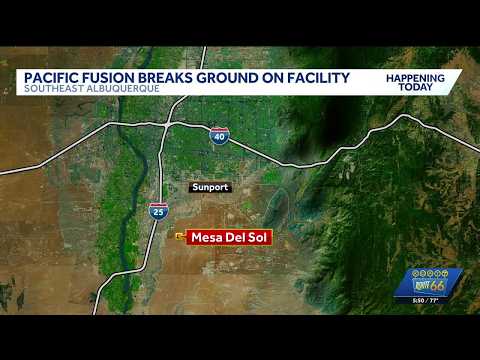
Research and Manufacturing Campus at Mesa del Sol, where ground was broken earlier in 2026.
200+
Permanent jobs expected
Company projection, alongside hundreds of construction jobs.
2030
Net facility gain target
Year by which the Demonstration System is meant to produce more energy than is stored in the machine.
100 MJ
Target fusion output per burst
Pacific Fusion says the system is designed for bursts above 100 megajoules.

Voices

Curated perspectives — historical figures and your fellow readers.

Sign up to generate historical perspectives on this story.

People Involved

Organizations Involved

Timeline

2025 November 2026

5 events Latest: Yesterday
Tap a bar to jump to that date
  1. New Mexico approves Pacific Fusion's radioactive materials license

    Latest Regulation

    The first such license issued to a private fusion company in the state authorizes possession and use of tritium at the Albuquerque campus.

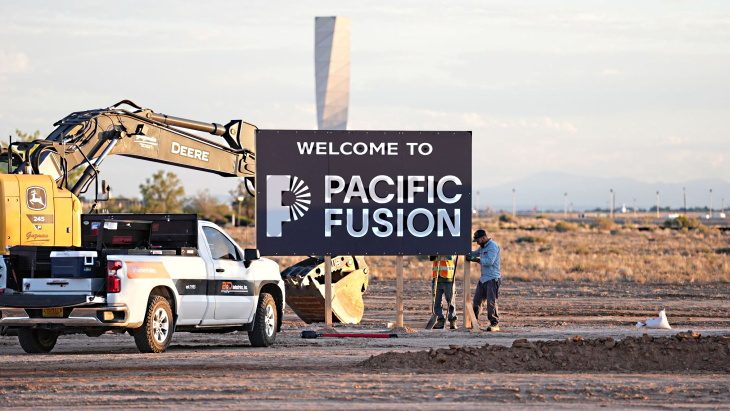
  2. Ground broken at Mesa del Sol

    Construction

    Pacific Fusion starts building the campus that will house its Demonstration System.

  3. Los Lunas build center reaches 90 workers

    Manufacturing

    The company expanded its Los Lunas operations to build modular components for the pulser system.

  4. Pacific Fusion picks New Mexico for $1B campus

    Expansion

    The company announces it will build a research and manufacturing campus at Mesa del Sol in Albuquerque.

  5. State and city approve $776.6M in industrial revenue bonds

    Incentive

    New Mexico and Albuquerque also commit $10 million in Local Economic Development Act funds and nearly $4 million in job training money.

Scenarios

1

Pacific Fusion fires its first tritium shot in Albuquerque

Possible Resolves by Q2 2028

Discussed by: Company statements and trade press covering the license

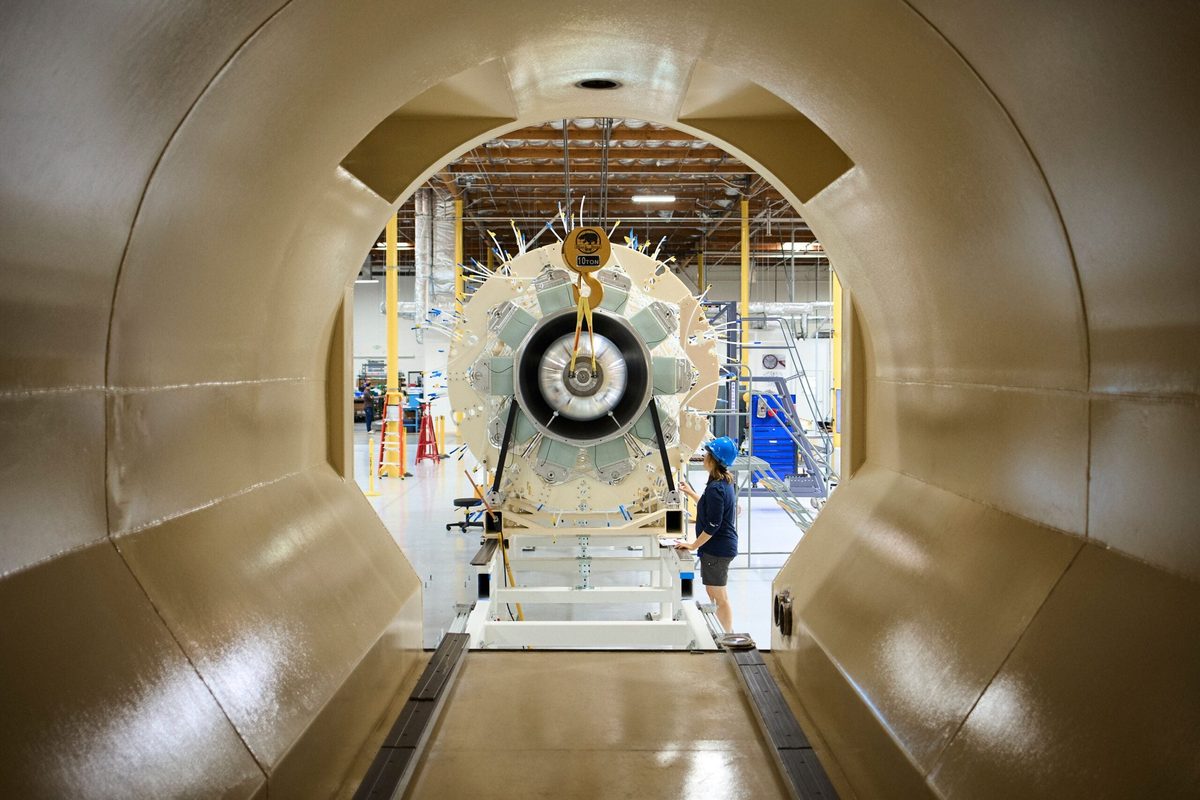
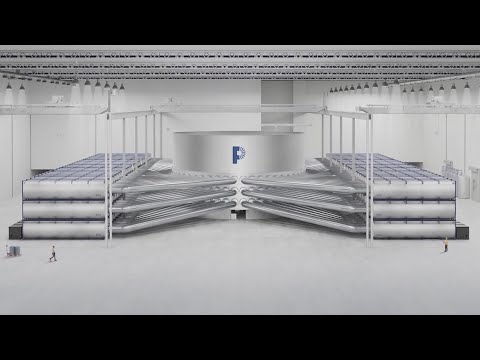
The license's practical test is whether Pacific Fusion can install and operate its Demonstration System at Mesa del Sol. A first tritium-fueled shot would mark the move from construction to experiment, the step that precedes any net-gain claim.

2

Pacific Fusion reports net facility gain by 2030

Uncertain Resolves by End of 2030

Discussed by: The company and World Nuclear News

Net facility gain means a shot releases more energy than is stored in the machine's pulsed-power system at the start. Pacific Fusion has set 2030 as its target. Independent verification, not a company release alone, is the bar most fusion watchers apply.

3

A second private fusion company wins a New Mexico license

Unlikely Resolves by End of 2028

Discussed by: State and local economic development officials seeking advanced energy firms

New Mexico pitched itself as a destination for advanced energy companies and put up incentives to prove it. If the regulatory path Pacific Fusion just cleared works, other companies could follow. If none apply, the license stays a one-off.

Historical Context

3 moments from history that rhyme with this story — and how they unfolded.

December 2022

National Ignition Facility ignition (2022)

The National Ignition Facility at Lawrence Livermore directed 2.05 megajoules of laser energy at a fuel capsule, which released 3.15 megajoules of fusion energy. It was the first controlled fusion experiment to return more energy than the laser delivered.

Then

The Energy Department called it a scientific breakthrough; repeat shots followed in 2023.

Now

It established that inertial confinement can reach ignition and gave stockpile-stewardship research a fusion platform that does not require nuclear testing.

Why this matters now

Pacific Fusion's Demonstration System is designed as a high-yield facility tied to similar stockpile-science goals, though it uses pulsed power rather than lasers.

2006–present

ITER construction (2006–present)

Seven partners signed the ITER agreement in 2006 to build a 500-megawatt tokamak in southern France. Construction began in 2010 and costs and schedules repeatedly slipped.

Then

The project fell years behind its original first-plasma target.

Now

In 2024 ITER adopted a new baseline pushing first plasma to 2034 and deuterium-tritium operation to 2039.

Why this matters now

It is the yardstick for fusion timelines, and the reason Pacific Fusion's 2030 net-gain target will be read skeptically.

1997

JET tritium experiments (1997)

The Joint European Torus near Oxford ran a deuterium-tritium mix and produced about 16 megawatts of fusion power, then a record.

Then

It demonstrated that a tokamak could handle tritium fuel and produce substantial fusion power.

Now

JET remained the only machine to run tritium fuel until its final experiments in 2021 and 2022; it shut down in 2023.

Why this matters now

Handling tritium is the specific capability New Mexico just licensed, and JET showed how consequential and how difficult that step is.

Sources

(4)