
Pull to refresh
Logo
Balfes gets liquor license for landmarked Scheffel Hall in New York

Balfes gets liquor license for landmarked Scheffel Hall in New York

Money Moves New York, NY local

The 1894 beer hall, once home to Fat Tuesday's jazz club, moves closer to reopening as a restaurant and bar

3 days ago: Balfes receives liquor license for 190 Third Ave

Overview

Updated 1 hour ago

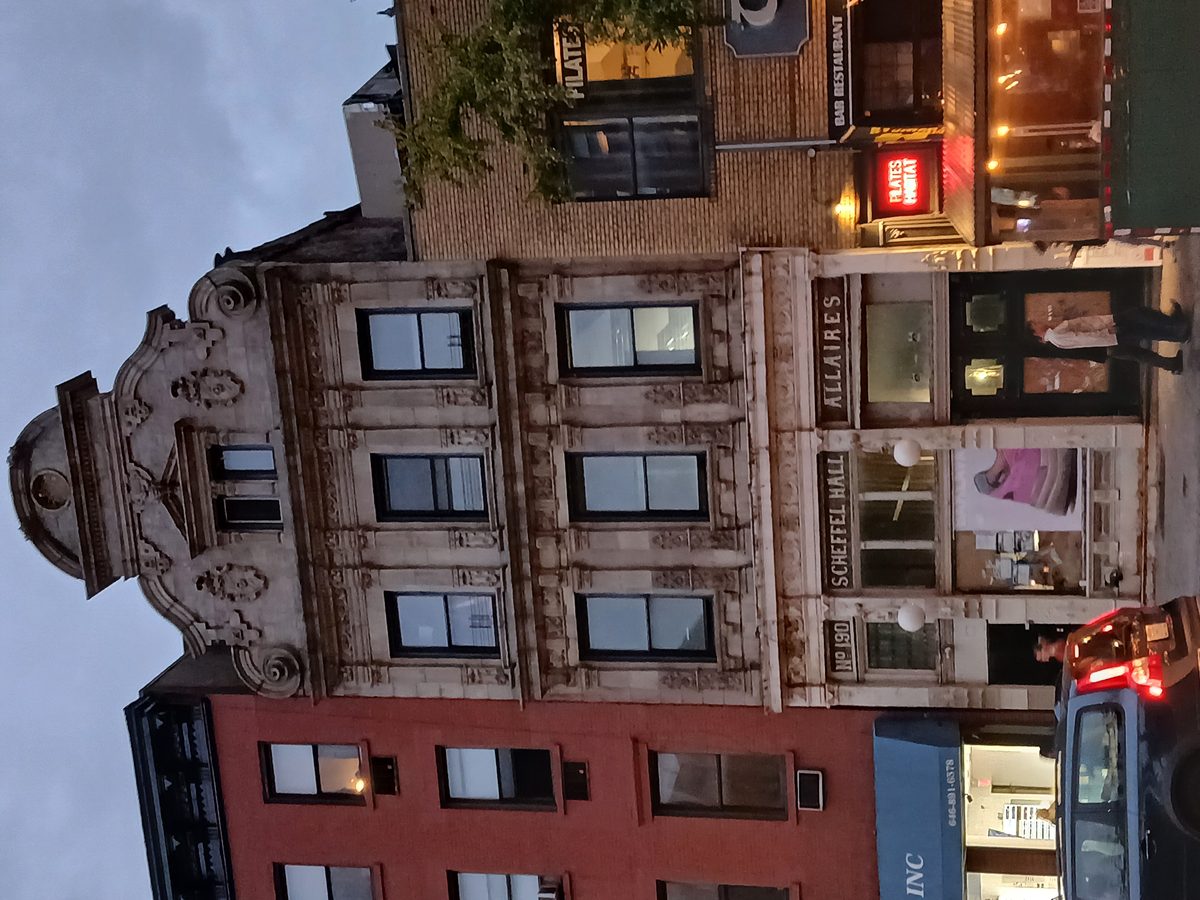
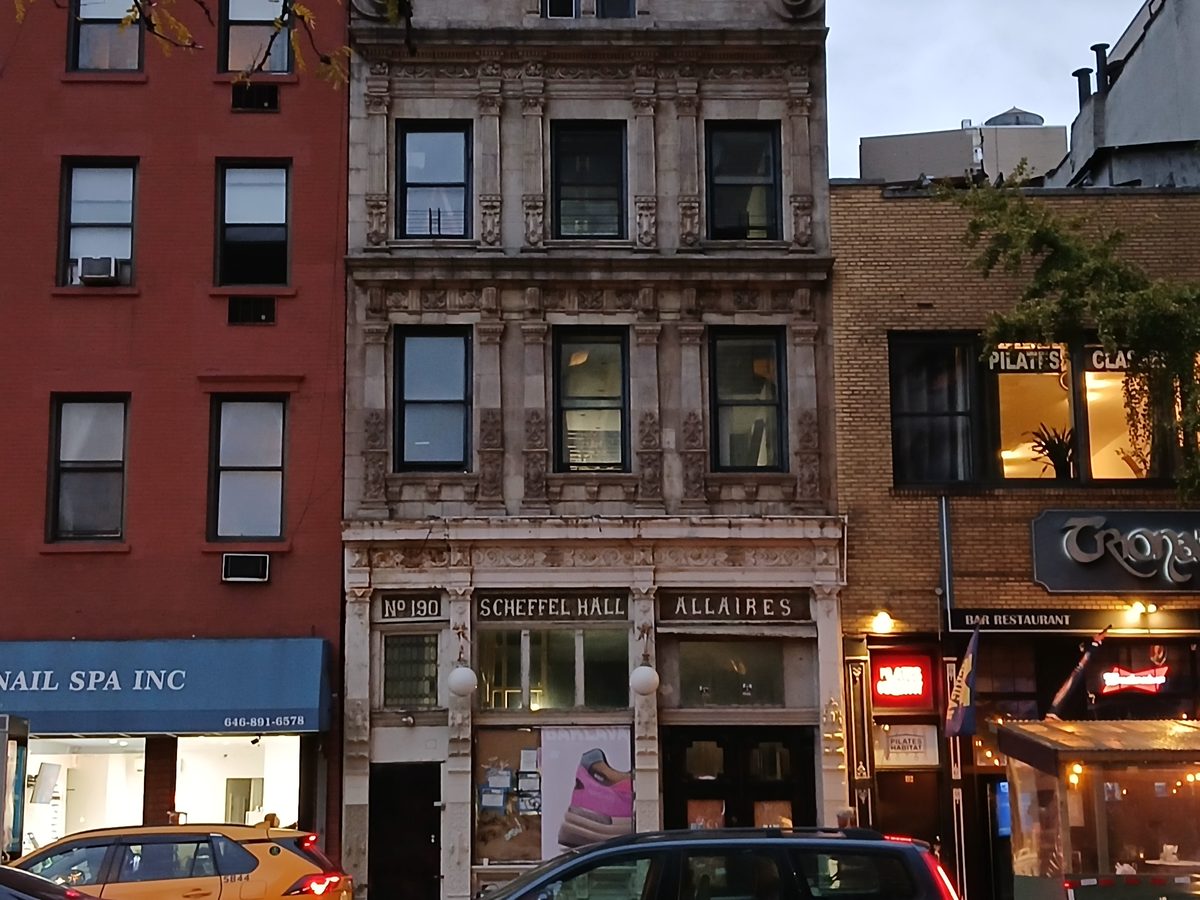
The landmarked Scheffel Hall, a 130-year-old building that started as a German beer hall and later hosted jazz greats like Les Paul, is one step closer to reopening. Balfes, a food-and-beverage operator, received a New York State liquor license for 190 Third Avenue on September 23.

The license is one approval of several, not permission to open. It signals the vacant landmark is being converted back into a place to eat and drink, after the building sold for $4.35 million to Kahen Properties.

Why it matters

A 130-year-old landmarked beer hall that once hosted jazz legends is returning to use, passing its first hurdle to serve drinks.

Questions about this story

Free account needed to ask — your question is kept and asked for you right after sign-up. Answers are public.

No questions yet — be the first to ask.

Key Indicators

1
Liquor license issued
The single NY State license granted to Balfes at 190 Third Ave.
$4.35M
Building sale price
Kahen Properties bought the landmarked building in a recent transaction.
17,000
Buildable air rights (sq ft)
Unused development rights above the landmark that could support housing.
132
Building age (years)
Completed in 1894 and landmarked in 1997.

Voices

Curated perspectives — historical figures and your fellow readers.

Ever wondered what historical figures would say about today's headlines?

Sign up to generate historical perspectives on this story.

People Involved

Organizations Involved

Timeline

1 event Latest: 3 days ago
  1. Balfes receives liquor license for 190 Third Ave

    Latest Regulatory

    The New York State Liquor Authority issued Balfes a food-and-beverage license for the landmarked Scheffel Hall building.

Scenarios

1

Balfes opens at Scheffel Hall

Likely Resolves by Q1 2027

Discussed by: Hospitality and real-estate press tracking the building's revival

The liquor license clears the biggest regulatory hurdle. Remaining steps are building permits and a final certificate of occupancy. If those come through, Balfes opens a restaurant and bar in the landmarked space, returning a long-vacant building to hospitality use.

2

Balfes drops the project

Unlikely Resolves by End of 2027

Discussed by: Real-estate observers wary of landmark-restoration cost overruns

Restoring a 130-year-old landmark can exceed a tenant's budget, and permit delays can kill a deal. If the operator walks away, the liquor license lapses or transfers and the building sits vacant again.

3

Balfes opens; ownership files for air-rights housing

Possible Resolves by End of 2028

Discussed by: Ariel Property Advisors' Michael Tortorici

If the restaurant stabilizes, Kahen Properties could pursue the roughly 17,000 square feet of buildable air rights the landmarked building holds, adding housing around or above it — the use the broker flagged when the building sold.

Historical Context

3 moments from history that rhyme with this story — and how they unfolded.

1894-1997

Scheffel Hall's century of lives (1894-1997)

German immigrant Carl Goerwitz built Scheffel Hall in 1894-1895 as a beer hall in 'Little Germany,' modeled on Heidelberg Castle's Friedrichsbau. The neighborhood housed about 250,000 German-speaking residents, roughly a quarter of the city's population. The building later hosted Fat Tuesday's jazz club, where Les Paul and dozens of other legends played.

Then

The building hosted generations of New York nightlife, from a German rathskeller to a jazz club.

Now

It was landmarked in 1997 for its architecture and its role in German-American, musical, and literary history.

Why this matters now

That history is why 190 Third Ave is preserved — and why its return to hospitality use matters.

1965-1981

Max's Kansas City closes (1981)

Max's Kansas City on Park Avenue South was a magnet for Andy Warhol's circle and early punk bands before it closed in 1981. Later owners reopened it in different forms, but the original never fully returned.

Then

The original venue closed permanently as a nightspot.

Now

The site's fitful afterlives show how fragile NYC nightlife institutions are after they close.

Why this matters now

It is a reminder that reviving a venue's original use is rare — which is what Balfes is attempting now.

2006

CBGB closes (2006)

CBGB, the Bowery club that launched punk rock, closed in 2006 after a rent dispute with its landlord. The space later became a John Varvatos clothing store.

Then

The club shut and the space lost its music use.

Now

It became the cautionary tale of legendary venues that fail to keep their original function.

Why this matters now

Scheffel Hall, unlike CBGB, kept its building intact and is now returning to hospitality rather than retail conversion.

Sources

(5)

More from New York, NY

Openings, permits and council decisions in New York, NY, in your inbox every Monday.