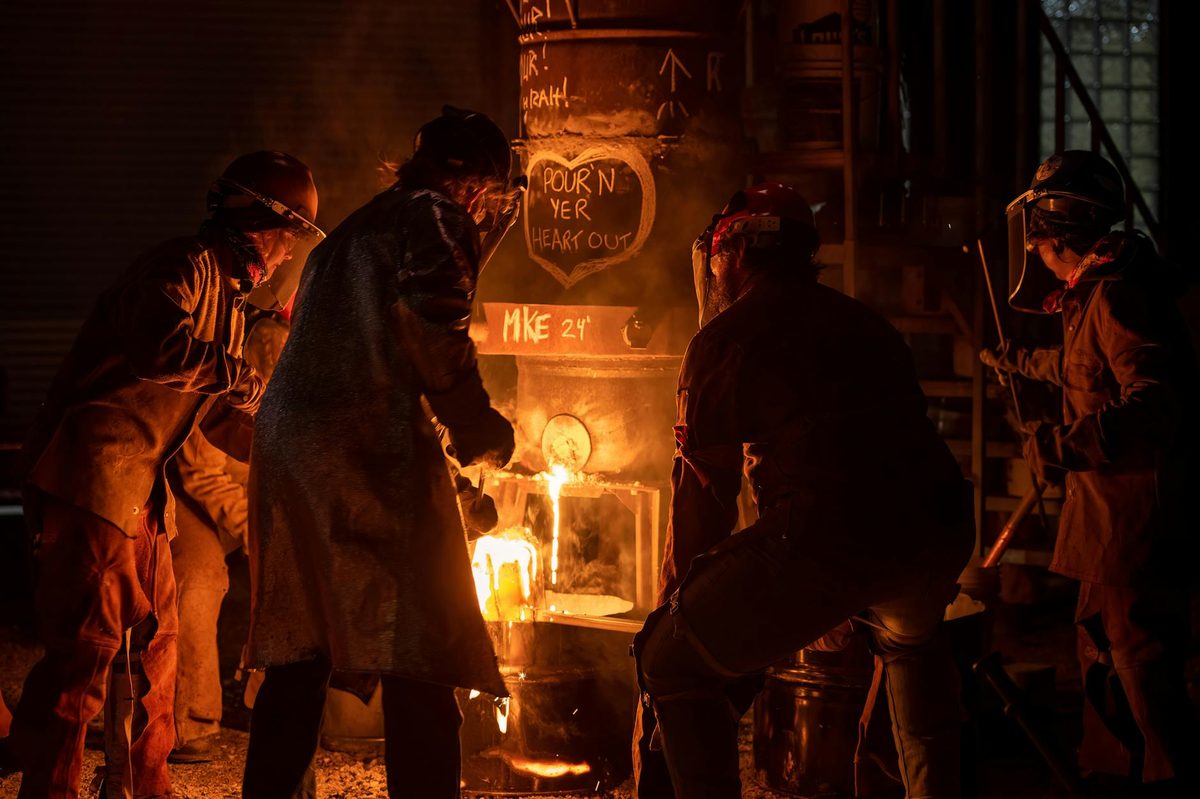
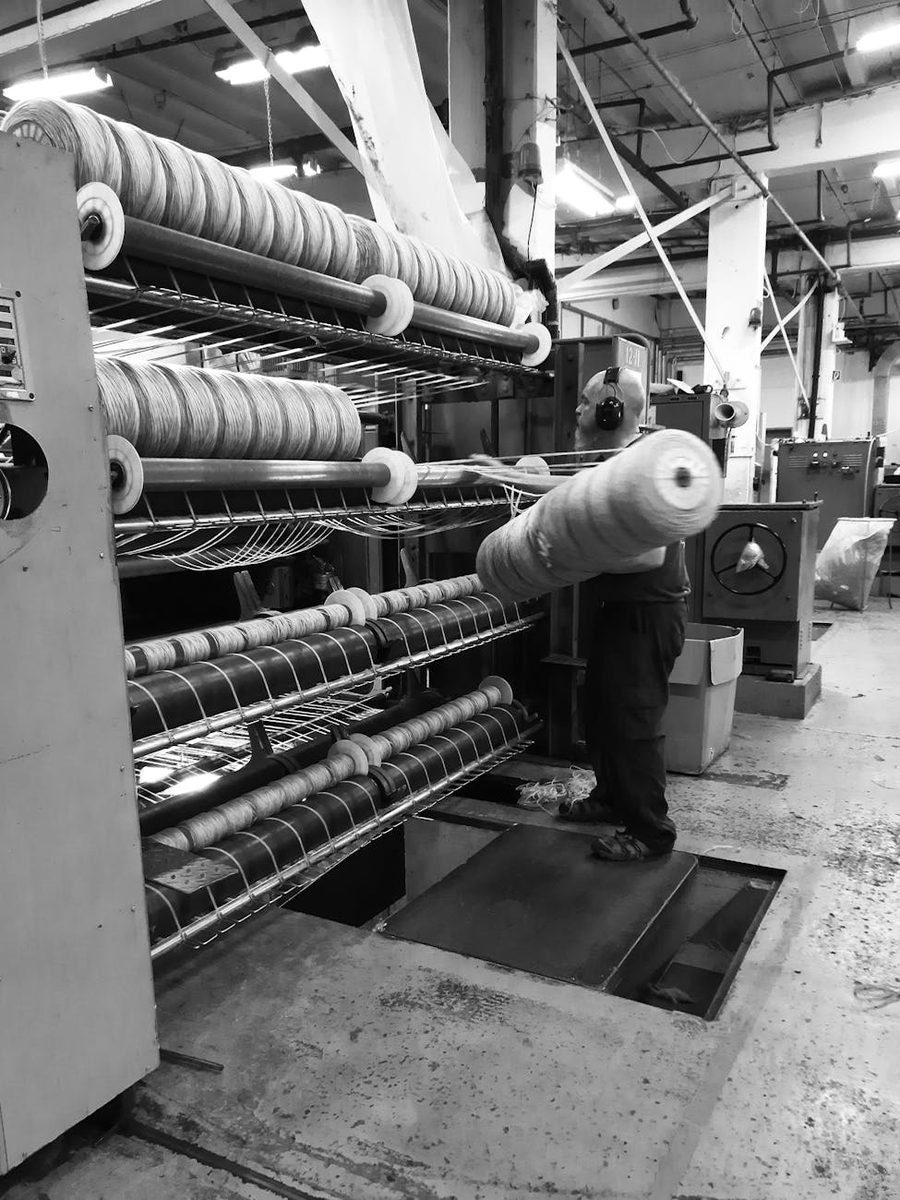
For most of human history, nightfall meant the end of productive labor. The industrial revolution and the electric lightbulb reversed that arrangement, turning overnight factory shifts into a pillar of modern manufacturing. But a quieter reversal has been underway for decades. Labor regulations, mounting health evidence, and machines that can run in the dark without human hands are steadily reducing the share of workers toiling at night.
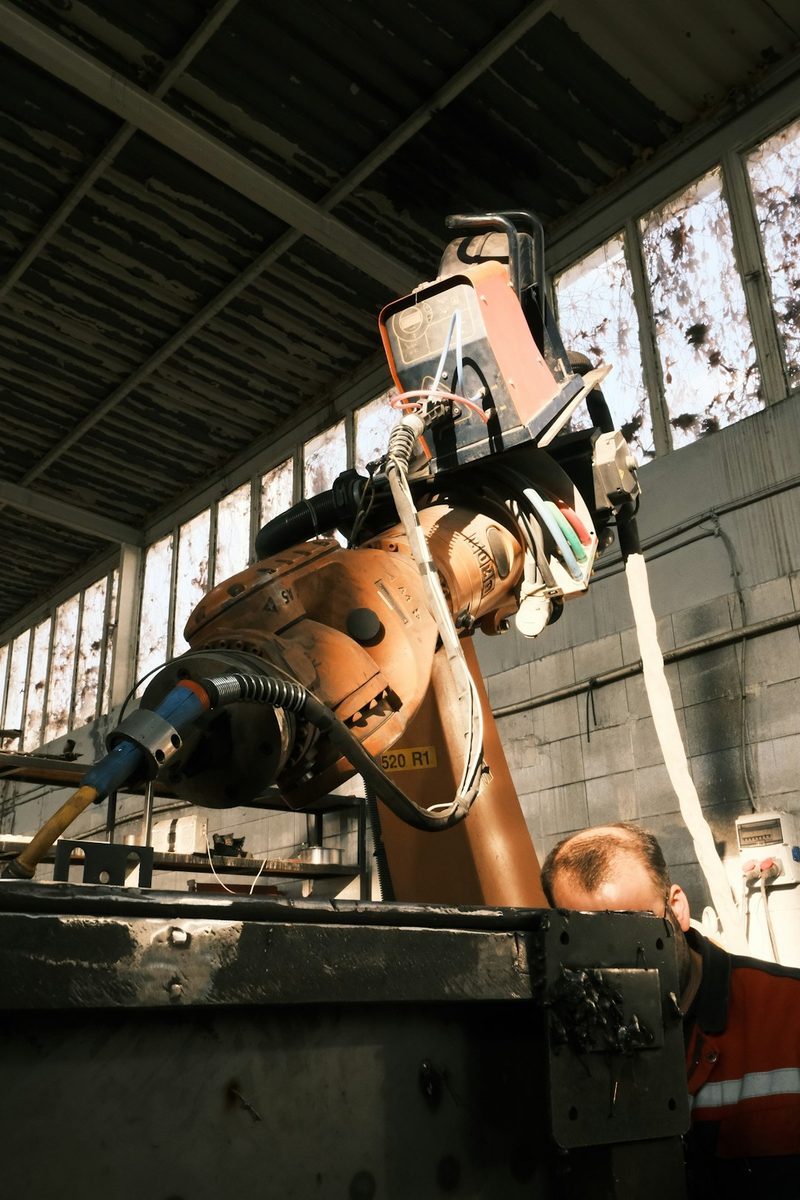
In Europe, the share of workers performing night shifts fell from 14.9% to 13.3% between 2009 and 2018. In the United States, just 4% of wage and salary workers regularly work overnight. The International Agency for Research on Cancer now classifies night shift work as a probable carcinogen. Denmark compensates night workers who develop breast cancer. Automated 'dark factories' in Japan produce thousands of robots monthly with virtually no human presence. What Thomas Edison's lightbulb made possible, a convergence of science, law, and technology is gradually making unnecessary.