

Pull to refresh
Logo
Kazakhstan reports North Aral Sea recovery gains at COP31

Kazakhstan reports North Aral Sea recovery gains at COP31

Built World

Water volume in the northern basin has risen 24% since 2022, and Kazakhstan is outlining a next restoration phase.

Overview

Updated 9 minutes ago

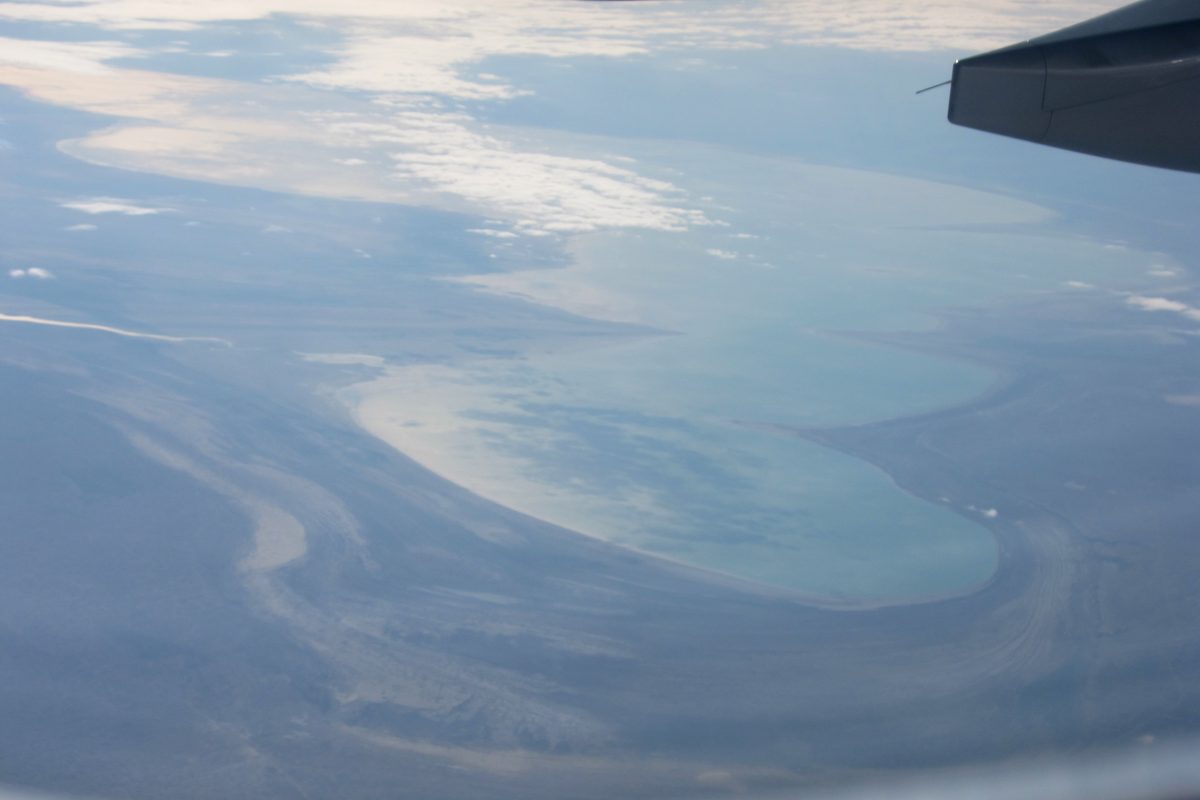
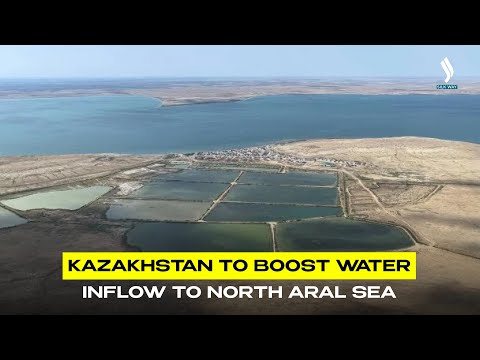
The North Aral Sea holds 23.4 billion cubic metres of water, up from 18.9 billion in 2022. Kazakhstan's deputy environment minister presented the figures at the COP31 climate conference in Antalya, Türkiye, on November 13.

The gain comes from a 2005 dam that traps the Syr Darya's flow in the northern basin, plus irrigation savings that send more water downstream. Kazakhstan now plans to rebuild the dam and raise the basin to 34 billion cubic metres.

Why it matters

A sea declared lost is partly refilling, showing how one dam and water savings can reverse decades of damage.

Questions about this story

Free account needed to ask — your question is kept and asked for you right after sign-up. Answers are public.

No questions yet — be the first to ask.

Key Indicators

23.4 billion m³
Water volume in the North Aral Sea
Up from 18.9 billion cubic metres in 2022.
24%
Increase in water volume since 2022
The gain reported at COP31 in November 2026.
36%
Surface area growth over two decades
The sea's surface has expanded since the Kokaral Dam was completed in 2005.
50%
Reduction in salinity
Fresher water has supported fish populations and surrounding ecosystems.
34 billion m³
Target water volume under next phase
A World Bank partnership aims for this volume and roughly 3,913 square kilometres of surface.
56 million
Saxaul seedlings planted, 2021–2025
Drought-resistant shrubs planted on the dried seabed to limit salt and dust.

Voices

Curated perspectives — historical figures and your fellow readers.

Sign up to generate historical perspectives on this story.

People Involved

Organizations Involved

Timeline

1960 November 2026

9 events Latest: 2 days ago
Tap a bar to jump to that date
  1. Kazakhstan presents restoration results at COP31

    Latest Statement

    Officials reported the 24% volume gain and outlined a next phase to reach 34 billion cubic metres.

  2. Water volume reaches 23.4 billion cubic metres

    Measurement

    The ministry reported the highest level in years, up nearly 5 billion cubic metres since 2022.

  3. Kazakhstan and Uzbekistan sign shared water agreement

    Diplomacy

    The deal followed more than a decade of negotiations on joint management of shared water.

  4. North Aral water volume measured at 18.9 billion cubic metres

    Measurement

    The baseline for the 24% gain reported four years later.

  5. Saxaul planting begins on the dried seabed

    Environment

    Kazakhstan planted more than 56 million seedlings through 2025 to limit salt and dust.

  6. Fish processing plants reopen and exports resume

    Economy

    The recovering fishery restarted commercial exports from the region.

  7. Fish catch climbs to about 2,000 tonnes

    Environment

    Catches rose from about 50 tonnes in 2004, according to World Bank figures.

  8. Kokaral Dam completed

    Infrastructure

    The World Bank-backed dam retained Syr Darya water in the northern basin instead of letting it drain south.

  9. Soviet planners divert the rivers feeding the Aral Sea

    Environment

    The rivers were redirected to irrigate cotton and other crops, and the sea began to shrink.

Scenarios

1

Kokaral Dam reconstruction begins in 2027 as planned

Possible Resolves by End of 2027

Discussed by: Kazakhstan's Ministry of Water Resources and Irrigation and the World Bank

Kazakhstan says design work for the second phase of the Kokaral Dam is under way, with construction planned for 2027–2030. Starting on time would keep the 34-billion-cubic-metre target within reach. A slip in financing or design would push the schedule back.

2

North Aral Sea reaches 34 billion cubic metres

Possible Resolves by End of 2032

Discussed by: World Bank and Kazakh government project documents

The next phase targets 34 billion cubic metres and a surface area near 3,913 square kilometres. Reaching it depends on the rebuilt dam, steady Syr Darya flow and water saved through irrigation upgrades. Each of those has its own failure point.

3

Syr Darya shortfall reverses North Aral gains

Unlikely Resolves by End of 2029

Discussed by: AnewZ reporting on the sea's dependence on regional water cooperation

The North Aral depends on the Syr Darya, which crosses several Central Asian countries. Drought or increased upstream diversion could cut inflow and shrink the sea below its 2026 level, undoing part of the recovery.

Historical Context

2 moments from history that rhyme with this story — and how they unfolded.

1960s

Aral Sea diversion (1960s)

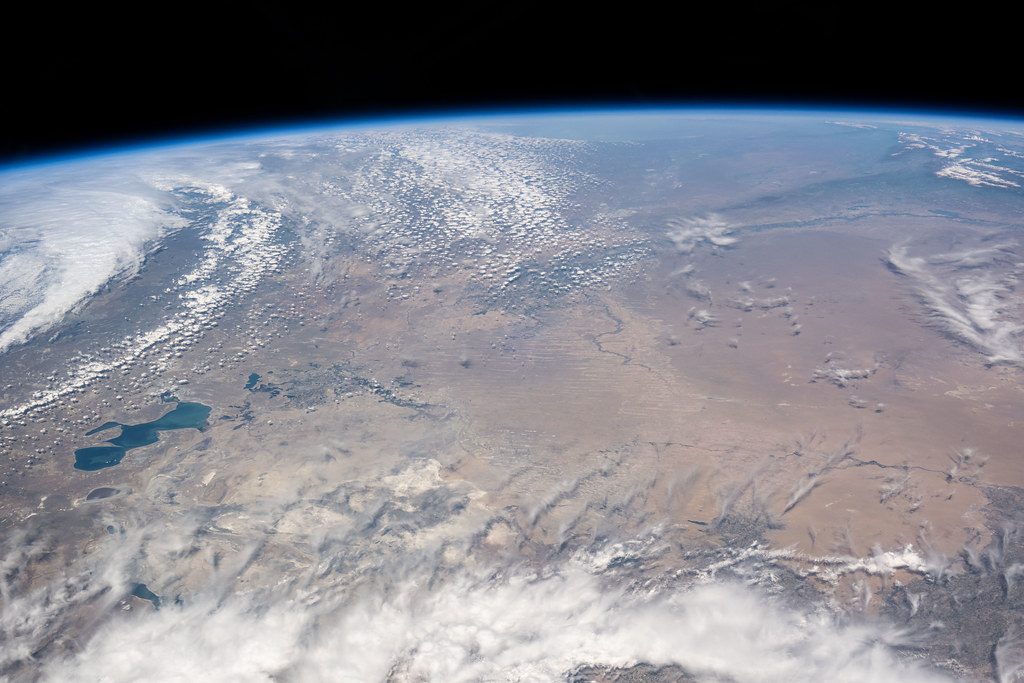
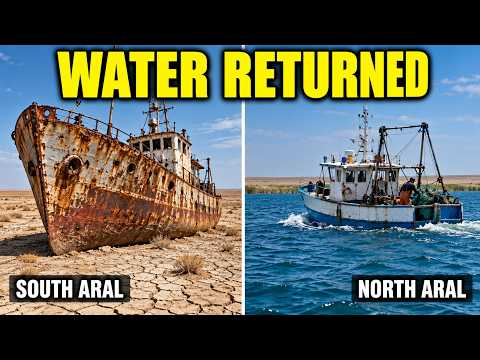
The Aral Sea was the fourth-largest lake in the world. Starting in the 1960s, Soviet planners diverted the rivers feeding it to irrigate cotton and other crops. Over the following decades, much of the sea disappeared.

Then

Fishing communities lost their livelihoods as the water retreated from former ports.

Now

The exposed seabed became a source of dust contaminated with salt and agricultural chemicals.

Why this matters now

The damage set the scale of the problem Kazakhstan is now trying to reverse, basin by basin.

2005

Kokaral Dam (2005)

Kazakhstan completed the Kokaral Dam with World Bank financing. The dam held Syr Darya water in the smaller northern basin instead of letting it drain into the shrinking southern section.

Then

NASA satellite images showed substantial recovery between 2005 and 2007, much of it in the first year.

Now

Fish catches rose from around 50 tonnes in 2004 to roughly 2,000 tonnes in 2007, and exports resumed in 2008.

Why this matters now

The 2026 gains are the accumulated result of that 2005 intervention. The next phase would rebuild the same dam to raise the water level further.

Sources

(9)