
Pull to refresh
Logo
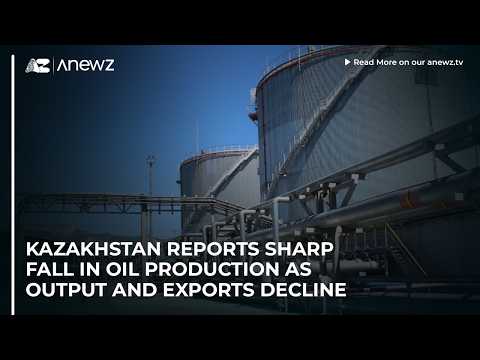
Kazakhstan's economy grows 4.2% as oil output falls 8.3%

Kazakhstan's economy grows 4.2% as oil output falls 8.3%

Money Moves

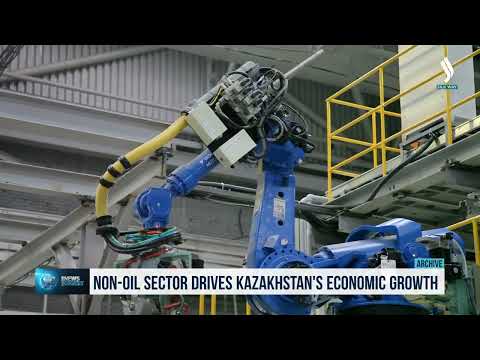
Non-oil sectors drive growth as manufacturing's share of GDP nearly doubles oil's

Today: Government reports 4.2% GDP growth despite 8.3% oil decline

Overview

Updated 1 hour ago

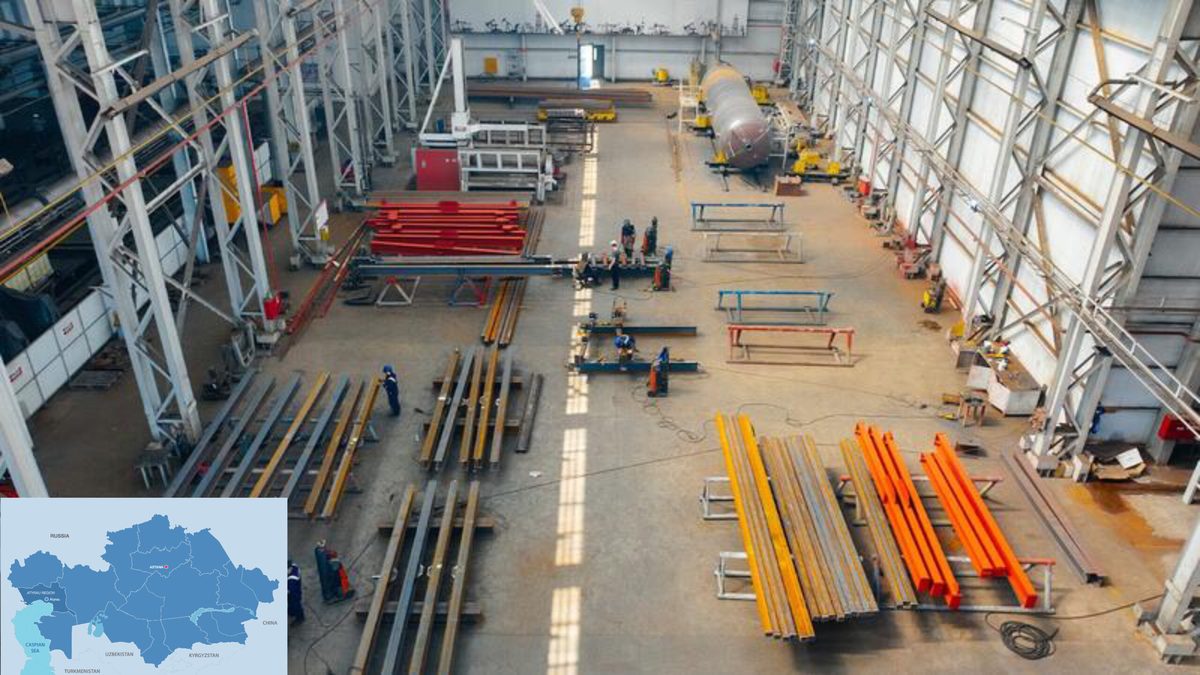
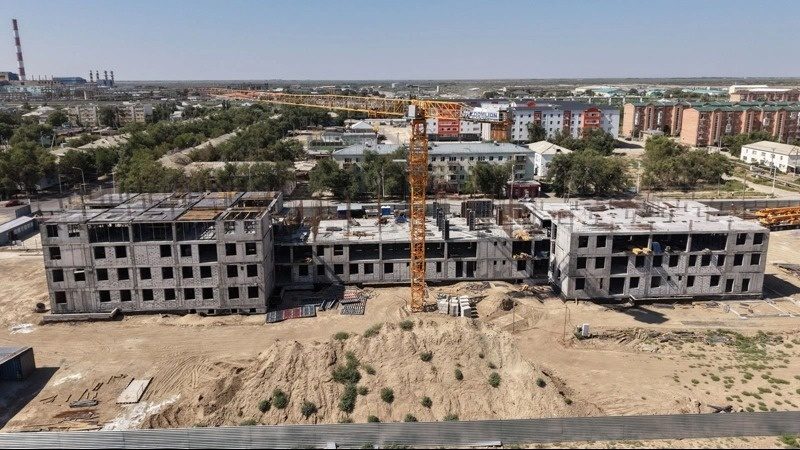
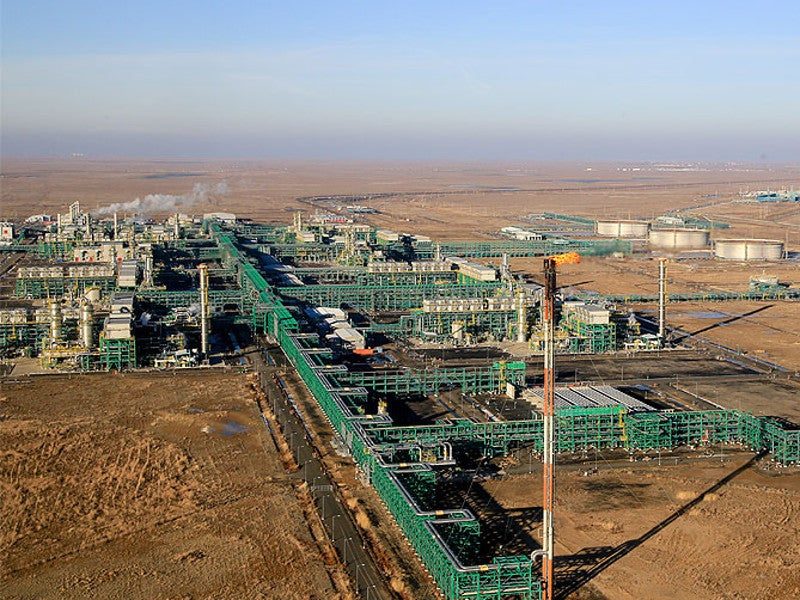
Kazakhstan's economy grew 4.2% in the first nine months of 2026, even as oil output fell 8.3% to 69.4 million tonnes. The non-oil sector, led by manufacturing and construction, now drives growth.

The numbers mark a structural shift. Oil's share of GDP fell to 7.8% in 2025, while manufacturing rose to 14.1%. Private investment is up 18.2%, and the current account swung to a $2.4 billion surplus after a $3.6 billion deficit a year earlier.

Why it matters

If Kazakhstan sustains growth without oil, it breaks the resource-dependence pattern that has defined Central Asian economies for three decades.

Questions about this story

Free account needed to ask — your question is kept and asked for you right after sign-up. Answers are public.

No questions yet — be the first to ask.

Key Indicators

4.2%
GDP growth, January-September 2026
Economy grew despite an 8.3% decline in oil output.
-8.3%
Oil output change, year-on-year
Production fell to 69.4 million tonnes in nine months.
69.4M tonnes
Oil production, January-September 2026
Down 6.3 million tonnes from the same period last year.
8.6%
Manufacturing output growth
Light industry grew 62.4%, chemicals 23.4%, machinery 22.8%.
7.8%
Oil sector share of GDP, 2025
Down from higher levels as diversification accelerated.
14.1%
Manufacturing share of GDP, 2025
Now nearly double oil's share of the economy.

Voices

Curated perspectives — historical figures and your fellow readers.

Ever wondered what historical figures would say about today's headlines?

Sign up to generate historical perspectives on this story.

People Involved

Organizations Involved

Timeline

2025 October 2026

3 events Latest: Today
  1. Government reports 4.2% GDP growth despite 8.3% oil decline

    Today Economic Report

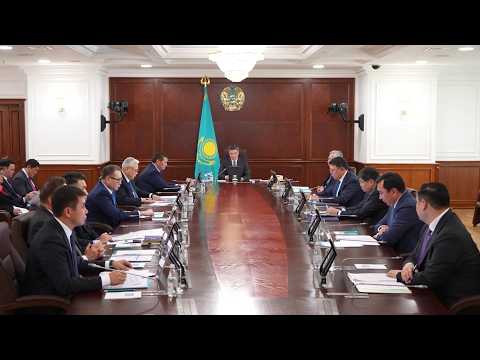
    Deputy PM Zhumangarin reports 4.2% GDP growth for January-September, with non-oil sectors driving expansion.

  2. Oil production recovers, exceeding OPEC+ quota

    Production Data

    Monthly oil and gas condensate production rises to 8.5 million tonnes from 7.6 million in July, exceeding the OPEC+ quota by 282,000 barrels per day.

  3. Oil's share of GDP falls to 7.8%

    Structural Shift

    Economic diversification reduces oil's share of GDP to 7.8%, while manufacturing rises to 14.1%.

Scenarios

1

Kazakhstan's diversification deepens as oil share falls below 7%

Likely Resolves by Jan 15, 2027

Discussed by: Government officials including Deputy PM Zhumangarin

The non-oil sector continues to drive growth. Manufacturing, construction, and services expand as private investment flows into these sectors. Oil's share of GDP continues to fall, and the economy becomes less vulnerable to oil price swings.

2

Oil output rebounds, OPEC+ tensions resurface

Possible Resolves by End of 2026

Discussed by: International Energy Agency, OPEC+ monitoring committee

Kazakhstan's oil production recovers as maintenance is completed and fields return to full capacity. The country again exceeds its OPEC+ quota, creating tensions within the alliance and potentially triggering compensation demands.

3

Growth stalls as oil decline bites

Unlikely Resolves by Jan 15, 2027

Discussed by: Economic analysts monitoring Central Asian economies

The oil decline eventually drags down the broader economy. Government revenues fall, budget spending is cut, and the non-oil sector cannot fully compensate for the loss of oil export earnings.

Historical Context

2 moments from history that rhyme with this story — and how they unfolded.

April 2016 - present

Saudi Arabia's Vision 2030 (2016-present)

Saudi Arabia launched Vision 2030 in April 2016 to reduce its dependence on oil. The plan aimed to grow non-oil revenue, expand the private sector, and diversify the economy beyond hydrocarbons.

Then

The program has had mixed results, with non-oil GDP growing but oil still dominating exports and government revenue.

Now

Saudi Arabia's non-oil sector now accounts for about half of GDP, though oil revenues still fund most government spending.

Why this matters now

Like Kazakhstan, Saudi Arabia is a major oil producer trying to diversify. Kazakhstan's progress shows a similar strategy can work, at least in the short term.

June 2014 - January 2016

The 2014-2016 oil price collapse

Oil prices fell from over $100 per barrel in mid-2014 to below $30 in early 2016. Oil-dependent economies like Russia, Venezuela, and Nigeria suffered severe recessions, currency crashes, and budget crises.

Then

Venezuela's economy collapsed, Russia entered a two-year recession, and Nigeria's currency was devalued.

Now

The collapse exposed the vulnerability of undiversified oil economies and pushed several to accelerate diversification efforts.

Why this matters now

Kazakhstan's current growth despite an oil decline suggests it has learned from the 2014-2016 experience. The question is whether the diversification is durable.

Sources

(11)