

Pull to refresh
Logo
Novo Nordisk closes $11.7 billion purchase of three Catalent plants

Novo Nordisk closes $11.7 billion purchase of three Catalent plants

Money Moves

U.S. regulators declined to challenge the vertical deal, leaving Novo in control of fill-finish capacity in Italy, Indiana and Belgium

Overview

Updated 22 minutes ago

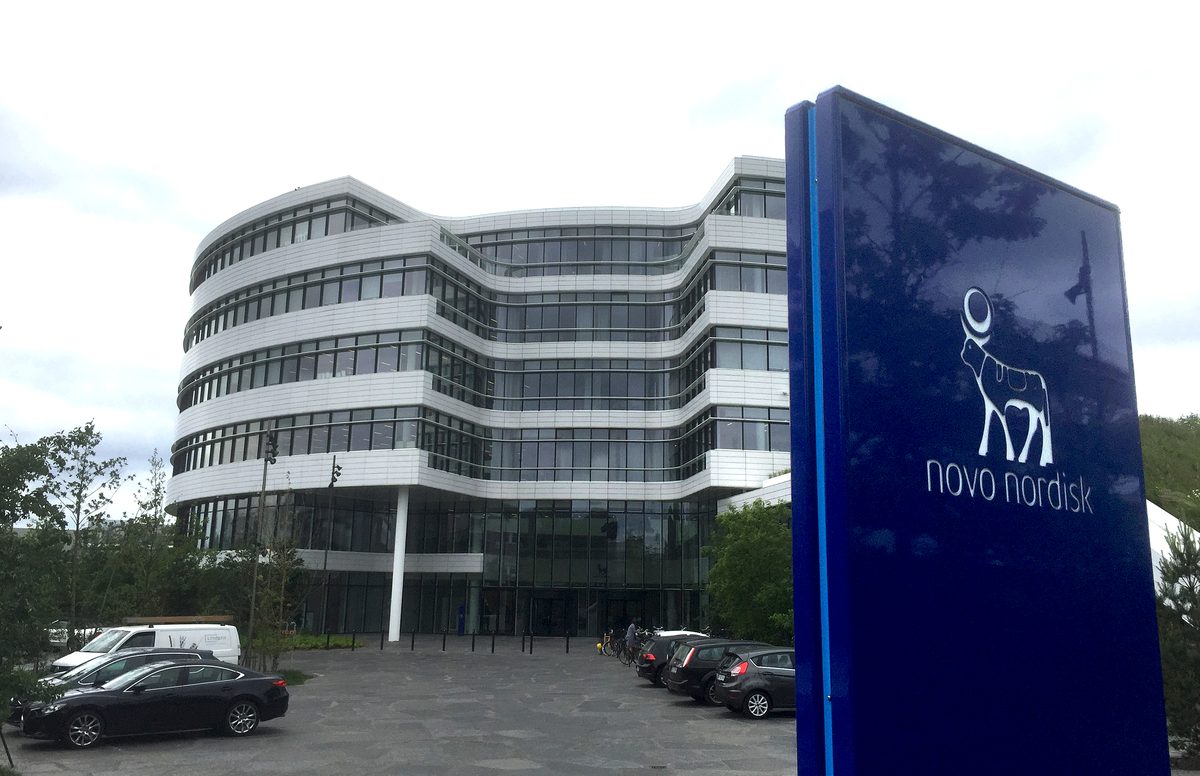
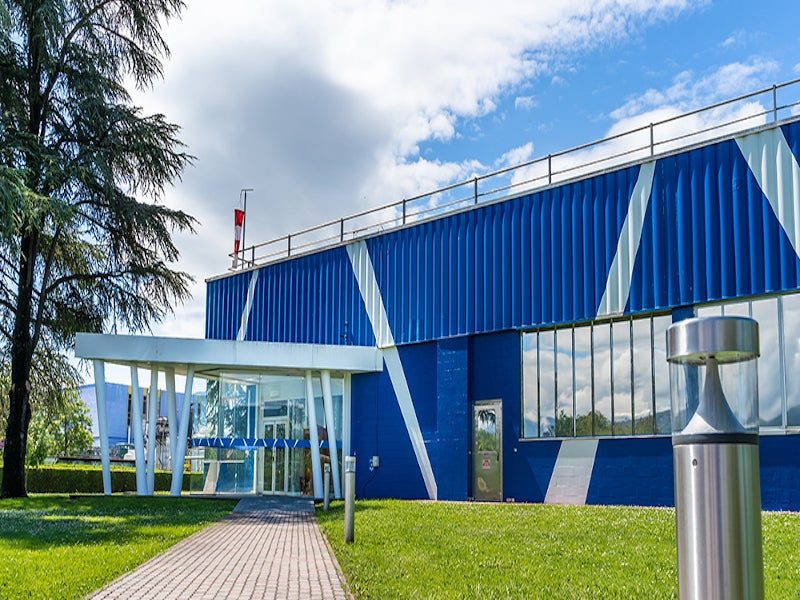
Novo Nordisk now owns the plants that fill its injection pens. On Dec. 18, 2024, the company completed an $11.7 billion purchase of three sterile fill-finish sites in Anagni, Italy; Bloomington, Indiana; and Brussels, Belgium, bought from Novo Holdings, its own controlling shareholder.

The sites had been making product for Novo as a contractor. Owning them turns a rented bottleneck into company-held capacity, at a moment when demand for Wegovy and Ozempic outran supply. The antitrust question was whether Novo Holdings should also own Catalent, the contractor that fills and packages drugs for Novo's competitors.

Why it matters

Novo's weight-loss drugs were capped by how fast it could fill pens. Owning the factories is its answer.

Questions about this story

Free account needed to ask — your question is kept and asked for you right after sign-up. Answers are public.

No questions yet — be the first to ask.

Key Indicators

$16.5B
Enterprise value of Novo Holdings' Catalent purchase
The all-cash deal valued Catalent at $63.50 a share.
$11.7B
Price Novo Nordisk paid for three fill-finish plants
Paid to Novo Holdings for sites in Italy, Indiana and Belgium.
3
Fill-finish plants acquired
Anagni, Bloomington and Brussels, all sterile injectable sites.
3,000+
Employees across the three sites
All three had existing contracts with Novo Nordisk before the sale.
77%
Novo Holdings' share of Novo Nordisk voting capital
Novo Holdings owns roughly a quarter of the shares but controls most votes.
$63.50
Cash paid per Catalent share
About a 47.5% premium to the stock's 60-day average before the deal.

Voices

Curated perspectives — historical figures and your fellow readers.

Sign up to generate historical perspectives on this story.

People Involved

Organizations Involved

Timeline

February 2024 December 2024

6 events Latest: December 18th, 2024 · 2 years ago
Tap a bar to jump to that date
  1. Deals close; Catalent leaves the New York Stock Exchange

    Latest Closing

    Novo Holdings took Catalent private, and Novo Nordisk took ownership of the Anagni, Bloomington and Brussels plants.

  2. European Commission clears the deal without conditions

    Regulatory

    Regulators found drugmakers would still have access to other contract manufacturers and that the market had spare capacity.

  3. FTC lets its review deadline pass without suing

    Regulatory

    The commission did not file a challenge, removing the last obstacle to closing.

  4. Unions and a senator press the FTC to block

    Statement

    Two large labor unions and consumer groups urged a challenge. Senator Elizabeth Warren warned the deal would lower competition and raise prices.

  5. Novo Holdings agrees to buy Catalent; Novo Nordisk lines up three plants

    Deal

    Novo Holdings offered $63.50 a share, valuing Catalent at $16.5 billion. Novo Nordisk separately agreed to buy three fill-finish sites for $11.7 billion once the larger deal closed.

Scenarios

1

Novo Nordisk announces new capacity at one of the three plants

Likely Resolves by End of 2027

Discussed by: Novo Nordisk itself, which said the sites would be fully used to fill its injection pens, as reported by Reuters

Novo Nordisk bought the plants to fill pens, not to hold them. The visible next step is money: a new building, added filling lines, or expanded sterile space at Anagni, Bloomington or Brussels. A site-specific investment announcement would show the company is still short of capacity two years after the purchase.

2

FDA inspectors flag problems at one of the acquired plants

Possible Resolves by End of 2027

Discussed by: No public forecaster; sterile fill-finish is the most inspection-sensitive step in injectable manufacturing, and all three sites sit in the FDA's inspection pool

Sterile filling is where contamination risk is highest, and a failed inspection can stop a production line. A Form 483 listing observations, or a warning letter, would mark the capacity bet running into trouble. The Bloomington site is the one to watch, since it supplies the U.S. market directly.

3

FTC sues to block another drugmaker's purchase of a contract manufacturer

Unlikely Resolves by End of 2027

Discussed by: Antitrust lawyers who followed the review, including the Davis Polk team that handled the FTC clearance

The commission spent ten months on Novo's deal and then let it close. Whether that was a one-off or a signal matters for every drugmaker buying manufacturing capacity. A fresh vertical case would show the agency still wants to litigate the theory that owning a contractor can foreclose rivals.

Historical Context

2 moments from history that rhyme with this story — and how they unfolded.

November 2017 – February 2019

AT&T–Time Warner (2017–2019)

The Justice Department sued to block AT&T's $85 billion purchase of Time Warner, arguing that a distributor owning content would raise prices for rivals and viewers. It was the first vertical merger the U.S. had litigated in decades.

Then

Judge Richard Leon approved the deal in June 2018 without conditions, and an appeals court upheld him the next year.

Now

The defeat made vertical cases look unwinnable in U.S. courts, and enforcers brought few of them afterward.

Why this matters now

The FTC's decision not to fight Novo's deal fits that pattern. U.S. enforcers have a thin record when a merger joins a supplier to a customer rather than two direct competitors.

August 2021 – 2024

Illumina–Grail (2021–2024)

Illumina closed its purchase of cancer-test maker Grail without approval from U.S. or European regulators. Europe's competition authority blocked the deal in 2022, and the FTC ordered Illumina to unwind it in 2023.

Then

Illumina fought the orders for a year, then said in December 2023 it would divest Grail.

Now

The case showed that a vertical deal in a young market can be broken up, but only after years of litigation and a company willing to keep spending.

Why this matters now

It is the counter-example to Novo's outcome. When the FTC does contest a vertical deal, the fight can outlast the merger itself, which is why a ten-month review that ended without a case counts as a win for the buyer.

Sources

(8)