
Pull to refresh
Logo
China sends first foreign astronaut to Tiangong space station

China sends first foreign astronaut to Tiangong space station

New Capabilities

Pakistani pilot Muhammad Zeeshan Ali joins a short Shenzhou-24 mission, a first for China's manned space program.

Overview

Updated Yesterday

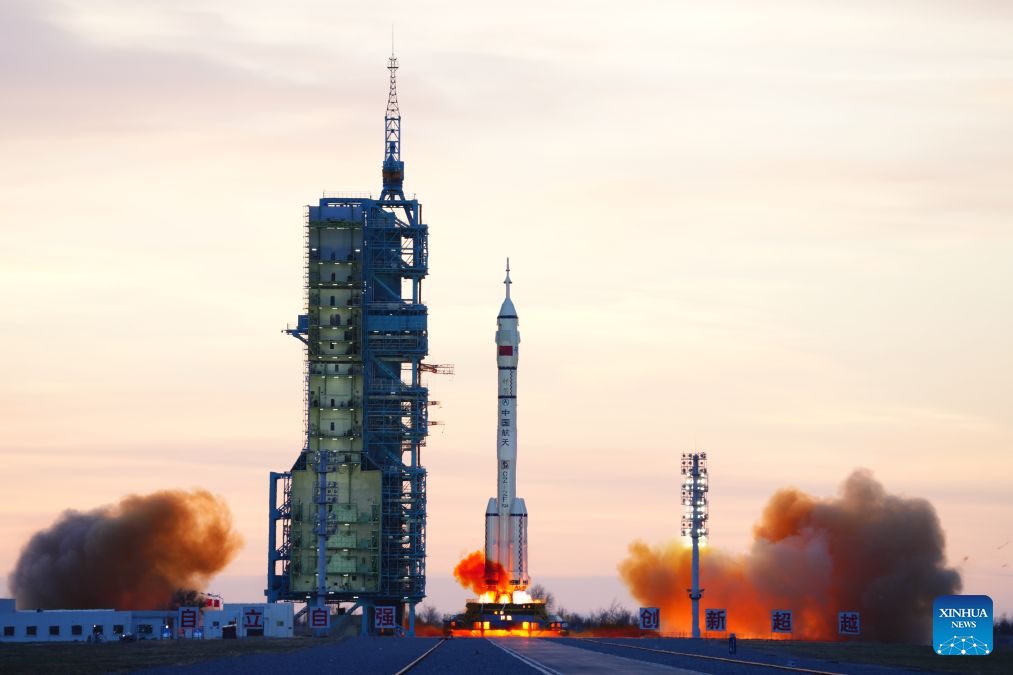
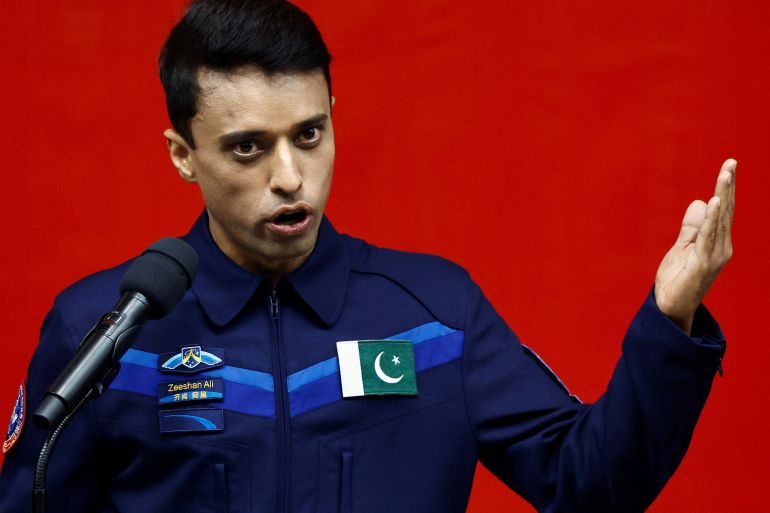
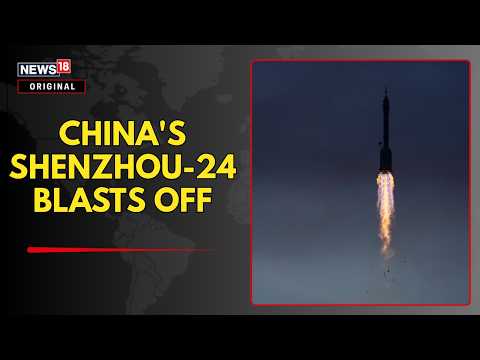
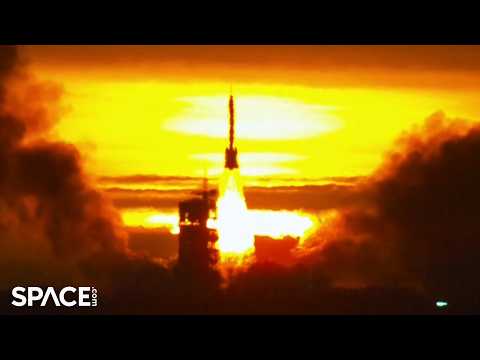
On 25 November, China launched Shenzhou-24 from Jiuquan with three astronauts, including Pakistani Air Force pilot Muhammad Zeeshan Ali. He is the first foreign astronaut to visit Tiangong and the first non-Chinese crew member in China's manned space program.

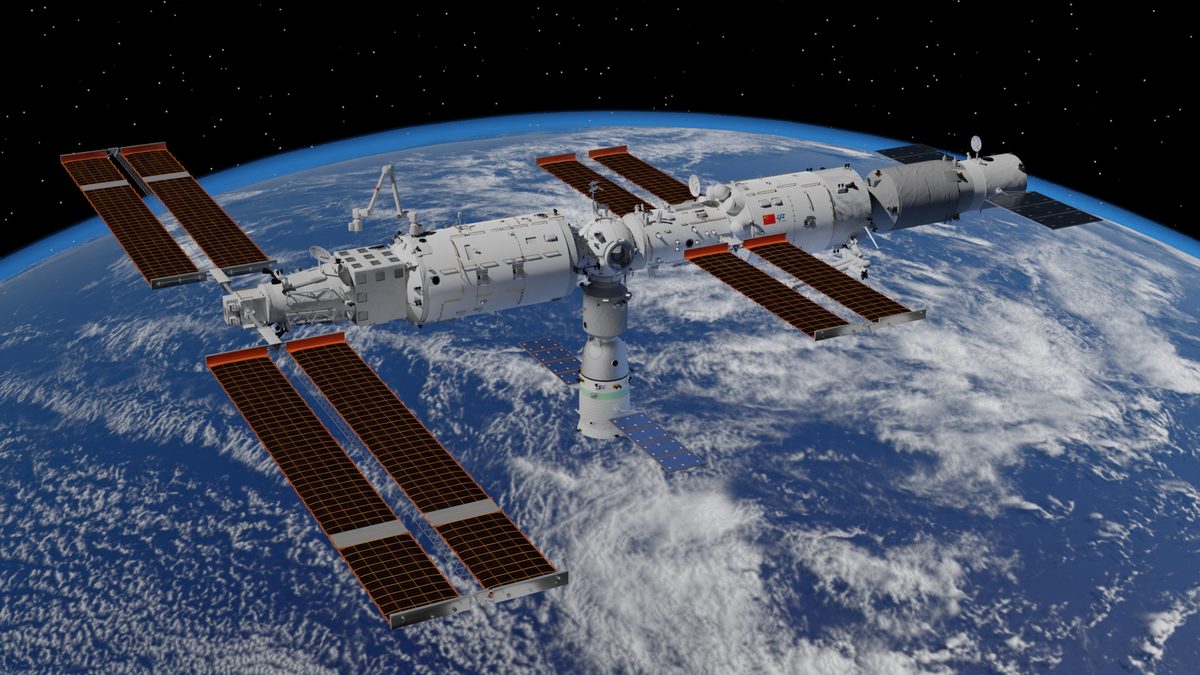
For Beijing, the flight turns Tiangong into a platform it can offer to international partners. China is trying to present itself as an alternative to the U.S.-led space order. For Pakistan, which has no spacecraft of its own, the short mission provides orbital research time and a visible first in human spaceflight.

Why it matters

China can now offer foreign governments a ride to orbit, a capability previously limited to the U.S. and Russia.

Questions about this story

Free account needed to ask — your question is kept and asked for you right after sign-up. Answers are public.

No questions yet — be the first to ask.

Key Indicators

1
First foreign astronaut on Tiangong
Muhammad Zeeshan Ali is the first non-Chinese visitor to China's space station.
4
China-Pakistan experiments
Biotechnology and materials projects are planned for the mission.
75
Years of China-Pakistan diplomatic relations
The flight coincides with the 75th anniversary of diplomatic ties.
3
Astronauts on Shenzhou-24
Two Chinese astronauts and one Pakistani payload specialist are aboard.

Voices

Curated perspectives — historical figures and your fellow readers.

Sign up to generate historical perspectives on this story.

People Involved

Organizations Involved

Timeline

February 2025 November 2026

4 events Latest: Yesterday
Tap a bar to jump to that date
  1. Shenzhou-24 launches with first foreign astronaut

    Today Launch

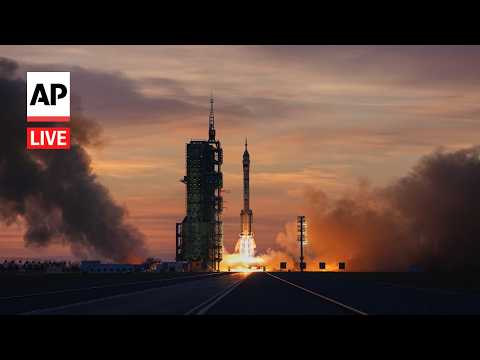
    The Long March 2F rocket lifts off from Jiuquan; Ali becomes the first foreign visitor to Tiangong.

  2. Press conference names Shenzhou-24 crew

    Latest Announcement

    CMSA identifies Ali, Tang Hongbo and Wu Yi; launch is set for the next morning.

  3. CMSA confirms Pakistani astronaut for Tiangong

    Announcement

    China's manned space agency says a Pakistani payload specialist will join a Shenzhou mission.

  4. China and Pakistan sign astronaut cooperation agreement

    Agreement

    The pact, signed in Islamabad, starts selection and training of Pakistani astronauts for a Chinese station flight.

Scenarios

1

Ali returns safely and China declares the mission a success

Likely Resolves by Dec 15, 2026

Discussed by: China Manned Space Agency and Xinhua

The plan calls for Ali to spend about a week on Tiangong, then return with two Shenzhou-23 crew members. A safe landing and completed experiments would let CMSA present the flight as a working model for future foreign astronauts.

2

China announces a second Pakistani astronaut mission by 2028

Possible Resolves by Q2 2028

Discussed by: Muhammad Zeeshan Ali and Pakistani officials

Ali has said the flight is a launchpad and hopes for multiple joint flights. A follow-on would require a new agreement, a training slot and a Shenzhou seat.

3

Tiangong hosts a foreign astronaut from outside Pakistan by 2028

Possible Resolves by End of 2028

Discussed by: Xinhua and China Manned Space Agency statements

Beijing says Tiangong is open to international research. If the Pakistan flight works, CMSA could offer a short-duration seat to another partner, which would test whether the station is a one-off gesture or a recurring platform.

Historical Context

3 moments from history that rhyme with this story — and how they unfolded.

July 1975

Apollo-Soyuz Test Project (1975)

A U.S. Apollo capsule and a Soviet Soyuz spacecraft docked in orbit on 17 July 1975. The crews shook hands in space, the first joint human spaceflight between rival programs.

Then

The mission proved that opposite political systems could cooperate on life-support and docking hardware.

Now

It set a precedent for Shuttle-Mir and the International Space Station.

Why this matters now

China's first joint flight with a foreign astronaut carries a similar mix of technical first and diplomatic signal.

April 2001

Dennis Tito flies to the ISS (2001)

American businessman Dennis Tito paid Russia to fly him to the International Space Station. NASA objected, but Russia sent him aboard a Soyuz.

Then

Tito spent about eight days in orbit and became the first paying space tourist.

Now

His flight opened a market for private and government-funded seats on Russian spacecraft.

Why this matters now

Pakistan, without its own spacecraft, is relying on a larger partner for launch and return, as Tito did.

September 2019

Hazza Al Mansouri flies to the ISS (2019)

Hazza Al Mansouri became the first Emirati in space, launching on a Russian Soyuz for an eight-day stay on the ISS.

Then

He conducted experiments and toured the station.

Now

The UAE later selected more astronauts and expanded its space program.

Why this matters now

A smaller country used a larger partner's launch system to put its first astronaut in orbit.

Sources

(5)