Pull to refresh
Logo
Daily Brief
Following
Why Sign Up
FDA expands treatment options for obesity with rare and mainstream drug approvals

FDA expands treatment options for obesity with rare and mainstream drug approvals

New Capabilities
By Newzino Staff |

Rhythm Pharmaceuticals wins first-ever approval for acquired hypothalamic obesity as the broader obesity drug pipeline accelerates

Yesterday: FDA approves Imcivree for acquired hypothalamic obesity

Overview

For patients who gained severe, uncontrollable weight after brain tumor surgery—often as children—there has never been an approved medication. That changed on March 19, 2026, when the Food and Drug Administration (FDA) approved Imcivree (setmelanotide) for acquired hypothalamic obesity, a condition affecting roughly 10,000 Americans whose damaged hypothalamus makes diet and exercise essentially useless. In clinical trials, patients lost 18.4% more body mass than those on placebo over one year.

Why it matters

Patients with brain-injury-driven obesity now have their first approved medication, closing a gap that lifestyle changes alone could never fill.

Key Indicators

18.4%
Placebo-adjusted BMI reduction
Average body mass index reduction over 52 weeks in the TRANSCEND Phase 3 trial
~10,000
Estimated US patients with acquired hypothalamic obesity
Predominantly craniopharyngioma survivors who developed severe weight gain after treatment
$194.8M
Imcivree 2025 net revenue
Rhythm Pharmaceuticals' full-year 2025 product revenue, before the new indication's potential contribution
142
TRANSCEND trial patients
Patients enrolled in the pivotal Phase 3 trial supporting this approval
4th
Imcivree approved indication
Now approved for POMC/PCSK1/LEPR deficiency, Bardet-Biedl syndrome, and acquired hypothalamic obesity

Interactive

Exploring all sides of a story is often best achieved with Play.

Ever wondered what historical figures would say about today's headlines?

Sign up to generate historical perspectives on this story.

Sign Up

Debate Arena

Two rounds, two personas, one winner. You set the crossfire.

People Involved

Organizations Involved

Timeline

  1. FDA approves Imcivree for acquired hypothalamic obesity

    Approval

    Rhythm Pharmaceuticals receives FDA approval for the first and only treatment for acquired hypothalamic obesity in adults and children aged 4 and older. The approval was based on the 142-patient TRANSCEND trial showing an 18.4% placebo-adjusted BMI reduction.

  2. Higher-dose Wegovy also approved the same day

    Approval

    The FDA approves Wegovy 7.2 mg, a higher-dose version of the semaglutide injection, achieving 20.7% weight loss—underscoring the rapid expansion of obesity treatment options.

  3. First oral GLP-1 pill approved for weight loss

    Approval

    FDA approves oral semaglutide 25 mg (oral Wegovy), eliminating the need for injections. Novo Nordisk prices it at $149 per month.

  4. FDA accepts Imcivree application for hypothalamic obesity

    Regulatory

    The FDA accepts Rhythm's supplemental new drug application for review, initially setting a decision deadline of December 2025.

  5. TRANSCEND trial shows strong results in hypothalamic obesity

    Clinical Trial

    Rhythm Pharmaceuticals announces that setmelanotide achieved a 19.8% placebo-adjusted BMI reduction in 120 patients with acquired hypothalamic obesity over 52 weeks.

  6. Wegovy approved to reduce cardiovascular risk

    Approval

    Based on the SELECT trial showing a 20% reduction in major cardiovascular events, Wegovy becomes the first drug approved specifically to reduce heart risk in overweight and obese patients.

  7. Zepbound approved as second major GLP-1 for obesity

    Approval

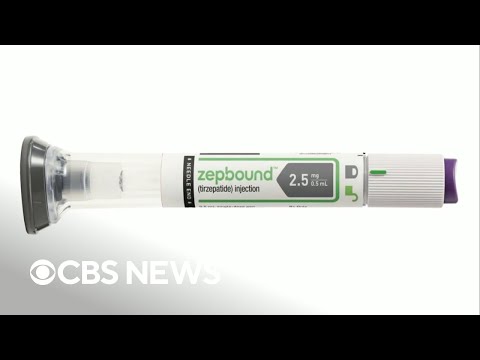
    FDA approves tirzepatide injection, a dual GIP/GLP-1 receptor agonist, for chronic weight management. At its highest dose, patients lost an average of 48 pounds.

  8. Imcivree expands to Bardet-Biedl syndrome

    Approval

    FDA approves Imcivree for Bardet-Biedl syndrome, a rare genetic condition affecting an estimated 1,500 to 2,500 Americans. First approved treatment for the condition.

  9. Wegovy approval transforms obesity treatment

    Approval

    FDA approves semaglutide 2.4 mg injection for chronic weight management, achieving roughly 15% weight loss—approaching surgical results with a weekly injection.

  10. Imcivree first approved for ultra-rare genetic obesities

    Approval

    FDA approves setmelanotide for obesity caused by POMC, PCSK1, or LEPR gene deficiencies—conditions affecting only hundreds of patients worldwide.

  11. FDA breaks 13-year obesity drug drought

    Approval

    Belviq (lorcaserin) becomes the first new obesity drug approved since 1999, followed weeks later by Qsymia. Belviq would later be withdrawn in 2020 due to cancer signal.

  12. Fen-phen withdrawn after heart valve damage

    Regulatory

    Fenfluramine pulled from market after causing valvular heart disease. Manufacturer eventually paid over $13 billion in damages. Begins a 13-year freeze on new obesity drug approvals.

Scenarios

1

Imcivree becomes standard of care for hypothalamic obesity, Rhythm revenue accelerates

Discussed by: Morgan Stanley, Citigroup, and Needham analysts maintaining Buy ratings on Rhythm Pharmaceuticals

With no competing approved treatments and strong clinical data, Imcivree achieves rapid adoption among endocrinologists treating acquired hypothalamic obesity. The roughly 10,000-patient US population, combined with existing rare genetic indications, pushes Rhythm's annual revenue past $400 million within two years. Insurance coverage for rare/acquired conditions proves easier to secure than for common obesity drugs, supporting uptake. Rhythm's pipeline drugs (bivamelagon, RM-718) advance to replace setmelanotide with more convenient or effective next-generation options.

2

GLP-1 drugs encroach on hypothalamic obesity, limiting Imcivree's growth

Discussed by: Researchers publishing observational data on semaglutide in hypothalamic obesity, showing 13.4 kg weight loss at 12 months

As GLP-1 drugs like semaglutide and tirzepatide become ubiquitous, some clinicians prescribe them off-label for hypothalamic obesity patients instead of Imcivree, particularly given their broader availability and growing insurance coverage. While setmelanotide targets the specific disrupted pathway, GLP-1 drugs work through partially independent central pathways and are already familiar to prescribers. Imcivree retains an advantage for patients who don't respond to GLP-1 therapy, but the addressable market proves smaller than Rhythm projected.

3

Obesity pharmacotherapy enters 'combination era' spanning rare and common conditions

Discussed by: Nature Reviews and major obesity research conferences tracking 157+ clinical-stage assets across 60+ mechanisms

The parallel expansion of rare-pathway drugs (MC4R agonists) and mainstream drugs (GLP-1, dual and triple agonists, amylin analogues) converges into combination approaches. Clinicians begin combining Imcivree with GLP-1 drugs for hypothalamic obesity patients, similar to how HIV treatment evolved from single agents to multi-drug regimens. Regulatory frameworks adapt to accommodate combination studies across different obesity subtypes, and personalized treatment based on obesity etiology becomes standard practice.

4

EMANATE failure signals limits of MC4R agonism, narrowing Rhythm's growth path

Discussed by: Analysts who cut Rhythm price targets in March 2026 following the EMANATE trial miss

Rhythm's separate EMANATE trial—which tested Imcivree in four additional rare genetic obesities—failed to show statistically significant results, with BMI reductions of only 1.7% to 4.3%. This signals that MC4R agonism has a ceiling and works best only when the melanocortin pathway is specifically and significantly disrupted. Rhythm's expansion opportunities narrow, and the company becomes a niche rare disease firm rather than a platform obesity company. Next-generation pipeline drugs face heightened scrutiny.

Historical Context

Fen-phen scandal and 13-year approval freeze (1997)

September 1997

What Happened

Fenfluramine, half of the wildly popular fen-phen diet drug combination that generated 18 million monthly prescriptions in 1996, was pulled from the market after causing heart valve damage. Manufacturer American Home Products (later Wyeth) paid over $13 billion in legal damages. Surveys later found 31% of healthcare providers said they would never prescribe obesity medication again.

Outcome

Short Term

The FDA approved no new obesity drugs for 13 years, from 1999 to 2012. Obesity was treated almost exclusively through lifestyle counseling and bariatric surgery.

Long Term

The scandal created deep regulatory caution and physician reluctance around obesity pharmacotherapy that took two decades and the GLP-1 revolution to overcome.

Why It's Relevant Today

The fen-phen disaster explains why obesity treatment languished for so long—and why each new approval, especially for vulnerable populations like children with hypothalamic damage, carries heightened scrutiny for safety. Imcivree's clean safety profile in the TRANSCEND trial matters against this backdrop.

Enzyme replacement therapy for Gaucher disease (1991)

April 1991

What Happened

The FDA approved Ceredase (alglucerase) for Gaucher disease, an ultra-rare genetic condition affecting roughly 6,000 Americans. Developed by Genzyme, it was one of the first successful rare disease therapies and established the model of orphan drug development—targeting small patient populations with high unmet need at premium prices.

Outcome

Short Term

Genzyme built a profitable rare disease business around a single enzyme replacement product, demonstrating that rare conditions could sustain pharmaceutical companies.

Long Term

The orphan drug model became a standard pharmaceutical strategy: prove efficacy in a rare, well-defined population, then expand to adjacent conditions sharing the same biological pathway.

Why It's Relevant Today

Rhythm Pharmaceuticals is following the same playbook Genzyme pioneered: start with ultra-rare genetic deficiencies (POMC, PCSK1, LEPR), expand to a broader rare syndrome (Bardet-Biedl), then move into a larger acquired condition (hypothalamic obesity) that shares the same MC4R pathway disruption. The question is how far the pathway-based expansion can reach.

Imatinib (Gleevec) approval for chronic myeloid leukemia (2001)

May 2001

What Happened

The FDA approved imatinib, a targeted therapy that specifically blocked the BCR-ABL protein driving chronic myeloid leukemia (CML). Developed by Novartis, it transformed CML from a near-certain death sentence into a manageable chronic condition, achieving complete remission in most patients. It was approved in just 2.5 months—one of the fastest reviews in FDA history.

Outcome

Short Term

Five-year survival rates for CML jumped from roughly 30% to over 90%. Imatinib became one of the best-selling cancer drugs in history.

Long Term

Imatinib proved that drugs targeting a specific molecular mechanism could be transformative, launching the era of precision medicine in oncology.

Why It's Relevant Today

Like imatinib targeting BCR-ABL in leukemia, setmelanotide targets a specific disrupted signaling pathway (MC4R) rather than treating symptoms broadly. Both drugs work best when the underlying biological defect is well understood and directly addressable—and both demonstrate that targeting the right mechanism can produce results in conditions previously considered untreatable.

Sources

(8)