

Pull to refresh
Logo
Roman-era glass cup surfaces in Mongolia's largest Xiongnu tomb

Roman-era glass cup surfaces in Mongolia's largest Xiongnu tomb

New Capabilities

A Korean-Mongolian team finished four years of digging at Duurlig Nars with 413 objects, Han-style jade and a glass vessel whose origin is still being tested

Overview

Updated 48 minutes ago

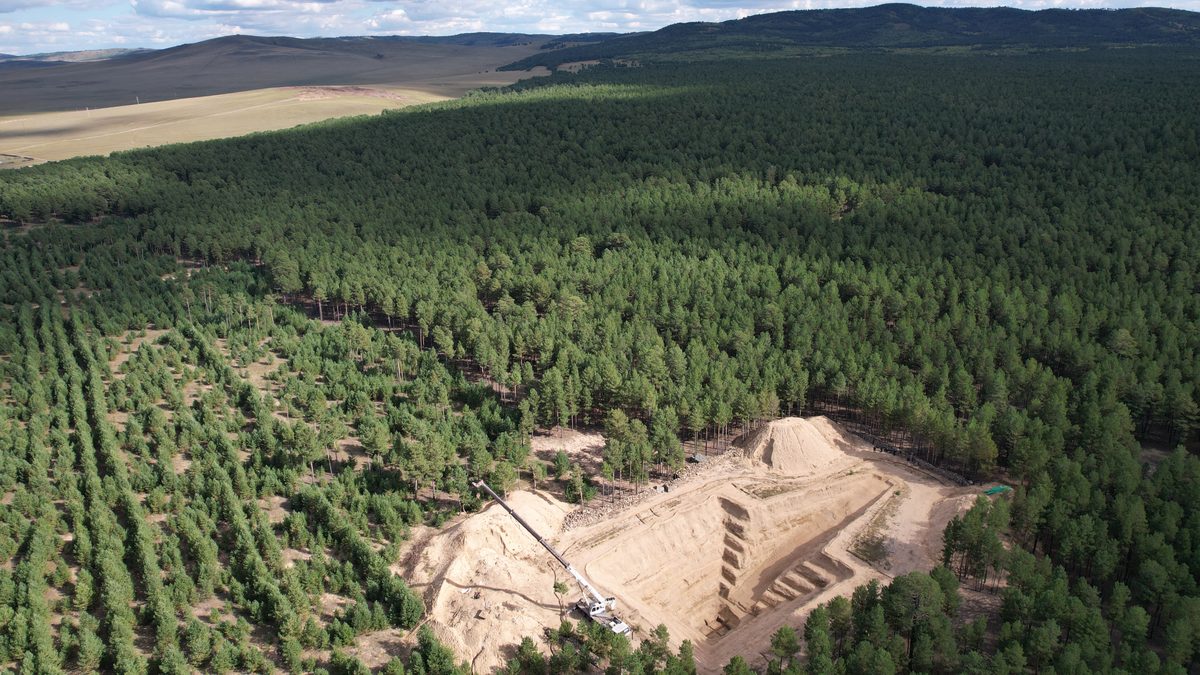
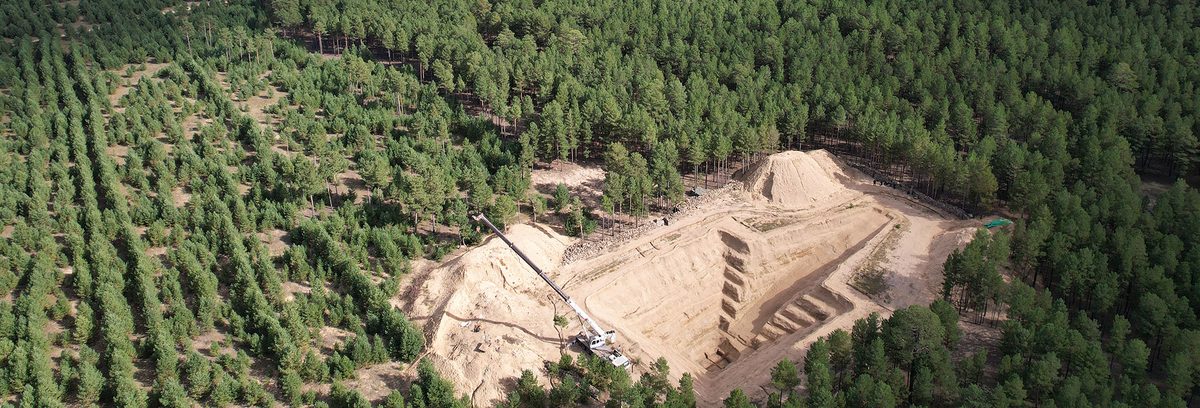
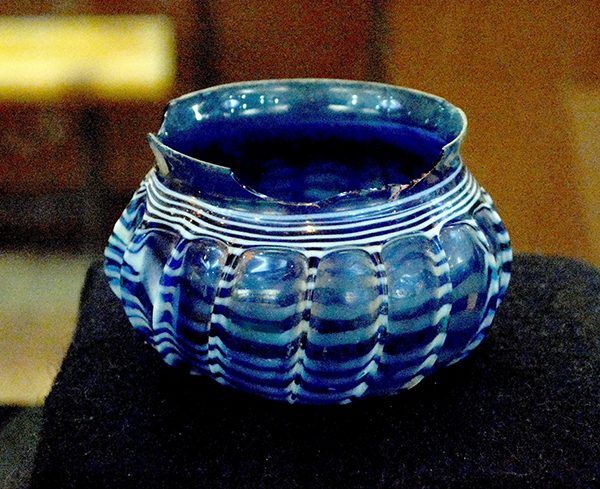
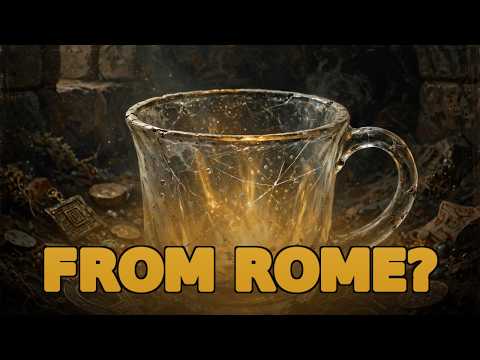
Archaeologists in eastern Mongolia have finished digging the largest Xiongnu tomb ever found in the country. Inside, they recovered 413 objects, among them a handled glass cup that may have been made within the Roman Empire.

The National Museum of Korea announced the results on November 6, 2026, alongside the Mongolian Academy of Sciences and the National Museum of Mongolia. The cup draws the attention, but the surrounding finds carry the argument: jade carved in Han Chinese funerary style, a horse ornament matching pieces from Lelang tombs near Pyongyang, and a lacquered chariot.

Why it matters

The cup cannot prove Xiongnu traders met Romans. It shows goods crossed Eurasia 2,000 years ago through chains of intermediaries, not direct voyages.

Questions about this story

Free account needed to ask — your question is kept and asked for you right after sign-up. Answers are public.

No questions yet — be the first to ask.

Key Indicators

413
Objects recovered from Tomb 160
Precious metals, jade, horse gear and a complete lacquered chariot.
15
Jade pieces modelled on Han bi discs
Their irregular shapes and dense carving mark them as Xiongnu reworkings of a Han funerary form.
~300
Graves at the Duurlig Nars burial ground
Tomb 160 is the largest of them and the largest Xiongnu tomb found in Mongolia so far.
9
Stacked stone layers removed from the tomb
The team took out nine courses of stone to reach the burial chamber.
14.5 m
Depth to the floor of the central chamber
Comparable large tombs in central Mongolia reach about 22 metres.

Voices

Curated perspectives — historical figures and your fellow readers.

Sign up to generate historical perspectives on this story.

Organizations Involved

Timeline

2019 November 2026

5 events Latest: Today
Tap a bar to jump to that date
  1. Good News Network publishes an English account of the tomb

    Today Publication

    The outlet's report summarised the National Museum of Korea's November 6 announcement for English-language readers.

  2. Museum reports 413 finds from Mongolia's largest Xiongnu tomb

    Announcement

    The National Museum of Korea says the excavation of Tomb 160 is complete, with a handled glass cup, 15 jade pieces, a silver horse pendant and a lacquered chariot recovered.

  3. Genetics study ties a few European Huns to late Xiongnu elite

    Research

    A study led by the Max Planck Institute for Evolutionary Anthropology found inherited-linkage ties between some Hun-period individuals in Europe and high-ranking late Xiongnu, while most Hun-period people in Europe carried little East Asian ancestry.

  4. Korean and Mongolian teams begin digging Tomb 160

    Excavation

    The National Museum of Korea, the Mongolian Academy of Sciences and the National Museum of Mongolia start a four-year project at Duurlig Nars.

  5. Satellite burial beside Tomb 160 is surveyed

    Excavation

    A smaller grave near the main tomb showed the same shallow central chamber later found in Tomb 160.

Scenarios

1

Glass analysis places the cup inside Roman territory

Possible Resolves by End of 2027

Discussed by: National Museum of Korea; Archaeology Magazine

The museum has said chemical analysis of the glass will decide where the vessel was made. If its composition matches glass from imperial-era Mediterranean workshops, the cup becomes the strongest single object in the tomb linking the Xiongnu to the Roman world. Even then, the object would have passed through intermediaries, and the museum has not claimed otherwise.

2

Testing finds the cup was made outside the Roman Empire

Possible Resolves by End of 2027

Discussed by: Ancient Origins, citing Arkeonews; Ancientist

Archaeologists have stressed that a Roman origin is a hypothesis under test, and that the routes these objects travelled are unknown. Compositional work could point to workshops in western Asia or elsewhere, leaving the tomb's long-distance links intact but shifting them east of the Mediterranean. That would trim the most dramatic version of the story while leaving the exchange-network argument standing.

3

DNA identifies the occupant and links them to the satellite graves

Likely Resolves by Q2 2028

Discussed by: National Museum of Korea; Live Science

Teeth and hair were recovered from inside the coffin and are being held for genetic testing. Results would give the occupant's chromosomal sex and age, and could show whether the people buried in nearby satellite graves were relatives. That would turn a tomb description into a picture of how one elite Xiongnu household organised itself at a time when the empire was contracting.

Historical Context

3 moments from history that rhyme with this story — and how they unfolded.

1924–1925

Noin-Ula tombs (1924–25)

Russian explorer Pyotr Kozlov excavated Xiongnu elite graves at Noin-Ula in northern Mongolia. The tombs produced Chinese lacquerware, silk and imported textiles dated around the turn of the Common Era.

Then

The objects went into Russian collections and gave scholars their first large assemblage of Xiongnu elite goods.

Now

Noin-Ula established that Xiongnu graves could contain objects from across Asia, the frame that Tomb 160 now stretches west toward Rome.

Why this matters now

Tomb 160 is the same kind of find a century later, with better dating and a wider list of far-off objects.

1st century BCE–3rd century CE

Lelang commandery tombs, Pyongyang (1st century BCE–3rd century CE)

Han China governed the Lelang commandery from a seat near modern Pyongyang for about four centuries. Its tombs, including Seogam-ri Tomb 219, produced silver harness ornaments in a gourd shape.

Then

The ornaments entered Korean museum collections and became a standard comparison point for horse gear found across Northeast Asia.

Now

They anchor a material link between the Korean Peninsula and steppe peoples that later excavations keep testing.

Why this matters now

The pendant from Tomb 160 matches those Lelang ornaments, with a crystal set in the centre, which is why the museum describes a Rome-to-Korea network.

1st–2nd century CE

Roman coin hoards in southern India (1st–2nd century CE)

Roman silver denarii appear in hoards across peninsular India, left by merchants working Indian Ocean ports under the monsoon trade.

Then

The coins showed Roman goods reaching Asia in commercial volume rather than as curiosities.

Now

They became the standard example of Roman objects travelling far beyond the empire's borders without Romans governing or settling there.

Why this matters now

The Mongolian cup poses the same question: whether an object thousands of kilometres from its workshop means contact between peoples or just a long chain of sellers.

Sources

(8)