

Pull to refresh
Logo
DoorDash tests delivery robots on Salt Lake City streets and bike lanes

DoorDash tests delivery robots on Salt Lake City streets and bike lanes

New Capabilities Salt Lake City, UT local

Up to eight autonomous robots are allowed in a test area, with restrictions on speed and sidewalk use.

Overview

Updated 37 minutes ago

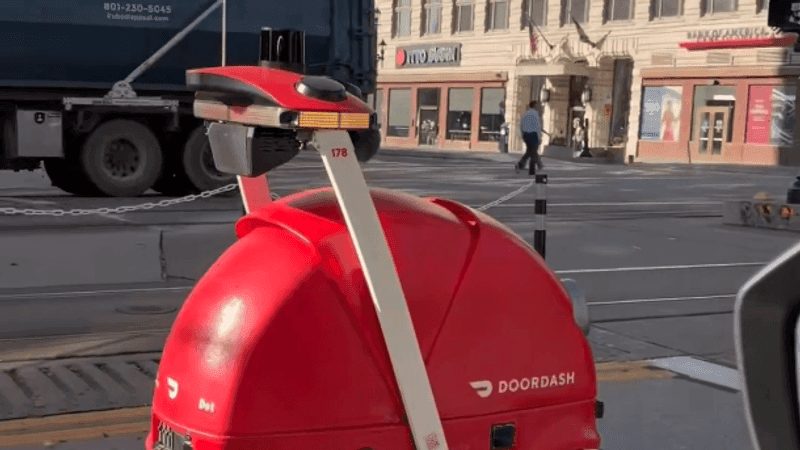
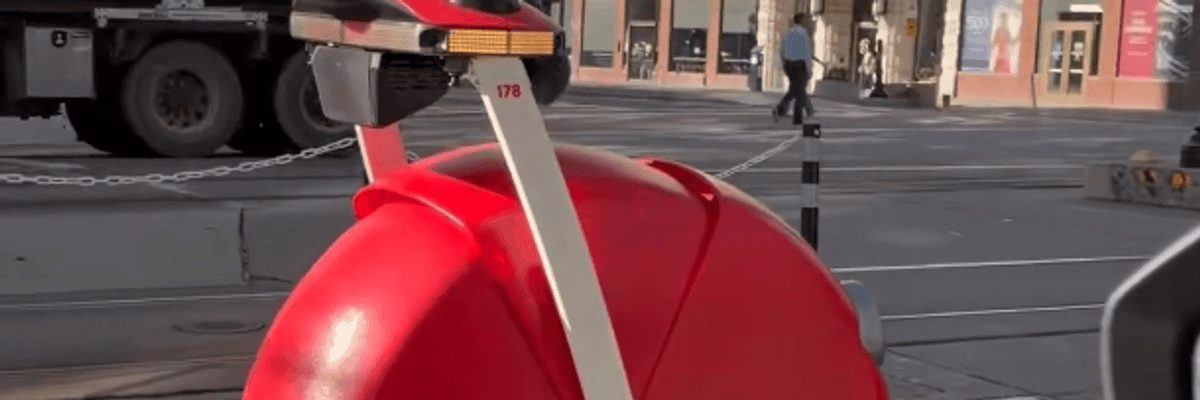
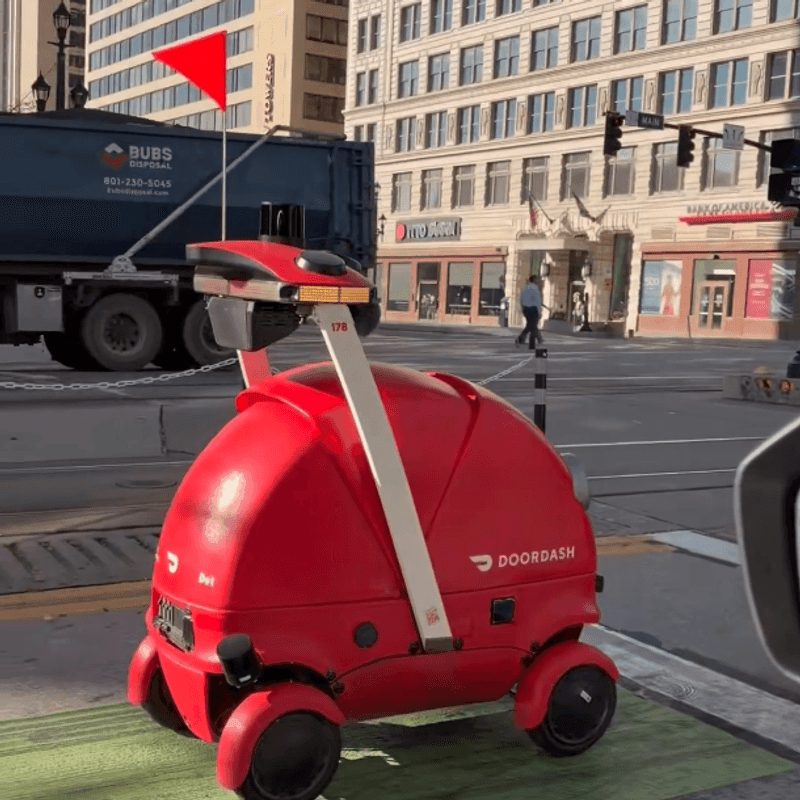
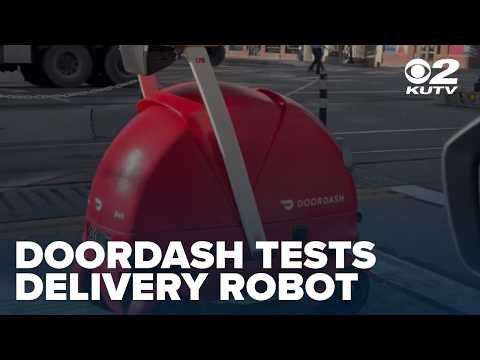
DoorDash is testing its autonomous delivery robot, Dot, on Salt Lake City streets, sidewalks, and painted bike lanes. The city allowed up to eight robots in a test area covering downtown and nearby neighborhoods. The robots are not permitted to make customer deliveries.

The test is part of a broader push to automate last-mile delivery. If successful, it could lead to more robots on city streets, raising questions about safety and how public space is shared.

Why it matters

If the test succeeds, delivery robots could become a common sight in U.S. cities, forcing cities to decide how to regulate them.

Last Monday's email for Salt Lake City, UT

Sent Nov 9. It carried:

Get next Monday's: one short email a week. Free. Unsubscribe in one click.

Questions about this story

Free account needed to ask — your question is kept and asked for you right after sign-up. Answers are public.

No questions yet — be the first to ask.

Key Indicators

8
Robots allowed
Maximum number of DoorDash robots permitted in the test area.
12-18 mph
Speed in bike lanes
Designed speed range for robots in bike lanes.
3 ft
Minimum sidewalk width
Robots cannot use sidewalks narrower than 3 feet.
0
Customer deliveries allowed
Robots are not permitted to make customer deliveries during the test.
6
Neighborhoods in test area
Includes Central City, Central Ninth, Ballpark, Liberty Wells, East Central, and lower Avenues.

Voices

Curated perspectives — historical figures and your fellow readers.

Sign up to generate historical perspectives on this story.

Organizations Involved

Timeline

September 2026 November 2026

4 events Latest: Today
Tap a bar to jump to that date
  1. Salt Lake Tribune reports robot in bike lane

    Today Media

    The Salt Lake Tribune reported a DoorDash robot seen in a Salt Lake City bike lane.

  2. KUTV reports details of robot test

    Media

    KUTV reported that DoorDash was testing up to eight robots with restrictions.

  3. City posts that DoorDash is testing robots

    Government

    Salt Lake City transportation department posted that DoorDash was testing robots on city streets.

  4. City board briefed on DoorDash robot

    Government

    Salt Lake City Business Advisory Board scheduled a briefing on DoorDash Labs and Dot.

Scenarios

1

DoorDash expands robot test to customer deliveries

Possible Resolves by Q2 2027

Discussed by: Industry analysts

If the initial test goes smoothly, DoorDash could seek permission to make customer deliveries. The city would need to approve an expansion. This would be the first step toward commercial service.

2

City tightens rules on delivery robots after complaints

Possible Resolves by End of 2027

Discussed by: Local residents and city officials

If residents complain about robots in bike lanes or sidewalks, the city could impose new restrictions. This could include banning robots from bike lanes or requiring lower speeds.

3

DoorDash ends test and withdraws robots

Unlikely Resolves by Q1 2027

Discussed by: Industry observers

If the test encounters problems or fails to show promise, DoorDash could end the program and remove its robots from Salt Lake City.

Historical Context

2 moments from history that rhyme with this story — and how they unfolded.

2017

San Francisco delivery robot restrictions (2017)

San Francisco supervisors passed legislation limiting delivery robots on sidewalks after complaints about safety. The law restricted robots to 3 mph and required permits.

Then

Robots were largely confined to industrial areas.

Now

The rules set a precedent for how cities could regulate delivery robots.

Why this matters now

Shows that cities can react quickly to public concerns about robots in shared spaces.

2002

Segway sidewalk bans (2002)

The Segway was introduced as a revolutionary personal transporter. Many cities banned it from sidewalks due to safety concerns.

Then

Segway faced a patchwork of regulations.

Now

The device remained niche and never transformed urban transport.

Why this matters now

Illustrates how new mobility technology can face regulatory pushback when it shares space with pedestrians.

Sources

(2)