
Pull to refresh
Logo
Andreessen Horowitz launches SF academy for 'builders' with no grades or degree

Andreessen Horowitz launches SF academy for 'builders' with no grades or degree

New Capabilities San Francisco, CA local

Venture firm invests $35M in for-profit school that promises to turn high school grads into founders

Yesterday: Andreessen Horowitz announces academy

Overview

Updated Yesterday

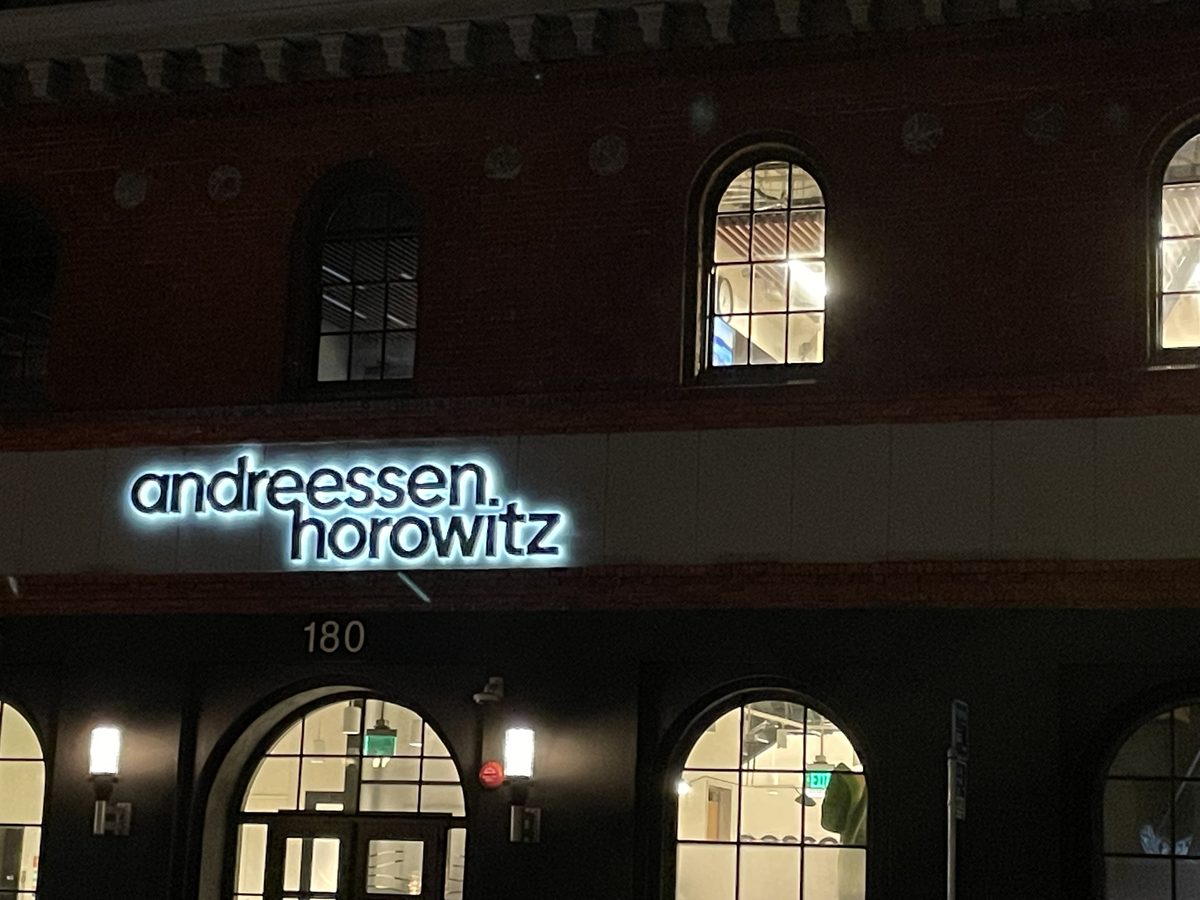
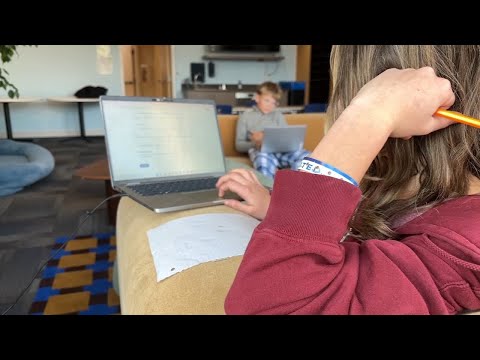
Andreessen Horowitz is investing $35 million in a private school in San Francisco that promises to turn high school graduates into startup founders—no grades, no tests, no degree required. The Horowitz Andreessen Academy, announced Tuesday, will open applications for a founding class of about 50 students who will attend tuition-free for one year starting next fall.

The academy is the latest and most ambitious attempt by Silicon Valley to bypass traditional higher education. If it succeeds, it could pull top students away from four-year colleges and accelerate the shift toward AI-native, project-based learning.

Why it matters

If this academy works, it could convince more students to skip college and more employers to drop degree requirements—reshaping the path to a tech career.

Questions about this story

Free account needed to ask — your question is kept and asked for you right after sign-up. Answers are public.

No questions yet — be the first to ask.

Key Indicators

$35M
Andreessen Horowitz investment
Initial funding for the academy.
50
Founding class size
Tuition-free one-year program for ~50 students.
10
Founding partner companies
Including Anthropic, OpenAI, Google, Meta, NVIDIA, and others.

Voices

Curated perspectives — historical figures and your fellow readers.

Ever wondered what historical figures would say about today's headlines?

Sign up to generate historical perspectives on this story.

People Involved

Organizations Involved

Timeline

1 event Latest: Yesterday
  1. Andreessen Horowitz announces academy

    Latest Announcement

    Venture firm invests $35M in for-profit school for 'builders' with no grades or degrees. Applications open for founding class of 50.

Scenarios

1

Academy launches founding class on schedule

Likely Resolves by Q3 2027

Discussed by: Academy leadership, tech press

The academy receives enough qualified applicants and starts its one-year tuition-free program for ~50 students in fall 2027. The first cohort completes the program, and some students go on to found or join startups.

2

Regulatory hurdles delay two-year program

Possible Resolves by Jun 1, 2028

Discussed by: Education policy analysts, California regulators

The academy's application to operate as a two-year degree-granting program faces delays or rejection from California's Bureau for Private Postsecondary Education. The founding class may still run, but the paid two-year track is postponed or altered.

3

Academy fails to attract enough students, cancels founding class

Unlikely Resolves by Mar 1, 2027

Discussed by: Skeptics in higher education, some tech commentators

Despite the hype, the academy receives too few qualified applicants or faces public backlash over its unaccredited model. It postpones or cancels the founding class, citing low enrollment or regulatory pressure.

Historical Context

2 moments from history that rhyme with this story — and how they unfolded.

2011-present

Thiel Fellowship (2011)

Peter Thiel launched a program offering $100,000 to young people under 23 to skip college and start companies. The first class of 24 fellows included future founders of companies like Ethereum and DeepMind.

Then

The fellowship drew intense media attention and criticism from educators, but produced several successful startups.

Now

It normalized the idea that dropping out of college could be a rational choice for ambitious tech entrepreneurs, but did not significantly reduce college enrollment.

Why this matters now

The Horowitz Andreessen Academy is a direct descendant of this idea, but with a more structured curriculum and corporate partnerships, aiming to scale the 'skip college' model.

2012-2015

Coding bootcamps (2012-2015)

Intensive, short-term programs like General Assembly and Hack Reactor promised to turn beginners into job-ready software developers in months, without degrees. They grew rapidly, attracting students and employer interest.

Then

Many bootcamps placed graduates in tech jobs, but outcomes varied widely. Some closed amid regulatory scrutiny and lawsuits over misleading job placement claims.

Now

The industry consolidated, and many programs added accreditation or partnerships with universities. The experience showed that unaccredited education can succeed only if it delivers measurable employment outcomes.

Why this matters now

The academy's success will depend on whether it can prove that its 'proof of work' model leads to real careers, avoiding the pitfalls that plagued bootcamps.

Sources

(3)

More from San Francisco, CA

Openings, permits and council decisions in San Francisco, CA, in your inbox every Monday.