Anchor

San Francisco board saves 25-year-old sycamore as city moves to limit tree appeals
Rule Changes San Francisco, CA localSupervisors pass first reading of PermitSF tree ordinance, ending independent review of hazardous removals
September 1st, 2026: Supervisors pass first reading of tree ordinance 7-4New here? Follow stories to track developments over time. Create a free account to get updates when stories you care about change.
Overview
Updated 5 days agoSan Francisco supervisors voted 7-4 on Sept. 1 to pass the first reading of Mayor Daniel Lurie's street-tree ordinance. The measure lets developers of smaller projects pay a $2,590 fee instead of planting trees, and it ends independent review of trees the city calls hazardous.
The vote came a week after the Board of Appeals voted 4-0 to save a healthy 25-year-old sycamore in Potrero Hill. The tree was not classified hazardous, so it would have been spared either way. Final passage is still required.
Why it matters
If it passes final reading, residents lose the last independent check on city tree removals, and the appeal window shrinks to 10 days.
Questions about this story
Free account needed to ask — your question is kept and asked for you right after sign-up. Answers are public.
No questions yet — be the first to ask.
Key Indicators
4-0
Board of Appeals vote to save sycamore
The board ruled unanimously that Public Works hadn't justified the removal.
2
City-initiated tree removal appeals since 2024
The Board of Appeals told supervisors it has heard only two such cases since the start of 2024.
792
Days from tree ID to removal approval
Josh Klipp's records request showed 792 days elapsed before Public Works approved removing the sycamore.
10
Proposed appeal filing window
Down from 15 days; the Board of Appeals would also have 30 days to decide, instead of 60. Passed first reading Sept. 1.
7-4
Supervisors' first-reading vote
The Board of Supervisors passed the street-tree ordinance 7-4 on Sept. 1, 2026.
$2,590
In-lieu fee per required tree
Developers of smaller projects can pay this fee instead of planting street trees.
Related Media
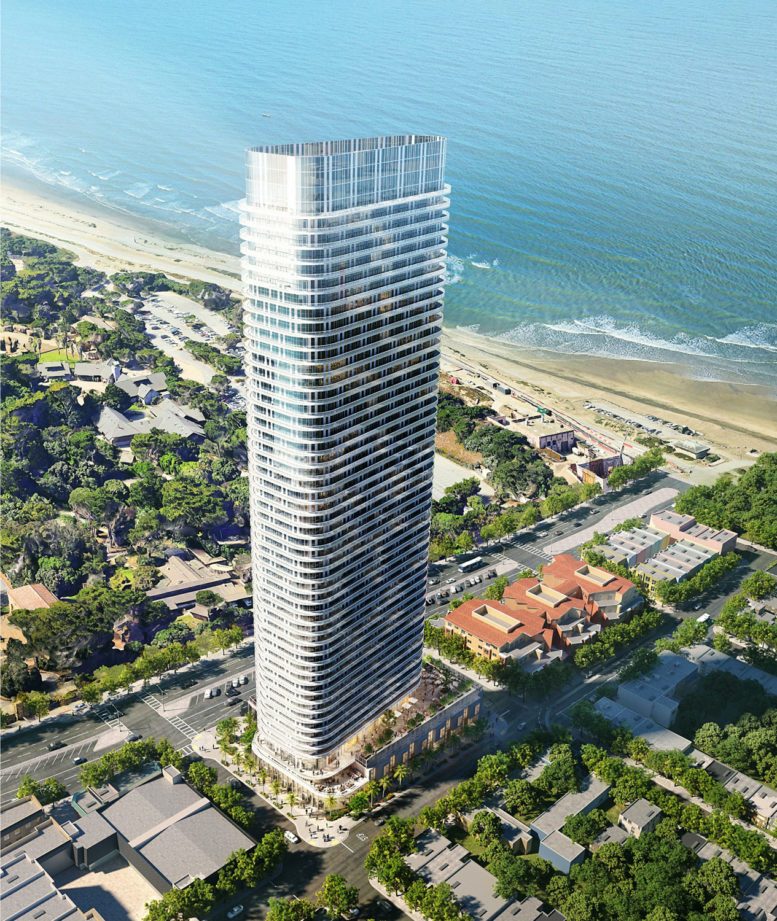
San Francisco Board of Appeals Reviewing 2700 Sloat Boulevard Today - San Francisco YIMBY
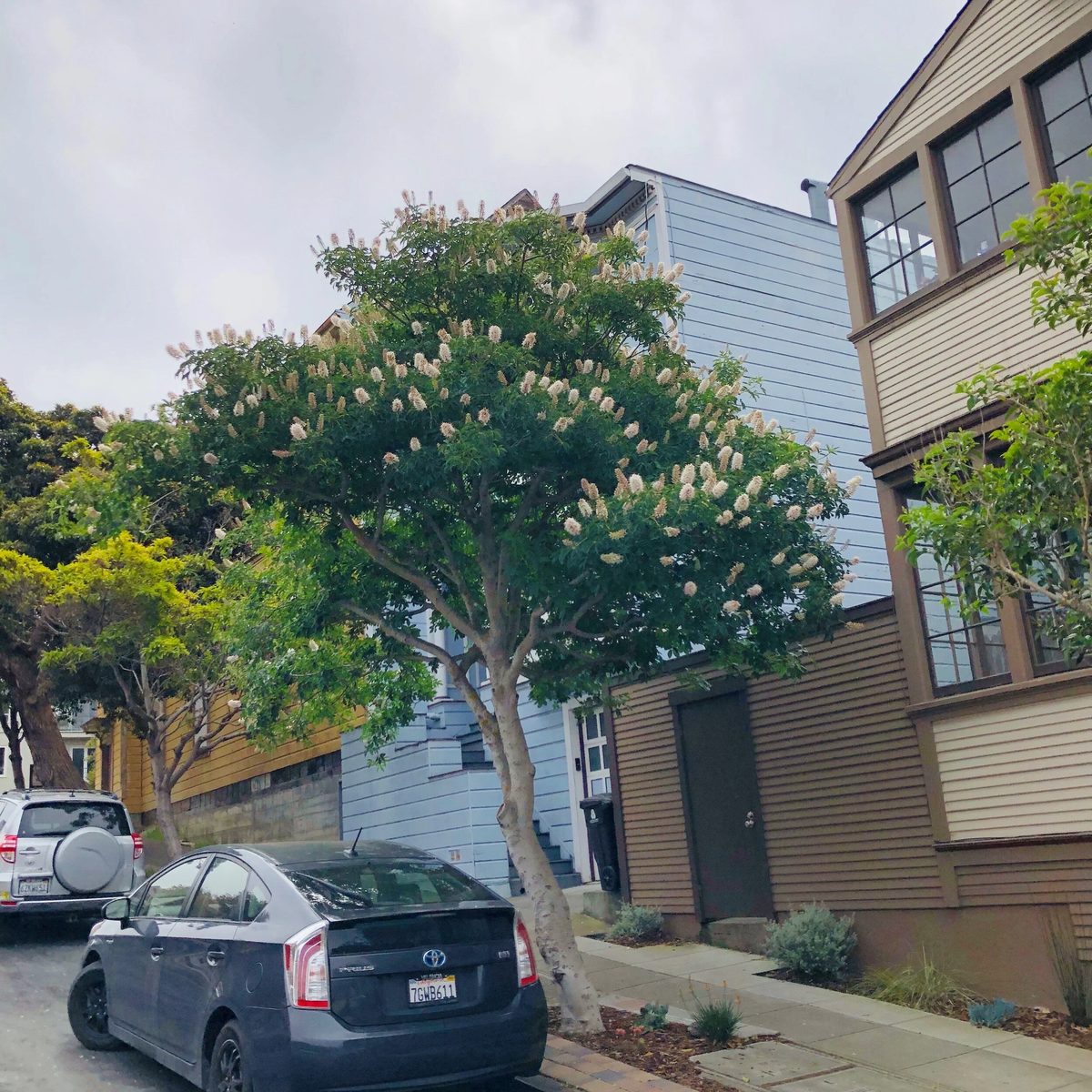
Potrero Hill Social Distancing Tree Tour #covidtreetour (5-9-20) — San Francisco Trees
2.2K views
2:57
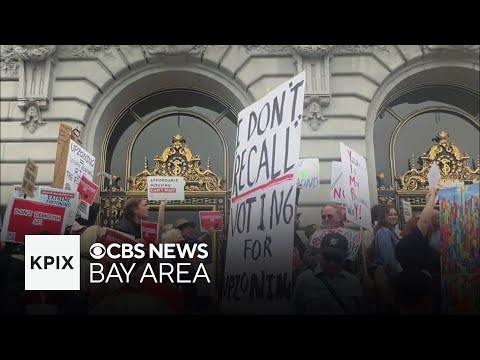
San Francisco seeks change in tree removal permitting to allow ...
KPIX | CBS NEWS BAY AREA
56 views
1:02
Nature lovers in San Francisco rallied to oppose plans ...
SanFranciscoNewsEvents
7.3K views
3:30
San Francisco mayor's upzoning plans meet resistance at City ...
KPIX | CBS NEWS BAY AREA
Images from Openverse under Creative Commons licenses. Videos from YouTube.
Voices
Curated perspectives — historical figures and your fellow readers.
Play
Exploring all sides of a story is often best achieved with Play.
Most of these play right now — no account needed. Sign up to save scores, keep a streak, and unlock Debate and Predict.
Log in
Sign Up
Higher or Lower
A number from this story, against one from elsewhere in the news — guess which is bigger, then keep the chain going. 5 rounds, 3 strikes; a miss costs a strike and resets your streak.
Example
Anchor
EU tariff revenue
$52B
Big for this kind of number
Mystery
Pentagon AI contract
?
Round 1
Streak: 0
Mystery
?
Keyboard: ↓/L lower · ↑/H higher
0 pts
Best streak: 0 · Rounds: 0
0 points — sign up to put that on the leaderboard.
Now try on this story
Timeline
San Francisco board saves 25-year-old sycamore as city moves to limit tree appeals
Order five events from this story, oldest at top. Each in the right slot scores 1 — neighbours within one slot count too. Your previous result — green ✓ for exact slots, yellow ~ for off by one. Cards now in true chronological order.
Loading puzzle…
Tap 💡 Free hint to lock the oldest into slot 1 — that leaves just four to order. Type pills are clues.
0/5
Exact slot
0/5
Within 1
Sign up to save your score and track a streak across stories.
Now try on this story
Connections
Sixteen names from the news. Find the four hidden groups of four. Four mistakes max.
Loading today's puzzle…
0/4 groups
Mistakes
Sign up to keep a daily streak — a new puzzle lands every day.
Now try on this story
Exit debate?
Your progress in this debate will be lost.
How it works
- 1 Two AI personas square off on this story.
- 2 You predict who'll win each round — correct picks earn XP.
- 3 One crossfire question is yours to fire. Pick it carefully.
Couldn't generate a topic
Select Your Champions
Choose one persona for each side of the debate
DEBATE TOPIC
Choose personas with different perspectives for a more dynamic debate.
SIDE A (PRO)
Select debater for this side:
No debate personas available right now.
SIDE B (CON)
Select debater for this side:
No debate personas available right now.
VS
Get ready to make your prediction...
Round of
Claim
Evidence
Stakes
Crossfire Answer
Closing Statement
Claim
Evidence
Stakes
Crossfire Answer
Closing Statement
Your Crossfire Question
Generating arguments...
Who's Got This Round?
Make your prediction before the referee scores
The referee scores both sides on
Correct predictions earn +20 XP
· Press 1 or 2 to pick
Evidence
40%
Logic
30%
Detail
20%
Style
10%
Round Results
Your Pick
Not this time
(%)
Overall Score
/10
Your Pick
Not this time
(%)
Overall Score
/10
Set the Crossfire
Pick the question both personas must answer in the final round
Crafting crossfire questions...
Choosing a question earns +10 XP crossfire bonus
🏆
Total XP Earned
Cred Change
Predictions
Debate Oracle! You called every round!
Sharp Instincts! You know your debaters!
The Coin Flip Strategist! Perfectly balanced!
The Contrarian! Bold predictions!
Inverse Genius! Try betting the opposite next time!
XP Breakdown
Base completion
+20 XP
Rounds played ( rounds x 5 XP)
+ XP
Correct predictions ( correct x 20 XP)
+ XP
Crossfire bonus
+10 XP
Accuracy
%
Prediction History
Round
You picked:
✓
✗
Now try on this story
Keep debating to level up your credibility and unlock achievements
People Involved
Josh Klipp
Certified accessibility specialist and former vice chair of San Francisco Urban Forestry Council
Appealed the sycamore removal; won
Daniel Lurie
Mayor of San Francisco
Street-tree ordinance passed first reading 7-4; awaiting final passage
RS
Rebecca Saroyan
Vice president of San Francisco Board of Appeals
Voted to save sycamore and to oppose eliminating hazardous-tree review
Dan Feldman
Homeowner on Rhode Island Street in Potrero Hill
Tree saved; waiting to see what happens next
Alan Wong
San Francisco District 4 supervisor
Co-sponsored the street-tree ordinance; it passed first reading 7-4
Organizations Involved
San Francisco Board of Appeals
City board
Independent review body for city decisions
Hears appeals of city permitting and enforcement decisions.
San Francisco Department of Public Works
City agency
Loses sycamore appeal; would get final say on hazardous-tree removals if ordinance becomes law
Oversees street tree maintenance and sidewalk repair in San Francisco.
San Francisco Board of Supervisors
Municipal legislative body
Passed first reading of street-tree ordinance 7-4 on Sept. 1; final passage pending
San Francisco's 11-member legislative body.
Timeline
November 2016 September 2026
7 events
Latest: September 1st, 2026 · 1 week ago
Tap a bar to jump to that date
-
Supervisors pass first reading of tree ordinance 7-4
Latest VoteThe Board of Supervisors voted 7-4 to advance Mayor Lurie's street-tree ordinance. Final passage is pending.
-
Board of Appeals saves sycamore
RulingBoard of Appeals votes 4-0 to block removal, saying Public Works didn't meet its burden of proof.
-
Committee advances amended street-tree ordinance
Committee VoteIn July, the Land Use and Transportation Committee advanced an amended version of the ordinance, keeping planting rules for large projects and a department-level appeal for hazardous trees.
-
Homeowner learns of tree removal plan
DevelopmentIn March, Dan Feldman spots a city arborist outside his home and later learns the sycamore is slated for removal.
-
Tree advocates flag proposed changes
NoticeSF Forest Alliance publishes alert about amendments to reduce tree protections, including removing appeal rights.
-
Street Tree SF takes effect
PolicyPublic Works takes over maintenance of 125,000 street trees, ending split responsibility.
-
Voters approve Proposition E
ElectionVoters pass charter amendment making city responsible for all street trees, with $19 million a year.
Historical Context
3 moments from history that rhyme with this story — and how they unfolded.
December 2006 – September 2008
UC Berkeley oak grove tree-sit (2006–2008)
UC Berkeley planned to build a sports training center on a grove of coast live oaks. Protesters climbed into the trees and stayed for 21 months. The standoff ended when police removed the last demonstrators.
Then
The university built the center; some trees were transplanted and others were cut down.
Now
It remains a reference point for Bay Area tree defenders and shows what happens when procedural options run out.
Why this matters now
San Francisco tree defenders currently have a formal appeals route; the proposed ordinance would narrow it, potentially pushing conflicts toward direct action.
November 2016
San Francisco's Proposition E (2016)
Voters approved a charter amendment making the city responsible for maintaining all street trees and setting aside $19 million a year for tree care and sidewalk repair.
Then
Public Works took over maintenance of roughly 125,000 street trees in July 2017.
Now
The city's tree program became centralized; the San Francisco Forest Alliance says San Francisco has not net gained a street tree since 2017.
Why this matters now
The current ordinance would extend the same agency's power by limiting appeals against its removal decisions.
September 2017
California's SB 35 housing streamlining (2017)
California lawmakers passed a law allowing affordable housing projects in cities that miss state housing targets to skip discretionary review, including some review under the California Environmental Quality Act.
Then
Eligible housing projects moved through approvals faster; community members lost a formal avenue to challenge them.
Now
The law became a template for later state efforts to trade public process for speed.
Why this matters now
Lurie's PermitSF ordinance makes a similar trade: faster tree removals in exchange for fewer public challenges.
Sources
(9)Related Stories
San Francisco committee advances OpenGov permitting contract without recommendation
Money Moves
Updated 2 days ago
Lurie extends Mission BART plaza cleanup strategy indefinitely
Rule Changes
Updated 2 days ago
San Francisco mayor strikes early union deal to avoid layoffs through 2029
Rule Changes
Updated 1 hour ago
San Francisco's large-vehicle parking ban sweeps in housed van owners
Rule Changes
Updated Yesterday
Saint Paul residents appeal tall-grass citations for native pollinator gardens
Rule Changes
Updated Aug 26
San Francisco jail population drops to pandemic-era low despite rising arrests
Rule Changes
Updated Yesterday