

Pull to refresh
Logo
Northern California court interpreters strike over pay and contractor reliance

Northern California court interpreters strike over pay and contractor reliance

Force in Play San Francisco, CA local

96% of staff interpreters voted to walk out; 42% have quit in nine years as courts leaned on contractors

Today: Court interpreters walk out

Overview

Updated 2 hours ago

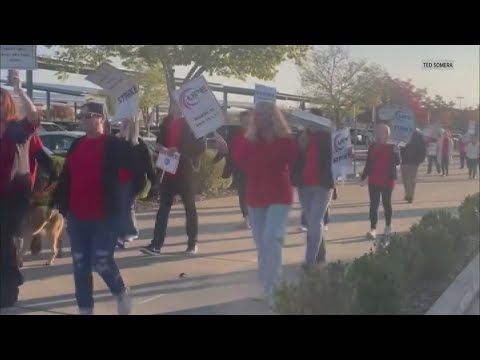
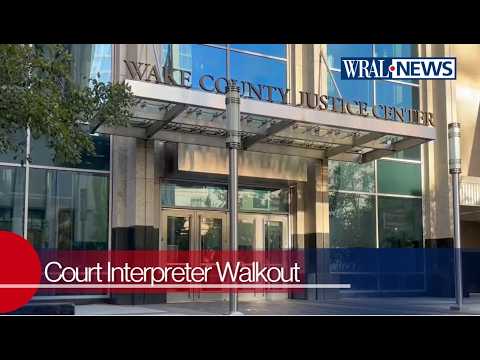
Court interpreters across 15 Northern California counties walked off the job October 16 after eight months of stalled contract talks. Ninety-six percent of union members had voted to authorize the strike.

The fight is over who interprets in court. The California Alliance of Legal Interpreters says courts favor contract interpreters over staff, despite a state law that gives staff hiring priority. Forty-two percent of staff interpreters have quit in nine years, and each departure worsens the shortage.

Why it matters

Each day of the strike slows cases for limited-English speakers and deepens the interpreter shortage that caused the walkout.

Monday: what changed in San Francisco, CA

One short email a week with the openings, closings, permits and council votes we covered. Free. Unsubscribe in one click.

Questions about this story

Free account needed to ask — your question is kept and asked for you right after sign-up. Answers are public.

No questions yet — be the first to ask.

Key Indicators

96%
Member vote to authorize strike
CALI members approved the strike after eight months of bargaining.
42%
Staff interpreters who quit in 9 years
The union attributes resignations to pay and reliance on contractors.
91
Staff interpreters in the bargaining unit
Interpreters in 10 of the 15 Region 2 counties; the rest hire no staff interpreters.
15
Counties in the Region 2 bargaining unit
The trial courts bargain as one unit with staff interpreters.

Voices

Curated perspectives — historical figures and your fellow readers.

Ever wondered what historical figures would say about today's headlines?

Sign up to generate historical perspectives on this story.

People Involved

Organizations Involved

Timeline

3 events Latest: Today
  1. Court interpreters walk out

    Today Labor

    Staff interpreters across 15 Northern California counties begin striking over pay and contractor preference.

  2. Region 2 courts propose mediation

    Statement

    Courts say they will keep providing language services and suggest mediation over wages.

  3. Interpreters vote to authorize strike

    Labor

    CALI members vote 96% to approve a strike after eight months of stalled talks.

Scenarios

1

Mediation yields a new contract, strike ends

Likely Resolves by Jan 31, 2027

Discussed by: Pleasanton Weekly reported the Region 2 courts proposed mediation.

Both sides enter mediation over the wage gap. A deal raises staff interpreter pay and includes commitments to curb contractor preference, and the strike ends within weeks. The courts have reason to settle: a prolonged walkout slows cases for limited-English speakers across 15 counties.

2

Courts hold firm, contractor reliance deepens

Possible Resolves by Q1 2027

Discussed by: CALI's own analysis of court behavior since bargaining began.

Talks stall and courts cover the walkout with contract interpreters and remote interpretation. The wage gap persists, more staff interpreters resign, and the shortage worsens. This is the cycle the union says produced the 42% exodus in the first place.

3

State board rules on contractor preference

Possible Resolves by Q2 2027

Discussed by: The California Public Employment Relations Board, which has already heard interpreter cases involving these parties.

An unfair labor practice charge over the hiring-priority law reaches PERB, and the board rules on whether courts must favor staff interpreters over contractors. A ruling against the courts could reset the staffing model.

Historical Context

3 moments from history that rhyme with this story — and how they unfolded.

2024

2024 S.F. court clerks strike

San Francisco Superior Court clerks held a one-day strike over staffing and training shortages. They said overwork caused paperwork errors and delays across the court system.

Then

The court and SEIU reached a deal that included staffing and training changes.

Now

Two years later, clerks said the reforms failed and in October 2026 again threatened to strike, citing the same demands.

Why this matters now

The interpreters' walkout hits the same court system with the same root complaint: under-resourcing. It shows a pattern of labor pressure on these courts.

October 2023

2023 Kaiser Permanente strike

More than 75,000 Kaiser Permanente health care workers struck for three days, the largest health care work stoppage in U.S. history. Their complaints: chronic understaffing and wages that lagged inflation.

Then

Kaiser and the unions reached a tentative deal with wage increases and staffing commitments.

Now

The strike forced employers in essential services to negotiate directly on headcount as a contract issue.

Why this matters now

Like the health workers, the interpreters argue that years of underinvestment in staffing degraded a public service, and that a strike is the only lever to force investment.

May-September 2023

2023 Writers Guild strike

The Writers Guild of America struck for 148 days over residuals in the streaming era, arguing that a shift in how content is distributed had cut writers' pay.

Then

The guild won minimum staffing for writers' rooms and residual increases tied to streaming viewership.

Now

The deal set a precedent for unions negotiating over how technological change reshapes compensation.

Why this matters now

Remote and contract interpretation is changing how court interpreting is delivered. The interpreters are striking to keep in-person staff roles and pay from being eroded by that shift.

Sources

(5)