

Pull to refresh
Logo
Lawsuit challenges fast-track approval for Marina Safeway housing plan

Lawsuit challenges fast-track approval for Marina Safeway housing plan

Rule Changes San Francisco, CA local

Neighbors say the city misused a state housing law to skip environmental review at a former industrial site.

Today: Lawsuit filed against city and developer

Overview

Updated 1 hour ago

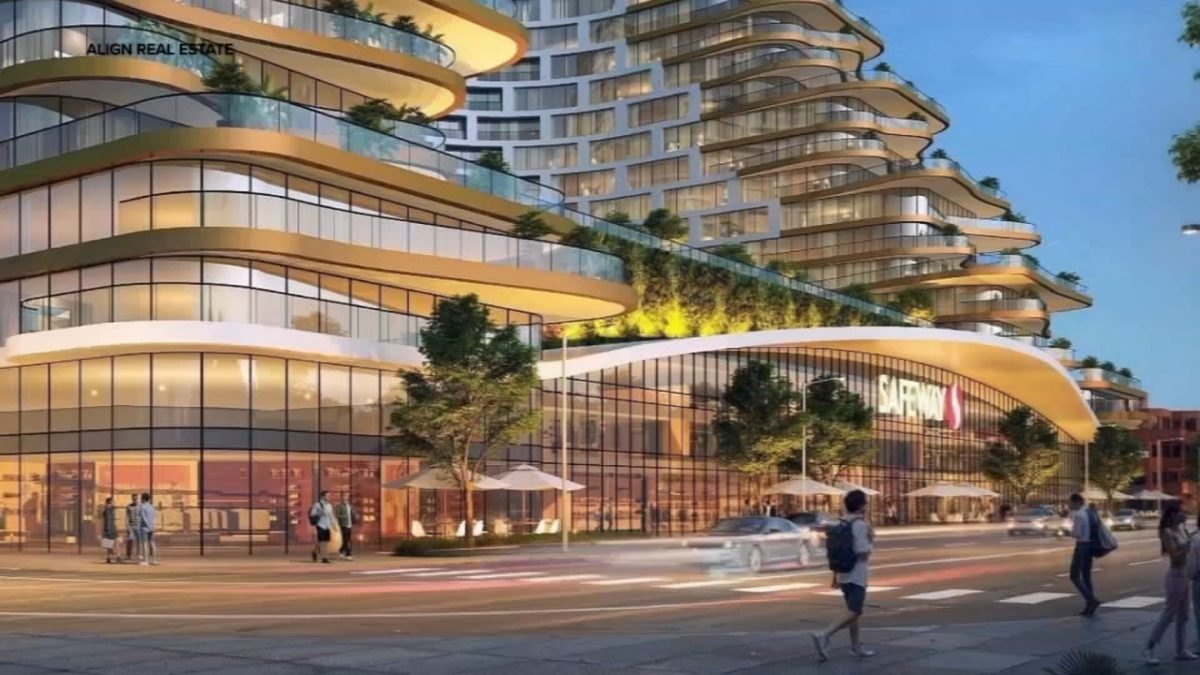
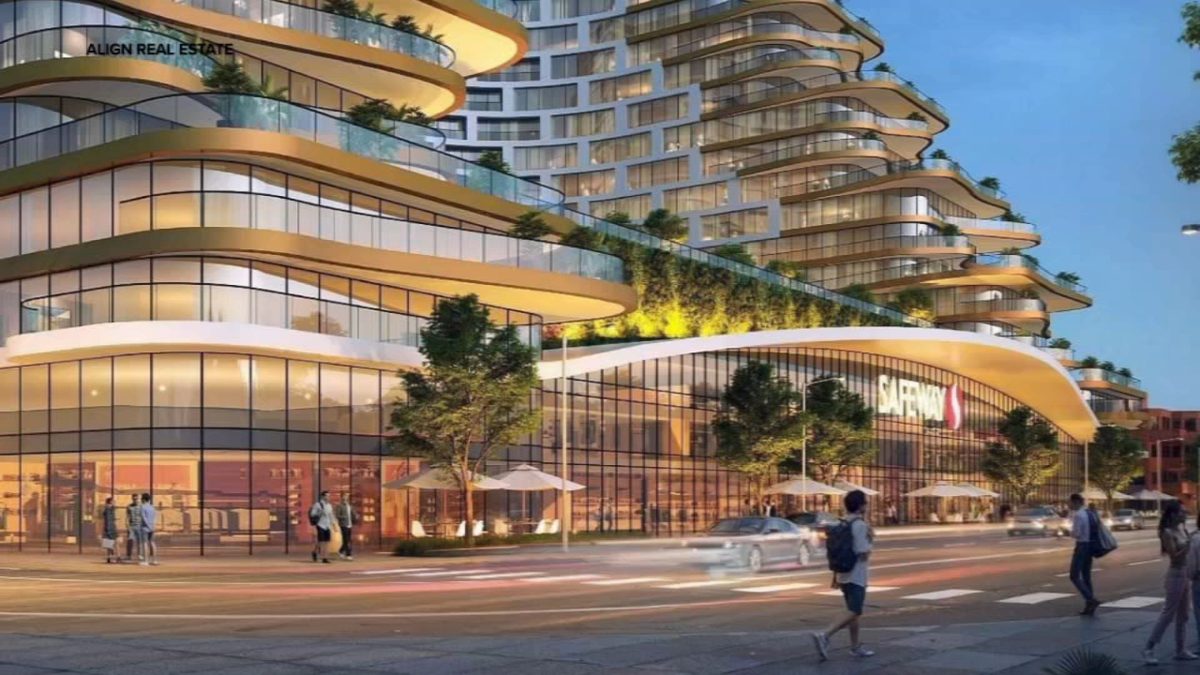
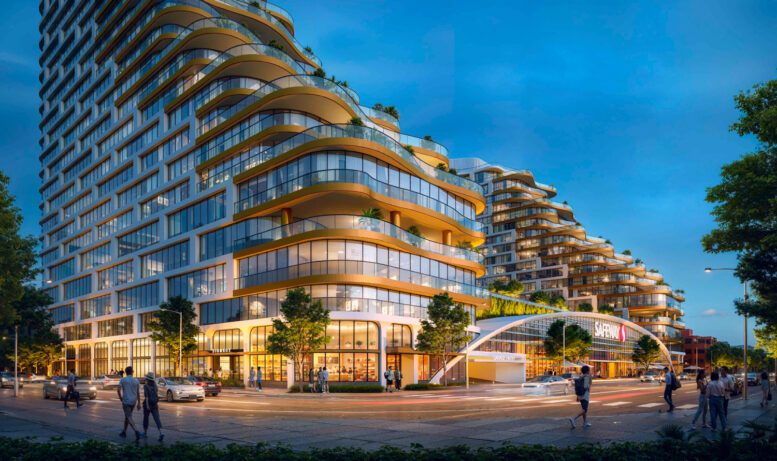
A new San Francisco housing group filed a federal lawsuit this week to stop an 848-apartment project at the Marina District Safeway. The suit claims the city unlawfully used Assembly Bill 2011, a state housing streamlining law, to fast-track the project without environmental review or public hearings.

The case tests whether California's push to build 82,000 homes in San Francisco by 2031 can override neighborhood resistance. The Board of Supervisors is set to vote on the project next month; if the court sides with opponents, the project could face years of delay.

Why it matters

This case decides whether California's streamlined housing law can deliver large projects in a city required to build 82,000 homes by 2031.

Questions about this story

Free account needed to ask — your question is kept and asked for you right after sign-up. Answers are public.

No questions yet — be the first to ask.

Key Indicators

848
Planned apartments
Number of homes in Align Real Estate's proposed development at the Marina Safeway site.
86
Affordable units
Below-market-rate homes in the plan, required for the density bonus.
82,000
City housing mandate by 2031
Number of new units San Francisco must accommodate under state law.

Voices

Curated perspectives — historical figures and your fellow readers.

Ever wondered what historical figures would say about today's headlines?

Sign up to generate historical perspectives on this story.

People Involved

Organizations Involved

Timeline

December 2025 September 2026

6 events Latest: Today
Tap a bar to jump to that date
  1. City decides project qualifies for streamlining

    Administrative decision

    Planning Department announces the project can proceed through AB 2011 ministerial approval, skipping hearings and CEQA review.

  2. Community meeting draws hundreds of opponents

    Public meeting

    A packed community meeting hears strong opposition to the project's scale and environmental risks.

  3. Planning director defends site's eligibility

    Official determination

    Planning Director Sarah Dennis Phillips writes that the site is not on a hazardous waste list and considers surrounding parcels to be urban uses.

  4. Supervisor and residents question AB 2011 eligibility

    Political action

    Supervisor Stephen Sherrill and a coalition of residents ask the city to declare the site ineligible for streamlined approval, citing maritime zoning restrictions.

  5. Developer applies to redevelop Safeway site

    Application

    Align Real Estate files plans to demolish the Marina District Safeway and build two residential towers with 790 units.

Scenarios

1

Court vacates streamlining, project faces full environmental review

Possible Resolves by End of 2027

Discussed by: Plaintiffs and neighborhood groups; legal observers expect a preliminary injunction ruling in coming months.

If the judge finds the city misapplied AB 2011 or ignored the site's contamination history, he could order a complete environmental review under CEQA. This would likely delay the project by years and may force Align to redesign or abandon it.

2

Court upholds streamlined approval, project proceeds to construction

Likely Resolves by End of 2027

Discussed by: Pro-housing advocates and the city attorney's office, which argues the law was applied correctly.

If the court concludes the site qualifies for AB 2011 and that the city's environmental review was sufficient, the lawsuit collapses. The Board of Supervisors would approve the project in October, and construction could start within a year.

3

Parties settle, project modified with added mitigation

Unlikely Resolves by Q2 2027

Discussed by: Local mediators and some community leaders who see room for compromise.

Under pressure from a pending vote and litigation costs, the developer might agree to lower the towers, add open space, or fund environmental remediation in exchange for withdrawal of the lawsuit. A settlement would let some housing proceed without a protracted court fight.

Historical Context

2 moments from history that rhyme with this story — and how they unfolded.

2019-2021

Simi Valley senior housing case (2019-2021)

YIMBY Law sued Simi Valley after the city council rejected a 108-unit residential care facility for seniors, claiming the units didn't qualify as housing because they lacked kitchens. The court ruled in 2021 that assisted living units are housing under the Housing Accountability Act.

Then

The city was forced to approve the project and pay legal costs.

Now

Established that state housing law can override local rejection of projects containing care facilities.

Why this matters now

Shows how pro-housing groups use lawsuits to enforce state housing laws against resistant cities. Here the roles are reversed: the lawsuit seeks to block a project, testing the limits of streamlining laws.

2023-

Sausalito housing element lawsuit (2023)

YIMBY Law and Californians for Homeownership sued Sausalito, California, for adopting a housing element they argued was noncompliant with state law, including unrealistic site inventories and missing environmental reviews.

Then

The city faced court pressure to revise its housing plan and land-use policies.

Now

Reinforced that cities must comply with state housing element law or face litigation.

Why this matters now

Illustrates the broader legal battle over how much control cities have in shaping housing. The Marina Safeway case is the inverse: a neighborhood group using courts to challenge a city's pro-housing decision.

Sources

(4)