
Pull to refresh
Logo
Finnish sand batteries store renewable energy as heat for district heating

Finnish sand batteries store renewable energy as heat for district heating

New Capabilities

Polar Night Energy's second commercial sand battery targets spring 2027 operation in Vääksy

Yesterday: Vääksy battery on track for spring 2027

Overview

Updated 1 hour ago

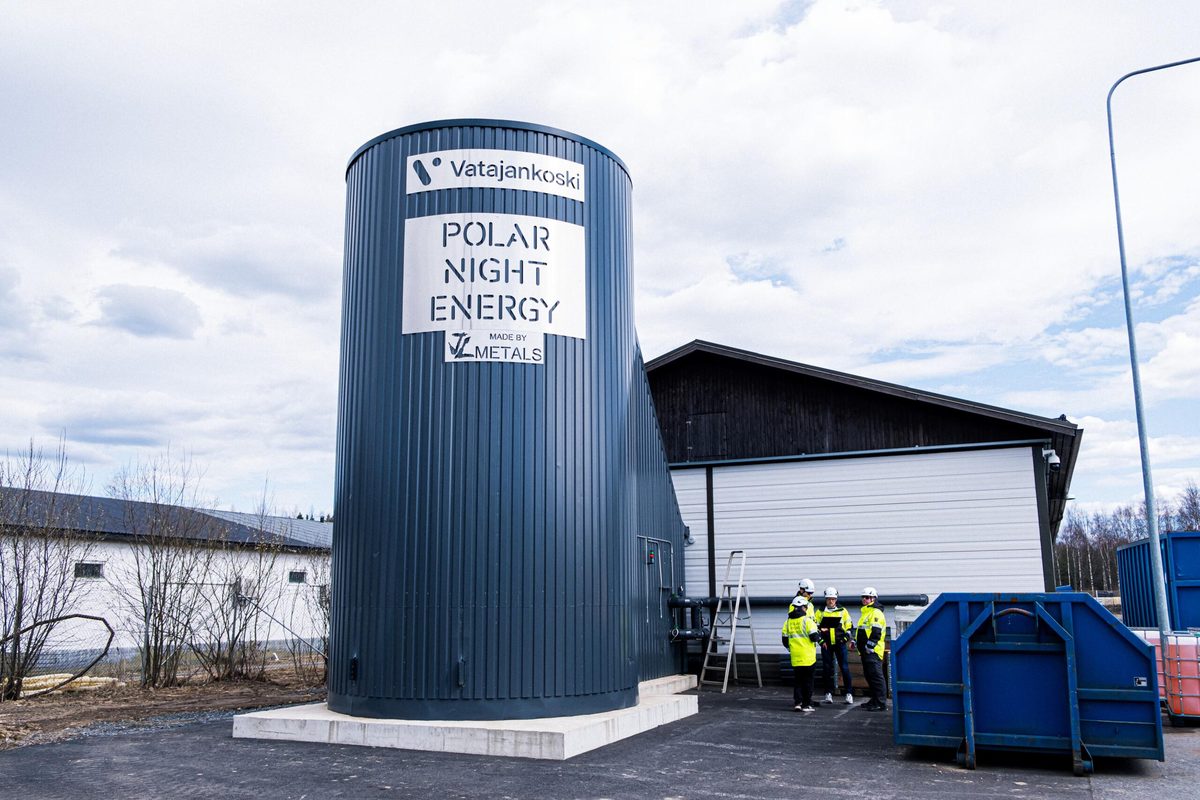
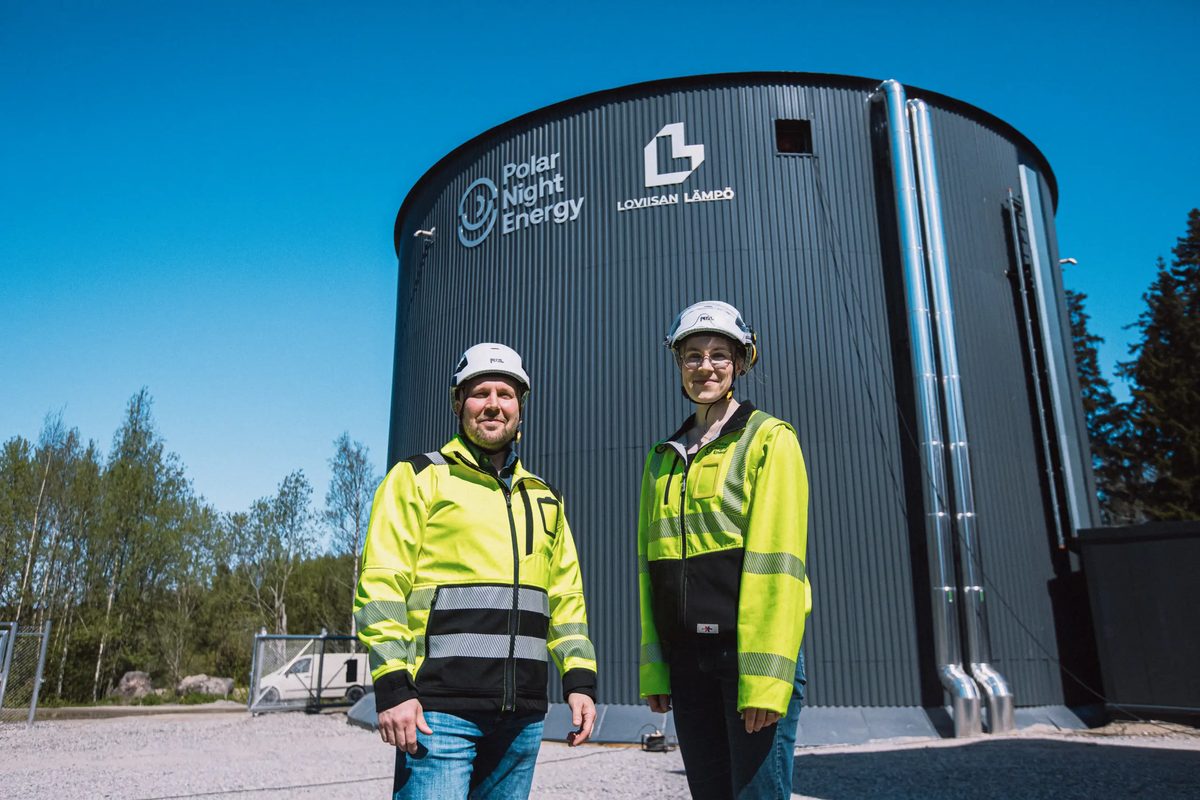
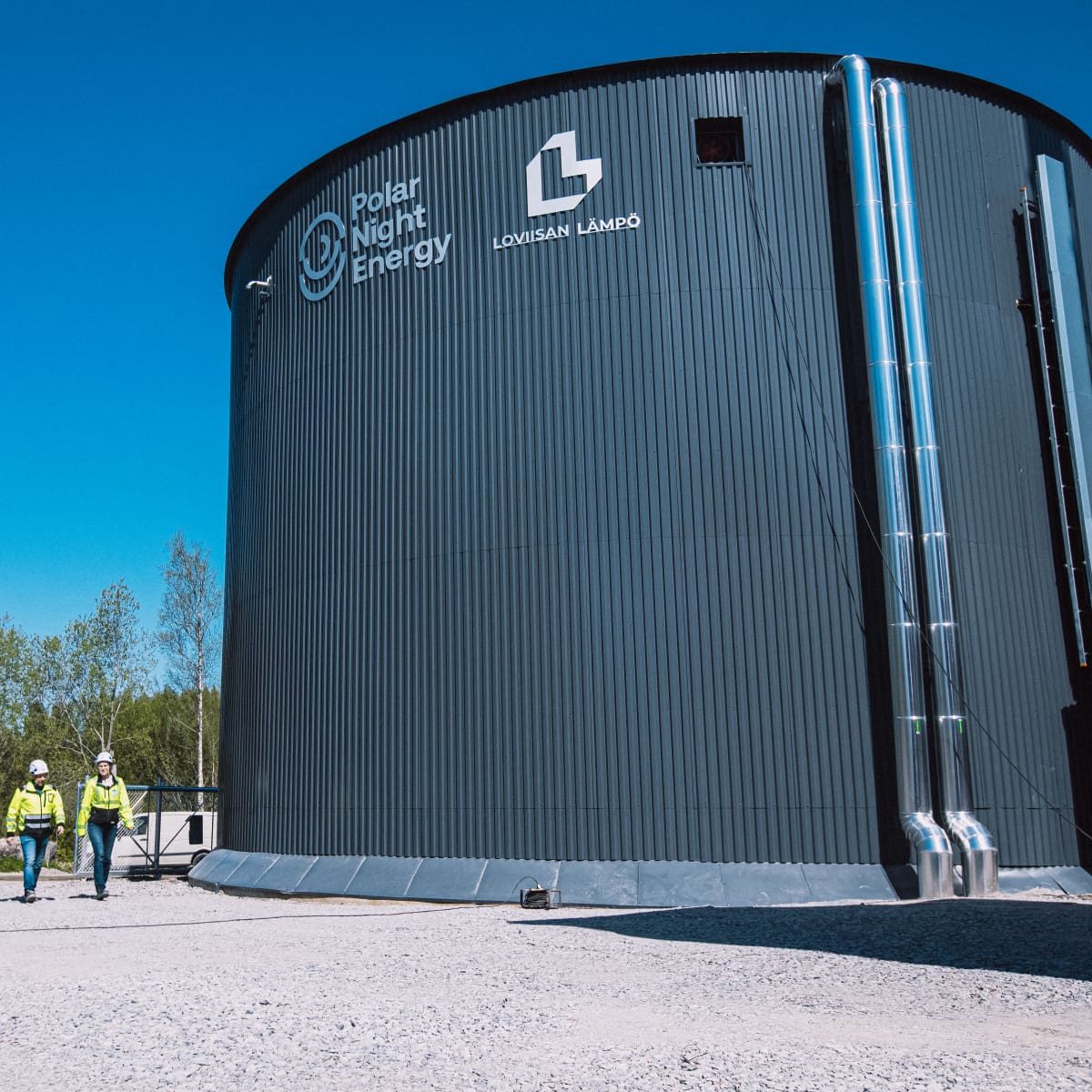
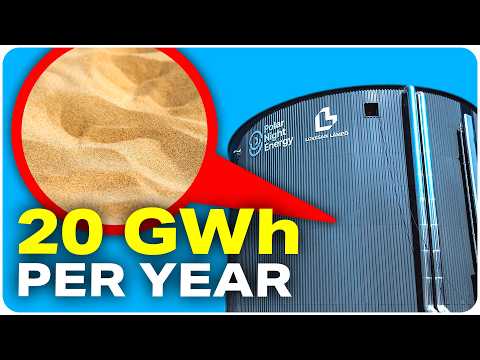
A Finnish startup stores surplus wind and solar power as heat in giant sand silos, then releases it to warm homes through district heating networks. Polar Night Energy's second commercial sand battery, under construction in Vääksy, will hold 250 megawatt-hours of thermal energy when it starts operating in spring 2027.

The technology tackles a core problem of renewable power: wind and solar generate electricity when conditions allow, not when people need heat. Sand batteries let utilities buy cheap surplus electricity, store it for days or weeks, and discharge it during cold winter peaks, cutting fossil fuel use in the process.

Why it matters

Sand batteries let district heating networks cut fossil fuel use by storing cheap renewable electricity as heat for days or weeks.

Questions about this story

Free account needed to ask — your question is kept and asked for you right after sign-up. Answers are public.

No questions yet — be the first to ask.

Key Indicators

250 MWh
Vääksy storage capacity
Thermal storage capacity of the Vääksy sand battery, the world's largest when complete.
2,400 tons
Sand in Vääksy battery
Locally sourced natural sand heated above 500°C to store energy.
70%
Emissions cut at Pornainen
Estimated reduction in greenhouse gas emissions from the Pornainen heating network.
2 MW
Vääksy thermal power output
Heating power the Vääksy battery will deliver to the district heating network.

Voices

Curated perspectives — historical figures and your fellow readers.

Ever wondered what historical figures would say about today's headlines?

Sign up to generate historical perspectives on this story.

People Involved

Organizations Involved

Timeline

2025 October 2026

4 events Latest: Yesterday
Tap a bar to jump to that date
  1. Vääksy battery on track for spring 2027

    Latest Report

    ENR reports the 2 MW / 250 MWh Vääksy sand battery on schedule; Baltic distribution deal signed.

  2. Vääksy foundation complete

    Construction

    Foundation work finishes at the Vääksy site; silo and technical building construction follow.

  3. Valkeakoski pilot construction begins

    Construction

    Polar Night Energy starts building a pilot to test converting stored heat back into electricity.

  4. Pornainen sand battery begins operation

    Launch

    Loviisan Lämpö commissions the world's largest sand battery for Pornainen's district heating network.

Scenarios

1

Sand batteries expand across northern Europe

Likely Resolves by End of 2027

Discussed by: Corporate Knights, Engineering News-Record

Polar Night Energy's Baltic distribution deal with Solsiden Wangard Family Office and SIA Soldag opens the Latvian market. The company plans a 10 MW battery next and targets Germany and Switzerland. If utilities in these markets adopt the technology, sand batteries move from a Finnish niche to a broader European option.

2

Sand battery converts heat back to electricity

Possible Resolves by Q2 2028

Discussed by: Live Science, Polar Night Energy

The Valkeakoski pilot, running from late 2025 for about two and a half years, tests materials and designs for converting stored heat back into electricity. If it succeeds, sand batteries could output both heat and power at roughly 90% efficiency, opening industrial markets that need both.

3

High investment costs slow sand battery adoption

Possible Resolves by End of 2027

Discussed by: Liisa Naskali, Polar Night Energy COO

Naskali says the main barrier is cost: wood-chip boilers are cheap, and few utilities have invested. If the Vääksy and Baltic projects don't prove payback, adoption may stay limited to a handful of Finnish towns.

Historical Context

2 moments from history that rhyme with this story — and how they unfolded.

October 2013

Solana Generating Station (2013)

Arizona's Solana plant became one of the first large concentrated solar facilities with molten salt thermal storage, holding heat for up to 6 hours to generate electricity after sunset. The 280 MW plant stores enough heat to power about 70,000 homes.

Then

Solana proved thermal storage could extend solar generation beyond daylight hours.

Now

Molten salt storage became standard in new concentrated solar plants, though it remains costlier than batteries for short-duration storage.

Why this matters now

Like sand batteries, Solana stores heat rather than electricity, showing thermal storage can work at grid scale when the economics align.

December 2017

Hornsdale Power Reserve (2017)

Tesla built a 100 MW lithium-ion battery in South Australia in 100 days, paired with a wind farm. It was the largest grid battery at the time and quickly proved its value by responding to grid frequency events within milliseconds.

Then

The battery stabilized South Australia's grid and cut frequency control costs.

Now

Hornsdale helped drive down battery costs and sparked a global wave of grid-scale lithium-ion storage.

Why this matters now

Hornsdale showed how a single well-placed storage project can prove economics and trigger wider adoption, a path sand batteries are now trying to follow for heat.

Sources

(10)