
Pull to refresh
Logo
Nine new deep-sea sponge species found off Alaska

Nine new deep-sea sponge species found off Alaska

New Capabilities

NOAA identification brings Alaska's known sponge count to 232, spotlighting an unexplored seafloor that faces mining and trawling pressure

Today: Guardian reports find, flags mining and trawling threats

Overview

Updated 1 hour ago

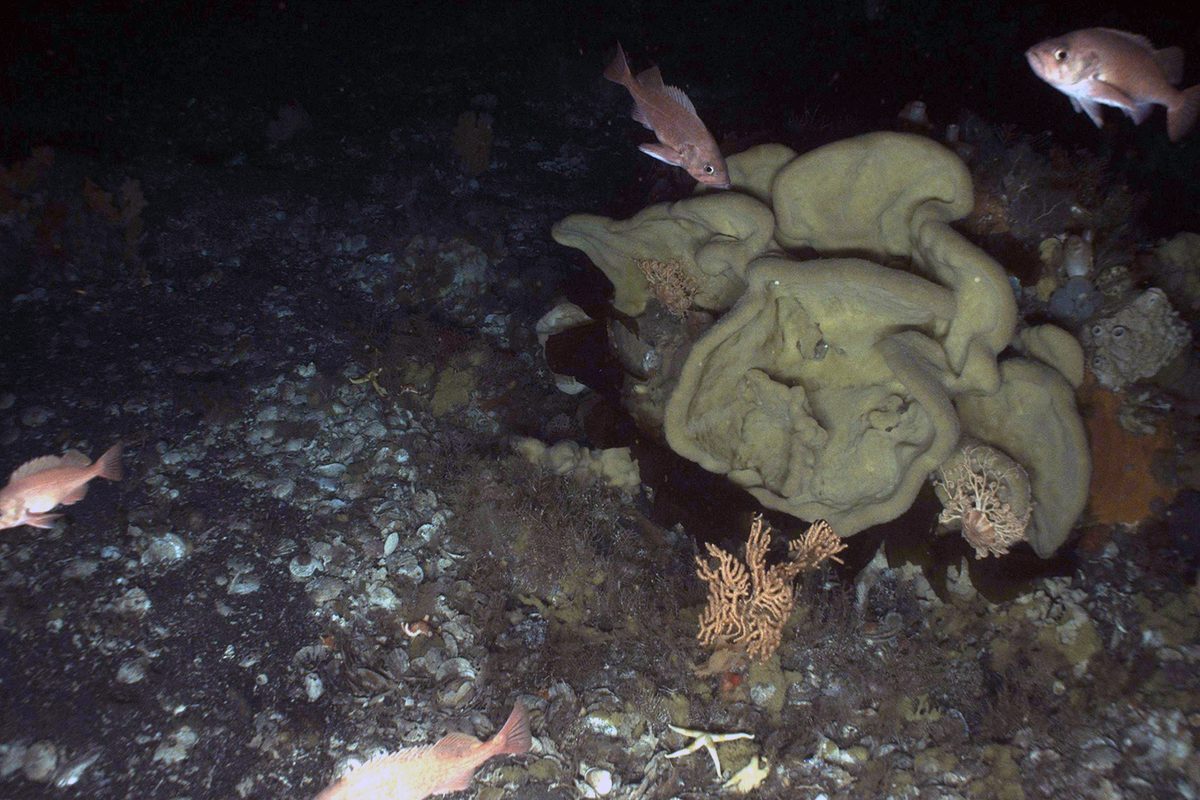
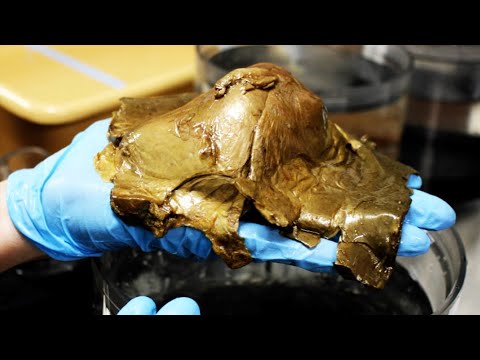
Scientists have identified nine new species of deep-sea sponge from bottom trawl samples collected off Alaska. The National Oceanic and Atmospheric Administration (NOAA) announced the finds, raising the state's known sponge count to 232.

The species, described across two papers in the journal Zootaxa, came from the Gulf of Alaska and the Aleutian Islands. They point to a seafloor region far richer in life than scientists knew, and one that now sits in the path of proposed deep-sea mining for critical minerals and continued bottom trawling.

Why it matters

Alaska's deep seafloor holds far more sponge life than known, and the region sits in the path of proposed mining and fishing pressure.

Questions about this story

Free account needed to ask — your question is kept and asked for you right after sign-up. Answers are public.

No questions yet — be the first to ask.

Key Indicators

9
New sponge species identified
Raised Alaska's known sponge total from 223 to 232.
232
Known sponge species in Alaska
Specimens came from NOAA trawl surveys running from 1997 to 2022.
164
Coral and sponge morphotypes documented
From 2023 Seascape Alaska expeditions across 15 previously unvisited sites.
~80%
Alaska seafloor deeper than 200 meters
Yet most sponge and coral records come from depths under 300 meters.

Voices

Curated perspectives — historical figures and your fellow readers.

Ever wondered what historical figures would say about today's headlines?

Sign up to generate historical perspectives on this story.

People Involved

Organizations Involved

Timeline

June 1997 September 2026

7 events Latest: Today
Tap a bar to jump to that date
  1. Guardian reports find, flags mining and trawling threats

    Today Media

    Coverage notes the new species and opposition to deep-sea mining and bottom trawling in the region.

  2. NOAA announces nine new sponge species

    Announcement

    Agency reveals the finds, bringing Alaska's known sponge species to 232 and citing the Aleutians as a biodiversity hotspot.

  3. Second paper adds five more species

    Publication

    Zootaxa study describes five additional species from Aleutian and Gulf of Alaska trawl samples.

  4. First paper describes four new species

    Publication

    Zootaxa publication details four new species including Polycapus rubrum, which required a new genus.

  5. Seascape Alaska expeditions probe 15 new sites

    Research

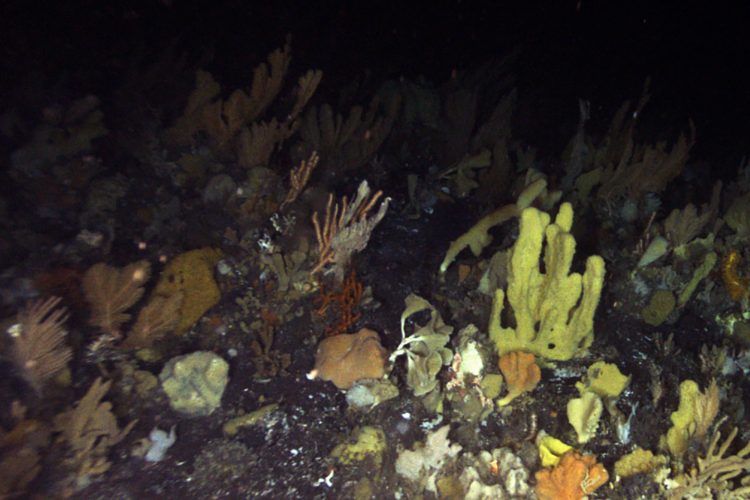
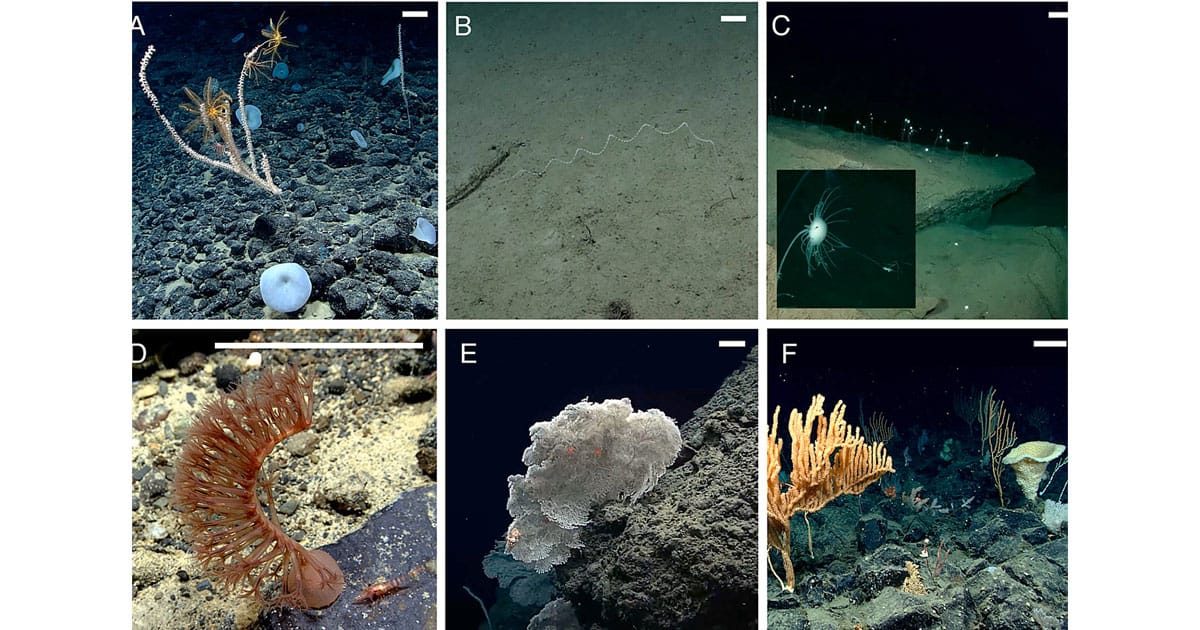
    ROV dives at 380 to 3,200 meters document 164 coral and sponge morphotypes, including five sponge genera new to Alaska.

  6. More specimens collected in Aleutian Islands

    Research

    Stock assessment trawl surveys collect additional sponge specimens during 2021 and 2022 in the Gulf of Alaska and Aleutians.

  7. Trawl surveys start collecting sponge specimens

    Research

    NOAA Alaska Fisheries Science Center bottom trawl surveys gather the first sponge samples later identified as new species.

Scenarios

1

Deep-sea mining exploration moves forward off Alaska

Possible Resolves by End of 2027

Discussed by: The Guardian and Center for Biological Diversity, citing Trump administration proposals

If the administration advances critical-mineral mining in the Gulf of Alaska or Aleutians, the Bureau of Ocean Energy Management would start environmental reviews, lease sales, or exploration permits. That process would test whether the newly documented sponge habitats block or slow development.

2

Aleutian sponge habitats win new fishing or area protections

Possible Resolves by End of 2027

Discussed by: NOAA Ocean Exploration researchers and environmental groups

The identification of high-density sponge aggregations at eight sites during Seascape Alaska expeditions could push regulators to designate new habitat protection areas, following what happened for glass sponge reefs off British Columbia. The North Pacific Fishery Management Council would weigh closures against fishing interests.

3

Further expeditions reveal still more new sponge species

Likely Resolves by Sep 14, 2028

Discussed by: NOAA Ocean Exploration and taxonomy researchers

Given roughly 80% of Alaska's seafloor lies below 200 meters and most sampling has been shallower, additional surveys and trawl bycatch analysis are expected to yield more new species. Each new Zootaxa paper raising Alaska's known total would confirm this scenario.

Historical Context

3 moments from history that rhyme with this story — and how they unfolded.

1977

Deep-sea hydrothermal vents discovered (1977, Galápagos Rift)

A crew aboard the submersible Alvin found the first hydrothermal vent ecosystems near the Galápagos Islands, teeming with life that survives without sunlight. The find rewrote assumptions about where and how life exists in the deep ocean.

Then

A new branch of deep-sea biology opened, with dozens of previously unknown species documented in following years.

Now

Proved the deep seafloor harbors far more biodiversity than known, and that discovery often outpaces protection.

Why this matters now

The Alaska sponge finds follow the same pattern: major biodiversity documented in a region barely sampled, with conservation lagging behind science.

1987-2019

Hecate Strait glass sponge reefs (1987, British Columbia)

Fishermen and scientists discovered ancient glass sponge reefs near Haida Gwaii and the B.C. mainland in 1987. The reefs, some 9,000 years old and hundreds of meters long, were severely damaged by bottom trawling before protections arrived.

Then

Fisheries and Oceans Canada closed two reef areas to bottom-contact fishing in 2017/2019 after decades of advocacy.

Now

The closures became a model for protecting sponge habitats from trawling, a template now cited for Alaska.

Why this matters now

Shows the path long-lived sponge ecosystems take: discovery, trawling damage, then delayed protection. Alaska's new finds are at the discovery stage.

2014-2019

Solwara 1, Papua New Guinea (2014-2019)

Nautilus Minerals aimed to mine copper and gold from hydrothermal vents off Papua New Guinea, the first commercial deep-sea mining attempt. It drew heavy opposition over unknown ecological damage, and the company went bankrupt in 2019 before mining began.

Then

The project collapsed, setting back commercial seabed mining globally.

Now

Left an unresolved precedent: mining interests versus deep-sea ecosystems whose biodiversity is still being catalogued.

Why this matters now

The proposed mining for critical minerals off Alaska echoes Solwara 1's collision between resource extraction and fragile, newly documented seafloor life.

Sources

(6)