

Logo
Daily Brief
Following
Why
Syria's ISIS Prison Dilemma

Syria's ISIS Prison Dilemma

How 9,000 Detained Fighters Became a Bargaining Chip in Syria's Reunification

Overview

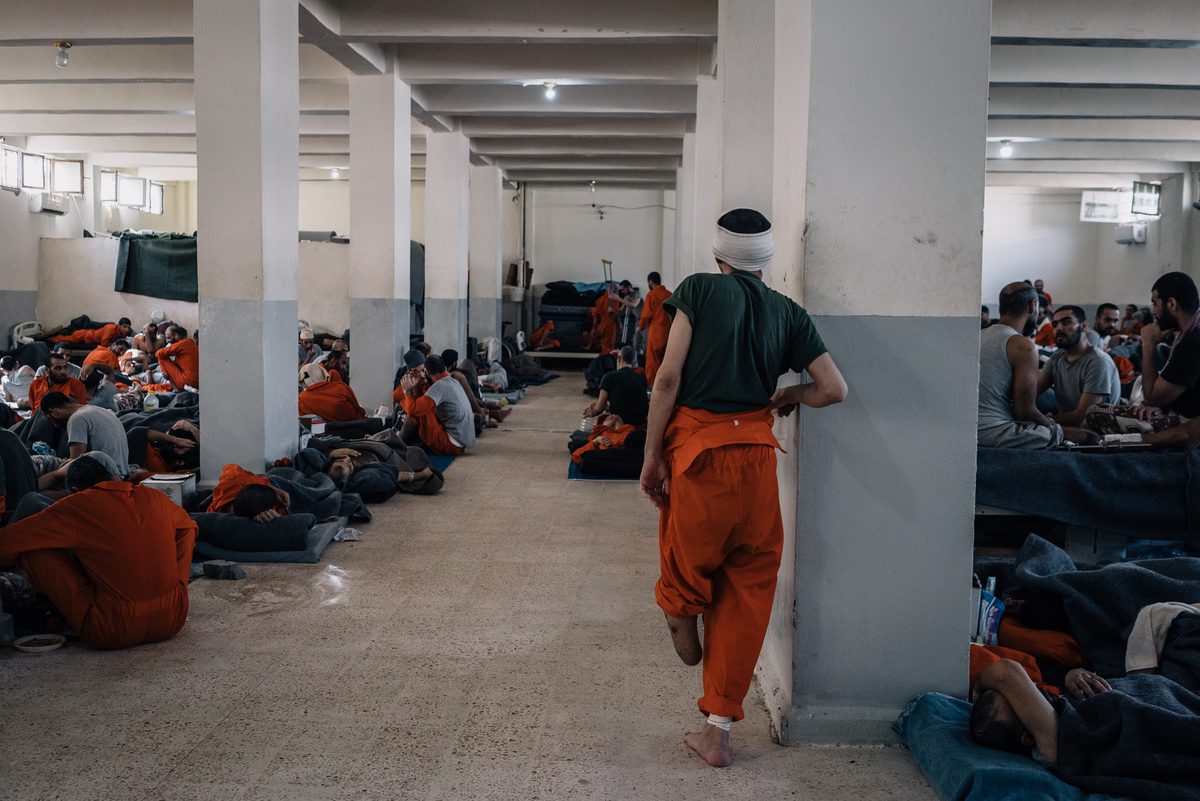
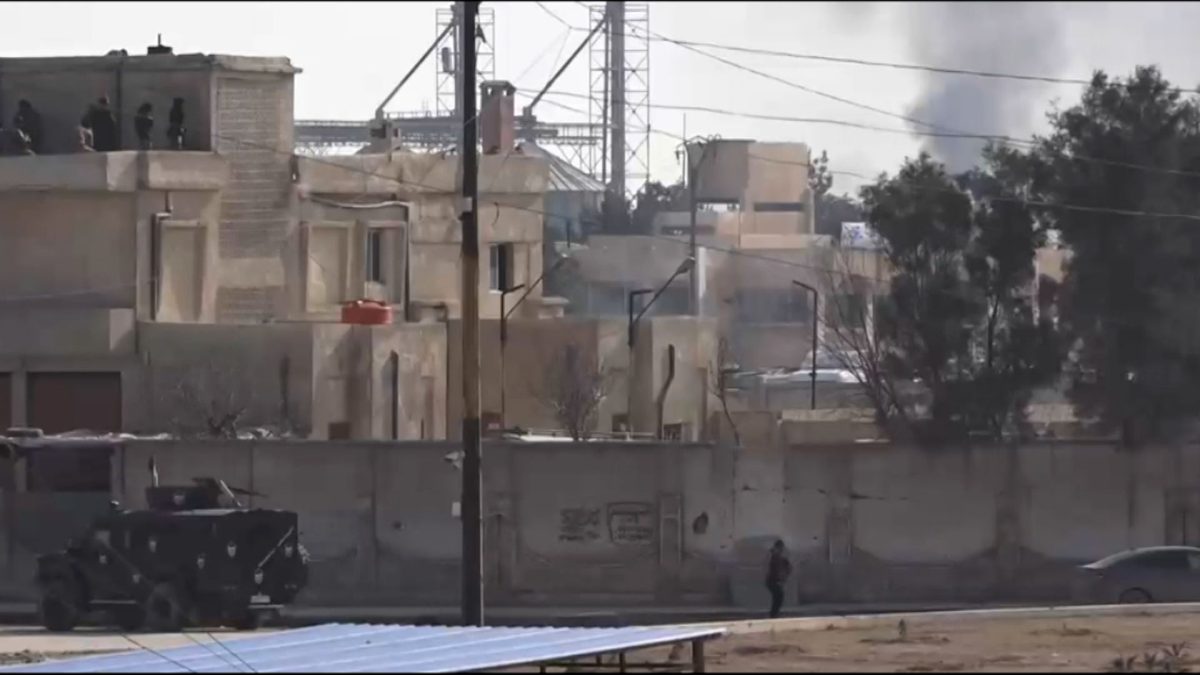
The SDF has guarded roughly 9,000 ISIS fighters and 38,000 of their family members since the caliphate collapsed in 2019. That custodial arrangement just cracked. When Syrian government forces and Kurdish fighters traded control of Al-Shaddadi prison on January 20, 2026, the handover gap let local residents break out between 120 and 200 detainees—most recaptured by day's end, but the incident exposed what happens when the world's largest ISIS detention system changes hands.

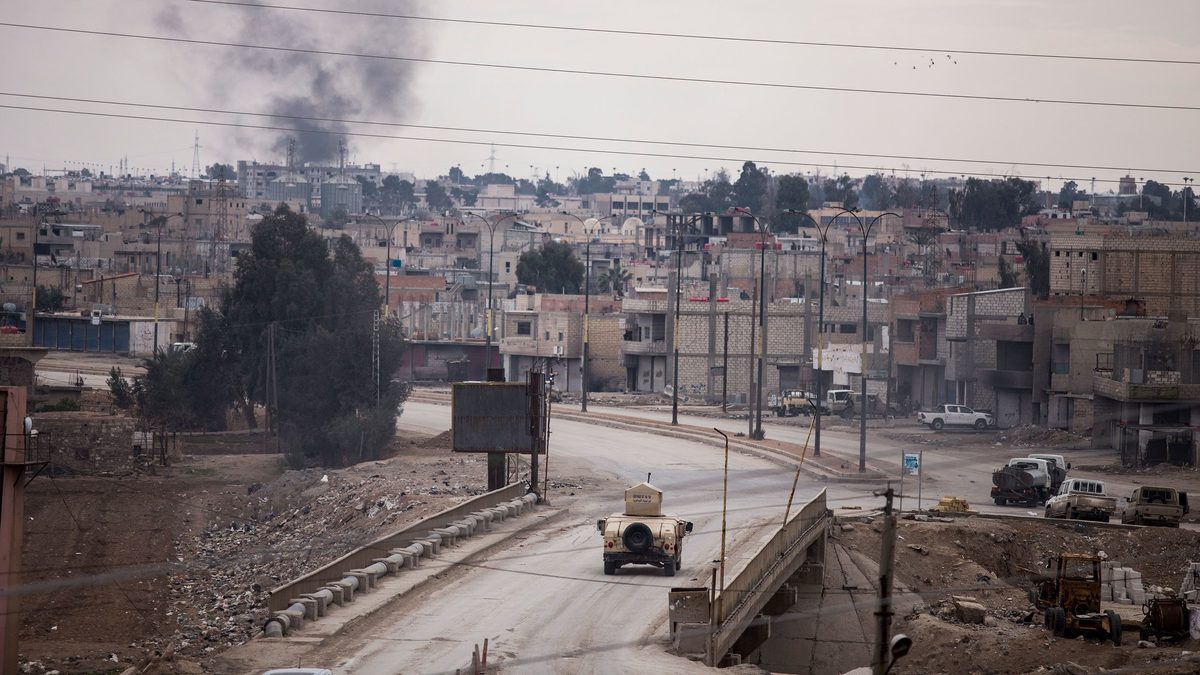
The escape came two days after a U.S.-brokered ceasefire that requires the SDF to surrender its prisons, oil fields, and border crossings to Damascus. Syria's new government now inherits responsibility for thousands of foreign fighters whom their home countries have refused to repatriate for six years. The alternative—letting detention security collapse during a messy integration—would hand ISIS the recruitment bonanza it has been planning prison breaks to achieve since 2012.

Key Indicators

~9,000
ISIS fighters in SDF custody
The largest concentration of ISIS fighters globally, held across 20+ facilities in northeast Syria.
~38,000
Family members detained
Women and children held in Al-Hol and Roj camps, two-thirds of them children.
130
Escapees recaptured
Of approximately 200 who escaped Al-Shaddadi, most were back in custody within hours.
700+
ISIS attacks in Syria (2024)
A threefold increase over 2023, before dropping 80% after Assad's fall in December 2024.

People Involved

Ahmed al-Sharaa
Ahmed al-Sharaa
President of Syria (Leading integration negotiations with SDF)
Mazloum Abdi
Mazloum Abdi
Commander-in-Chief, Syrian Democratic Forces (Negotiating SDF integration into Syrian state)
Tom Barrack
Tom Barrack
U.S. Ambassador to Turkey and Special Envoy for Syria (Mediating SDF-Syrian government negotiations)

Organizations Involved

Syrian Democratic Forces (SDF)
Armed Forces
Status: Negotiating integration into Syrian state

Kurdish-led coalition that partnered with the U.S. to defeat ISIS and has administered northeast Syria since 2019.

Syrian Transitional Government
National Government
Status: Assuming control of northeast Syria

Post-Assad government led by former HTS commanders, now integrating formerly autonomous regions.

Timeline

  1. ISIS Detainees Escape During Prison Handover

    Security

    Local residents break 120-200 ISIS detainees out of Al-Shaddadi prison during SDF withdrawal. Syria reports 130 recaptured by evening.

  2. Iraq Arrests ISIS Leader Who Crossed Border

    Security

    Iraq's PMF arrests 'dangerous ISIS field leader' in Mosul desert who infiltrated from Syria during the chaos.

  3. Damascus Talks Collapse

    Diplomatic

    Five-hour meeting between al-Sharaa and Abdi ends without agreement. Al-Sharaa offers Abdi deputy defense minister post; Abdi asks for five days.

  4. Government Captures Raqqa and Deir ez-Zor

    Military

    In 24 hours, SDF abandons entire Euphrates Valley. Tribal forces and army take Raqqa, Syria's largest oil fields return to state control.

  5. Ceasefire Agreement Announced

    Diplomatic

    Al-Sharaa announces 14-point deal brokered by U.S. envoy Barrack. SDF to dissolve and integrate; prisons and oil fields transfer to Damascus.

  6. Syrian Government Launches Northeastern Offensive

    Military

    Damascus declares SDF areas 'closed military zones' and advances on Deir Hafer and Maskanah east of Aleppo.

  7. Iraq Repatriates 25,000 from Detention Camps

    Diplomatic

    Iraq completes repatriation of 80% of its nationals from Al-Hol and Roj camps—the largest single repatriation effort.

  8. SDF-Damascus Integration Agreement

    Diplomatic

    Mazloum Abdi signs deal to integrate SDF into Syrian state, hand over airports, borders, and oil fields. Implementation stalls.

  9. Assad Regime Collapses

    Political

    HTS-led offensive captures Damascus in two weeks. Bashar al-Assad flees to Russia after 53 years of family rule.

  10. ISIS Storms Ghwayran Prison

    Attack

    ISIS launches largest operation since caliphate's fall, attacking Hasakah prison with car bombs and 200 fighters. Ten-day battle kills 500+.

  11. Turkish Invasion Strains Prison Security

    Military

    Turkey invades SDF territory. Guards redeploy to front lines; ISIS detainees escape from Ain Issa camp during shelling.

  12. ISIS Territorial Caliphate Defeated

    Military

    SDF captures Baghouz, the last ISIS-held village. Thousands of fighters surrender and enter SDF detention.

Scenarios

1

Damascus Secures Prisons, Deters Escapes

Discussed by: U.S. CENTCOM, Middle East Institute analysts

Syria's transitional government successfully assumes control of major ISIS detention facilities with U.S. advisory support. Professional handovers, unlike the Al-Shaddadi incident, prevent mass escapes. Damascus gains legitimacy as a counter-terrorism partner, accelerating international recognition and potential sanctions relief. ISIS loses its 'army in detention' recruitment pool.

2

Chaotic Handovers Trigger Mass Prison Breaks

Discussed by: Soufan Center, ICCT terrorism researchers

Rushed territorial transfers create security vacuums at multiple facilities. ISIS exploits the chaos as it did in 2022 at Ghwayran, launching coordinated assaults to free fighters. Escaped militants—including foreign fighters—reconstitute insurgent networks in the Badiya desert or cross into Iraq. The 2013 Abu Ghraib scenario, which seeded ISIS's territorial rise, partially repeats.

3

Integration Fails, Northeast Fragments

Discussed by: Chatham House, Al-Monitor regional correspondents

SDF-Damascus negotiations collapse entirely. Kurdish forces refuse to dissolve; Damascus resumes offensive. Sustained conflict draws SDF guards away from detention facilities, degrading security. Turkey-backed forces advance from the north. The detention system—designed for temporary custody—enters its seventh year without resolution, becoming a permanent radicalization incubator.

4

International Repatriation Accelerates

Discussed by: Human Rights Watch, ICCT, European Parliament members

Syria's political transition and deteriorating camp conditions force Western governments to accelerate repatriation of their nationals. Following Iraq's 25,000-person repatriation, European and Central Asian states retrieve citizens from Al-Hol and Roj. Camp populations decline; security burden shifts to home-country prosecution and rehabilitation systems.

Historical Context

Abu Ghraib and Taji Prison Breaks (2013)

July 2013

What Happened

ISIS's predecessor group, the Islamic State of Iraq, executed simultaneous assaults on Abu Ghraib and Taji prisons using 12 car bombs and coordinated ground attacks. At least 500 prisoners escaped, including senior al-Qaeda operatives with death sentences. The operation was the culmination of ISIS leader Abu Bakr al-Baghdadi's year-long 'Breaking the Walls' campaign targeting Iraqi detention facilities.

Outcome

Short Term

Hundreds of experienced operatives rejoined ISIS ranks. The organization announced the breakout as a major victory.

Long Term

The freed fighters formed the core of ISIS's 2014 offensive that captured Mosul and declared the caliphate. Counter-terrorism analysts cite the prison breaks as a critical inflection point in ISIS's transformation from insurgency to territorial state.

Why It's Relevant Today

Syria now holds more ISIS fighters than Iraq did in 2013. If handover chaos enables mass escapes, the detained 'ISIS army' could reconstitute—this time with fighters who have spent six years in radicalization-prone conditions.

Ghwayran Prison Assault (2022)

January 2022

What Happened

ISIS launched its largest operation since losing its caliphate: a coordinated assault on Hasakah's Ghwayran prison using car bombs, 200 fighters, and inside collaborators. The prison held 3,500 suspected ISIS members. Fighting raged for 10 days, displacing 45,000 residents, before U.S. airstrikes helped the SDF retake the facility.

Outcome

Short Term

At least 500 killed, including 121 SDF fighters and 374 ISIS militants. Some escapees were never recaptured.

Long Term

The attack demonstrated ISIS's continued capability to execute complex operations and its strategic priority of freeing detained fighters. SDF reinforced prison security but remained stretched thin.

Why It's Relevant Today

The 2022 assault showed what ISIS attempts when it sees opportunity. The January 2026 escape occurred during exactly the kind of security transition ISIS has historically exploited—though on a smaller scale and with faster recapture.

2019 Turkish Invasion Prison Escapes

October 2019

What Happened

When Turkey invaded SDF territory in northern Syria, the SDF redeployed guards from detention facilities to the front lines. At Ain Issa camp, guard strength dropped from 700 to 60-70. Turkish shelling near the camp enabled ISIS detainees to escape; the U.S. estimated at least 100 remained unaccounted for afterward.

Outcome

Short Term

Unknown number of ISIS affiliates escaped into the chaos. SDF forces were pulled between territorial defense and detention security.

Long Term

The incident demonstrated how external military pressure on the SDF directly compromises ISIS detention. It established the pattern now recurring during the Damascus-SDF confrontation.

Why It's Relevant Today

The January 2026 escape follows the same dynamic: military operations against the SDF create detention security gaps. The ceasefire was supposed to prevent this; the handover gap showed the agreement's implementation vulnerabilities.

15 Sources: