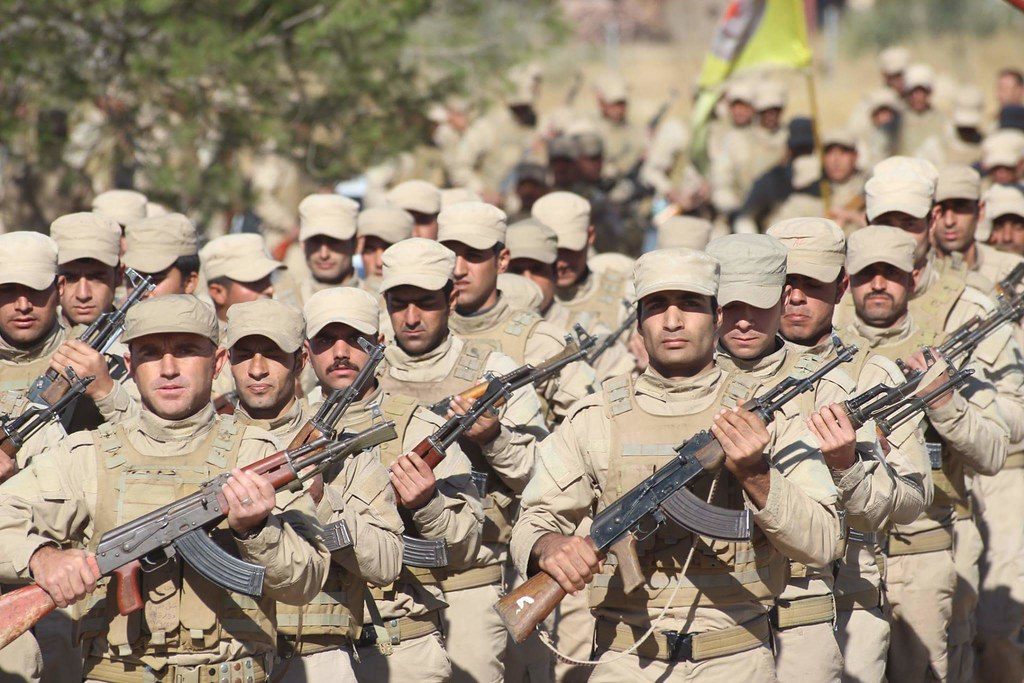
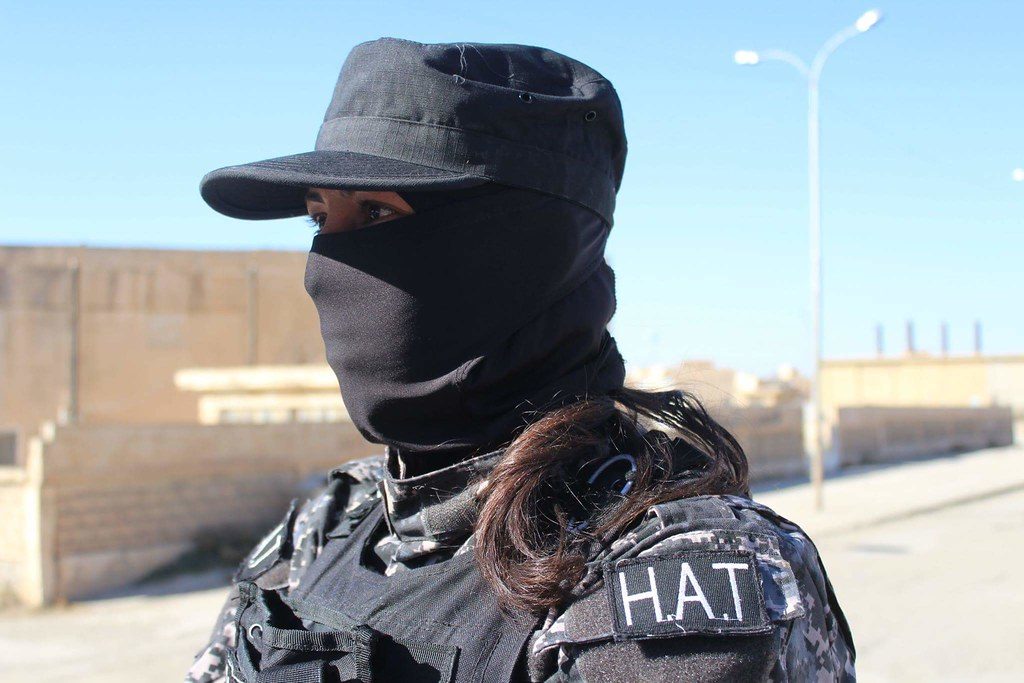
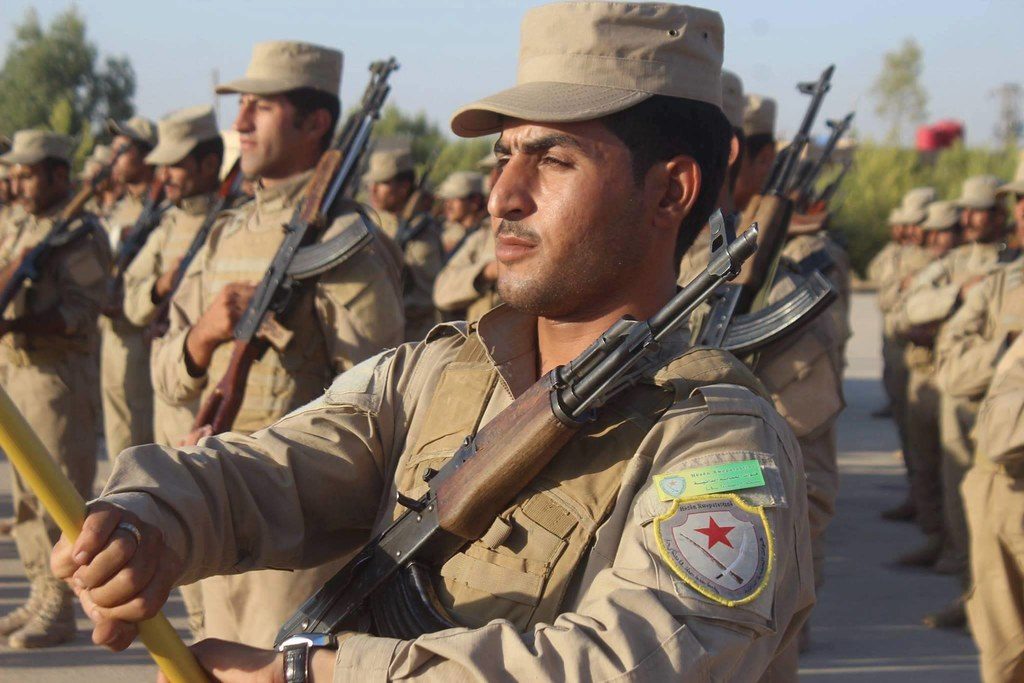
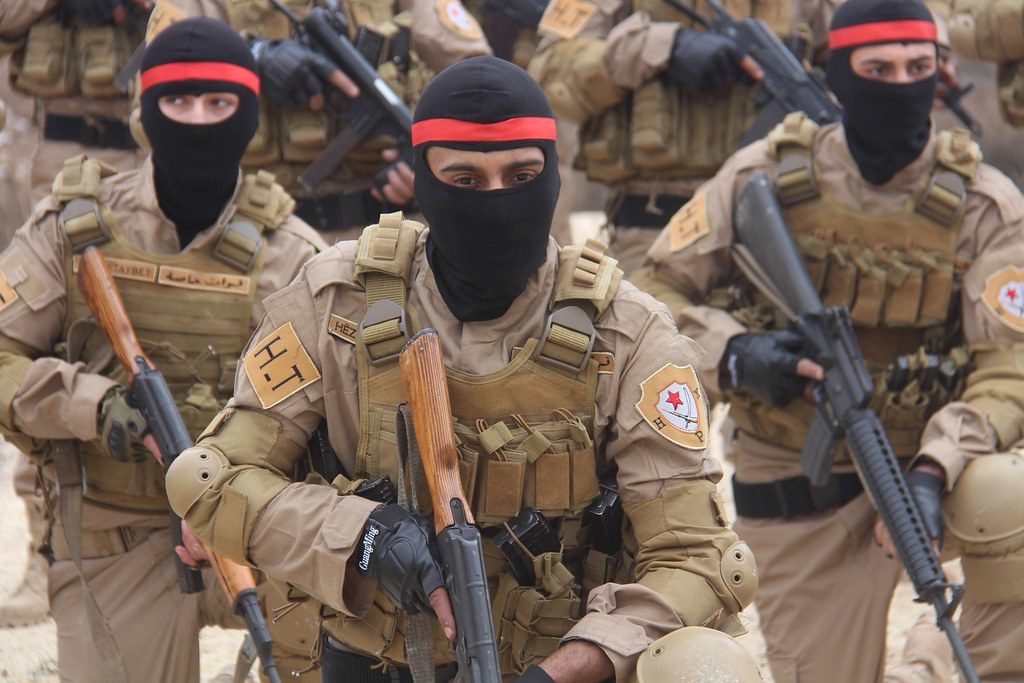
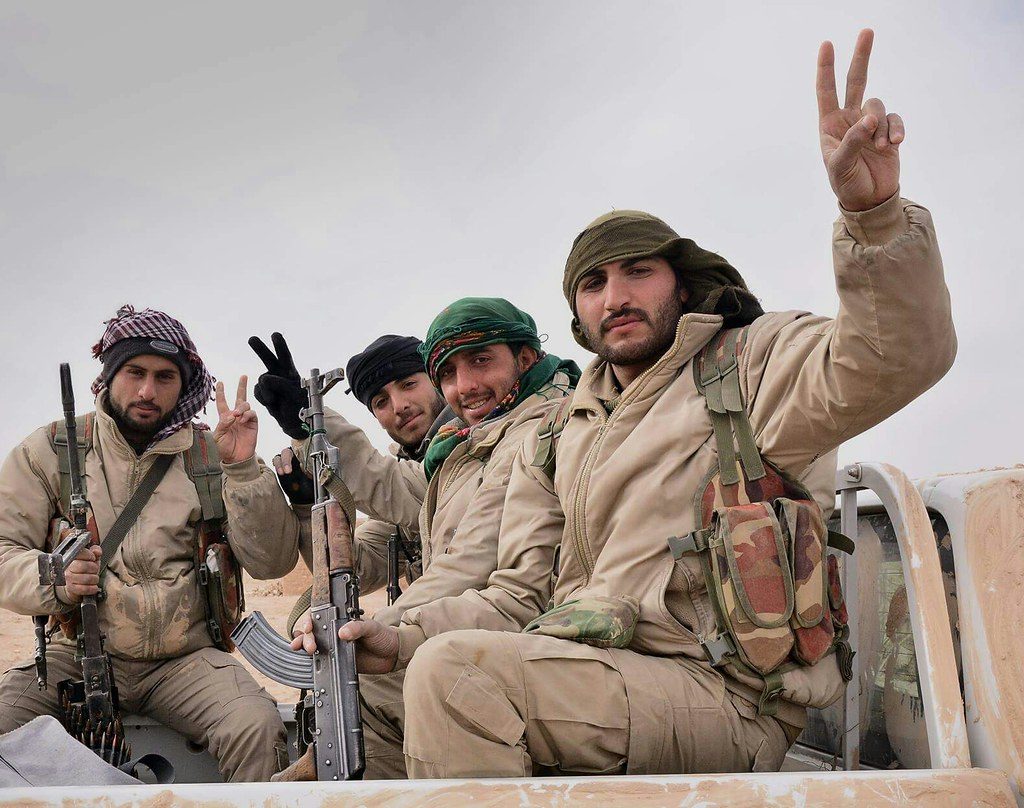
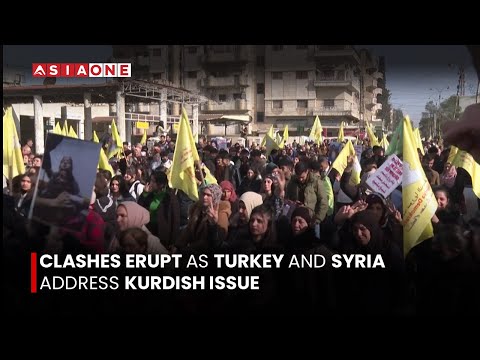
The five-hour meeting collapsed on January 20. Syrian President al-Sharaa and SDF commander Mazloum Abdi met in Damascus for the highest-level direct talks since the January 18 ceasefire.
Al-Sharaa offered Mazloum the position of Deputy Defense Minister in exchange for cutting PKK ties and accepting Syrian forces into Hasakah. Mazloum requested that Hasakah remain under full SDF administration. Al-Sharaa refused, and the talks collapsed.
Within hours, Damascus announced a four-day ceasefire through January 24, and Syrian forces began deploying toward Hasakah, the last major SDF-held city. Trump called al-Sharaa the same day, securing a pledge not to advance on Hasakah while affirming Kurdish rights within the Syrian state. By January 21, Syrian forces controlled Raqqa city and al-Hol detention camp, positioned outside Hasakah.
The question shifted from whether the SDF survives to whether it surrenders or fights. The ISIS prison break materialized when custody of al-Shaddadi prison transferred from SDF to Syrian control on January 19-20, and 120 ISIS detainees escaped amid clashes. Syria's Interior Ministry recaptured 81 by January 21, with 30-40 still at large; the SDF claimed 1,500 escaped but offered no evidence.
On January 20, SDF guards withdrew from al-Hol camp, which holds 56,000 ISIS-linked individuals. Syrian forces took control without incident. The nightmare scenario everyone feared—mass ISIS breakout during authority breakdown—happened exactly as predicted.
The integration agreement promised joint ISIS detention, vetting of SDF fighters into Syria's army, and Kurdish cultural rights. Instead, prisoners escaped, talks failed, and Damascus is taking territory by force. Whether the ceasefire holds depends on whether Trump's phone call restrains al-Sharaa, whether Mazloum accepts subordination, and whether Syrian forces can secure Hasakah without fighting.
The Kurdish autonomous region is gone. What replaces it will be decided in the next 72 hours.
Questions about this story
Free account needed to ask — your question is kept and asked for you right after sign-up. Answers are public.
No questions yet — be the first to ask.
Key Indicators
5 hours
Damascus talks before collapse
Al-Sharaa and Mazloum Abdi meeting January 20 ended with no agreement after SDF refused to cede Hasakah control
120
ISIS detainees escaped al-Shaddadi prison
81 recaptured by Syrian Interior Ministry, 30-40 still at large as of January 21
4 days
Ceasefire duration announced Jan 20
Expires January 24; Syrian forces deploying toward Hasakah during pause
1 city
Major SDF stronghold remaining
Hasakah city (plus Qamishli) still under SDF control; Damascus pledged not to enter during ceasefire after Trump call
56,000
ISIS-linked individuals at al-Hol camp
Transferred from SDF to Syrian government control January 20 without incident
40 events
Latest: January 21st, 2026 · 8 months ago
Showing 8 of 40
JK to step
Tap a bar to jump to that date
Jump to
January 2026
Syrian Forces Take Control of Al-Hol ISIS Detention Camp
LatestSecurity
Syrian government forces assume control of al-Hol camp holding 56,000 ISIS-linked individuals after SDF guards withdraw. Transfer occurs peacefully without incident, contrasting with al-Shaddadi prison break.
81 of 120 Escaped ISIS Detainees Recaptured
Security
Syria's Interior Ministry announces 81 of approximately 120 ISIS members who escaped al-Shaddadi prison have been recaptured. About 30-40 remain at large. SDF had claimed 1,500 escaped but Syrian government disputes this figure.
Four-Day Ceasefire Takes Effect Through January 24
Military
Syrian Army announces four-day ceasefire with SDF effective 8pm local time (17:00 GMT) January 20 through January 24. Announced after al-Sharaa-Mazloum talks collapsed and following Trump phone call. SDF reports ceasefire violations immediately after implementation at Tal Baroud village south of Hasakah.
Syrian Forces Enter Raqqa City After SDF Withdrawal
Military
Large Syrian military convoys enter Raqqa city after SDF forces complete withdrawal. Local residents greet arriving government forces. Completes handover of Raqqa province under January 18 agreement. Former ISIS capital now under Damascus control.
Trump Calls Al-Sharaa, Secures Pledge Not to Advance on Hasakah
Political
President Trump and Syrian President al-Sharaa discuss Kurdish rights in phone call. Al-Sharaa pledges to guarantee Kurdish rights 'within the framework of the Syrian state' and commits not to advance Syrian forces on Hasakah city during negotiations. Trump states 'I'm trying to protect the Kurds.' Leaders also discuss ISIS cooperation and Syrian territorial unity.
Al-Sharaa-Mazloum Talks Collapse After 5-Hour Meeting
Political
Five-hour Damascus meeting between President al-Sharaa and SDF commander Mazloum Abdi ends with complete failure. Al-Sharaa offers Mazloum Deputy Defense Minister position and asks him to nominate Hasakah governor in exchange for PKK expulsion and allowing Interior Ministry forces into province. Mazloum requests Hasakah remain under full SDF administration. Al-Sharaa refuses. Kurdish official confirms 'negotiations have collapsed entirely.' Defense and Foreign Ministers attended.
SDF Guards Withdraw from Al-Hol ISIS Detention Camp
Security
Kurdish SDF guards withdraw from al-Hol camp holding 56,000 ISIS-linked individuals (mostly women and children) in preparation for handover to Syrian government control. Camp transfer proceeds peacefully unlike al-Shaddadi prison violence.
Fighting Resumes Near ISIS Prisons, Ceasefire Collapses
Military
Gun battles erupt across northeast Syria less than 24 hours after ceasefire signed. Clashes near al-Shaddadi prison (Hasakah) and al-Aqtan prison (Raqqa). Syrian army reports three soldiers killed, blames "terrorist groups disrupting ceasefire." SDF reports dozens of fighters dead.
ISIS Prison Break at Al-Shaddadi as Custody Transfer Fails
Security Crisis
SDF reports armed groups attacking al-Shaddadi prison south of Hasakah, housing thousands of ISIS detainees. Prison walls under assault amid "intense clashes," facility "fell outside control of our forces." Syrian army accuses SDF of releasing ISIS prisoners, imposes total curfew on Shaddadi city, pledges to secure prison and arrest escapees.
Al-Sharaa and Mazloum Abdi Face Ceasefire Crisis Ahead of Monday Meeting
Political
Syrian President and SDF commander scheduled to meet Monday to consolidate ceasefire agreement. Meeting postponed from Sunday due to bad weather. Instead of consolidating deal, leaders now confronting immediate implementation failure with fighting resumed and ISIS prison security compromised during custody transfer.
Damascus and SDF Sign 14-Point Integration Agreement, End Autonomy
Political
President al-Sharaa and SDF commander Mazloum Abdi (by phone) sign comprehensive ceasefire ending Kurdish autonomy. Syrian government takes control of Raqqa, Deir ez-Zor, Hasakah provinces. SDF surrenders oil fields, border crossings, civil institutions. Fighters integrate individually into Syrian army. PKK members must leave Syria. Kurdish becomes national language.
Syrian Forces Capture Al-Omar Oilfield, Syria's Largest
Military
Government troops seize al-Omar oilfield in Deir ez-Zor—Syria's largest—after SDF withdrawal. Also capture al-Tanak and Conoco fields. Damascus regains control of 70% of Syria's oil production. Major revenue source for SDF lost.
Syrian Army Seizes Tabqa and Euphrates Dam
Military
Government forces capture Tabqa city, military airport, and Euphrates Dam—Syria's largest hydroelectric facility—40km west of Raqqa. Also seize Freedom Dam (formerly Baath Dam). Information Minister confirms control after expelling PKK-linked fighters.
Tribal Fighters Enter Raqqa as SDF Defenses Collapse
Military
Syrian government-allied tribal militias push into Raqqa, former ISIS capital, as SDF defensive lines crumble. City's water supply cut due to pipeline damage. Residents flee toward safer areas.
US Envoy Barrack Meets Al-Sharaa as Agreement Finalized
Political
Tom Barrack meets President al-Sharaa in Damascus as Syrian forces sweep through Raqqa and Deir ez-Zor. Mazloum Abdi joins by phone (citing bad weather preventing travel). Barrack praises agreement as 'pivotal inflection point where former adversaries embrace partnership over division.'
SDF Announces Withdrawal East of Aleppo
Military
Mazloum Abdi pledges SDF forces will withdraw from positions east of Aleppo to redeploy east of Euphrates. Syrian army enters 34 villages and towns including Deir Hafer, Maskana, military airport. SDF accuses Damascus of breaching agreement by entering before withdrawal complete.
Al-Sharaa Signs Decree Recognizing Kurdish Language and Rights
Political
President issues decree declaring Kurdish a 'national language,' granting citizenship to stateless Kurds from 1962 census, making Newroz a paid holiday, and banning ethnic discrimination. First formal recognition of Kurdish rights since 1946 independence. Kurdish leaders call it insufficient without constitutional guarantees.
Final SDF Fighters Evacuate Aleppo Under US-Brokered Deal
Military
Last Kurdish-led SDF fighters leave Aleppo on buses to Raqqa after US-brokered ceasefire. Aleppo Governor confirms city "empty of SDF fighters." Ends Kurdish presence in Aleppo held since 2012. At least 30 killed, 150,000 displaced in week of fighting.
Ceasefire Collapses, Syrian Forces Enter Sheikh Maqsoud
Military
Syrian forces conduct security sweeps in Kurdish neighborhoods after ceasefire breaks down overnight. Dozens of SDF fighters surrender, bused to northeast Syria. Sporadic fighting continues.
Drone Strikes Aleppo Governorate Building During Press Conference
Military
Drone believed launched by Kurdish forces hits governorate building as Aleppo's governor and two Syrian ministers hold press conference inside.
Turkey Offers Military Support to Damascus Against SDF
Political
Turkish military ready to support Syrian forces in battle with Kurdish fighters in Aleppo if Damascus requests assistance. Turkish drones reportedly already providing support.
US Envoy Meets Jordan Foreign Minister on Ceasefire Extension
Political
Tom Barrack meets with Jordan's Foreign Minister Ayman al-Safadi in Amman to consolidate ceasefire and ensure Kurdish forces' peaceful withdrawal from Aleppo.
Barrack Meets Jordan Foreign Minister, Then Damascus Leadership
Political
US envoy Tom Barrack meets Jordan's Ayman Safadi discussing peaceful SDF withdrawal, then meets Syria's President al-Sharaa and Foreign Minister al-Shaibani. Calls fighting "deeply concerning," urges return to dialogue under March integration framework.
Syria Declares Ceasefire in Aleppo
Military
Ministry of Defence announces 3am ceasefire, six-hour withdrawal window. Kurdish councils reject evacuation. US envoy Tom Barrack works to extend deadline. Over 100,000 displaced.
Turkey Demands Kurdish Disarmament
Political
Foreign Minister Hakan Fidan threatens military operation unless YPG lays down arms immediately.
Syrian Forces Shell Kurdish Neighborhoods in Aleppo
Military
Government declares Sheikh Maqsoud, Ashrafieh, Bani Zaid 'military targets.' Shelling and drone strikes begin.
Damascus-SDF Talks Produce No Tangible Results
Political
Mazloum Abdi delegation meets Damascus officials for integration talks. State TV reports meeting produced no tangible results, sides agree to further meetings later.
December 2025
Integration Deadline Passes, Talks Collapse
Political
December 31 deadline expires with no progress. Dispute over battalion autonomy vs. individual integration.
November 2025
Al-Sharaa Meets Trump at White House
Political
First Syrian head of state visit since 1946 independence. Discusses Syria's future and Kurdish question.
July 2025
US Removes HTS Terrorist Designation
Political
Washington lifts sanctions, recognizes al-Sharaa's government. $10 million bounty on al-Sharaa removed.
March 2025
Damascus and SDF Sign Integration Agreement
Political
Al-Sharaa and Mazloum Abdi sign eight-point deal. SDF to merge into Syrian army by December 2025.
January 2025
Al-Sharaa Named President of Syria
Political
Syrian Revolution Victory Conference appoints former HTS leader as transitional president at People's Palace.
December 2024
Assad Flees, 53-Year Dynasty Ends
Political
Damascus falls after 11-day offensive. Assad escapes to Russia. HTS declares victory, al-Sharaa becomes de facto leader.
November 2024
HTS Launches Offensive from Idlib
Military
Al-Sharaa's forces begin lightning campaign. Aleppo falls in days, shocking Assad government and international observers.
Kurdish forces seize Baghuz, final ISIS stronghold. Over 32,000 SDF casualties in five-year campaign.
October 2017
SDF Captures Raqqa, ISIS Capital Falls
Military
After months of fighting with US support, Kurdish-led forces take ISIS headquarters. Territorial caliphate begins collapse.
October 2015
Syrian Democratic Forces Founded
Military
US sponsors multi-ethnic coalition dominated by Kurdish YPG to fight ISIS. SDF becomes America's main partner.
September 2014
ISIS Besieges Kobani, US Begins Kurdish Partnership
Military
Islamic State attacks Kurdish town. US provides air support to YPG fighters, beginning alliance that continues today.
July 2012
Kurds Declare Self-Rule in Northeast Syria
Political
Assad withdraws forces from Kurdish areas. YPG establishes control in Kobani, Afrin, and Hasakah as civil war erupts.
Scenarios
1
Turkey Invades, SDF Collapses or Retreats East
Possible
Discussed by: Foundation for Defense of Democracies, Washington Institute for Near East Policy, Crisis Group
Ankara loses patience and launches Operation Peace Spring 2.0, targeting SDF positions across northeast Syria with Turkish forces and Syrian National Army proxies. The SDF lacks air power to resist sustained assault. Two possibilities: total collapse with fighters fleeing to Iraqi Kurdistan, or negotiated retreat east of the Euphrates, abandoning Manbij, Kobani, and oil fields. Washington faces choice between defending partners who won't compromise or abandoning them to Turkish/Damascus control. Likely triggers: continued integration stalemate, another Turkish election, or major PKK attack inside Turkey that Erdogan uses as justification.
2
Federal Syria with Kurdish Autonomy Like Iraqi Kurdistan
Possible
Discussed by: International Crisis Group, US State Department officials (background), Kurdish political analysts
After months of brinkmanship and sporadic clashes, Damascus and the SDF reach a federal arrangement modeled on Iraq's Kurdistan Regional Government. The northeast gets constitutional recognition, regional parliament, and internal security forces (rebranded SDF under nominal Damascus command). Central government controls borders, foreign policy, and oil revenue sharing. Turkey grudgingly accepts if Kurdish forces rebrand and cut PKK ties. Requires: sustained US pressure on all sides, Turkish economic incentives, and al-Sharaa gambling that autonomy won't spark demands from Druze, Alawites, and other groups. Most optimistic scenario, requires all parties prioritizing stability over maximalist demands.
3
Syria Fractures Into Ethnic Statelets
Unlikely
Discussed by: Libya and Iraq partition analysts, pessimistic regional observers, some Washington think tanks
The Aleppo ceasefire collapses. Fighting spreads. Kurdish northeast becomes de facto independent, backed by US presence. Turkey controls northern border zone through proxies. Damascus governs Alawite heartland and major cities. Druze-controlled south. Syria becomes Syria in name only—multiple armed territories, no functioning central state, endless militia checkpoints. Revenue from oil and border crossings funds competing armies. Think Libya after Gaddafi or Iraq's near-fracture during ISIS peak. This is the scenario everyone fears and nobody can prevent if integration talks fail completely and external powers back different factions. The 'frozen conflict' endgame.
Discussed by: Pro-Damascus analysts, hardline Turkish commentators, regional observers skeptical of US staying power
Al-Sharaa and Erdogan cut a deal: Turkey gets buffer zone, Syria gets northeast. Joint military campaign grinds down SDF in urban warfare. The US warns but doesn't intervene—Washington decides it can't defend every Kurdish enclave forever and pivots to protecting Iraq-Syria border. SDF leadership flees to Kurdistan Region of Iraq. Oil fields revert to Damascus control. Kurdish autonomous administration dismantled. What happened in Afrin (2018) and Tell Abyad (2019) goes nationwide. Triggers: another US administration that deprioritizes Syria, Turkish-Syrian normalization, or SDF leadership miscalculating Damascus's willingness to use overwhelming force.
5
Agreement Collapses, Renewed Fighting Within Months
Possible
Discussed by: Kurdish political observers, Middle East Eye analysts, skeptical regional commentators
The 14-point agreement unravels when Damascus security forces discriminate against Kurdish fighters during 'vetting,' delaying integration indefinitely. Or PKK members refuse to leave, giving Turkey justification for cross-border strikes. Or al-Sharaa's government can't control Deir ez-Zor tribal militias who attack returning SDF members. Kurdish communities in Hasakah protest the loss of autonomy. Sporadic clashes resume. This time the SDF has no territorial depth—it already withdrew east of the Euphrates and surrendered the oil fields. The fighting becomes guerrilla resistance rather than frontline war. Think the endless cycles of Israel-Palestine ceasefires. The deal bought time but didn't resolve the fundamental question: can Damascus govern Kurds who wanted autonomy?
6
Syrian Forces Storm Hasakah, SDF Collapses or Flees to Iraq
Possible
Discussed by: Kurdish political analysts, Washington Post reporting, regional observers
When the four-day ceasefire expires January 24, Damascus launches assault on Hasakah—the last major SDF stronghold. Without US air support (Trump having signaled withdrawal of backing), SDF faces Syrian army, artillery, and tribal militias. Two outcomes: organized retreat across the border to Kurdistan Region of Iraq where thousands of SDF families already fled, or disintegration with fighters melting into civilian population. Mazloum and SDF leadership escape to Erbil. The autonomous administration that governed northeast Syria for 12 years ends not with negotiated settlement but military defeat. Triggers: Mazloum's continued refusal of subordination, Damascus calculating Trump won't intervene, or another ISIS prison incident that justifies 'restoring order.'
7
Mazloum Accepts Deputy Defense Minister Role, SDF Integrates Under Damascus Control
Possible
Discussed by: Al-Monitor analysis, Syrian government statements, integration proponents
After Trump pressure and facing military reality, Mazloum accepts al-Sharaa's January 20 offer: Deputy Defense Minister position, nominates Hasakah governor, agrees to Syrian Interior Ministry forces entering the province. SDF fighters undergo vetting and integrate individually into Syrian army units (not as battalions). PKK-affiliated commanders leave for Iraq or Turkey. Damascus grants cultural rights (Kurdish language, Newroz holiday) but zero autonomy. Think 2003 Iraqi Kurdish peshmerga integration into federal structure—but with less autonomy and more Damascus control. Requires: Mazloum gambling that subordination beats annihilation, US guaranteeing his safety and some SDF officer positions, and al-Sharaa proving he'll honor Kurdish cultural rights. Best-case scenario given military balance.
Historical Context
3 moments from history that rhyme with this story — and how they unfolded.
1 of 3
1991-present
Iraqi Kurdistan Regional Government (1991-Present)
After Saddam's defeat in the Gulf War, the US established a no-fly zone protecting Iraqi Kurds. They built the Kurdistan Regional Government with its own parliament, military (Peshmerga), and control over oil resources. Baghdad initially opposed it, then recognized Kurdish autonomy in Iraq's 2005 constitution after Saddam's overthrow. In 2017, Kurds held an independence referendum—92% voted yes—but Baghdad crushed it militarily, retaking 40% of Kurdish-held territory including Kirkuk's oil fields. The KRG survived as a federal region.
Then
Autonomy established under international protection, became constitutional in 2005.
Now
Uneasy federal arrangement persists. KRG has parliament, army, oil revenue sharing disputes with Baghdad. Independence dream deferred but autonomy survived.
Why this matters now
Syrian Kurds want this model—constitutional recognition, regional government, armed forces. Damascus fears it leads to secession. The 2017 referendum shows how quickly autonomy can escalate to independence demands, explaining al-Sharaa's resistance to federalism.
2 of 3
1995-present
Dayton Accords: Bosnia's Ethnic Partition (1995)
After three years of ethnic cleansing and war, the US forced Bosnian Serbs, Croats, and Bosniaks to accept a deal at Wright-Patterson Air Force Base in Dayton, Ohio. Bosnia stayed one country on paper, divided into two entities in practice: Serb-majority Republika Srpska and Bosniak-Croat Federation. Ethnic power-sharing at the top, ethnic control of territory below. International troops enforced it. Thirty years later Bosnia remains frozen in Dayton's ethnic categories—dysfunctional government, no national identity, periodic threats of secession.
Then
Stopped the killing. Froze territorial and ethnic divisions. International peacekeepers deployed.
Now
Permanent dysfunction. Ethnic divisions institutionalized. No real reconciliation or unified state. Republika Srpska regularly threatens independence.
Why this matters now
The nightmare scenario for Syria. Partition stops the war but creates permanent ethnic statelets that never reintegrate. Kurdish autonomy that's really partition under another name. If Damascus and the SDF can't agree on real integration, they may get Bosnian-style frozen conflict instead.
3 of 3
October 2019
Turkey's Operation Peace Spring (2019)
Trump announced US withdrawal from northeast Syria. Days later, Turkey invaded with 300,000 troops and Syrian proxy militias, targeting SDF positions along the border. Kurdish forces retreated from Tell Abyad and Ras al-Ayn after intense fighting. US negotiated ceasefire after 10 days: SDF withdrew 30km from 120km border strip. Turkey established 'safe zone,' deported Syrian refugees there from Turkey. Over 300,000 displaced, 90+ civilians killed. Showed SDF cannot resist Turkish military without US protection.
Then
SDF lost strategic border areas. Turkey created occupied zone. Kurdish autonomy shrunk.
Now
Demonstrated Turkish ability to crush SDF if Washington steps back. Made Kurdish leaders paranoid about US commitment. Erdogan showed he'll invade if he thinks he can get away with it.
Why this matters now
Ankara's threat to repeat Peace Spring hangs over current negotiations. The SDF knows integration might be better than Turkish invasion. Damascus knows Turkey will help crush the Kurds if talks fail. The 2019 invasion is the gun on the table in every negotiation.