



Overview
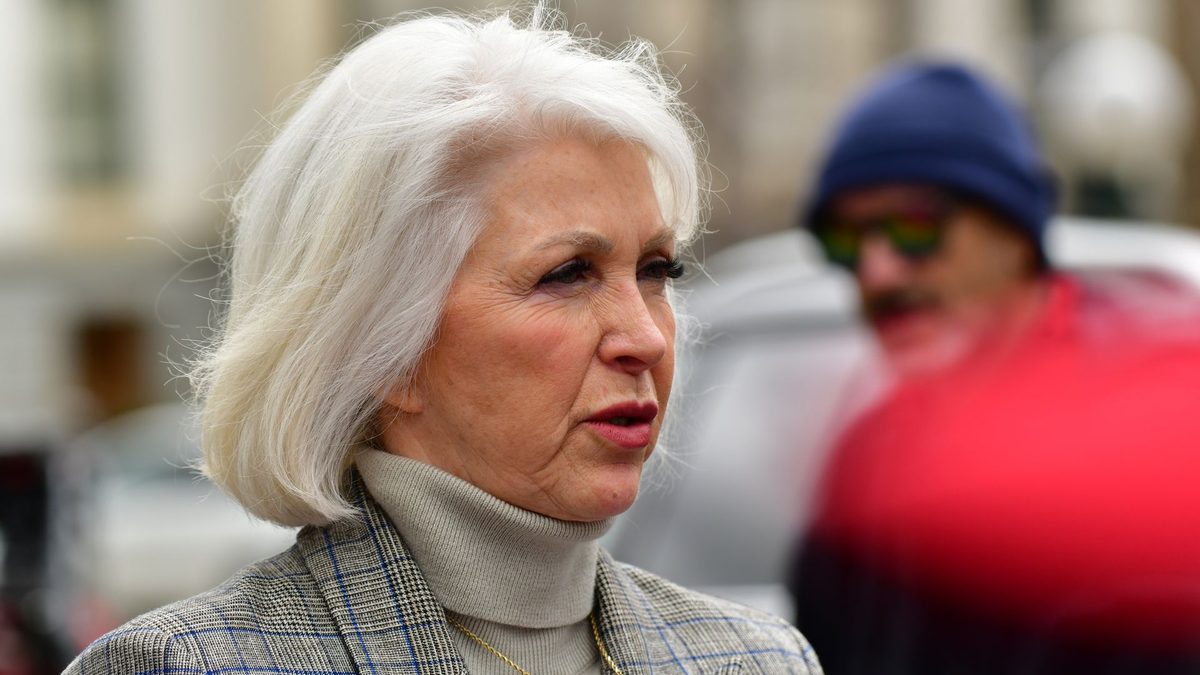
President Trump has announced a pardon for Tina Peters, the former Mesa County, Colorado clerk who let election conspiracy activists copy voting‑machine data and ended up with a nine‑year state prison sentence. The move thrills election deniers but, because her crimes are state offenses, it doesn’t actually spring her from prison.
Peters’ case now sits at the crossroads of two big fights: Trump’s second‑term push to rewrite the story of 2020 by absolving his allies, and the constitutional line between federal clemency and state power. What courts decide—and how other would‑be insider saboteurs read this signal—will shape how secure future U.S. elections really are.
Key Indicators
People Involved
Organizations Involved
Trump’s second White House has made sweeping, politically charged use of the pardon power.
Colorado cast itself as a ‘gold standard’ for elections and a hard line against insider breaches.
Justice now both processes Trump’s pardons and reviews whether Peters was treated fairly by Colorado.
Timeline
-
AP: Trump’s Peters pardon is ‘symbolic’ only
AnalysisReporting underscores that presidential clemency cannot free Peters from a Colorado sentence, even as Trump’s allies hail the move as vindication of her actions.
-
Trump announces Tina Peters pardon; Colorado pushes back
StatementTrump proclaims a full pardon for Peters, calling her a persecuted patriot. Colorado’s governor and legal experts counter that presidents cannot erase state convictions.
-
Trump pardons Giuliani, Meadows and fake‑elector allies
Rule ChangeA sweeping proclamation grants federal pardons to key 2020 election‑subversion figures, plus a wider class of fake electors and self‑styled fraud investigators.
-
Justice Department questions severity of Peters’ state sentence
LegalDOJ notifies a federal court it will review Colorado’s prosecution of Peters, citing concerns about her nine‑year sentence and remarks made during sentencing.
-
Trump’s second term begins with a January 6 clemency shockwave
Rule ChangeOn Inauguration Day, Trump pardons or commutes sentences for about 1,500 January 6 defendants, signaling that his presidency will shield many 2020‑related allies.
-
Judge gives Peters nine years, calls her a charlatan
LegalJudge Matthew Barrett sentences Peters to nine years in custody, blasting her as an unrepentant charlatan who abused public trust and endangered election security.
-
Jury convicts Peters in first major insider 2020‑election case
LegalA Colorado jury finds Peters guilty on seven of ten charges for orchestrating unauthorized access to Mesa County’s election system while chasing proof of 2020 fraud.
-
Grand jury indicts Tina Peters over election‑system tampering
LegalA Mesa County grand jury indicts Peters on 13 counts, including felonies for attempting to influence public servants and criminal impersonation tied to the 2021 breach.
-
Colorado blows the whistle on Mesa County voting‑machine breach
InvestigationSecretary of State Jena Griswold decertifies Mesa County’s Dominion machines after leaked passwords and data trigger a criminal probe into Clerk Tina Peters’ office.
Scenarios
Courts Rule Trump’s Peters Pardon Toothless; State Sentence Stands
Discussed by: Constitutional scholars quoted in the Washington Post and AP, Colorado legal analysts
Colorado courts, backed by federal judges, reject arguments that a presidential pardon can touch purely state convictions. Peters serves most or all of her nine‑year term, perhaps winning modest reductions on appeal. Trump’s pardon remains a political signal but a legal nullity, reinforcing the traditional boundary between federal and state power while hardening blue‑state resistance to his broader clemency campaign.
Supreme Court Cracks the Door for Federal Clemency Over State Crimes
Discussed by: Peters’ legal team, a few conservative legal commentators
Peters’ lawyers push their theory of near‑unlimited presidential pardon power into the federal courts. Against long odds, a Supreme Court majority finds some narrow way to let federal clemency affect state custody in limited circumstances—perhaps when a state prosecution overlaps federal interests. Such a ruling would be a tectonic shift in American federalism, inviting future presidents to rescue allies from hostile state prosecutors and sparking fierce calls for a constitutional amendment.
Peters Becomes a Martyr Icon, Inspiring New Insider Election Breaches
Discussed by: Election‑security experts, Brennan Center analysts, state election officials
Within election‑denial circles, Trump’s pardon elevates Peters from fringe clerk to canonized martyr. She writes from prison, appears by phone at conferences, and is featured in films and fundraising drives. A handful of local officials elsewhere quietly emulate her—copying data, leaking passwords, or inviting outside activists into restricted election systems—believing a future Republican administration will protect them. States respond with more surveillance and criminal penalties, but the insider threat they feared in 2021 proves harder to contain in 2026.
Backlash to Political Pardons Spurs New Guardrails on Clemency and Elections
Discussed by: Voting‑rights groups, good‑governance organizations, some members of Congress and state legislators
Trump’s pattern—mass January 6 pardons, fake‑elector clemency, the Peters move—galvanizes a reform push. Congress considers transparency rules for clemency, independent advisory commissions, or even a constitutional amendment limiting self‑interested pardons. States, meanwhile, tighten laws around access to voting equipment, strengthen whistleblower channels for genuine concerns, and beef up penalties for insider tampering. Most reforms end up being piecemeal rather than sweeping, but together they make it harder for a single president to erase an entire ecosystem of election‑related crimes.
Historical Context
Ford’s 1974 Pardon of Richard Nixon
1974What Happened
After Watergate forced President Nixon to resign, his successor Gerald Ford issued a full and unconditional pardon for all federal crimes Nixon “committed or may have committed” while in office. Ford framed it as an act of healing; critics saw it as cutting off accountability for abuses of power.
Outcome
Short term: The pardon likely cost Ford political support and helped Democrats in the 1974 midterms.
Long term: It cemented the idea that presidents can use clemency to end legal exposure for insiders at the top.
Why It's Relevant
It shows how a single sweeping pardon can redefine accountability for a scandal—and how controversial that tradeoff remains.
George H.W. Bush’s Iran‑Contra Pardons
1986–1992What Happened
In the late 1980s, multiple Reagan‑era officials were investigated or convicted for secretly funneling arms to Iran and funds to Nicaraguan rebels. In 1992 President George H.W. Bush pardoned six key figures, including former Defense Secretary Caspar Weinberger, short‑circuiting pending trials and investigations.
Outcome
Short term: The pardons ended hopes of fully uncovering responsibility up the chain of command.
Long term: They became a textbook example of using clemency to protect a political network from deeper scrutiny.
Why It's Relevant
Trump’s pardons for election‑related allies, including Peters, echo this use of clemency to insulate a broader project from legal fallout.
Trump’s First‑Term Pardons of Joe Arpaio, Roger Stone and Steve Bannon
2017–2021What Happened
During his first term, Trump pardoned Sheriff Joe Arpaio after a contempt conviction, commuted adviser Roger Stone’s sentence before prison, and pardoned strategist Steve Bannon in a fraud case. Each had been a fierce loyalist or culture‑war symbol.
Outcome
Short term: The moves signaled to allies that loyalty in politically charged causes could outweigh legal risk.
Long term: They normalized intensely personal, factional use of clemency and set the stage for even broader second‑term pardons.
Why It's Relevant
Understanding these earlier pardons helps explain why Trump now treats figures like Peters—convicted in the name of his election narrative—as prime clemency candidates.
