
Pull to refresh
Logo
Trump designates the Oval Office a national monument

Trump designates the Oval Office a national monument

Rule Changes

The proclamation covers three rooms and requires preservation review, but future presidents can still redecorate

Overview

Updated 1 hour ago

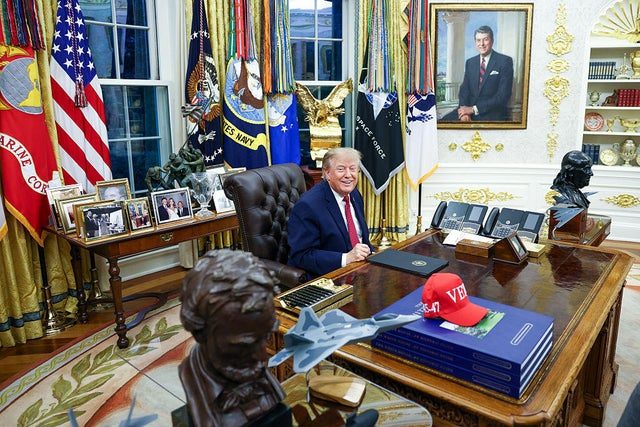
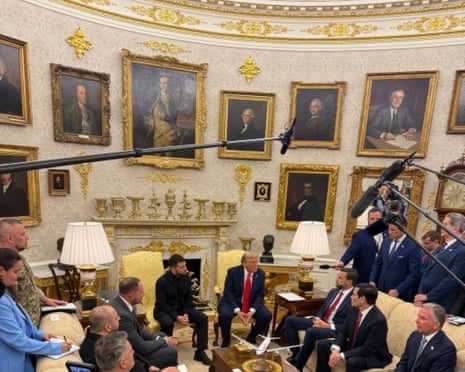
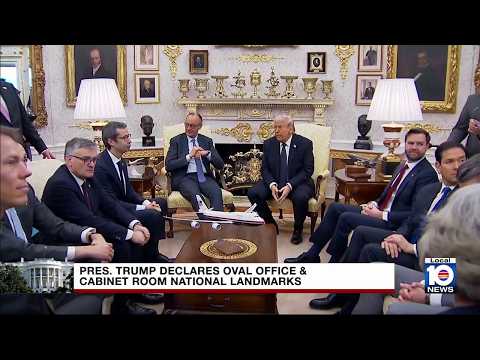
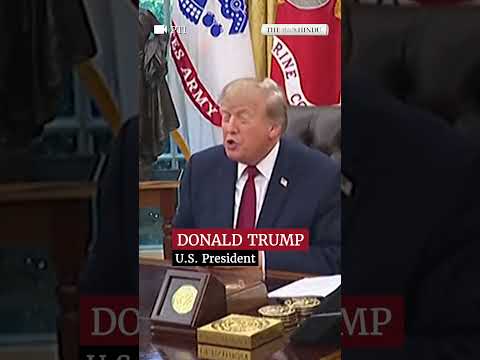
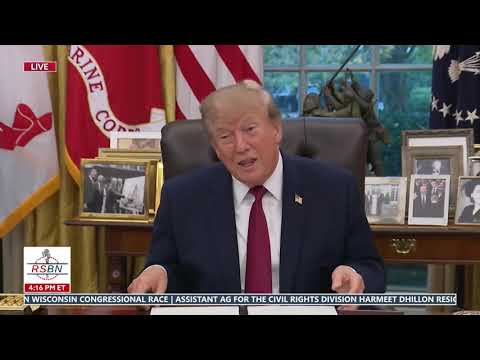
President Donald Trump signed a proclamation on November 5, 2026, making the Oval Office, the Outer Oval Office and the Cabinet Room a national monument. The designation relies on the Antiquities Act, a 1906 law that lets presidents protect federal land and structures by proclamation, without a vote in Congress.

The text directs the Interior Department to write a management plan and review alternatives before any work that would substantially alter or demolish the rooms. It also states that nothing in it limits a president's authority to redecorate, choose furniture or make ordinary security changes. Trump described the move as making the room untouchable. The document is narrower than that.

Why it matters

The designation adds a review step before structural changes to the Oval Office, but a future president can rewrite or revoke it.

Questions about this story

Free account needed to ask — your question is kept and asked for you right after sign-up. Answers are public.

No questions yet — be the first to ask.

Key Indicators

3
Rooms designated
The Oval Office, the Outer Oval Office and the Cabinet Room.
0
Congressional votes required
The Antiquities Act lets a president designate a monument alone.
11
National monuments Congress has abolished
From Papago Saguaro in 1930 to Misty Fjords in 1980, according to the Park Service.
1938
Year of the legal opinion the administration reversed
A 2025 Office of Legal Counsel opinion said presidents can alter or eliminate a monument.

Voices

Curated perspectives — historical figures and your fellow readers.

Sign up to generate historical perspectives on this story.

People Involved

Organizations Involved

Timeline

1930s November 2026

4 events Latest: Yesterday
Tap a bar to jump to that date
  1. Trump signs Oval Office monument proclamation

    Latest Executive Action

    Designation covers the Oval Office, Outer Oval Office and Cabinet Room.

  2. Midterms cost Republicans control of Congress

    Election

    Democrats are set to take the majority in January 2027.

  3. Oval Office built in its present location

    Background

    The room takes its current form during Franklin D. Roosevelt's administration.

Scenarios

1

A future president redecorates the Oval Office

Likely Resolves by Q2 2029

Discussed by: The Daily Beast and thecrosscheck, both noting the text preserves redecorating authority

The proclamation explicitly leaves furnishings and decor to the sitting president. A successor could remove the gold-toned additions without touching the room's structure, and the monument designation would not block it.

2

A future president revokes the monument designation

Possible Resolves by End of 2029

Discussed by: Thecrosscheck, citing Trump's 2025 Office of Legal Counsel opinion

The 2025 opinion says a president can alter a prior monument declaration, including eliminating the reservation. A successor could issue a new proclamation striking the designation, though no court has settled whether that is lawful.

3

Congress passes a statute codifying the monument

Unlikely Resolves by End of 2027

Discussed by: Thecrosscheck, which notes Congress could act but no bill exists

A statute would make the designation harder to undo by proclamation. Democrats take control of Congress in January 2027, but the proclamation drew little legislative attention and no bill has been introduced.

Historical Context

3 moments from history that rhyme with this story — and how they unfolded.

June 1906

Antiquities Act (1906)

Theodore Roosevelt signed a law letting presidents designate national monuments on federal land by proclamation, without Congress. It was used to protect landmarks including the Grand Canyon and Devils Tower.

Then

Presidents gained unilateral power to set aside federal land and structures.

Now

The law became the basis for more than a century of monument designations, and for fights over whether presidents can shrink or undo them.

Why this matters now

It is the legal authority Trump invoked for the Oval Office designation.

1938

Castle Pinckney and the 1938 opinion

An Attorney General opinion concluded that a president could not abolish a national monument. Congress later abolished Castle Pinckney, a fort in Charleston Harbor, in 1956.

Then

The opinion limited presidential power to undo designations.

Now

The 1938 view stood until Trump's Office of Legal Counsel reversed it in May 2025.

Why this matters now

The reversal is what would let a future president revoke the Oval Office designation.

1930-1980

Congress abolishes 11 monuments (1930-1980)

Congress abolished monuments including Papago Saguaro in 1930, Castle Pinckney in 1956 and Misty Fjords in 1980. The Park Service attributes every abolition on its list to Congress.

Then

Legislators, not presidents, removed the designations.

Now

Congress retains authority over federal property, and a statute could codify or abolish the Oval Office monument.

Why this matters now

It shows the route Congress could take if it wanted to protect or remove the designation.

Sources

(9)