

Germany's Balkonkraftwerke boom (2019-2025)
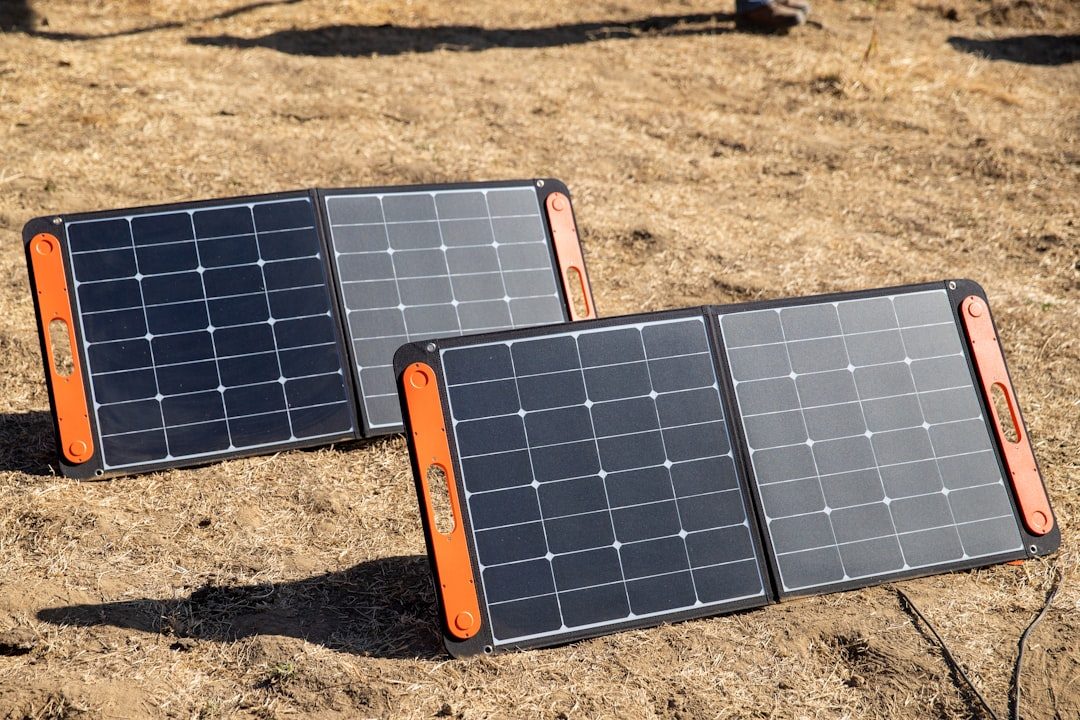
Germany enacted its first technical standard for plug-in solar devices in 2019, allowing small panels to feed electricity through a standard household socket. Adoption remained modest until 2022, when the energy price shock from Russia's invasion of Ukraine combined with simplified registration rules to trigger explosive growth. By mid-2025, more than one million systems were registered, with many more unregistered.
Germany's 2024 Solar Package raised the inverter limit to 800 watts and gave tenants a legal right to install balcony solar, which landlords can refuse only in exceptional cases.
Balcony solar became a mainstream consumer product sold in hardware stores and online, contributing roughly 500 megawatts of distributed capacity and normalizing the idea that anyone, not just homeowners, can generate their own electricity.
The UK government explicitly cites Germany's experience as the model for its plug-in solar initiative. Germany's trajectory shows how quickly adoption can scale once regulatory barriers are removed, but also that a price crisis accelerated what might otherwise have taken years.