
Pull to refresh
Logo
Ukraine extends free hot school meals to all 3 million public school students

Ukraine extends free hot school meals to all 3 million public school students

Rule Changes

Program covers grades 1-11 at municipal schools from September 2026; frontline kitchens serve in bomb shelters during air raids

September 1st, 2026: Free meals expand to all grades nationwide

Overview

Updated 1 hour ago

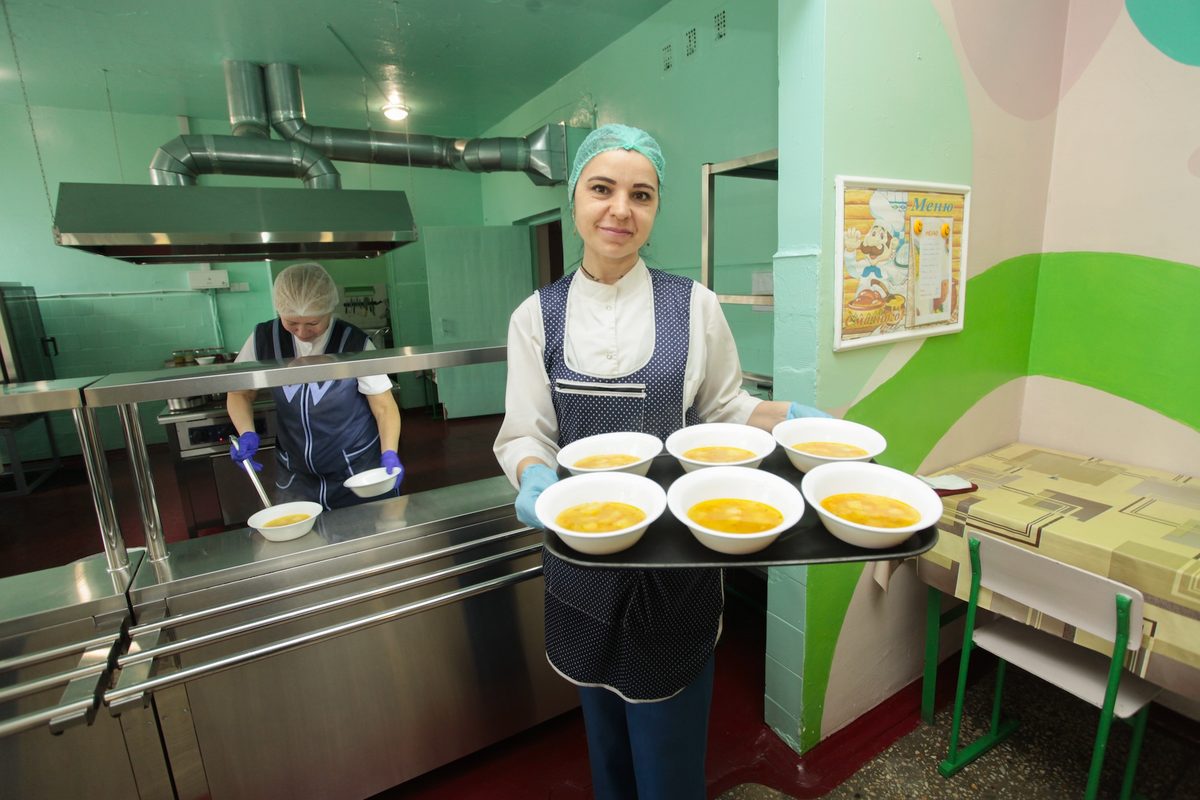
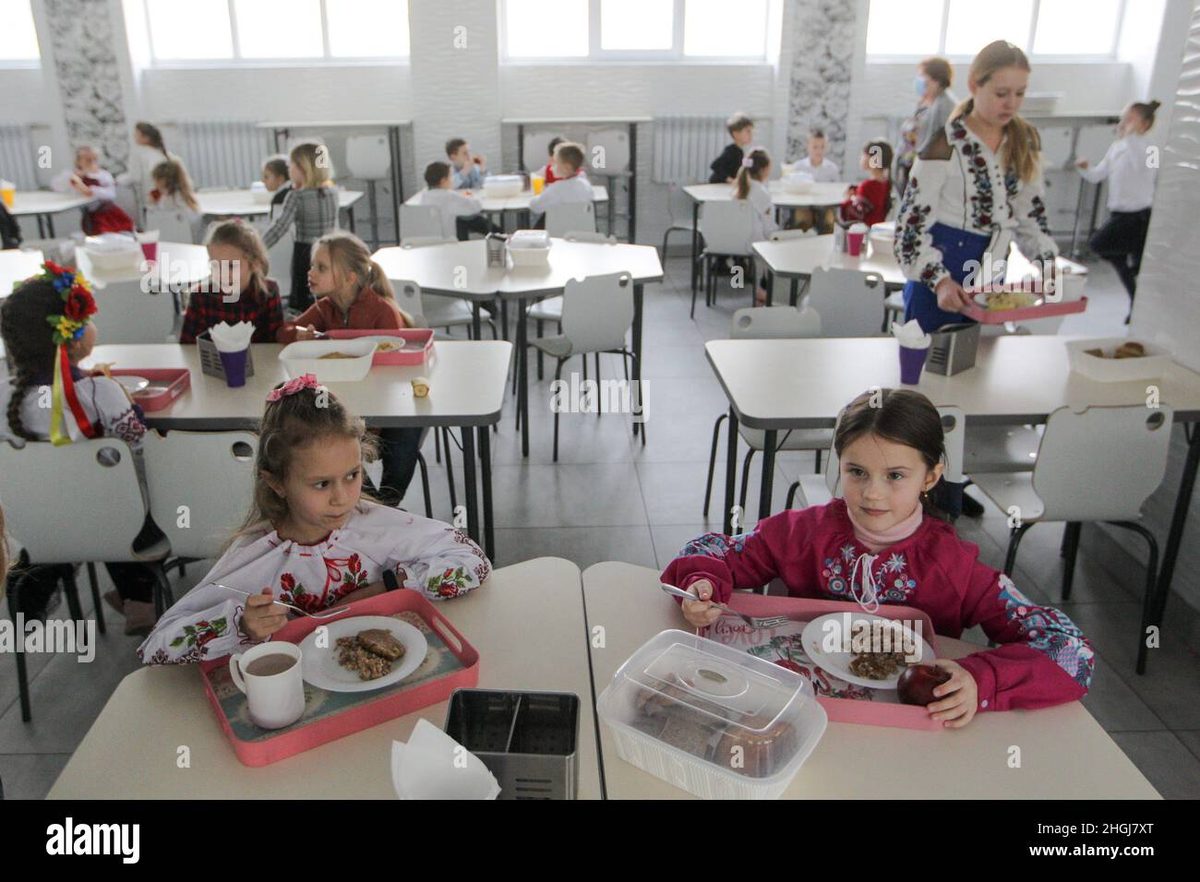
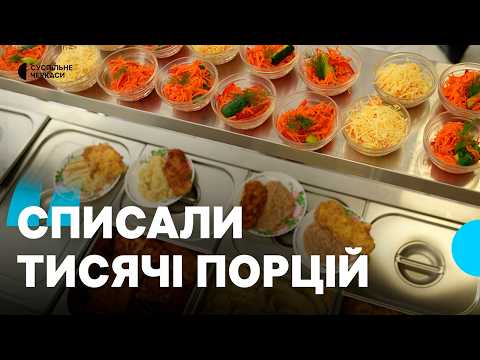
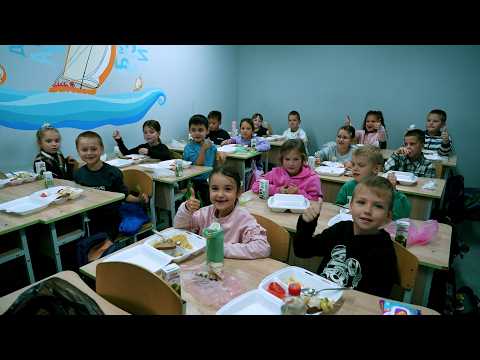
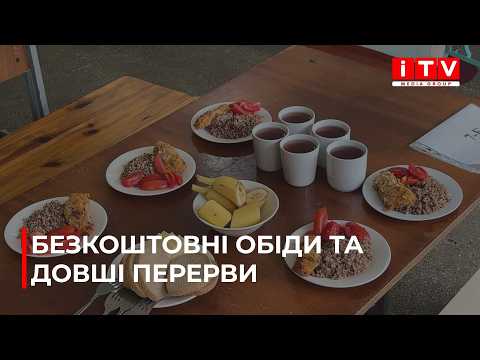
Ukraine now feeds every public school student a hot meal each day. The program, expanded September 1, 2026, covers about 3 million children in grades 1 through 11 at municipal schools nationwide.

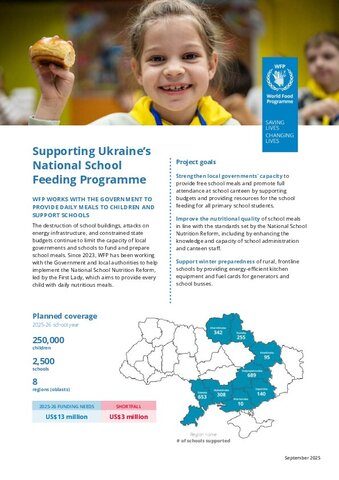
The service operates while the country is at war. Kitchens in frontline regions serve lunch in bomb shelters during air raid alerts and rely on diesel generators when Russian strikes cut power. In 2026, the government budgeted nearly $345 million for the program, with UN World Food Programme support in the eight regions closest to the front.

Why it matters

Ukraine feeds 3 million schoolchildren daily while at war, proving a state under attack can still run its most basic services.

Questions about this story

Free account needed to ask — your question is kept and asked for you right after sign-up. Answers are public.

No questions yet — be the first to ask.

Key Indicators

3 million
Students covered by free daily meals
All pupils in grades 1-11 at municipal schools, attending in person or through blended learning.
$345 million
2026 state funding for school meals
Nearly UAH 14.4 billion in subsidies allocated to local budgets for the free meal program.
40 million
WFP meals served in frontline regions, 2025-2026
UN World Food Programme meals delivered to 275,000 children in the 2025/2026 school year.
1,741
School kitchens modernized
Food service facilities upgraded as of July 2026, out of roughly 2,400 that still need work in frontline regions.

Voices

Curated perspectives — historical figures and your fellow readers.

Ever wondered what historical figures would say about today's headlines?

Sign up to generate historical perspectives on this story.

People Involved

Organizations Involved

Timeline

October 2024 September 2026

6 events Latest: September 1st, 2026 · 1 month ago
Tap a bar to jump to that date
  1. Free meals expand to all grades nationwide

    Latest Policy

    All pupils in grades 1-11 at municipal schools receive free daily hot meals, covering about 3 million children across Ukraine.

  2. Funding rules set for nationwide expansion

    Regulation

    Resolution No. 869 establishes per-student funding: UAH 50 daily for primary pupils, UAH 60 for secondary, with a separate WFP co-funding mechanism for frontline regions.

  3. 1,741 school kitchens modernized

    Infrastructure

    As of July, 1,741 food service facilities had been upgraded and 38 culinary hubs established to train cooks.

  4. Cabinet allows meals in shelters and adapted premises

    Regulation

    Resolution No. 809 permits meal service in classrooms, recreation areas, and bomb shelters during martial law, with hygiene requirements.

  5. Program extends to grades 5-11 in frontline regions

    Policy

    Free meals expand to secondary pupils in eight designated regions supported by the UN World Food Programme.

  6. Free meals launched for primary school pupils

    Policy

    Ukraine introduces free hot meals for primary school students as the first phase of the reform.

Scenarios

1

Ukraine's meal program survives winter attacks

Likely Resolves by Apr 30, 2027

Discussed by: Ukraine government announcements; UNITED24 Media

Winter typically brings more Russian strikes on energy infrastructure. Schools depend on diesel generators and shelter-based meal service. If the program keeps feeding students daily through the cold months with only localized interruptions, the system will have proven it can operate under sustained attack.

2

Budget shortfalls force school meal cutbacks

Possible Resolves by Sep 1, 2027

Discussed by: Cabinet of Ministers budget documents; Ukrainian media

The program depends on state subsidies plus local co-funding. The government allocated UAH 7.4 billion for September-November 2026; the 2027 budget could reduce per-student amounts or communities could struggle to cover their share. Any reduction would scale back meal frequency or quality.

3

WFP support changes in frontline regions

Uncertain Resolves by Aug 31, 2027

Discussed by: UN WFP program updates; Ukraine Recovery Conference statements

WFP co-funds meals in eight frontline regions and supplies kitchen equipment, generator fuel, and cook training. Its current memorandum covers the 2026/2027 school year. Whether it extends, expands, or phases out depends on the war's trajectory and donor funding.

Historical Context

2 moments from history that rhyme with this story — and how they unfolded.

June 1946

US National School Lunch Act (1946)

President Harry Truman signed the National School Lunch Act, creating a permanent federal program to provide subsidized lunches to American schoolchildren. The law responded to concerns that malnutrition among WWII-era recruits had weakened military readiness.

Then

Millions of children gained access to federally funded school lunches within the first year of the program.

Now

The program became one of the US government's largest food assistance efforts, serving tens of millions of children for decades.

Why this matters now

Shows how wartime pressures can produce lasting national commitments to child nutrition, similar to how Ukraine's wartime conditions are driving its school meals expansion.

1940-1945

UK school meals expansion in WWII (1940-1945)

Britain dramatically expanded school meal provision during the Second World War as rationing, evacuation, and disrupted family life made school meals a strategic necessity. The 1944 Education Act made it a duty of local authorities to provide school meals and milk.

Then

Millions of British children received meals at school during the war years.

Now

School meals became a permanent feature of British education, continuing well after the war ended.

Why this matters now

Illustrates how a state at war prioritizes child nutrition through the school system, a pattern Ukraine is repeating under current conflict conditions.

Sources

(8)