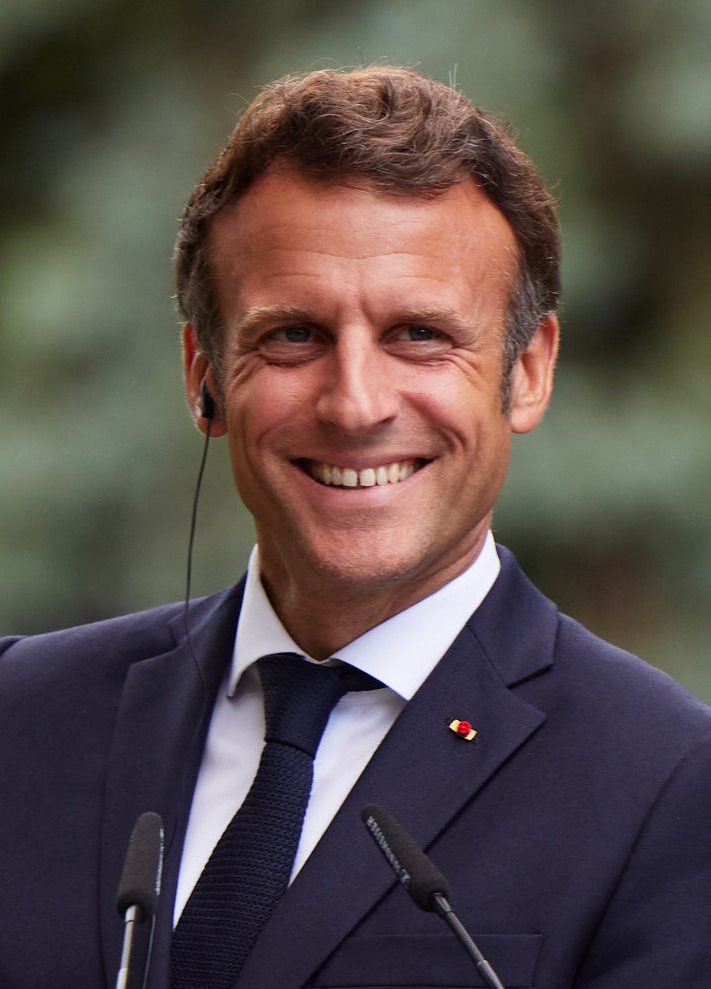
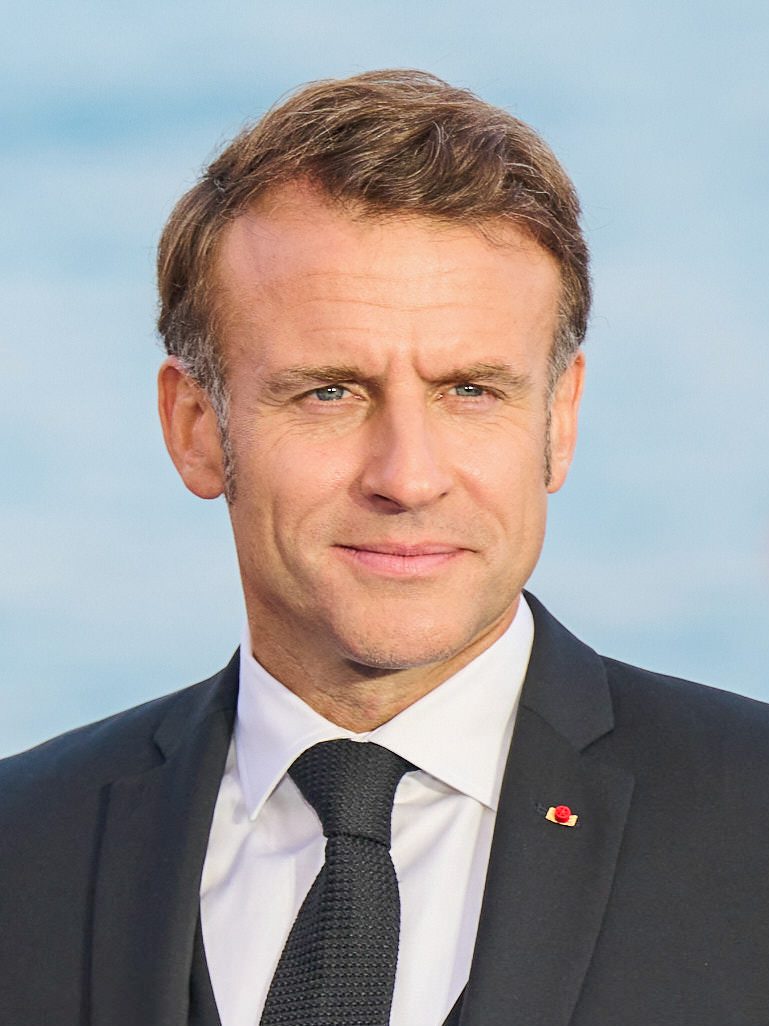
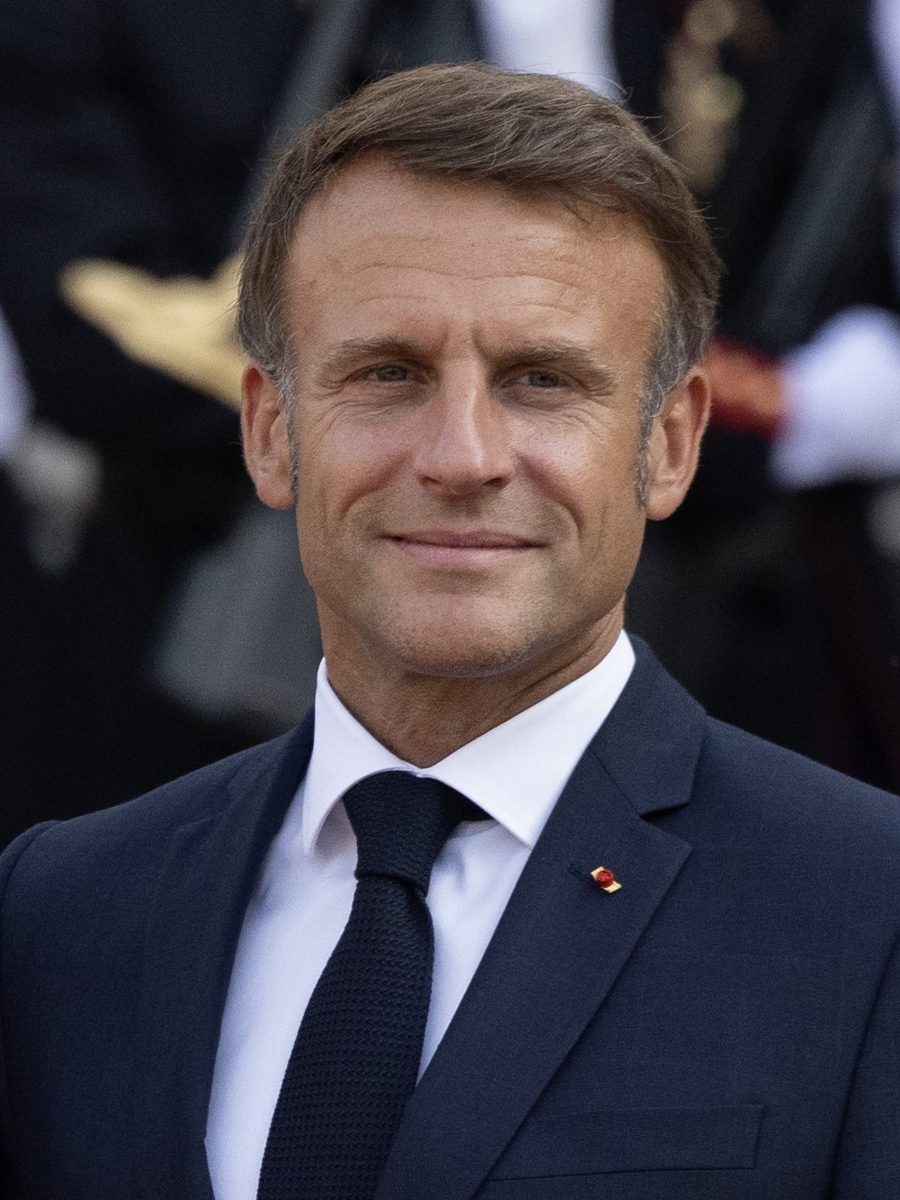
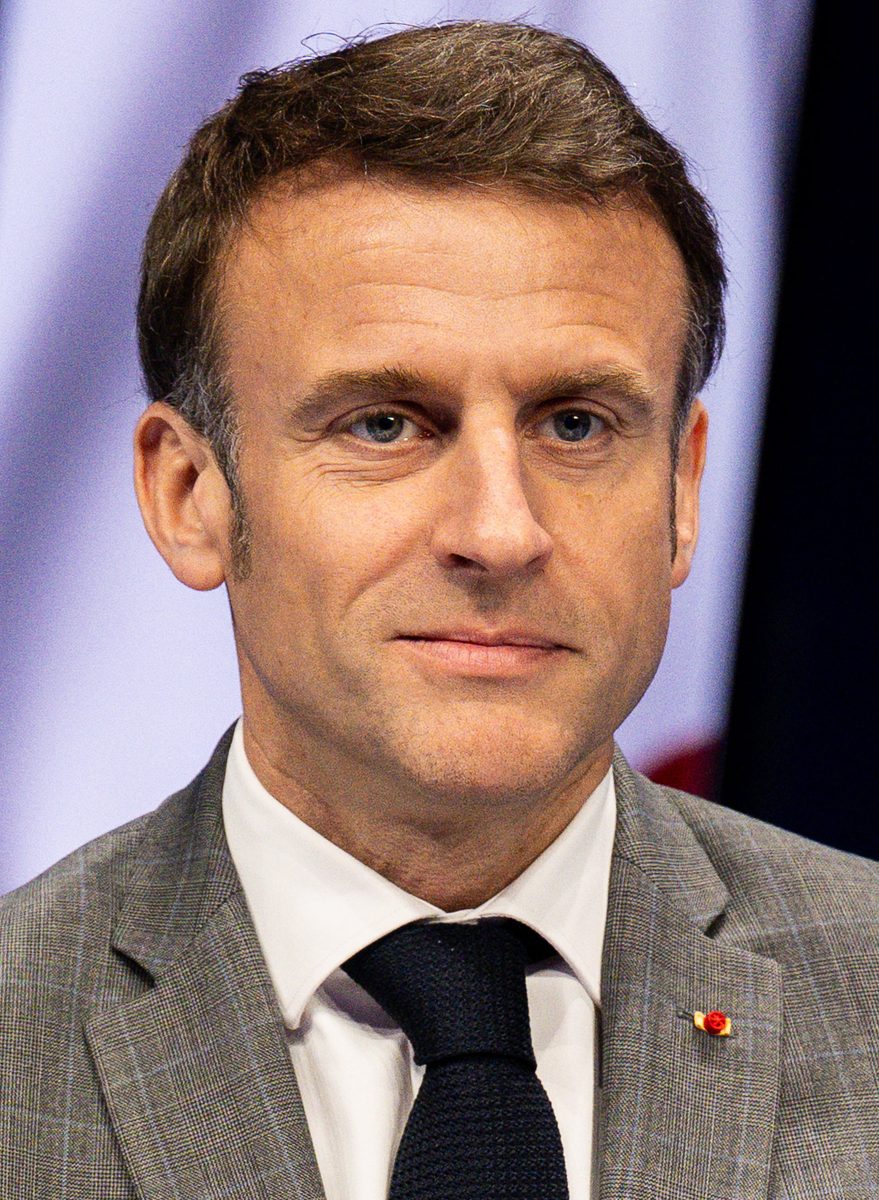
For nearly three years after Russia's 2022 invasion, Ukraine relied on American satellites and signals intelligence for roughly 75-80% of its battlefield awareness, but in ten months France claims to have replaced most of that. President Macron announced on January 15, 2026, that France now provides two-thirds of Ukraine's intelligence—a restructuring forced by Washington's March 2025 decision to suspend most intelligence sharing as leverage in peace negotiations. Yet Macron's assertion contradicts Ukraine's own intelligence officials: the former GUR chief stated in December 2025 that the US remained the key provider, and concerns about US intelligence leaks to Moscow have reportedly chilled Kyiv's information sharing with Washington.
The shift is a major realignment of Western security architecture. European NATO members, led by France and the UK, have built parallel intelligence pipelines, launched the EU's GOVSATCOM secure satellite system (operational January 14, 2026), and assembled a 35-nation coalition to backstop Ukraine's defense.
Yet diplomacy is advancing: the first trilateral talks between Ukraine, Russia, and the US began January 23 in Abu Dhabi, described as 'very constructive' with territory as the main remaining obstacle. A 15-year US security guarantee framework was finalized by January 8, though Ukraine seeks extension to 50 years.
Questions about this story
Free account needed to ask — your question is kept and asked for you right after sign-up. Answers are public.
No questions yet — be the first to ask.
Key Indicators
~67%
French intelligence share
Portion of Ukraine's intelligence now supplied by France, per Macron (disputed)
35
Coalition nations
Countries in the Coalition of the Willing providing Ukraine support
€40B
2025 military commitment
European military support pledged to Ukraine for 2025
15 years
US security guarantee
Duration of proposed US security commitment (Ukraine seeks 50)
Images from Openverse under Creative Commons licenses.
Videos from YouTube.
Voices
Curated perspectives — historical figures and your fellow readers.
Eleanor Roosevelt
(1884-1962) ·Progressive Era · politics
Fictional AI pastiche — not real quote.
"When a great power withdraws not merely its forces but its moral commitment, it should not be surprised to find that others will fill the vacuum—though whether they possess equal strength is a question best answered by the courage of those whose freedom hangs in the balance. One wonders if leverage purchased at the expense of principle is a bargain worth making, or merely another debt that history will exact with interest."
0% found this insightful
Ever wondered what historical figures would say about today's headlines?
Sign up to generate historical perspectives on this story.
27 events
Latest: January 27th, 2026 · 9 months ago
Showing 8 of 27
JK to step
Tap a bar to jump to that date
Jump to
January 2026
EU GOVSATCOM System Operational
LatestCapability
EU's secure satellite communications service goes live using eight satellites from five member states. Ukraine's request for access under review by European Commission.
Trilateral Talks Conclude First Round
Diplomatic
US envoy Steve Witkoff describes talks as 'very constructive.' Second round scheduled for February 1 in Abu Dhabi. Territorial control remains primary obstacle.
First Trilateral Ukraine-Russia-US Talks Begin
Diplomatic
First direct negotiations between Ukraine, Russia, and US since invasion begin in Abu Dhabi. Steve Witkoff leads US delegation; UAE President Sheikh Mohamed receives delegations.
Zelensky's Davos Speech Criticizes Europe
Statement
At World Economic Forum, Zelensky accuses Europe of being 'lost' and trying to convince Trump rather than uniting to defend itself. Says 'no security guarantees work without the US.'
NATO Secretary General Speaks at Davos
Statement
Mark Rutte emphasizes 'the main issue is not Greenland now, the main issue is Ukraine,' expressing concern about focus shifting from Ukraine conflict.
Macron: France Provides Two-Thirds of Ukraine Intelligence
Statement
French president announces France now supplies approximately two-thirds of Ukraine's intelligence, claiming to have largely replaced US capabilities suspended in March 2025.
Trump Blames Ukraine for Stalling Peace Talks
Diplomatic
In Reuters interview, Trump says 'I think he's ready to make a deal' about Putin, adding Ukraine is 'less ready to make a deal.' Kremlin agrees; European allies push back, accusing Russia of stalling.
EU Launches GOVSATCOM Service
Capability
European Union brings GOVSATCOM secure satellite communications online using capacity from eight satellites provided by France, Spain, Italy, Greece, and Luxembourg.
US-Ukraine Security Guarantee Text Finalized
Diplomatic
Zelensky announces bilateral security guarantee text with US is 'essentially ready' to be finalized with Trump, offering 15-year commitment with potential for extension.
NATO Secretary General Joins Coalition Meeting
Diplomatic
Mark Rutte attends Coalition of the Willing meeting in Paris, signaling closer NATO coordination with European-led initiative.
Paris Declaration on Security Guarantees
Diplomatic
Coalition of the Willing leaders sign framework for post-ceasefire security guarantees including troop deployments and military hubs in Ukraine.
US Envoys Join Coalition of the Willing for First Time
Diplomatic
Trump envoys Steve Witkoff and Jared Kushner attend Paris meeting. Witkoff says Trump 'strongly stands behind security protocols' and guarantees are 'important, so that the people of Ukraine know that when this ends, it ends forever.'
Paris Declaration establishes: ceasefire monitoring system, long-term military assistance, Multinational Force for Ukraine from willing nations, and binding commitments to restore peace if Russia attacks again.
Budanov Appointed Chief of Staff
Political
Zelensky names former military intelligence chief Kyrylo Budanov to lead the Office of the President, replacing Andriy Yermak.
December 2025
Budanov Warns of US Intelligence Dependence
Statement
Ukraine's intelligence chief publicly states Kyiv remains critically dependent on US satellite imagery and ballistic missile early warning systems.
August 2025
Trump Hosts Putin in Alaska
Diplomatic
First meeting between a US president and Putin on Western soil since the invasion. Zelensky not invited.
July 2025
US Blocks Five Eyes from Ukraine Talks Intel
Intelligence
DNI Gabbard signs directive classifying all Russia-Ukraine negotiation intelligence as NOFORN, barring sharing with Five Eyes allies.
May 2025
First Direct Ukraine-Russia Talks in 3 Years
Diplomatic
Ukrainian and Russian officials meet directly for the first time since 2022. No breakthrough achieved.
March 2025
Ukraine Accepts Ceasefire Proposal
Diplomatic
Zelensky agrees to 30-day interim ceasefire proposal. US resumes intelligence sharing and security assistance. Russia rejects the ceasefire.
France Confirms Intel Sharing
Intelligence
French defense minister publicly confirms France is sharing intelligence with Ukraine following US suspension.
US Suspends Intelligence Sharing
Intelligence
Trump administration halts most intelligence sharing with Ukraine, including satellite imagery and targeting data. Only force-protection intelligence continues.
Coalition of the Willing Launched
Diplomatic
UK and France announce European-led coalition to provide security guarantees to Ukraine at London Summit. Sixteen world leaders attend.
February 2025
Oval Office Confrontation
Diplomatic
Meeting between Trump, Vance, and Zelensky devolves into televised shouting match. Ukraine delegation asked to leave early. Trump threatens to withdraw all US support.
France Signs Ukraine Satellite Analysis Contract
Intelligence
Safran.AI contracted to provide Ukraine's military intelligence with a platform for analyzing French CSO-3 satellite imagery—anticipating US intelligence cutoff.
January 2025
Trump Inaugurated
Political
Donald Trump begins second term. His administration signals intent to broker Ukraine-Russia peace deal within 100 days.
June 2024
France Launches CSO-3 Spy Satellite
Capability
Third satellite in France's CSO constellation enters orbit, enabling twice-daily coverage of target areas. France now operates 15 of Europe's approximately 50 military satellites.
February 2022
Russia Invades Ukraine
Military
Full-scale Russian invasion begins. US and allies rapidly expand intelligence sharing with Kyiv, with American satellites and signals intelligence forming the backbone of Ukraine's situational awareness.
Scenarios
1
European Intelligence Proves Sufficient, Peace Deal Holds
Possible
Discussed by: French government officials, European defense analysts at IISS
European capabilities—French satellites, UK signals intelligence, and commercial partnerships—adequately replace US support. A peace deal solidifies in early 2026 with Coalition of the Willing forces deployed as monitors. European defense autonomy becomes reality rather than aspiration. This scenario depends on Russia accepting ceasefire terms and France's intelligence claims proving accurate.
2
Intelligence Gap Leads to Ukrainian Military Setbacks
Possible
Discussed by: Former US intelligence officials, Ukrainian military sources cited by TIME
Budanov's warnings prove prescient: European satellites cannot match US coverage, and ballistic missile early warning gaps cause casualties. Russian advances accelerate in specific sectors where intelligence degradation is most acute. Pressure mounts on US to resume full sharing, creating leverage for either Ukraine or Russia depending on political context.
3
US Resumes Full Support After Political Shift
Uncertain
Discussed by: Congressional Democrats, Atlantic Council analysts
Domestic political pressure or strategic recalculation leads US to restore full intelligence sharing. The European infrastructure built during 2025 becomes supplementary rather than primary, but the capability exists as insurance against future US policy shifts. Five Eyes restrictions on Ukraine negotiation intelligence may persist.
4
Permanent European-American Intelligence Division
Possible
Discussed by: European defense strategists, GLOBSEC
The current arrangement calcifies into a new baseline. France leads European intelligence support to Ukraine while the US maintains separate negotiation channels with Russia. NATO intelligence sharing bifurcates by subject area—China cooperation continues while Russia policy diverges. This represents the most significant structural change to the Western alliance since its founding.
5
Abu Dhabi Framework Produces Ceasefire by March 2026
Trilateral talks in Abu Dhabi produce territorial compromise: Russia retains control of Crimea and portions of Donbas with Ukraine ceding claims in exchange for NATO-track security guarantees and reconstruction aid. Coalition of the Willing deploys 30,000 peacekeepers to monitor frozen conflict line. The 15-year US security commitment extends to 30 years after congressional approval. European intelligence infrastructure continues development as insurance policy, but US intelligence sharing fully resumes for force protection.
6
Talks Collapse, European Autonomy Accelerates
Possible
Discussed by: European defense analysts, Ukrainian government sources
Abu Dhabi talks break down over irreconcilable territorial demands. Fighting intensifies in spring 2026. Trump administration distances itself further, prompting Europe to double down on independent capabilities. GOVSATCOM access granted to Ukraine by March, Germany's Rheinmetall satellites operational by Q3 2026, and France launches fourth CSO satellite ahead of schedule. European defense spending surges past 3% of GDP. The Coalition of the Willing becomes permanent security architecture rivaling NATO primacy.
Historical Context
3 moments from history that rhyme with this story — and how they unfolded.
1 of 3
October-November 1956
Suez Crisis (1956)
Britain and France, coordinating secretly with Israel, invaded Egypt to seize the Suez Canal—deliberately cutting Washington out of the planning. The Eisenhower administration, learning of the conspiracy through NSA intercepts, forced a humiliating withdrawal by threatening Britain's currency.
Then
Britain and France withdrew. Prime Minister Anthony Eden resigned. The operation's failure demonstrated European powers could no longer act independently of American approval.
Now
France drew the opposite lesson from Britain: Charles de Gaulle concluded France could not rely on allies and pursued strategic autonomy, including an independent nuclear deterrent. This divergence echoes today.
Why this matters now
Suez established that major Western military operations required American support. Macron's intelligence announcement implicitly argues the reverse may now be possible—European powers can sustain Ukraine without American participation.
2 of 3
1946-1956
Post-WWII Intelligence Architecture (1946-1956)
The US and UK formalized wartime signals intelligence cooperation through the UKUSA Agreement, later expanding to include Canada, Australia, and New Zealand as Five Eyes. The US provided roughly 75-80% of the alliance's intelligence product. European NATO members remained dependent on American collection capabilities.
Then
Five Eyes became the world's most significant intelligence alliance, with unprecedented information sharing among English-speaking democracies.
Now
The arrangement created structural dependency: European NATO members invested less in sovereign intelligence capabilities, assuming American support would always be available.
Why this matters now
The current shift represents the first major test of whether European intelligence can operate independently at scale. France's position outside Five Eyes—ironically limiting UK support due to NOFORN restrictions—enables it to fill the gap.
3 of 3
January-February 2022
US Pre-Invasion Intelligence Disclosure (2022)
In an unprecedented move, the Biden administration declassified and publicly shared intelligence showing Russian invasion preparations. Information flowed across the Atlantic to NATO partners, exposing Moscow's plans before they materialized.
Then
The disclosure built international consensus, enabled early weapons shipments to Ukraine, and denied Russia the element of strategic surprise.
Now
It established a model of proactive intelligence sharing for alliance coordination—the opposite of current US policy restricting Five Eyes access to negotiation intelligence.
Why this matters now
The contrast between 2022's unprecedented sharing and 2025's NOFORN restrictions on allies illustrates how rapidly intelligence relationships can shift based on political priorities.